Risk factors for Increased Risk of Stomach Cancer
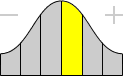
Atrophic Gastritis
Gastric cancer is 5 to 10 times more likely in those with chronic atrophic gastritis; the same increased incidence is also found in first-degree relatives of patients with gastric cancer and pernicious anemia.
Helicobacter Pylori Infection
Helicobacter Pylori infection leads to a significantly increased risk of stomach cancer.
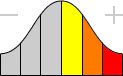
History of stomach cancer
Partial vegetarian/omnivorous diet
See link between Increased Risk of Stomach Cancer and treatment Vegetarian/Vegan Diet.
Increased Risk of Stomach Cancer can lead to
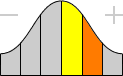
Recommendations for Increased Risk of Stomach Cancer

Green / Oolong / BlackTea (Camellia sinensis)
A study of over 600 Chinese men and women showed that green tea drinkers had a 48% lower risk of stomach cancer than non-drinkers. [Int J Canc May, 2001;92: pp.600-604] This effect may have been from reduced stomach inflammation.

Vegetarian/Vegan Diet
An October, 2001 study by Yale School of Medicine researchers has found that a diet high in cholesterol, animal protein and vitamin B12 is linked to increased risk of a specific type of esophageal and stomach cancer, known as adenocarcinoma of the esophagus and gastric cardia, that has been increasing rapidly. The number of cases increased by 300% between the mid-1970s and 2000, according to lead author Susan Mayne, associate professor in the Department of Epidemiology and Public Health at Yale School of Medicine, and associate director of the Yale Cancer Center.
The researchers found that plant-based nutrients such as dietary fiber, dietary beta-carotene, folic acid, vitamin C and vitamin B6 were associated with lower risk of these kinds of cancers.
“We found that many animal-based nutrients found in foods of animal origin are strongly associated with risk of developing these types of cancers and we were able to identify nutrients that presumably would be protective,” said Mayne. “We also found that regular users of vitamin C supplements were at significantly lower risk of stomach cancer.”
“Our results suggest that prevention strategies for these cancers should emphasize increased consumption of plant foods, decreased consumption of foods of animal origin with the possible exception of dairy products, and control of obesity.”
Weight Loss
During analysis of the data from a Yale study (see link between Increased Risk of Stomach Cancer and treatment Vegetarian/Vegan Diet) the research team found that obesity is strongly linked with risk of these cancers. “The increase in the prevalence of obesity in the United States certainly contributes to the time trends… Our results suggest that prevention strategies for these cancers should emphasize increased consumption of plant foods, decreased consumption of foods of animal origin with the possible exception of dairy products, and control of obesity.”
Increased Fish Consumption
Study subjects who ate two or more servings of fish weekly had a much lower risk for esophageal, stomach, colon, rectum, and pancreatic cancers than those who avoided fish. In fact, the rates of these types of cancer were 30 to 50 percent lower among fish eaters. High fish consumption was also associated with lower risks for cancers of the larynx (30 percent lower risk), endometrial cancer (20 percent lower risk), and ovarian cancer (30 percent lower risk).

Tests, General Diagnostic
March 2013 – A quick and simple breath test can diagnose stomach cancer, study findings reveal. Scientists from Israel and China found the test was 90% accurate at detecting and distinguishing cancers from other stomach complaints in 130 patients. The British Journal of Cancer says the test could revolutionise and speed up the way this cancer is diagnosed.
Cancer appears to give off a signature smell of volatile organic compounds that can be detected using the right technical medical kit – and perhaps even dogs.
The science behind the test itself is not new – many researchers have been working on the possibility of breath tests for a number of cancers, including lung.
But the work by Prof Hossam Haick, of the Technion-Israel Institute of Technology, suggests it is a good way to spot stomach cancer.
In the study, 37 of the patients had stomach cancer, 32 had stomach ulcers and 61 had other stomach complaints. As well as accurately distinguishing between these conditions 90% of the time, the breath test could tell the difference between early and late-stage stomach cancers.
The team are now running a bigger study in more patients to validate their test.
Vitamin C (Ascorbic Acid)
Vitamin C supplementation may help reduce the risk to the development of gastric cancer by increasing ascorbate levels within the stomach and decreasing mucosal DNA damage.
Key
| Weak or unproven link |
| Strong or generally accepted link |
| Proven definite or direct link |
| May do some good |
| Likely to help |
| Highly recommended |
Glossary
Cancer
Refers to the various types of malignant neoplasms that contain cells growing out of control and invading adjacent tissues, which may metastasize to distant tissues.
Chronic
Usually Chronic illness: Illness extending over a long period of time.
Atrophic Gastritis
Chronic inflammation of the stomach that causes the breakdown of the mucous membranes and a reduction in the number of functioning stomach cells. Seen mainly in the elderly.
Pernicious Anemia
Anemia caused by a vitamin B12 deficiency.
Helicobacter Pylori
H. pylori is a bacterium that is found in the stomach which, along with acid secretion, damages stomach and duodenal tissue, causing inflammation and peptic ulcers. Although most people will never have symptoms or problems related to the infection, they may include: dull, 'gnawing' pain which may occur 2-3 hours after a meal, come and go for several days or weeks, occur in the middle of the night when the stomach is empty and be relieved by eating; loss of weight; loss of appetite; bloating; burping; nausea; vomiting.
Stomach
A hollow, muscular, J-shaped pouch located in the upper part of the abdomen to the left of the midline. The upper end (fundus) is large and dome-shaped; the area just below the fundus is called the body of the stomach. The fundus and the body are often referred to as the cardiac portion of the stomach. The lower (pyloric) portion curves downward and to the right and includes the antrum and the pylorus. The function of the stomach is to begin digestion by physically breaking down food received from the esophagus. The tissues of the stomach wall are composed of three types of muscle fibers: circular, longitudinal and oblique. These fibers create structural elasticity and contractibility, both of which are needed for digestion. The stomach mucosa contains cells which secrete hydrochloric acid and this in turn activates the other gastric enzymes pepsin and rennin. To protect itself from being destroyed by its own enzymes, the stomach’s mucous lining must constantly regenerate itself.