Alzheimer’s disease (AD) is a progressive, neurodegenerative disease characterized by memory loss, language deterioration, impaired visuospatial skills, poor judgment, indifferent attitude, but preserved motor function. AD usually begins after age 65, however, its onset may occur as early as age 40, appearing first as memory decline and, over several years, destroying cognition, personality, and ability to function. Confusion and restlessness may also occur.
The type, severity, sequence, and progression of mental changes vary widely. The early symptoms of AD, which include forgetfulness and loss of concentration, can be missed easily because they resemble natural signs of aging. Similar symptoms can also result from fatigue, grief, depression, illness, vision or hearing loss, the use of alcohol or certain medications, or simply the burden of too many details to remember at once.
There is no cure for AD and no confirmed way to slow the progression of the disease. For some people in the early or middle stages of the disease, conventional medication may alleviate some cognitive symptoms. Some medications may help control behavioral symptoms such as sleeplessness, agitation, wandering, anxiety, and depression.
AD is a progressive disease and the course of the disease varies from person to person. Some people have the disease only for the last 5 years of life, while others may have it for as many as 20 years. The most common cause of death in AD patients is infection.
The Lancet Publishing Group (July 12, 2007) proposes that to meet the new criteria for probable AD, patients must show progressive memory loss over more than six months, plus at least one or more of the supportive biomarker criteria. These include: atrophy in a particular part of the brain shown by MRI, abnormal biomarker proteins in the cerebrospinal fluid, a specific pattern on PET of the brain, and a genetic mutation for AD within the immediate family. The authors say: “These new criteria are centred on a clinical core of early and significant episodic memory impairment…the timeliness of these criteria is highlighted by the many drugs in development that are directed at changing pathogenesis.”
The researchers add that validation studies are required to advance the new criteria and optimise their sensitivity, specificity and accuracy. They conclude: “When effective disease-modifying medications are available, the argument for such biologically based studies will be even more compelling.
“These proposed criteria move away from the traditional two-step approach of first identifying dementia according to degree of functional disability, and then specifying its cause. Rather, they aim to define the clinical, biochemical, structural, and metabolic presence of AD.” In an accompanying comment, Dr Norman Foster, Center for Alzheimer’s Care, Department of Neurology, University of Utah, USA says: “We should seize this opportunity to reopen the discussion of Alzheimer’s disease diagnosis. The time is right to use the advanced technology at our disposal to improve the early, accurate diagnosis of dementia and develop more effective treatments.”
Signs, symptoms & indicators of Alzheimer's Disease
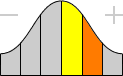
Periods of confusion/disorientation
Conditions that suggest Alzheimer's Disease
Parkinson's Disease / Risk
About 30% of Parkinson’s disease victims eventually develop Alzheimer’s disease or other forms of dementia.
Risk factors for Alzheimer's Disease
(Highly) elevated CRP level
C-reactive protein may serve as a warning sign for the onset of certain dementias like Alzheimer’s disease. [Ital Heart J 2001 Nov;2(11): pp.804-6; Circulation 1998 Feb 10;97(5): pp.425-8; Am J Clin Pathol 2001 Dec;116 Suppl:S108-15]
Poorly controlled diabetes
Reasonably controlled diabetes
See the link between Diabetes / Risk and Alzheimer’s disease.
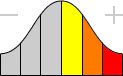
Possible Alzheimer's disease
Alzheimer's Disease suggests the following may be present
Vitamin B1 Requirement
Thiamin metabolism appears to be altered in Alzheimer’s with lower levels of thiamin and enzymes which metabolize thiamin found in the brains of Alzheimer’s disease patients. Clinical data suggest that high dose thiamin may have a mild beneficial effect in some patients with Alzheimer’s disease but it does not appear to halt the progress of the disease. [J Geriatr Psychiatry Neurol, 1993 Oct-Dec, 6:4, pp.222-9]
Alzheimer's Disease could instead be
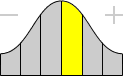
Lyme Disease
Spirochetes, such as those found in Lyme disease, may be one of the causes of Alzheimer’s disease and may also be the source of beta amyloid deposited in the brains of such infected patients.
Recommendations for Alzheimer's Disease

L-Carnitine
In 19 male and 14 female subjects (mean ages 73.9 and 76.2 years, respectively) with Alzheimer’s disease who were non-responders to acetylcholinesterase inhibitor therapy, subjects were given in addition to their donepezil at 5mg/day or rivastigmine at 3mg, BID, acetyl-L-carnitine at 2gm/day, BID. There was an improvement in responders from 38% with drug therapy alone to 50% with the addition of acetyl-L-carnitine. [Curr Med Res Opin. 2003;19(4): pp.350-353]

Glutamine
Glutamine accumulation has also been found in Alzheimer’s disease, Huntington’s disease and high levels of brain glutamine have been associated with a worse prognosis in Lou Gehrig’s disease. Likewise, recent studies have shown that high brain glutamine levels increase brain levels of free radicals and impair the ability of brain mitochondria to produce energy. When the brain produces low energy, excitotoxins, such as glutamate, become even more toxic. It has been shown that the reason for glutamine toxicity under these conditions is because it is converted to the excitotoxin – glutamate. Russell L. Blaylock, M.D.

Fish Oil / Krill
Scientists have discovered the mechanism by which the omega-3 fatty acids found in fish oils can help protect the brain against the cognitive decline associated with Alzheimer’s disease.
Docosahexaenoic acid (DHA), preformed in fish oil, reduces the levels of a protein known to cause damage in the brains of Alzheimer’s patients. They also discovered that a derivative of the fatty acid called neuroprotectin D1 (NPD1) is formed in the human brain, and is essential in protecting against brain cell death. [Journal of Clinical Investigation September 8, 2005]
A number of epidemiological studies have shown that eating fatty fish provides a certain degree of protection against Alzheimer’s and other dementia diseases – an effect often thought attributable to the omega-3 fatty acids it contains. Some studies also suggest that omega-3 can have a therapeutic effect on some psychiatric conditions.
Researchers at Karolinska Institutet and Uppsala University have now examined whether omega-3 supplementation has any effect on the psychiatric symptoms associated with Alzheimer’s disease. Just under 200 patients with mild Alzheimer’s were divided into two groups, one of which received omega-3, and one a placebo. The study lasted for one year.
There was no observable difference in therapeutic effect between the patients receiving the omega-3 and the placebo group. However, when the researchers took into account which of the patients carried the susceptibility gene APOE ?4 and which did not, an appreciable difference appeared. Carriers of the gene who had received active treatment responded positively to the omega-3 as regards agitation symptoms, while non-bearers of the gene showed an improvement in depressive symptoms. [International Journal of Geriatric Psychiatry, doi 10.1002/gps.1857 Published online 21 June 2007] [Scotsman.com News April 6, 2008] Eat your omega-3’s if you want to avoid getting Alzheimer’s. In part, that’s the moral of the story out of new research from Aberdeen University which has found that patients whose diets are high in omega-3 oils do better in mental tests than those who do not have the oils in their diet.
Calling the discovery a “major breakthrough” in the fight against Alzheimer’s, the article in The Scotsman explains how the study was conducted using 58,000 Scots who suffer from the condition.
Lead researcher, Lawrence Whalley, professor of mental health at Aberdeen University, said: “Ten years ago this would have been science fiction. What we are touching on here is how nutrients can interact with specific genes in the body.”
The red herring (excuse the pun) appears to be a crucial gene some individuals possess called APOE e4 that prevents the omega oils from having a healing or preventive effect. Unfortunately, those individuals must pursue other avenues of treatment.
Whalley said: “What emerges from this research is that if you don’t have this gene, omega-3s can make a difference. The next big thing will be to identify what factors can influence how these genes can be switched on and off, and also what to do if you have the gene.”
Maureen Thom, information manager for Alzheimer Scotland, said: “It’s a very welcome and interesting piece of research, very thorough. I would like to see it developed and have results analyzed for a larger number of people. We do advise that everyone should try to stick to a healthy lifestyle and consume omega-3 oils as part of a healthy diet.”
Please see the link between and Lecithin/Choline also.
Coffee (Coffea genus)
Substantial evidence from epidemiological studies and fundamental research in animal models suggests that caffeine may be protective against the cognitive decline seen in dementia and Alzheimer’s disease (AD). A special supplement to the Journal of Alzheimer’s Disease, “Therapeutic Opportunities for Caffeine in Alzheimer’s Disease and Other Neurodegenerative Diseases, 2010” sheds new light on this topic and presents key findings.
“Epidemiological studies first revealed an inverse association between the chronic consumption of caffeine and the incidence of Parkinson’s disease,” according to Mendonça and Cunha. “This was paralleled by animal studies of Parkinson’s disease showing that caffeine prevented motor deficits as well as neurodegeneration “Later a few epidemiological studies showed that the consumption of moderate amounts of caffeine was inversely associated with the cognitive decline associated with aging as well as the incidence of Alzheimer’s disease. Again, this was paralleled by animal studies showing that chronic caffeine administration prevented memory deterioration and neurodegeneration in animal models of aging and of Alzheimer’s disease.”
Grape Seed Extract / Resveratrol
Although unmodified resveratrol appears to have a weak bioavailability, several studies have clearly demonstrated the in vivo neuroprotective properties of the red wine-derived polyphenol, strongly supporting the notion that natural metabolites of resveratrol may have biological activities. Furthermore, recent findings have shed light on the potential role of resveratrol in transcription- and degradation-dependent anti-amyloidogenic mechanisms, suggesting that natural metabolites or potent synthetic analogues of resveratrol have a therapeutic potential in Alzheimer’s Disease.
Chlorella / Algae Products
A study showed that among 50 people with Alzheimer’s, aged 70-90, taking 6gm daily of chlorella for 6 months, 68% experienced either a stabilization or improvement in cognitive functions.

Pomegranate
Researchers from Loma Linda University in California (2006) believe that Alzheimer’s may be caused by the buildup of plaque from deposits associated with brain cell death due to oxidation, called beta-amyloid deposits. Pomegranate juice, which is high in antioxidant polyphenols, may offer protection against the oxidative stress that causes beta-amyloid deposits.
The researchers studied two groups of transgenic mice that had been genetically engineered to express a protein that eventually leads to Alzheimer’s disease. The mice — aged between six and 12.5 months — were split into two groups: The first group’s diet was supplemented with plain water, and the second group’s diet was supplemented with diluted pomegranate juice concentrate. The concentrate was diluted to resemble the strength of commercially sold pomegranate juices.
The researchers then tested the two groups’ cognitive function by subjecting the mice to a water maze, which required the animals to swim various distances to find a submerged platform. The group given pomegranate juice negotiated the maze 35 percent faster than the water group, and also swam a more direct path to find the submerged platform compared to the water group.
The researchers then examined the amount of beta-amyloid deposits in the brain cortex of the mice, and found that the group supplemented with pomegranate juice had 50 percent less of the deposits than the non-supplemented mice.
“This study is the first to show beneficial effects (both behavioral and neuropathological) of pomegranate juice in an animal model of (Alzheimer’s disease),” wrote lead researcher Richard Hartman.
Ginkgo Biloba
A Ginkgo biloba extract (EGb 761) was tested in Alzheimer’s patients for one year at a daily dose of 120mg. Improvement was experienced in patients with primarily visual impairment, delayed worsening occurred in patients with predominant verbal deficits, and there was a stabilization of symptoms in patients with both types of impairment. [Pharmacopsychiatry 2003;36(Suppl 1): pp.S50-5]
Marijuana
“Treatment with a synthetic compound similar to marijuana reduced inflammation in older rats in addition to making the animals “smarter,” said Wenk, who is also a professor of neuroscience and molecular virology, immunology and medical genetics.
“The compound substantially improved the memories of the older rats,” he said. “These animals were able to hold on to key details of a specific task. Untreated older rats, on the other hand, were not.”
The colleagues treated young and old rats with WIN-55212-2 (WIN), a synthetic drug similar to marijuana. While the compound improved memory and helped to control inflammation, it is not a candidate for use in humans because it still contains substances that could trigger a high. [www.medicalnewstoday.com/]
Cinnamon (Cinnamonum zeylanicum)
Michael Ovadia, from Tel Aviv University (Israel), and colleagues isolated CEppt, an extract found in cinnamon bark, and introduced the substance into the drinking water of mice that had been genetically altered to develop an aggressive form of Alzheimer’s disease, and fruit flies that had been mutated with a human gene that also stimulated Alzheimer’s disease and shortened their lifespan.
After four months, the researchers discovered that development of the disease had slowed remarkably and the animals’ activity levels and longevity were comparable to that of their healthy counterparts. The extract inhibited the formation of toxic amyloid polypeptide oligomers and fibrils, which compose deposits of plaque found in the brains of Alzheimer’s patients. In a test-tube study, CEppt was also found to break up amyloid fibers, similar to those seen in Alzheimer’s patients.
Noting that CEppt caused a “reduction of plaques and improvement in cognitive behavior,” the team concludes that: “Our results present a novel prophylactic approach for inhibition of toxic oligomeric A[beta] species formation in [Alzheimer’s Disease] through the utilization of a compound that is currently in use in human diet.”
A problem remains with the quantity of cinnamon one would need to consume to benefit from its anti-Alzheimer’s properties. “Raw cinnamon also contains substances harmful to the liver,” says Ovadia. “Whereas one may consume six to ten grams per day without damaging the liver, to reap the substance’s medicinal benefits, one would have to consume tens of grams per day at least, which starts to become dangerous. For this reason we developed a means of extracting the active substance from the cinnamon and separating it from the toxic substances.” [Frydman-Marom A, Levin A, Farfara D, Benromano T, Scherzer-Attali R, et al. (2011) Orally Administrated Cinnamon Extract Reduces ß-Amyloid Oligomerization and Corrects Cognitive Impairment in Alzheimer’s Disease Animal Models. PLoS ONE 6(1): e16564. doi:10.1371/journal.pone.0016564]
This extract is not currently available for consumer use.
Coconut
New benefits of coconut oil continue to be discovered. One potential benefit is that it may ease Alzheimer’s. Dr. Mary Newport may have made an important observation about this connection. Dr. Newport’s husband had been diagnosed with early onset Alzheimer’s and was watching her husband quickly deteriorate.
After using drugs that slowed down the effects of Alzheimer’s, she looked into clinical drug trials and found one based on MCTs (medium chain triglycerides, such as found in coconut oil) that not only slowed the progression of Alzheimer’s, but offered improvement. Not being able to get her husband into one of these trials, she began to give him Virgin Coconut Oil, and saw incredible improvement in his condition.
The coconut oil he’d ingested seemed to “lift the fog.” He began taking coconut oil every day, and by the fifth day, there was a tremendous improvement. “He would face the day bubbly, more like his old self,” his wife said. More than five months later, his tremors subsided, the visual disturbances that prevented him from reading disappeared, and he became more social and interested in those around him. [Doctor says an oil lessened Alzheimer’s effects on her husband, St. Petersburg Times, October 29, 2008 ]
You can also watch an interview with Dr. Newport done by CBN here.
Increased Fruit/Vegetable Consumption
News from the Telegraph U.K. says scientists have found that blueberries can increase your attention span in the short term and can maintain a healthy mind in the long term.
According to the report, they found that just one 200g blueberry smoothie was enough to increase powers of concentration by as much as 20 % over the day, and regular consumption of the fruit could lead to a rewiring of a part of the brain that is linked to memory.
The fruit, which is an anti-oxidant, has already been linked to lower heart disease and cancer rates as well as anti-aging. Antioxidants remove free radicals – chemicals that have the potential to cause damage to cells and tissues in the body.
Dr. Jeremy Spencer, a molecular nutritionist at the University of Reading who carried out the latest study, is quoted as saying he believes its affect on the mind has more to do with its ability to increase the blood flow to the brain, and that flavonoid rich foods, which also include chocolate, spinach and some fruit juices, can re-structure the brain and ward off memory loss associated with Alzheimer’s. [reported at the British Science Festival, Sept 2009]
Artificial Sweetener Avoidance
Aspartame use has been reported to trigger symptoms of Alzheimer’s disease.
Conventional Drugs / Information
Researchers found that clioquinol can almost stop the progression of Alzheimer’s disease. They believed that by absorbing the copper and zinc atoms that concentrate in the brains of Alzheimer’s sufferers, clioquinol could stop the onset of dementia before it starts.
The finding came from a study conducted on 26 Alzheimer’s sufferers; half were given clioquinol while the other 13 were given a placebo. Researchers studied all 26 patients over a nine-month period of time and found that patients given the clioquinol retained more mental capacity than those who received the placebo. Research also showed patients who were given clioquinol had a 1.4 percent decrease in their mental capacity, whereas patients who were given the placebo had an 8.9 percent decrease in their mental capacity.
The study suggests that before dementia sets in in the brains of Alzheimer’s sufferers, clioquinol could prevent zinc from building up on the surface of the brain by absorbing the mineral’s atoms. The results of the study show that clioquinol could treat patients with Alzheimer’s twice as well as the latest Alzheimer’s drugs that are available.
Clioquinol has been around for 100 years and is currently used to treat athlete’s foot, ear infections and indigestion. [Archives of Neurology December, 2003;60(12):pp.1685-91]
In October 2003, the FDA finally approved memantine for the treatment of moderate to severe Alzheimer’s disease. Memantine is marketed in the US by Forest Laboratories under the trade name Namenda.
Memantine is an N-methyl- D-aspartate (NMDA) receptor antagonist that is neuroprotective by blocking glutamate, which can cause overstimulation of the nerves and become toxic to the nervous system. Memantine may benefit individuals with Alzheimer’s disease by improving cognition and overall functioning.
Jan 10, 2008. Newsmax reports that an “extraordinary new scientific study, which for the first time documents marked improvement in Alzheimer’s disease within minutes of administration of a therapeutic molecule, has just been published in the Journal of Neuroinflammation.”
Known as anti-TNF therapeutics, the drug used in the study is called Etanercept (trade name Enbrel) which is given by an injection into the spine. Improvement was said to have come came within minutes of the injection.
Sue Griffin, Ph.D., director of research at the Donald W. Reynolds Institute on Aging at the University of Arkansas for Medical Sciences (UAMS) in Little Rock and at the Geriatric Research and Clinical Center at the VA Hospital in Little Rock, said: “It is unprecedented that we can see cognitive and behavioral improvement in a patient with established dementia within minutes of therapeutic intervention.”
To date other patients with mild to severe Alzheimer’s have reportedly received the treatment and “all have shown sustained and marked improvement.”
July 29, 2008 – For the first time, an experimental drug shows promise for halting the progression of Alzheimer’s disease by taking a new approach: breaking up the protein tangles that clog victims’ brains. The encouraging results from the drug called Rember, reported at a medical conference in Chicago, electrified a field battered by recent setbacks. The drug was developed by Singapore-based TauRx Therapeutics.
Even if bigger, more rigorous studies show it works, Rember is still several years away from being available, and experts warned against overexuberance. But they were excited. “These are the first very positive results I’ve seen” for stopping mental decline, said Marcelle Morrison-Bogorad, director of Alzheimer’s research at the National Institute on Aging. “It’s just fantastic.”
The federal agency funded early research into the tangles, which are made of a protein called tau and develop inside nerve cells. For decades, scientists have focused on a different protein – beta-amyloid, which forms sticky clumps outside of the cells – but have yet to get a workable treatment.
Aerobic Exercise
A study (October 2008) coming from Professor Art Kramer, of the US Beckman Institute at the University of Illinois, gives strong evidence that aerobic exercise can actually reverse mental decline.
According to a report in The Telegraph, research suggests that the benefits of regular workouts are seen not only in those undergoing the normal aging process but also in people suffering from Alzheimer’s disease.
Indeed, says the report, the findings of one study suggested that people who exercised for just one hour three times a week over three months increased their brain size to that of someone three years younger.
Writing in the British Journal of Sports Medicine, Professor Kramer, who is quoted as saying he believes that around six months of physical activity would be enough to see a marked improvement in brain power, said: “We can safely argue that an active lifestyle with moderate amounts of aerobic activity will likely improve cognitive and brain function, and reverse the neural decay frequently observed in older adults. The effect of aerobic exercise training on cognitive function also seems to extend to older adults with dementia.”
Lithium (low dose)
There are many research findings that strongly suggest that lithium will protect against potential Alzheimer’s disease and slow the progression of existing cases. Researchers have reported that lithium inhibits beta-amyloid secretion, and also prevents damage caused by beta-amyloid protein once it’s been formed. Beta-amyloid peptide is a signature protein involved in Alzheimer’s disease: the more beta-amyloid protein, the worse the Alzheimer’s becomes. Overactivation of a brain cell protein called tau protein also contributes to neuronal degeneration in Alzheimer’s disease, as does the formation of neurofibrillary tangles Lithium inhibits both of these nerve-cell damaging problems.
Lecithin / Choline / GPC
Study participants received 1200mg GPC daily for six months. On a variety of assessment scales for Alzheimer’s disease (AD), GPC patients scored more favorably than patients from the control group, all of whom received placebo. The mental status of patients on GPC therapy improved, while those receiving the placebo worsened. These findings are comparable to the results obtained with the use of the prescription drugs Aricept (donepezil HCl) Exelon (rivastigmine tartrate) and Reminyl (galantamine hydrochloride) in the treatment of AD patients, and with fewer side effects. [Mech Ageing Dev 2001 Nov: 122(16): pp.2041-2055]
In another study, Richard Wurtman, from Massachusetts Institute of Technology (MIT; Massdachusetts, USA), and colleagues have formulated a mixture of three naturally occurring dietary compounds: choline, uridine and docohexaenoic acid (DHA).
Choline can be found in meats, nuts and eggs, and omega-3 fatty acids are found in a variety of sources, including fish, eggs, flaxseed and meat from grass-fed animals. Uridine is produced by the liver and kidney, and is present in some foods as a component of RNA. Docohexaenoic acid (DHA) is an omega-3 fatty acid, best known for its role in promoting cardiovascular health. Collectively, these three nutrients are precursors to the lipid molecules that, along with specific proteins, make up brain-cell membranes, which form synapses. To be effective, all three precursors must be administered together.
The researchers followed 259 patients for six months. Patients, whether taking the nutrient blend or a placebo, improved their verbal-memory performance for the first three months, but the placebo patients deteriorated during the following three months, whereas the nutrient blend patients continued to improve. Further, electroencephalography (EEG) studies revealed changes in brain-activity patterns throughout the study: as the trial went on, the brains of patients receiving the nutrient blend started to shift from patterns typical of dementia to more normal patterns. Because EEG patterns reflect synaptic activity, the researchers submit that synaptic function increased following treatment with the nutrient blend. [“Nutrient Cocktail” Improves Alzheimer-Related Memory Decline. Posted on Aug. 3, 2012, 6 a.m. in Alzheimer’s Disease Dietary Supplementation Fatty Acids, Lipids & Oils]
Oxygen, Hyperbaric
Senile patients, including those with Alzheimer’s type, have shown measurable improvement after hyperbaric oxygen treatments. Some doctors claim that patients seem to respond better when chelation and hyperbaric oxygen are used together compared to either one alone. The use of hyperbaric oxygen for this condition is still experimental and needs further study.
Vitamin Niacinamide
An over-the-counter vitamin in high doses prevented memory loss in mice with Alzheimer’s disease, and UC Irvine scientists now are conducting a clinical trial to determine its effect in humans.
Nicotinamide, a form of vitamin B3, lowered levels of a protein called phosphorylated tau that leads to the development of tangles, one of two brain lesions associated with Alzheimer’s disease. This is also known as niacinamide and nicotinic acid amide. The vitamin also strengthened scaffolding along which information travels in brain cells, helping to keep neurons alive and further preventing symptoms in mice genetically wired to develop Alzheimer’s.
“Nicotinamide has a very robust effect on neurons,” said Kim Green, UCI scientist and lead author of the study. “Nicotinamide prevents loss of cognition in mice with Alzheimer’s disease, and the beauty of it is we already are moving forward with a clinical trial.”
Scientists found that the nicotinamide-treated animals had dramatically lower levels of the tau protein that leads to the Alzheimer’s tangle lesion. The vitamin did not affect levels of the protein beta amyloid, which clumps in the brain to form plaques, the second type of Alzheimer’s lesion.
Nicotinamide, they found, led to an increase in proteins that strengthen microtubules, the scaffolding within brain cells along which information travels. When this scaffolding breaks down, the brain cells can die. Neuronal death leads to dementia experienced by Alzheimer’s patients.
“Microtubules are like highways inside cells. What we’re doing with nicotinamide is making a wider, more stable highway,” Green said. “In Alzheimer’s disease, this highway breaks down. We are preventing that from happening.”
The study appeared online Nov. 5, 2008 in the Journal of Neuroscience.
Key
| Weak or unproven link |
| Strong or generally accepted link |
| Proven definite or direct link |
| May do some good |
| Likely to help |
| Highly recommended |
| May have adverse consequences |
Glossary
Alzheimer's Disease
A progressive disease of the middle-aged and elderly, characterized by loss of function and death of nerve cells in several areas of the brain, leading to loss of mental functions such as memory and learning. Alzheimer's disease is the most common cause of dementia.
Anxiety
Apprehension of danger, or dread, accompanied by nervous restlessness, tension, increased heart rate, and shortness of breath unrelated to a clearly identifiable stimulus.
MRI
Magnetic Resonance Imaging. A technique used in diagnosis that combines radio waves and magnetic forces to produce detailed images of the internal structures of the body.
Protein
Compounds composed of hydrogen, oxygen, and nitrogen present in the body and in foods that form complex combinations of amino acids. Protein is essential for life and is used for growth and repair. Foods that supply the body with protein include animal products, grains, legumes, and vegetables. Proteins from animal sources contain the essential amino acids. Proteins are changed to amino acids in the body.
Dementia
An acquired progressive impairment of intellectual function. Marked compromise exists in at least three of the following mental activity spheres: memory, language, personality, visuospatial skills, and cognition (i.e., abstraction and calculation).
Metabolism
The chemical processes of living cells in which energy is produced in order to replace and repair tissues and maintain a healthy body. Responsible for the production of energy, biosynthesis of important substances, and degradation of various compounds.
Parkinson's Disease
A chronic, slowly-progressing disease of the nervous system characterized clinically by the combination of tremor, rigidity, extreme slowness of movement, and stooped posture. It is characterized pathologically by loss of dopamine in the substantia nigra.
Diabetes Mellitus
A disease with increased blood glucose levels due to lack or ineffectiveness of insulin. Diabetes is found in two forms; insulin-dependent diabetes (juvenile-onset) and non-insulin-dependent (adult-onset). Symptoms include increased thirst; increased urination; weight loss in spite of increased appetite; fatigue; nausea; vomiting; frequent infections including bladder, vaginal, and skin; blurred vision; impotence in men; bad breath; cessation of menses; diminished skin fullness. Other symptoms include bleeding gums; ear noise/buzzing; diarrhea; depression; confusion.
Thiamine
(Vitamin B-1): A B-complex vitamin that acts as a coenzyme necessary for the conversion of carbohydrates into glucose, which is burned in the body for energy. It is essential for the functioning of the nervous system.
Enzymes
Specific protein catalysts produced by the cells that are crucial in chemical reactions and in building up or synthesizing most compounds in the body. Each enzyme performs a specific function without itself being consumed. For example, the digestive enzyme amylase acts on carbohydrates in foods to break them down.