You have a highly negative (anabolic) Lipo-Oxidative Type. This means that an elevated ratio of sterols to fatty acids with decreased cell wall permeability, according Emanual Revici, MD. A more balanced condition will be achieved by specific mineral recommendations included in this report.
Signs, symptoms & indicators of Lipo-Oxidative Type (Extreme Negative)
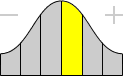
Low systolic blood pressure
Low diastolic blood pressure
Slowed pulse rate
Counter Indicators
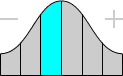
Rapid pulse rate
High diastolic blood pressure
High systolic blood pressure
(Very) frequent stools or normal stool frequency
Counter Indicators
(Very/tendency to) infrequent stools
Being a light sleeper
Counter Indicators
Being a deep sleeper
Infrequent daytime urination
Counter Indicators
Frequent daytime urination
Conditions that suggest Lipo-Oxidative Type (Extreme Negative)
Counter Indicators
Risk factors for Lipo-Oxidative Type (Extreme Negative)
History of rheumatoid arthritis
Recommendations for Lipo-Oxidative Type (Extreme Negative)

Key
| Weak or unproven link |
| Weakly counter-indicative |
| May do some good |
| May have adverse consequences |
Glossary
Anabolic
Anabolic compounds: Allow the conversion of nutritive material into complex living matter in the constructive metabolism.
Sterols
A large subgroup of steroids.
Fatty Acids
Chemical chains of carbon, hydrogen, and oxygen atoms that are part of a fat (lipid) and are the major component of triglycerides. Depending on the number and arrangement of these atoms, fatty acids are classified as either saturated, polyunsaturated, or monounsaturated. They are nutritional substances found in nature which include cholesterol, prostaglandins, and stearic, palmitic, linoleic, linolenic, eicosapentanoic (EPA), and decohexanoic acids. Important nutritional lipids include lecithin, choline, gamma-linoleic acid, and inositol.
Mineral
Plays a vital role in regulating many body functions. They act as catalysts in nerve response, muscle contraction and the metabolism of nutrients in foods. They regulate electrolyte balance and hormonal production, and they strengthen skeletal structures.