THE ESTROGEN DOMINANCE EFFECT
Female problems seem to be on the rise. Between 40% and 60% of all women in the West suffer from PMS. In addition, women suffer from a plethora of symptoms, some menopausal and others not. Something quite serious seems to be happening. There is strong evidence that that the proper hormonal balance necessary for women’s bodies to function healthily is being interfered with by a number of factors.
Research has shown that many women in their 30s – some even younger – will occasionally not ovulate during their menstrual month. Without ovulation, no corpus luteum results and no progesterone is made. A progesterone deficiency ensues and several problems can result from this, one being the month-long presence of unopposed estrogen with all its attendant side effects.
A second major problem results from the interrelationship between progesterone loss and stress. Stress combined with a bad diet can induce cycles where ovulation does not occur. The consequent lack of progesterone interferes with the production of the stress-combating hormones, worsening stressful conditions that give rise to further anovulatory cycles and so continues the vicious cycle.
Another major factor contributing to this imbalance between estrogen and progesterone is the industrialized world now live in, immersed in a rising sea of petrochemical derivatives. They are in the air, food and water and include pesticides and herbicides (such as DDT, dieldrin, heptachlor, etc.) as well as various plastics (polycarbonated plastics found in babies bottles and water jugs) and PCBs. These estrogen-mimics are highly fat-soluble, not biodegradable or well excreted, and accumulate in the fat tissue of animals and humans. These chemicals have an uncanny ability to mimic natural estrogen and thus are given the name “xeno-estrogens” since, although they are foreign chemicals, they are taken up by the estrogen receptor sites in the body, seriously interfering with natural biochemical activity.
Extensive research is now revealing an alarming situation worldwide, created by the inundation of these hormone-mimics. In their book, Our Stolen Future, authors Theo Colburn of the World Wildlife Fund, Dianne Dumanoski of The Boston Globe, and John Peterson Meyers, a zoologist, have identified 51 hormone mimics, each able to unleash a torrent of effects such as reduced sperm production, cell division and sculpting of the developing brain. These mimics are not only linked to the recent discovery that human sperm counts worldwide have plunged by 50% between 1938 and 1990 but also to genital deformities, breast, prostate and testicular cancer, and neurological disorders.
Dr. John Lee, MD has discovered a consistent theme running through women’s complaints of the distressing and often debilitating symptoms of PMS, peri-menopause and menopause: too much estrogen or, in other words, estrogen dominance. Now, instead of estrogen playing its essential role within the well-balanced symphony of steroid hormones in a woman’s body, it has begun to overshadow the other players, creating biochemical dissonance. Even natural estrogens should not be prescribed unless it is clear that a deficiency exists.
Dr. Lee has been able to balance the estrogen-dominance effect through the use of transdermal natural progesterone cream. Natural progesterone, a cholesterol derivative, is made from wild Mexican yams or soybeans whose active ingredients are an exact molecular match of the body’s own progesterone. It is interesting to note that in parts of Asia and South America where women eat either the wild yams or soybeans, the term “hot flash” doesn’t even exist in their languages. They also rarely suffer from the host of female problems presently plaguing Western women. Supplementation with natural progesterone corrects the real problem: progesterone deficiency. Note, however, that the use of wild yam does not increase progesterone levels, and does not act as a precursor to progesterone in humans. Soy products contain phytoestrogens that act by altering tissue responses to estrogen.
Natural progesterone is not known to have any side effects; nor have any toxic levels been found to date. Natural progesterone increases libido, prevents cancer of the womb, protects against fibrocystic breast disease, helps protect against breast cancer, maintains the uterus lining, hydrates and oxygenates the skin, reverses facial hair growth and hair thinning, acts as a natural diuretic, helps eliminate depression and increase a sense of well being, encourages fat burning and the use of stored energy, normalizes blood clotting, and is a precursor to other important stress and sex hormones. Sometimes, even the two most prevalent menopausal symptoms – hot flashes and vaginal dryness – may disappear with applications of natural progesterone, though it may take many months.
Estrogen’s role in osteoporosis is only a minor one. Estrogen replacement will reduce bone breakdown, but only progesterone increases new bone growth or deposition. Progesterone deficiency results in bone loss. In a three year study of 63 post-menopausal women with osteoporosis, women using transdermal progesterone cream experienced an average 7 to 8% bone mass density increase in the first year, 4 to 5% the second year, and 3 to 4% in the third year. Untreated women in this age category typically lose 1.5% bone mass density per year. Dr. Lee believes that the use of natural progesterone in conjunction with dietary and lifestyle change can not only stop osteoporosis but can actually reverse it – even in women aged over 70.
It is important to make the distinction between natural progesterone that is produced by the body and the synthetic progesterone analogues classified as progestins, such as Provera, Duphaston and Primulut. There is a big difference between the two in their effect on the body, although doctors most often use their names interchangeably.
Since natural progesterone is not a patentable product, the pharmaceutical companies have altered it to produce synthetic progestins commonly used in contraceptives and HRT. Synthetic progestins, because they are not exact replicas of the body’s natural progesterone, unfortunately create a long list of side effects, some of which are quite severe. A partial list includes headaches, depression, fluid retention, increased risk of birth defects and early abortion, liver dysfunction, breast tenderness, breakthrough bleeding, acne, hirsutism (hair growth), insomnia, edema, weight changes, pulmonary embolism and premenstrual-like syndrome.
Most importantly, progestins lack the intrinsic physiological benefits of progesterone, thus they cannot function in the major biosynthetic pathways as progesterone does and they disrupt many fundamental processes in the body. Progesterone is an essential hormone that also plays a part in the development of healthy nerve cells and brain and thyroid function. Progestins tend to block the body’s ability to produce and utilize natural progesterone to maintain these life promoting functions.
Without adequate knowledge, education and access to natural products, women have been easy prey to the powerful campaigns of the multinational drug companies that have convinced doctors as well as governments of their claims. It is becoming more evident that women’s interests are not always best met through such a biased approach. It is also not unusual for profits to take precedence over health and well being. The last thing a woman needs is to have her natural bodily functions denigrated to deficiency diseases – thus necessitating ongoing medical attention.
The greatest weapon against compliance and ignorance is knowledge. It’s time to ask poignant questions of your health provider, to demand answers and to be willing to investigate safe, alternative approaches. It is apparent that women will need to participate in educating their doctors about the other choices that exist as well as the ones that they prefer. Certainly, women have it well within their own power not only to find safe, natural and effective ways to heal themselves but to live long, full lives, preserving their vitality, youthfulness and health.
Effects of Estrogen Dominance
- When estrogen is not balanced by progesterone, it can produce weight gain, headaches, bad temper, chronic fatigue and loss of interest in sex – all of which are part of the clinically recognized premenstrual syndrome.
- Not only has it been well established that estrogen dominance encourages the development of breast cancer thanks to estrogen’s proliferative actions, it also stimulates breast tissue and can trigger fibrocystic breast disease – a condition which wanes when natural progesterone is introduced to balance the estrogen.
- Excess estrogen implies a progesterone deficiency. This, in turn, leads to a decrease in the rate of new bone formation in a woman’s body by the osteoblasts – the cells responsible for doing this job. Although most doctors are not yet aware of it, this is the prime cause of osteoporosis.
- Estrogen dominance increases the risk of fibroids. One of the interesting facts about fibroids is that, regardless of the size, fibroids commonly atrophy once menopause arrives and a woman’s ovaries are no longer making estrogen. Doctors who commonly use progesterone with their patients have discovered that giving a woman natural progesterone may cause fibroids to atrophy.
- In estrogen-dominant menstruating women where progesterone is not peaking and falling in a normal way each month, the ordered shedding of the womb lining doesn’t take place. Menstruation becomes irregular. This condition can usually be corrected by making lifestyle changes and using a natural progesterone product. It is easy to diagnose by having a doctor measure the level of progesterone in the blood at certain times of the month.
- Endometrial cancer (cancer of the womb) develops only where there is estrogen dominance or unopposed estrogen. This, too, can be prevented by the use of natural progesterone. The use of the synthetic progestins may also help prevent it, which is why a growing number of doctors no longer give non-human estrogens without combining them with progesterone drug during HRT. However, all synthetic progestins have side effects.
- Water logging of the cells and an increase in intercellular sodium, which predispose a woman to high blood pressure or hypertension, frequently occur with estrogen dominance. These can also be side effects of progestins use. A natural progesterone cream often resolves this problem.
- The risk of stroke and heart disease is increased dramatically when a woman is estrogen-dominant.
Anti-aging Benefits of Natural Progesterone
- Progesterone is a primary precursor in the biosynthesis of the adrenal corticosteroids. Without adequate progesterone, synthesis of the cortisones is impaired and the body turns to alternate pathways. These alternate pathways have masculine-producing side effects such as long facial hairs and thinning of scalp hair. Further impaired corticosteroid production results in a decrease in the ability to handle stress, e.g., surgery, trauma or emotional stress.
- Many peri- or post-menopausal women with clinical signs of hypothyroidism, such as fatigue, lack of energy, intolerance to cold, are actually suffering from unrecognized estrogen dominance and will benefit from supplementation with natural progesterone.
- Estrogen and most of the synthetic progestins increase intracellular sodium and water uptake. The effect of this is hypertension. Natural progesterone is a natural diuretic and prevents the cell’s uptake of sodium and water, thus preventing hypertension.
- Whereas estrogen impairs homeostatic control of glucose levels, natural progesterone stabilizes them. Thus, natural progesterone can be beneficial to both those with diabetes and those with reactive hypoglycemia. Estrogen should be contraindicated in patients with diabetes.
- Thinning and wrinkled skin is a sign of lack of hydration in the skin. It is common in peri- and post-menopausal women and is a sure sign of hormone depletion. Both estrogen and progesterone restores skin hydration.
- Progesterone serves a role in keeping brain cells healthy. A disorder such as premature senility (Alzheimer’s disease) may be, at least in part, another example of disease secondary to progesterone deficiency.
- Progesterone is essential for the healthy development of the myelin sheath which protects the nerve cells. Low progesterone levels lead to recurring aches and pains.
- Progesterone creates and promotes an enhanced sense of emotional well being and psychological self-sufficiency.
- Progesterone is responsible for enhancing the libido.
The hormone issue is a complicated one. There are three types of natural estrogen, and multiple degradation pathways and metabolites. Depending on the area of concern, a skilled natural doctor should be able to recommend those tests which will yield the most information, and guide you into balance. While a therapeutic trial of progesterone may help a condition of estrogen dominance, specific laboratory testing on a doctor’s recommendation should be conducted prior to hormone replacement. Blood, saliva, or urine measurements may be made. Your doctor should be aware that the timing of specimen collection in relation to your cycle is important in progesterone testing. The best time is day 21 – 24 of your cycle (sooner if cycle is shorter and later if cycle is longer). If progesterone levels are normal, elevated estrogens can be reduced by means other than progesterone use.
The need for testing is seen in the situation of two menopausal women having similar symptoms but one with elevated estrogens (or an imbalance of estrogens) and the other with low estrogens. Both may have normal or low levels of progesterone. Giving natural estrogen to a woman in menopause seems the logical thing to do, but may make the situation worse if her levels are already too high. Giving a women low in estrogen, more progesterone won’t solve the underlying deficiency.
Female hormone imbalances can manifest in many and diverse symptoms. More specific suggestions regarding individual hormone levels may be made elsewhere in this report.
You can develop a clearer understanding of the nature of your condition and the interplay of female hormones by reading an informative book such as Natural Hormone Balance by Uzzi Reiss, MD, or What Your Doctor May Not Tell You About Premenopause and What Your Doctor May Not Tell You About Menopause by John Lee, MD.
Lee, John R., M.D., Natural Progesterone: The Multiple Role of a Remarkable Hormone, BLL Publishing, California, USA, 1993, p.29.
Kenton, Leslie, Passage to Power, Random House, UK, 1995, pp.19-20.
Lee, John R., M.D., “Osteoporosis Reversal: The Role of Progesterone,” International Clinical Nutrition Review (1990), 10: pp.384-391.
Lee, John R., M.D., Slowing the Aging Process with Natural Progesterone, BLL Publishing, California, USA, 1994, p.12.
Signs, symptoms & indicators of Low Progesterone or Estrogen Dominance
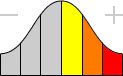
Reduced/low progesterone level
Counter Indicators
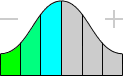
Normal/high progesterone level
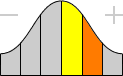
Enlarged clitoris
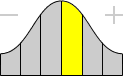
Constant fatigue
Low stamina
Hyperactivity
Temple-based headaches
Impatient/hostile disposition
A 'foggy' mind
Short-term memory failure
Leg cramps caused by walking
(History of/severe) muscle cramp/twitching
Long menstrual cycles
Low progesterone production is frequently the result of a luteal phase defect. Further testing, such as timed hormone and ultrasound testing, may be necessary to determine the underlying cause.
Pre/menstrual depression
Hot flashes
Studies indicate that progesterone can sometimes minimize hot flashes. While natural progesterone cream has been clinically demonstrated to provide relief from hot flashes in some women, most women require estrogen replacement when a hormone needs to be used.
Breast soreness during cycle
Irritability related to cycle
Painful menstrual cramps
Water retention before menstruation
Constant hot flashes or hot flashes between period
Difficulty conceiving children
Yellow-tinged skin
(Possibly) jaundiced skin
Red palms/fingertips
It has been suggested that palmar erythema in liver disease and pregnancy is due to hyperestrogenism, and palmar erythema has also been ascribed to ingestion of those oral contraceptives with a higher estrogen content.
Conditions that suggest Low Progesterone or Estrogen Dominance
Multiple Sclerosis / Risk
Progesterone has been shown in animal studies to promote the formation of new myelin sheaths [Human Reproduction 2000 Jun;15 Suppl 1: pp.1-13, J Steroid Biochem Mol Biol 1999 Apr-Jun;69 pp.97-107, Mult Scler 1997 Apr;3 pp.105-12]
Physicians have known for years that pregnancy can suppress some forms of immune response, such as allergies. In the early and mid-1980s, several doctors observed that MS patients had fewer symptoms during pregnancy and post-partum recovery. This may be due to the high progesterone level in the blood of a pregnant woman. Progesterone tends to be anti-inflammatory. Progesterone therapy may therefore be useful for MS especially as a medical report noted the association between enlarged adrenal glands and MS. Progesterone, being a steroid, often helps the adrenals deal with inflammation.
Other studies have indicated that symptoms are worse during periods when the progesterone to estrogen ratio is low.
Copper Toxicity
Elevated estrogen levels often increase serum copper levels to more than double normal values, while at the same time red blood cell levels, where copper is important, may actually be lower. This may contribute to some of the psychological or other symptoms seen during pregnancy or with birth control pill use.
Low Testosterone Level
Testosterone is converted into estrogen naturally. When this conversion is overactive the result is too little testosterone and too much estrogen. High levels of estrogen also trick the brain into thinking that enough testosterone is being produced, thereby reducing the natural production of testosterone.
Low Sex Drive
Loss of sex drive often correlates with a progesterone deficiency, not an estrogen deficiency.
Hypothyroidism
Progesterone increases sensitivity of estrogen receptors, and can therefore redirect estrogen activity and inhibit many of unopposed estrogen’s undesirable side-effects, which includes interference with thyroid hormone activity.
Low Total Cholesterol
Cholesterol is the raw material used to make progesterone, and is therefore its immediate precursor.
Panic Attacks
It has been reported that women with low progesterone levels experience less intense or less frequent panic attacks after progesterone supplementation. In some cases, sublingual progesterone in olive oil has produced immediate benefit.
Edema (Water Retention)
Progesterone has also been used in the treatment of idiopathic edema under the premise that some women with idiopathic edema either do not ovulate or have a luteal phase deficiency.
Ovarian function was investigated in 30 women with postural idiopathic edema by measuring plasma estradiol and progesterone levels between the 21st and 23rd days of the menstrual cycle. Plasma progesterone concentrations were found to be lower than 5ng/ml in 53% of the cases and lower than 10ng/ml in 83%. The ovarian dysfunction most frequently observed was inadequate corpus luteum, i.e. progesterone deficiency with normal plasma estradiol levels. In virtually all patients the initial disorder in capillary permeability, as evaluated by Landis’ test, was fully corrected by progesterone administered orally. However, clinical improvement was less marked with treatments of short duration (2-3 consecutive cycles). In view of the complex cause of the disease, combined treatments in which progesterone might well play the major role are usually required. [Presse Med 1983 Dec 10;12(45): pp.2859-62 (translated)]
Torn, Weak, or Relaxed Ligaments or Tendons
It is important for females, who want to keep their ligaments and tendons strong, to keep progesterone levels at a maximum level. Progesterone stimulates the injury healing process in connective tissue by encouraging osteoblast and fibroblast proliferation, thus encouraging bone and soft tissue growth. Progesterone has been shown to increase collagen synthesis and decrease hydroxyproline concentrations in postmenopausal women. Progesterone, therefore, has a direct effect on preventing collagen breakdown.
Cold Hands and Feet
Cold hands and feet, often caused by low thyroid function, may be a symptom of estrogen excess or low progesterone influencing thyroid function.
General fungal/yeast infections
Fibroids
Estrogen levels have persistently been shown to be elevated in patients with uterine fibroids.
Breast Cancer
See the link between Progesterone Low and Increased Risk of Breast Cancer.
Endometriosis
Current scientific theory points to estrogen dominance as a major factor in endometriosis. Bringing progesterone and estrogen into natural balance will frequently result in symptom relief and, on occasion, even shrink endometrial tissue. This usually means using natural progesterone, either orally or as a cream and avoiding the use of or excessive exposure to estrogen.
Menorrhagia (Heavy Periods)
In a normal menstrual cycle, estrogen and progesterone regulate the buildup of the endometrium (uterine lining of blood and tissue), which is shed each month during menstruation. Menorrhagia can occur because of an imbalance between estrogen and progesterone. As a result of the imbalance, the endometrium keeps building up resulting in heavy bleeding when it is eventually shed. Since hormone imbalances are often present in adolescents and in women approaching menopause, this type of menorrhagia (dysfunctional uterine bleeding) is fairly common in these groups.
Fibrocystic Breasts
FBD may be caused by excessive estrogenic stimulation of the breasts due to abnormal hormone levels or by an exaggerated response by hypersensitive tissues to normal hormone levels.
Susceptibility To Miscarriages
Levels of progesterone rise every month after ovulation, preparing the lining of the uterus for pregnancy. In a non-pregnant menstrual cycle, progesterone levels rise after ovulation and fall just before a woman gets her menstrual period. When pregnancy occurs, the progesterone level should remain elevated. The ovaries produce the majority of progesterone through most of the first trimester, but eventually the placenta takes over production of the hormone by about the tenth week of pregnancy.
While there is no evidence proving the effectiveness of supplementation for women with low progesterone in early pregnancy, there doesn’t seem to be any concrete evidence against it either.
Low progesterone in pregnancy is definitely associated with miscarriage, but the reason why is controversial. Levels that are too low could cause miscarriage if the uterus is not ready to support a pregnancy, perhaps because the ovaries have problems producing enough progesterone for some reason.
On the other hand, many doctors believe that low progesterone merely means that a miscarriage is impending for other reasons. With this line of thinking, the low levels are the first sign that the body is preparing to miscarry a pregnancy that has already failed for other reasons, such as chromosomal abnormalities in the developing baby, and progesterone supplementation is useless.
Vaginitis/Vaginal Infection
Yeast infections are more common among women with increased levels of estrogen. This is seen in those who use estrogen-containing birth control pills and among women who are pregnant. The increased hormone level causes changes in the vaginal environment that make it a media for fungal growth and nourishment.
Risk factors for Low Progesterone or Estrogen Dominance
Hyperthyroidism
Elevated estradiol and depressed bioavailable testosterone have been cited as the cause of sexual dysfunction common in hyperthyroid individuals.
Low Adrenal Function / Adrenal Insufficiency
The inner most layer of an adrenal gland is the zona reticularis which produces small amounts of sex hormones. Specifically, it produces androgen, estrogen and progesterone. Adrenal exhaustion can therefore cause hormone deficiencies.
Low Melatonin Level
One of melatonin’s roles is the reduction of estrogen production in the body, and probably also reduction of the number of estrogen receptors. Studies have shown that the protective, estrogen-reducing effects of melatonin are significantly reduced by excessive exposure to light (including late night TV viewing) and probably electromagnetic fields, chemical pollutants such as pesticides and fungicides, and many commonly prescribed drugs, such as beta blockers for heart disease, high blood pressure and headaches.
Counter Indicators
Hyperprolactinemia
Hypothalamic PIF suppression can occur as a result of excessive estrogen intake, from oral contraceptives for example. Prolactin also stimulates the secretion of progesterone, which has, as this hormone’s name indicates, an important function in gestation.
Stress
Stress increases cortisol production; cortisol blockades (competes for) progesterone receptors. Additional progesterone is required to overcome this blockade.
Non-human estrogen use
Current birth control pill use
Counter Indicators
Natural progesterone use
(Normal/high) sublingual progesterone use
On moderate/on low/on high dose progesterone
Taking excesssive/on normal dose/on low dose oral progesterone
Past general fungal/yeast infections
Pear-shaped body when overweight
Absence of short-term memory loss
History of painful menstrual cramps
Low Progesterone or Estrogen Dominance suggests the following may be present
EFA (Essential Fatty Acid) Type 3 Requirement
Flax seeds and flax seed oil (when specifically prepared) contain high amounts of lignins. Lignins help to maintain a healthy balance between the various estrogens. By binding to estrogen receptor sites, the stronger (less healthy) form of estrogen is blocked, with the effect that there is less cell stimulation and it is more readily removed from the body. There is a specific product called Brevail that is designed to reduce the consequences of low progesterone or elevated estrogens. Such a product may not be necessary if you are already getting your lignins from flax.
Low Progesterone or Estrogen Dominance can lead to
Hyperprolactinemia
Hypothalamic PIF suppression can occur as a result of excessive estrogen intake, from oral contraceptives for example. Prolactin also stimulates the secretion of progesterone, which has, as this hormone’s name indicates, an important function in gestation.
Low Sex Drive
Loss of sex drive often correlates with a progesterone deficiency, not an estrogen deficiency.
Cancer / Risk - General Measures
See the link between Progesterone Low and Increased Risk of Breast Cancer.
Increased Risk of Breast Cancer
There is evidence that natural progesterone has an important role in breast cancer treatment and prevention. A study conducted in 1981 at Johns Hopkins University revealed that when a group with a low progesterone level was compared with a normal-level progesterone group, it was found that the occurrence of breast cancer was 5.4 times greater in the women in the low progesterone group. That is, the incidence of breast cancer in the low progesterone group was over 80% greater than in the normal progesterone group. When the researchers looked at the low progesterone group for all types of cancer, they found that these women experienced a tenfold increase in all malignant cancers, compared to the normal group.
In a 1995 study published in the Journal of Fertility and Sterility, researchers found that women using a topical progesterone cream had dramatically reduced breast cell multiplication rates compared to women using either a placebo or estrogen. This exciting study demonstrated that natural progesterone creams impressively decreased breast cell proliferation rates. (27) [ Sellman, Sherrill, Hormone Heresy: What Women MUST Know About Their Hormones, GetWell International, USA, 1997, pages 107 – 108]
Increased Risk of Endometrial Cancer
High levels of estrogen without opposing progesterone can increase the risk of endometrial cancer. Using estrogen replacement therapy without taking progesterone or progestins is also related to a greater risk for endometrial cancer.
Breast Cancer
See the link between Progesterone Low and Increased Risk of Breast Cancer.
Recommendations for Low Progesterone or Estrogen Dominance

Vitex
Vitex increases luteinizing hormone production while inhibiting the release of follicle stimulating hormone, leading to an indirect increase in progesterone and a normalization of prolactin levels. If taken regularly for several months, it helps to restore hormonal balance and alleviate PMS symptoms.


Ginseng, Korean - Chinese / Asian (Panax ginseng)
It must be noted that Panax ginseng has been proven to have a mild estrogen-promoting activity in some women and would thus would be contraindicated where estrogen is already excessive, as may be the case with PMS or breast cancer. Eleuthero ginseng is not estrogen-promoting. Panax ginseng can cause insomnia, hypertension and muscle tightness if taken in excess.
Diindolylmethane DIM / Indole 3 Carbinol IC3
DIM (diindolylmethane) encourages the conversion of estrogens to safer forms and helps reduce elevated levels.
Progesterone
Estrogens and progesterone tend to be antagonistic hormones, each balancing the other. When progesterone levels are low, it can seem as though estrogen levels are too high, which may or may not be the case.
Estrogen-balancing Medications
Before using estrogen balancing medications whether natural or not, laboratory testing should be conducted to confirm elevated levels.

TMG (Tri-methyl-glycine) / SAMe
TMG converts to S-adenosyl methionine (SAMe, an activated form of methionine) in the body. SAMe assists in the breakdown of estrogens.
Key
| Weak or unproven link |
| Strong or generally accepted link |
| Proven definite or direct link |
| Weakly counter-indicative |
| Strongly counter-indicative |
| Very strongly or absolutely counter-indicative |
| May do some good |
| Likely to help |
| Highly recommended |
| May have adverse consequences |
Glossary
Estrogen
One of the female sex hormones produced by the ovaries.
Premenstrual Syndrome
PMS consists of various physical and/or emotional symptoms that occur in the second half of the menstrual cycle, after ovulation. The symptoms begin about midcycle, are generally the most intense during the last seven days before menstruation and include: acne; backache; bloating; fatigue; headache; sore breasts; changes in sexual desire; depression; difficulty concentrating; difficulty handling stress; irritability; tearfulness.
Menopause
The cessation of menstruation (usually not official until 12 months have passed without periods), occurring at the average age of 52. As commonly used, the word denotes the time of a woman's life, usually between the ages of 45 and 54, when periods cease and any symptoms of low estrogen levels persist, including hot flashes, insomnia, anxiety, mood swings, loss of libido and vaginal dryness. When these early menopausal symptoms subside, a woman becomes postmenopausal.
Corpus Luteum
Yellow endocrine body formed in the ovary that secretes estrogen.
Hormones
Chemical substances secreted by a variety of body organs that are carried by the bloodstream and usually influence cells some distance from the source of production. Hormones signal certain enzymes to perform their functions and, in this way, regulate such body functions as blood sugar levels, insulin levels, the menstrual cycle, and growth. These can be prescription, over-the-counter, synthetic or natural agents. Examples include adrenal hormones such as corticosteroids and aldosterone; glucagon, growth hormone, insulin, testosterone, estrogens, progestins, progesterone, DHEA, melatonin, and thyroid hormones such as thyroxine and calcitonin.
Anovulatory
Not involving or accompanied by ovulation; suppressing ovulation.
Prostate
The prostate gland in men that surrounds the neck of the bladder and the urethra and produces a secretion that liquefies coagulated semen.
Cancer
Refers to the various types of malignant neoplasms that contain cells growing out of control and invading adjacent tissues, which may metastasize to distant tissues.
Steroid
Any of a large number of hormonal substances with a similar basic chemical structure containing a 17-carbon 14-ring system and including the sterols and various hormones and glycosides.
Cholesterol
A waxy, fat-like substance manufactured in the liver and found in all tissues, it facilitates the transport and absorption of fatty acids. In foods, only animal products contain cholesterol. An excess of cholesterol in the bloodstream can contribute to the development of atherosclerosis.
Diuretic
An agent increasing urine flow, causing the kidneys to excrete more than the usual amount of sodium, potassium and water.
Osteoporosis
A disease in which bone tissue becomes porous and brittle. The disease primarily affects postmenopausal women.
Acne
A chronic skin disorder due to inflammation of hair follicles and sebaceous glands (secretion glands in the skin).
Edema
Abnormal accumulation of fluids within tissues resulting in swelling.
Pulmonary
Pertaining to the lungs.
Embolism
Obstruction of a vessel by an abnormal body, usually a detached blood clot.
Thyroid
Thyroid Gland: An organ with many veins. It is at the front of the neck. It is essential to normal body growth in infancy and childhood. It releases thyroid hormones - iodine-containing compounds that increase the rate of metabolism, affect body temperature, regulate protein, fat, and carbohydrate catabolism in all cells. They keep up growth hormone release, skeletal maturation, and heart rate, force, and output. They promote central nervous system growth, stimulate the making of many enzymes, and are necessary for muscle tone and vigor.
Chronic Fatigue Syndrome
CFS (Chronic Fatigue Syndrome) is a disorder of unknown cause that lasts for prolonged periods and causes extreme and debilitating exhaustion as well as a wide range of other symptoms such as fever, headache, muscle ache and joint pain, often resembling flu and other viral infections. Also known as Chronic Fatigue and Immune Dysfunction Syndrome (CFIDS), Chronic Epstein-Barr Virus (CEBV), Myalgic Encephalomyelitis (ME), "Yuppy Flu" and other names, it is frequently misdiagnosed as hypochondria, psychosomatic illness, or depression, because routine medical tests do not detect any problems.
Osteoblast
A bone-forming cell.
Sodium
An essential mineral that our bodies regulate and conserve. Excess sodium retention increases the fluid volume (edema) and low sodium leads to less fluid and relative dehydration. The adult body averages a total content of over 100 grams of sodium, of which a surprising one-third is in bone. A small amount of sodium does get into cell interiors, but this represents only about ten percent of the body content. The remaining 57 percent or so of the body sodium content is in the fluid immediately surrounding the cells, where it is the major cation (positive ion). The role of sodium in the extracellular fluid is maintaining osmotic equilibrium (the proper difference in ions dissolved in the fluids inside and outside the cell) and extracellular fluid volume. Sodium is also involved in nerve impulse transmission, muscle tone and nutrient transport. All of these functions are interrelated with potassium.
Hypertension
High blood pressure. Hypertension increases the risk of heart attack, stroke, and kidney failure because it adds to the workload of the heart, causing it to enlarge and, over time, to weaken; in addition, it may damage the walls of the arteries.
Stroke
A sudden loss of brain function caused by a blockage or rupture of a blood vessel that supplies the brain, characterized by loss of muscular control, complete or partial loss of sensation or consciousness, dizziness, slurred speech, or other symptoms that vary with the extent and severity of the damage to the brain. The most common manifestation is some degree of paralysis, but small strokes may occur without symptoms. Usually caused by arteriosclerosis, it often results in brain damage.
Corticosteroid
Steroid hormone produced by the adrenal cortex.
Hypothyroidism
Diminished production of thyroid hormone, leading to low metabolic rate, tendency to gain weight, and sleepiness.
Glucose
A sugar that is the simplest form of carbohydrate. It is commonly referred to as blood sugar. The body breaks down carbohydrates in foods into glucose, which serves as the primary fuel for the muscles and the brain.
Diabetes Mellitus
A disease with increased blood glucose levels due to lack or ineffectiveness of insulin. Diabetes is found in two forms; insulin-dependent diabetes (juvenile-onset) and non-insulin-dependent (adult-onset). Symptoms include increased thirst; increased urination; weight loss in spite of increased appetite; fatigue; nausea; vomiting; frequent infections including bladder, vaginal, and skin; blurred vision; impotence in men; bad breath; cessation of menses; diminished skin fullness. Other symptoms include bleeding gums; ear noise/buzzing; diarrhea; depression; confusion.
Hypoglycemia
A condition characterized by an abnormally low blood glucose level. Severe hypoglycemia is rare and dangerous. It can be caused by medications such as insulin (diabetics are prone to hypoglycemia), severe physical exhaustion, and some illnesses.
Alzheimer's Disease
A progressive disease of the middle-aged and elderly, characterized by loss of function and death of nerve cells in several areas of the brain, leading to loss of mental functions such as memory and learning. Alzheimer's disease is the most common cause of dementia.
Myelin
A substance made of protein and lipid (fat) that protects the nerves, especially in the brain. The myelin sheath is a jacket of insulation around axons to help them conduct their electrical discharges quickly down the axon.
Metabolite
Any product (foodstuff, intermediate, waste product) of metabolism.
Premenopause
The period when women of childbearing age experience relatively normal reproductive function (including regular periods).
Allergy
Hypersensitivity caused by exposure to a particular antigen (allergen), resulting in an increased reactivity to that antigen on subsequent exposure, sometimes with harmful immunologic consequences.
Serum
The cell-free fluid of the bloodstream. It appears in a test tube after the blood clots and is often used in expressions relating to the levels of certain compounds in the blood stream.
Copper
An essential mineral that is a component of several important enzymes in the body and is essential to good health. Copper is found in all body tissues. Copper deficiency leads to a variety of abnormalities, including anemia, skeletal defects, degeneration of the nervous system, reproductive failure, pronounced cardiovascular lesions, elevated blood cholesterol, impaired immunity and defects in the pigmentation and structure of hair. Copper is involved in iron incorporation into hemoglobin. It is also involved with vitamin C in the formation of collagen and the proper functioning in central nervous system. More than a dozen enzymes have been found to contain copper. The best studied are superoxide dismutase (SOD), cytochrome C oxidase, catalase, dopamine hydroxylase, uricase, tryptophan dioxygenase, lecithinase and other monoamine and diamine oxidases.
Red Blood Cell
Any of the hemoglobin-containing cells that carry oxygen to the tissues and are responsible for the red color of blood.
Testosterone
The principal male sex hormone that induces and maintains the changes that take place in males at puberty. In men, the testicles continue to produce testosterone throughout life, though there is some decline with age. A naturally occurring androgenic hormone.
Panic Attack
A brief, irrational episode of fear that is perceived as so real that an individual may be driven to escape from the place or situation where it occurs. The attack is sudden and increases in severity until it leaves, usually within ten minutes. Panic attack symptoms are numerous and involve both mental and physical signs and symptoms. A panic attack can occur in other anxiety states such as agoraphobia and with certain activities and places. It may occur spontaneously without an apparent cause.
Sublingual
Situated or administered under the tongue, for example sublingual glands or sublingual tablets.
Idiopathic
Arising spontaneously or from an obscure or unknown cause.
ng
Nanogram: 0.000000001 or a billionth of a gram.
Capillary
Any of the smallest blood vessels connecting arterioles with venules and forming networks throughout the body.
Fibroblast
Any cell or corpuscle from which connective tissue is developed. Fibroblasts produce collagen and elastin.
Collagen
The primary protein within white fibers of connective tissue and the organic substance found in tendons, ligaments, cartilage, skin, teeth and bone.
Postmenopause
The postmenopausal phase of a woman's life begins when 12 full months have passed since the last menstrual period and any menopausal symptoms have become milder and/or less frequent.
Uterine Fibroids
Fibroids are the most frequently seen tumors of the female reproductive system. Also known as uterine myomas, leiomyomas, or fibromas, they are firm, compact tumors that are made of smooth muscle cells and fibrous connective tissue that develop in the uterus. In more than 99% of cases they are benign (non-cancerous). They may range in size from the size of a pea to the size of a softball or small grapefruit. Some women never have symptoms, the most common of which are: heavy or prolonged menstrual periods; abnormal bleeding between menstrual periods; pelvic pain; frequent urination; low back pain; pain during intercourse; a firm mass, often located near the middle of the pelvis, which can be felt by a physician.
Endometriosis
A condition whereby endometrial tissue builds up in parts of the uterus where it does not belong or areas outside of the uterus, forming 'ectopic implants'. Unlike the normal tissue lining the uterus, ectopic tissue has no place to shed in response to a decline in estrogen and progesterone. This results in debris and blood accumulating at the site of the implant leading to inflammation, scarring and adhesions that ultimately cause symptoms and complications. Symptoms typically occur in a cyclic fashion with menstrual periods, the most common being pelvic pain and cramping before and during periods; pain during intercourse; inability to conceive; fatigue; painful urination during periods; gastrointestinal symptoms such as diarrhea, constipation, and nausea.
Menorrhagia
Abnormally heavy menstrual period.
Yeast
A single-cell organism that may cause infection in the mouth, vagina, gastrointestinal tract, and any or all bodily parts. Common yeast infections include candidiasis and thrush.
Androgen
Any steroid hormone that increases male characteristics.
Adrenal Insufficiency
Also known as Adrenal Exhaustion or Low Adrenal Function, this is a condition where the adrenal gland is compromised in its production of epinephrine, norepinephrine, cortisol, corticosterone or aldosterone. Symptoms include primarily fatigue, weakness, decreased appetite with ensuing weight loss, as well as nausea, vomiting, abdominal pain, diarrhea or constipation, or increased pigmentation of the skin. Cortical insufficiency (low or no corticosteroids) produces a more serious condition called Addison’s Disease, characterized by extreme weakness, low blood pressure, pigmentation of the skin, shock or even death.
Melatonin
The only hormone secreted into the bloodstream by the pineal gland. The hormone appears to inhibit numerous endocrine functions, including the gonadotropic hormones. Research exists on the efficacy of melatonin in treating jet lag and certain sleep disorders. Dosages greater than l milligram have been associated with drowsiness, headaches, disturbances in sleep/wake cycles and is contraindicated in those who are on antidepressive medication. It also negatively influences insulin utilization.
Prolactin
An anterior pituitary peptide hormone that initiates and maintains lactation.
Flax
Flax Seed or Flax Oil. Flax oil is nutty-flavored oil that is pressed out of flax seeds and is one of the richest sources of Essential Fatty Acids (especially Omega-3 oil), a vital element for good health. The oil making process removes many of the seed's phytoestrogens which offer several health-related benefits including reducing the risk of cancer and alleviating menopausal symptoms. Many choose to use the whole seed because of its fiber and lignan content. Flaxseed oil is light- and temperature-sensitive and must be stored in the refrigerator.
Malignant
Dangerous. mainly used to describe a cancerous growth -- when used this way, it means the growth is cancerous and predisposed to spreading.
Topical
Most commonly 'topical application': Administration to the skin.
Placebo
A pharmacologically inactive substance. Often used to compare clinical responses against the effects of pharmacologically active substances in experiments.