There is no specific disease associated with zinc deficiency, but many general signs and symptoms can point to it. As body stores of zinc decline, symptoms worsen and new ones appear. Even a marginal deficiency should not be left untreated.
Signs, symptoms & indicators of Zinc Requirement
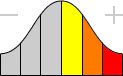
Zinc test metallic/fuzzy/sweet or zinc test tasteless
The oral zinc test has proven to be a useful indicator of body reserves of zinc. Many doctors are doing this test in their offices now in place of a serum zinc test or along with other testing methods.
Counter Indicators
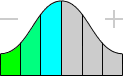
Zinc test slowly/zinc test rapidly objectionable
The oral zinc test has proven to be a useful indicator of body reserves of zinc. Many doctors are doing this test in their offices now in place of a serum zinc test or along with other testing methods.
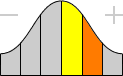
Weak appetite
Sparse head hair
Abnormal tastes in mouth
Sensations of unpleasant tastes are one symptom of zinc deficiency.
Reduced sense of taste or smell
Unpleasant smell sensations
Sensations of unpleasant smells are a symptom of zinc deficiency.
Grooves across fingernails
Deformed toenails
Distorted nails are a common symptom of zinc deficiency.
White spots on fingernails
Hang nails
Inflamed cuticles
Weak sexual desire
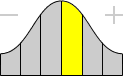
Darker/redder skin color
Darkening of the skin all over the body is a symptom of zinc deficiency.
Being a light sleeper
Conditions that suggest Zinc Requirement
Gluten Sensitivity / Celiac Disease
Mild malabsorption may result in a zinc deficiency.
Cardiomyopathy
Comparing 54 subjects with idiopathic dilated cardiomyopathy, with healthy matched controls, it was found that patients with dilated cardiomyopathy had higher levels of serum copper and lower levels of serum zinc than healthy controls, and no difference in magnesium levels. [Biol Trace Elem Res. 2003;95: pp.11-17]
Poor/Slow Wound Healing
Many studies have demonstrated enhanced wound and ulcer healing with oral zinc supplementation. The healing time of surgical wounds was reduced by 43% with zinc sulfate at 50mg tid. Not surprisingly, zinc deficiency is also associated with impaired wound healing. A study of patients deficient in zinc found that topically applied zinc oxide, but not zinc sulfate, enhanced the regeneration of epithelial tissue on leg ulcers. In addition, inflammation and bacterial growth were both reduced.
1. What is the use of zinc for wound healing? Int J Dermatol 1978;17: pp.568-70
2. Acceleration of healing with zinc sulfate. Ann Surg 1967;165: pp.432-6
3. Studies on zinc in wound healing. Acta Derm Venereol Suppl 1990;154: pp.1-36
Hydrochloric Acid Deficiency
The amino acid histidine, zinc, and vitamin B1 are all needed for hydrochloric acid (HCL) production. If any of these are lacking in the diet or not absorbed properly, this can result in hypochlorhydria. Interestingly, the absorption of histidine and zinc are dependent upon the presence of adequate levels of HCL.
Low Testosterone Level
(This relationship of testosterone levels to zinc status does not apply to women.)
Studies support the use of zinc supplementation in the treatment of low sperm count especially in the presence of low testosterone levels. Both sperm count and testosterone levels rose in men with initially low testosterone levels. Zinc status should be evaluated in men with decreased serum testosterone levels. [Nutrition Report, September-October, 1996;14(7): p.52]
Weakened Immune System
Zinc deficiency weakens the immune system.
Canker Sores (Aphthous Ulcers)
Tissue damaged by canker sores has demonstrated an enhanced recovery rate with adequate zinc intake. Total prevention or reduced frequency also occurs when zinc is supplemented in those with zinc deficiency.
Anorexia / Starvation Tendency
54 women who were hospitalized due to anorexia nervosa randomly received zinc at only 14mg daily or a placebo. The rate of weight gain as measured by the increase in body mass index was significantly greater in the zinc-supplemented group than in the placebo group. [Int J Eat Disord 15: pp.251- 5, 1994]
Tinnitus
High concentrations of zinc are found in the inner ear. A Japanese study tested the theory that insufficient levels of zinc may therefore contribute to tinnitus. Researchers found that tinnitus sufferers with low zinc levels in their blood experienced an improvement in their symptoms when, after two weeks of zinc supplementation, their zinc levels rose significantly.
Another study found that 25% of those with tinnitus and low serum zinc reported improvement after 3 to 6 months of supplementation. [ Am J Otol 1985;6: pp.116-7]
Vitamin A Requirement
A deficiency of protein or zinc can reduce the amount of vitamin A released from the liver.
Night Blindness
Zinc is required in order to transport vitamin A from the liver to the retina and thus zinc supplementation, especially in those who are deficient, should help improve night vision.
Cirrhosis of the Liver
Cirrhosis of the liver may increase the need for zinc or affect how the body absorbs or uses this mineral.
Body Odor
If you have body odor, try taking zinc. Studies have shown that taking 30-50mg daily will dramatically reduce certain body odors, although less may be needed. Zinc may also reduce perspiration and sweaty feet.
Male Hair Loss
See the link between Hair Loss and Manganese.
Female Hair Loss
See the link between Hair Loss and Manganese.
Leukemia, Acute Lymphocytic (ALL)
It was found that the copper to zinc ratio was significantly higher in patients with lymphoma or acute and chronic leukemias compared to control subjects. A person at increased risk of one of these cancers should check blood levels of copper and zinc to rule out abnormalities and make adjustments accordingly. Since zinc and copper are antagonistic, and zinc deficiency is relatively common, supplemental zinc is often used to improve this ratio. Zinc helps block the absorption of copper and acts to remove accumulated copper from the body as well as prevent its accumulation. [Rev. Invest. Clin, Nov-Dec. 1995;47(6): pp.447-52]
Leukemia, Acute Myelogenous (AML)
It was found that the copper to zinc ratio was significantly higher in patients with lymphoma or acute and chronic leukemias compared to control subjects. A person at increased risk of one of these cancers should check blood levels of copper and zinc to rule out abnormalities and make adjustments accordingly. Since zinc and copper are antagonistic, and zinc deficiency is relatively common, supplemental zinc is often used to improve this ratio. Zinc helps block the absorption of copper and acts to remove accumulated copper from the body as well as prevent its accumulation. [Rev. Invest. Clin, Nov-Dec. 1995;47(6): pp.447-52]
Leukemia, Chronic Lymphocytic (CLL)
It was found that the copper to zinc ratio was significantly higher in patients with lymphoma or acute and chronic leukemias compared to control subjects. A person at increased risk of one of these cancers should check blood levels of copper and zinc to rule out abnormalities and make adjustments accordingly. Since zinc and copper are antagonistic, and zinc deficiency is relatively common, supplemental zinc is often used to improve this ratio. Zinc helps block the absorption of copper and acts to remove accumulated copper from the body as well as prevent its accumulation. [Rev. Invest. Clin, Nov-Dec. 1995;47(6): pp.447-52]
Leukemia, Chronic Myelogenous (CML)
It was found that the copper to zinc ratio was significantly higher in patients with lymphoma or acute and chronic leukemias compared to control subjects. A person at increased risk of one of these cancers should check blood levels of copper and zinc to rule out abnormalities and make adjustments accordingly. Since zinc and copper are antagonistic, and zinc deficiency is relatively common, supplemental zinc is often used to improve this ratio. Zinc helps block the absorption of copper and acts to remove accumulated copper from the body as well as prevent its accumulation. [Rev. Invest. Clin, Nov-Dec. 1995;47(6): pp.447-52]
Male Infertility (Low Sperm Count)
Zinc increases sperm count and motility as well as raising testosterone levels when low.
Risk factors for Zinc Requirement
Alcohol-related Problems
Zinc deficiency is frequently associated with alcoholism, due to a lower intake of food.
(Severe) Perthes disease
Zinc, Manganese and vitamin B6 have been helpful in treating osteochondrosis (Leg-hip Perthes disease). This might suggest an ongoing requirement.
A Vegan Diet
Vegetarians who consume a variety of legumes and nuts will probably meet their zinc requirement, but otherwise a vegetarian diet may be inadequate in zinc. Since the zinc from plant sources is absorbed less readily, this increases the concern about zinc status in vegetarians who do not consume legumes and nuts.
Diarrhea
Diarrhea causes a loss of zinc and therefore digestive diseases or gastrointestinal surgery that result in diarrhea are often associated with a deficiency.
Atrophic Gastritis
Those with atrophic gastritis, vagotomy or gastric resection may be at increased risk for zinc deficiency.
Stress
Levels of zinc and other trace minerals were determined in 66 men before and after a five-day period of sustained physical and psychological stress. Zinc levels decreased by 33% on average.
Pyroluria
Pyroluria is caused by an overproduction of kryptopyrrole during hemoglobin synthesis, which chemically combines with vitamin B6 and zinc, resulting in their excretion and a deficiency of both of these essential nutrients.
Rheumatoid Arthritis
There is a possibility that zinc malabsorption may contribute to low zinc levels amongst rheumatoid arthritics. [J Rheumatol. 1997;24(4): pp.643-646] While levels of zinc have been found to be lower than normal in the blood of patients with rheumatoid arthritis, supplementation does not appear to be beneficial to the condition.
(Past) iron supplementation
(Past) H2-blocker antacid use
By reducing stomach acid levels, H2 blockers might interfere with the absorption of iron, zinc and perhaps other minerals. Gastric acid secretion plays an important role in the regulation of zinc absorption in men. Drugs that keep stomach pH values of 3 or greater for at least 24 hours may predispose individuals to zinc deficiency.
(Past) non-human estrogen use
Diuretic use
(Past) prednisone use
(Past) calcium-based antacid use
PPI antacid use
Gastric acid secretion plays an important role in the regulation of zinc absorption in men. Drugs that keep stomach pH values of 3 or greater for at least 24 hours may predispose individuals to zinc deficiency.
Copper supplementation
Current birth control pill use
Taking calcium supplement
History of birth control pill use
Counter Indicators
(Past) multiple mineral supplement use
(Major) zinc supplementation
(High) coffee consumption
Research has shown that drinking coffee causes a significant loss of several vitamins and minerals, including vitamins B and C, calcium, iron, and zinc.
Moderate/high alcohol consumption
History of deformed toenails
Distorted nails are a common symptom of zinc deficiency.
Frequent orgasm
History of adolescent acne
Adolescent males have been found to have lower zinc levels than any other age group.
History of adult acne
Motherhood Issues
If zinc intake is chronically low, breastfeeding further increases the risk of zinc deficiency in the mother due to the greater need for zinc during lactation.
Zinc Requirement suggests the following may be present
Alcohol-related Problems
Zinc deficiency is frequently associated with alcoholism, due to a lower intake of food.
Diarrhea
Diarrhea causes a loss of zinc and therefore digestive diseases or gastrointestinal surgery that result in diarrhea are often associated with a deficiency.
Pyroluria
Pyroluria is caused by an overproduction of kryptopyrrole during hemoglobin synthesis, which chemically combines with vitamin B6 and zinc, resulting in their excretion and a deficiency of both of these essential nutrients.
Zinc Requirement can lead to
Cardiomyopathy
Comparing 54 subjects with idiopathic dilated cardiomyopathy, with healthy matched controls, it was found that patients with dilated cardiomyopathy had higher levels of serum copper and lower levels of serum zinc than healthy controls, and no difference in magnesium levels. [Biol Trace Elem Res. 2003;95: pp.11-17]
Recommendations for Zinc Requirement

Caffeine/Coffee Avoidance
Research has shown that drinking coffee causes a significant loss of several vitamins and minerals, including vitamins B and C, calcium, iron, and zinc.


Copper
Because of copper’s antagonism to zinc, copper should be avoided while restoring zinc levels.
Key
| Weak or unproven link |
| Strong or generally accepted link |
| Proven definite or direct link |
| Strongly counter-indicative |
| Very strongly or absolutely counter-indicative |
| Likely to help |
| Highly recommended |
| May have adverse consequences |
Glossary
Zinc
An essential trace mineral. The functions of zinc are enzymatic. There are over 70 metalloenzymes known to require zinc for their functions. The main biochemicals in which zinc has been found to be necessary include: enzymes and enzymatic function, protein synthesis and carbohydrate metabolism. Zinc is a constituent of insulin and male reproductive fluid. Zinc is necessary for the proper metabolism of alcohol, to get rid of the lactic acid that builds up in working muscles and to transfer it to the lungs. Zinc is involved in the health of the immune system, assists vitamin A utilization and is involved in the formation of bone and teeth.
Copper
An essential mineral that is a component of several important enzymes in the body and is essential to good health. Copper is found in all body tissues. Copper deficiency leads to a variety of abnormalities, including anemia, skeletal defects, degeneration of the nervous system, reproductive failure, pronounced cardiovascular lesions, elevated blood cholesterol, impaired immunity and defects in the pigmentation and structure of hair. Copper is involved in iron incorporation into hemoglobin. It is also involved with vitamin C in the formation of collagen and the proper functioning in central nervous system. More than a dozen enzymes have been found to contain copper. The best studied are superoxide dismutase (SOD), cytochrome C oxidase, catalase, dopamine hydroxylase, uricase, tryptophan dioxygenase, lecithinase and other monoamine and diamine oxidases.
Serum
The cell-free fluid of the bloodstream. It appears in a test tube after the blood clots and is often used in expressions relating to the levels of certain compounds in the blood stream.
Polyp
A usually nonmalignant growth or tumor protruding from the mucous lining of an organ such as the nose, bladder or intestine, often causing obstruction.
Idiopathic
Arising spontaneously or from an obscure or unknown cause.
Magnesium
An essential mineral. The chief function of magnesium is to activate certain enzymes, especially those related to carbohydrate metabolism. Another role is to maintain the electrical potential across nerve and muscle membranes. It is essential for proper heartbeat and nerve transmission. Magnesium controls many cellular functions. It is involved in protein formation, DNA production and function and in the storage and release of energy in ATP. Magnesium is closely related to calcium and phosphorus in body function. The average adult body contains approximately one ounce of magnesium. It is the fifth mineral in abundance within the body--behind calcium, phosphorus, potassium and sodium. Although about 70 percent of the body's magnesium is contained in the teeth and bones, its most important functions are carried out by the remainder which is present in the cells of the soft tissues and in the fluid surrounding those cells.
Ulcer
Lesion on the skin or mucous membrane.
Milligram
(mg): 1/1,000 of a gram by weight.
TID
Three times a day.
Amino Acid
An organic acid containing nitrogen chemical building blocks that aid in the production of protein in the body. Eight of the twenty-two known amino acids are considered "essential," and must be obtained from dietary sources because the body can not synthesize them.
Histidine
An amino acid. Precursor to histamine, a vasodilator and gastric juice stimulant. Has been used as a therapeutic aid for arthritis.
Thiamine
(Vitamin B-1): A B-complex vitamin that acts as a coenzyme necessary for the conversion of carbohydrates into glucose, which is burned in the body for energy. It is essential for the functioning of the nervous system.
Hydrochloric Acid
(HCl): An inorganic acidic compound, excreted by the stomach, that aids in digestion.
Hypochlorhydria
The condition of having low hydrochloric acid levels in the stomach, often the cause of digestive disorders.
Testosterone
The principal male sex hormone that induces and maintains the changes that take place in males at puberty. In men, the testicles continue to produce testosterone throughout life, though there is some decline with age. A naturally occurring androgenic hormone.
Immune System
A complex that protects the body from disease organisms and other foreign bodies. The system includes the humoral immune response and the cell-mediated response. The immune system also protects the body from invasion by making local barriers and inflammation.
Canker Sores
Also known as Aphthous Ulcers, these are small, painful ulcers that occur on the inside of the cheek, lip or underside of the tongue. Caused by an assortment of viruses, doctors call this condition aphthous stomatitis. Canker sores usually clear up by themselves within a week or so, but they often recur, sometimes in the form of multiple sores.
Anorexia Nervosa
An eating disorder characterized by excess control - a morbid fear of obesity leads the sufferer to try and limit or reduce their weight by excessive dieting, exercising, vomiting, purging and use of diuretics. Sufferers are typically more than 15% below the average weight for their height/sex/age and typically have amenorrhea (if female) or low libido (if male). 1-2% of female teenagers are anorexic.
Placebo
A pharmacologically inactive substance. Often used to compare clinical responses against the effects of pharmacologically active substances in experiments.
Tinnitus
A sensation of noise (ringing or roaring) that is caused by a bodily condition and can usually only be heard by the person affected.
Protein
Compounds composed of hydrogen, oxygen, and nitrogen present in the body and in foods that form complex combinations of amino acids. Protein is essential for life and is used for growth and repair. Foods that supply the body with protein include animal products, grains, legumes, and vegetables. Proteins from animal sources contain the essential amino acids. Proteins are changed to amino acids in the body.
Vitamin A
A fat-soluble vitamin essential to one's health. Plays an important part in the growth and repair of body tissue, protects epithelial tissue, helps maintain the skin and is necessary for night vision. It is also necessary for normal growth and formation of bones and teeth. For Vitamin A only, 1mg translates to 833 IU.
Retina
A 10-layered, frail nervous tissue membrane of the eye, parallel with the optic nerve. It receives images of outer objects and carries sight signals through the optic nerve to the brain.
Cirrhosis
A long-term disease in which the liver becomes covered with fiber-like tissue. This causes the liver tissue to break down and become filled with fat. All functions of the liver then decrease, including the production of glucose, processing drugs and alcohol, and vitamin absorption. Stomach and bowel function, and the making of hormones are also affected.
Mineral
Plays a vital role in regulating many body functions. They act as catalysts in nerve response, muscle contraction and the metabolism of nutrients in foods. They regulate electrolyte balance and hormonal production, and they strengthen skeletal structures.
Manganese
An essential mineral found in trace amounts in tissues of the body. Adults normally contain an average of 10 to 20mg of manganese in their bodies, most of which is contained in bone, the liver and the kidneys. Manganese is essential to several critical enzymes necessary for energy production, bone and blood formation, nerve function and protein metabolism. It is involved in the metabolism of fats and glucose, the production of cholesterol and it allows the body to use thiamine and Vitamin E. It is also involved in the building and degrading of proteins and nucleic acid, biogenic amine metabolism, which involves the transmitting of nerve impulses.
Lymphoma
Any tumor of the lymphatic tissues.
Acute
An illness or symptom of sudden onset, which generally has a short duration.
Chronic
Usually Chronic illness: Illness extending over a long period of time.
Motility
Capacity for spontaneous movement, frequently in reference to the intestine.
Vitamin B6
Influences many body functions including regulating blood glucose levels, manufacturing hemoglobin and aiding the utilization of protein, carbohydrates and fats. It also aids in the function of the nervous system.
Osteochondrosis
The osteochondroses, also called Epiphyseal Ischemic Necrosis, are a relatively common group of orthopedic disorders of children, which are poorly understood. In an osteochondrosis, the epiphysis (growing end) of a bone dies and then is gradually replaced over a period of years, resulting in abnormal bone growth and deformity. The immediate cause of bone death is loss of blood supply, but why this occurs remains unclear.
Perthes Disease
Also known as Legg-Calvé-Perthes Disease (capital femoral epiphysis). The most common osteochondrosis, which occurs in the head of the thighbone, which dies and is then gradually replaced over a period of years. It occurs in youngsters aged 3-13 and is much more frequent in boys than in girls. Persistent pain is the most prominent symptom. Uncorrected severe cases lead to arrest of growth, deformity, and arthritic changes in the hip joint.
Diarrhea
Excessive discharge of contents of bowel.
Gastrointestinal
Pertaining to the stomach, small and large intestines, colon, rectum, liver, pancreas, and gallbladder.
Atrophic Gastritis
Chronic inflammation of the stomach that causes the breakdown of the mucous membranes and a reduction in the number of functioning stomach cells. Seen mainly in the elderly.
Pyroluria
This condition is caused by an overproduction during hemoglobin synthesis of kryptopyrrole, which chemically combines with vitamin B6 and zinc, resulting in their excretion and a severe deficiency of both of these essential nutrients. Most pyroluric individuals never develop schizophrenia symptoms.
Hemoglobin
The oxygen-carrying protein of the blood found in red blood cells.
Rheumatism
General term applied to conditions of pain, or inability to articulate, various elements of the musculoskeletal system.
Rheumatoid Arthritis
A long-term, destructive connective tissue disease that results from the body rejecting its own tissue cells (autoimmune reaction).
Stomach
A hollow, muscular, J-shaped pouch located in the upper part of the abdomen to the left of the midline. The upper end (fundus) is large and dome-shaped; the area just below the fundus is called the body of the stomach. The fundus and the body are often referred to as the cardiac portion of the stomach. The lower (pyloric) portion curves downward and to the right and includes the antrum and the pylorus. The function of the stomach is to begin digestion by physically breaking down food received from the esophagus. The tissues of the stomach wall are composed of three types of muscle fibers: circular, longitudinal and oblique. These fibers create structural elasticity and contractibility, both of which are needed for digestion. The stomach mucosa contains cells which secrete hydrochloric acid and this in turn activates the other gastric enzymes pepsin and rennin. To protect itself from being destroyed by its own enzymes, the stomach’s mucous lining must constantly regenerate itself.
H2 Blockers
Medications in this family sharply decrease stomach acid production. They are widely used for the treatment of ulcers as well as for mild cases of esophageal reflux (heartburn). Drugs that fall into this family include cimetidine (Tagamet, Tagamet HB); famotidine (Pepcid, Pepcid AC, Pepcid RPD); nizatidine (Axid, Axid AR); ranitidine hydrochloride (Zantac, Zantac EFFERdose, Zantac GELdose, Zantac 75).
Iron
An essential mineral. Prevents anemia: as a constituent of hemoglobin, transports oxygen throughout the body. Virtually all of the oxygen used by cells in the life process are brought to the cells by the hemoglobin of red blood cells. Iron is a small but most vital, component of the hemoglobin in 20,000 billion red blood cells, of which 115 million are formed every minute. Heme iron (from meat) is absorbed 10 times more readily than the ferrous or ferric form.
pH
A measure of an environment's acidity or alkalinity. The more acidic the solution, the lower the pH. For example, a pH of 1 is very acidic; a pH of 7 is neutral; a pH of 14 is very alkaline.
Calcium
The body's most abundant mineral. Its primary function is to help build and maintain bones and teeth. Calcium is also important to heart health, nerves, muscles and skin. Calcium helps control blood acid-alkaline balance, plays a role in cell division, muscle growth and iron utilization, activates certain enzymes, and helps transport nutrients through cell membranes. Calcium also forms a cellular cement called ground substance that helps hold cells and tissues together.
Lactation
Production of milk; period after giving birth during which milk is secreted in the breasts.