Irreversible and unexpected, heart failure is the leading cause of death in Western countries. Coronary artery disease (heart attack) is the number one killer in the United States, yet it barely existed before 1900. A sampling of older cardiologists still working in the 1950s could not recall a case prior to 1910.
Most people are unaware of this and do not readily believe it. It is not a highly publicized fact, possibly because it glaringly reminds us of the cause: the way we now live, principally the westernization of diet (the consumption of commercially processed foods). Some take a position that people were more active then, and we are more sedentary now. This is true, but should not be used as an excuse to continue eating what we prefer, instead of what we should.
Before 1920 coronary heart disease was so rare that when a young internist named Paul Dudley White introduced the German electrocardiograph to his colleagues at Harvard University they advised him to concentrate on a more profitable branch of medicine. The new machine revealed the presence of arterial blockages, thus permitting early diagnosis of coronary heart disease. But in those days clogged arteries were a medical rarity, and White had to search for patients who could benefit from his new technology.
The high prevalence of cardiovascular disease (CVD) is a major health concern for both health authorities and the general population. It is a leading cause of death and results in a considerable burden, in terms of illness, disability and economic costs. Although mortality due to CVD is declining due to advances in prevention and treatment, the risk of developing CVD continues to be a concern due to the significant prevalence of modifiable risk factors such as cigarette smoking, high blood pressure, high blood cholesterol levels, poor diet, obesity and limited physical activity. Many other risk factors can be reduced once they have been tested for. Laboratory testing is now going far beyond total cholesterol (HCL and LDL ratios) and triglycerides. Anyone with an elevated risk of heart disease should do specific testing to assess their risk and make the necessary changes. Such tests include hs-CRP, lipoprotein(a), homocysteine and fibrinogen among others.
There is a general misconception that CVD affects only men, leading women to believe that they are not at risk. Although CVD is more prevalent in men, it is not a gender-specific health problem. Between 40 and 59 years of age, as many as 1 in 12 women display clinical evidence of heart disease. This prevalence rises to 1 in 3 among women older than 65.
Holistic/alternative doctors are now talking about and distinguishing between two types of plaque. Type 1 is commonly associated with artery obstruction (though it is more stable and new collateral circulation develops). Type 2 causes only minimal occlusion. Unexpectedly, Type 2 appears to be responsible for as much as 80% of heart disease and strokes. This type of plaque, though not blocking the blood flow is dangerous because it has a looser fibrin coat, and a tendency to be more reactive. The treatment goal is to make it less reactive, to in effect turn it from Velcro to Teflon.
Coronary artery bypass surgery is one of the most widely performed and often unnecessary surgeries in the United States. While the surgery does increase long-term survival of those with the most severe forms (left main coronary artery occlusion and three-vessel disease) and gives relief of symptoms for 85%, the long-term results actually indicate a reduced survival rate for those with mild to moderate coronary artery disease and a return of symptoms within five years. Complications arising from coronary bypass operations are common, as this surgery represents one of the most technically difficult procedures in modem medicine.
The much maligned saturated fats which many Americans are trying to avoid are not the cause of modern diseases and should be considered beneficial for health. Saturated fatty acids constitute a high percentage of the fats in cell membranes, providing necessary stiffness and integrity. For calcium to be effectively incorporated into the skeletal structure, at least 50% of the dietary fats should be saturated. They also lower Lp(a), a substance in the blood that indicates proneness to heart disease. They protect the liver from alcohol and other toxins, such as Tylenol. They enhance the immune system.
They are needed for the proper utilization of essential fatty acids as omega-3 fatty acids are better retained in the tissues when the diet is rich in saturated fats. The evidence does not support the assertion that saturated fats cause heart disease.
Signs, symptoms & indicators of Increased Risk of Coronary Disease / Heart Attack
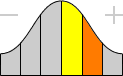
Rapid pulse rate
Heart rate is a stronger predictor of cardiovascular death in the elderly, particularly in men, than traditional risk factors such as diabetes and hypertension. Elderly men with a pulse rate above 80 beats per minute have a significantly higher rate of cardiovascular mortality. A low heart rate, below 64 beats per minute, is protective against cardiovascular mortality.
Counter Indicators
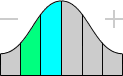
Slowed pulse rate
Heart rate is a stronger predictor of cardiovascular death in the elderly, particularly in men, than traditional risk factors such as diabetes and hypertension. Elderly men with a pulse rate above 80 beats per minute have a significantly higher rate of cardiovascular mortality. A low heart rate, below 64 beats per minute, is protective against cardiovascular mortality.
Pain in chest or left side
Counter Indicators
Asbsence of chest or left sided pain
Very slow caffeine metabolizer
Caffeine may escalate the risk of heart attacks in some coffee drinkers, but lower the risk in others, based on the presence of genes that govern whether the body processes the stimulant slowly or quickly.
The discovery, published in the Journal of the American Medical Association (March 6, 2006) brings drinking a cup of coffee into the age of genomics, adding context to previous studies that have not clearly defined how coffee can harm or benefit the heart.
Canadian and American researchers, who for a decade studied more than 4,000 coffee drinkers in Costa Rica, found that people essentially are divided into one of two genetic camps: slow or fast metabolizers of caffeine. Slow metabolizers possess a variant gene dubbed CYP1A2-1F. Fast metabolizers, researchers say, possess one called CYP1A2.
Coffee drinkers who slowly broke down the compound, and who consumed two or more cups of coffee daily, were about 36% more likely to have a nonfatal heart attack than those who consumed little or none of the brew. Even greater risks for heart attack were discovered among slow metabolizers younger than 50. Researchers found they were four times as likely to have a heart attack than slow metabolizers their age who drank little or no coffee.
For fast metabolizers, the opposite effects were found. Regardless of age, their risk for heart attack was substantially lower.
Diagonal creases on earlobes
The presence of a diagonal earlobe crease has been recognized as a sign of cardiovascular disease since 1973. Over 30 subsequent studies have been reported in the medical literature, with the largest involving 1,000 unselected patients. The earlobe is richly supplied with blood, and a decrease in flow over an extended period of time is believed to result in collapse of the vascular bed, leading to a diagonal crease.
It appears that individuals with an earlobe crease have a 55% greater risk of dying from heart disease than those without the marking, with the risk becoming even more significant if diagonal creases appear on both earlobes. However, this predictive value does not apply to Orientals, Native Americans, or persons born with certain hereditary disorders.
Impatient/hostile disposition
People who are highly anger-prone are nearly three times more likely to have heart attacks according to a study in the May 2, 2000 issue of Circulation. The study adds to previous research showing a link to heart health and other emotions, such as depression and hostility.
Sudden shortness of breath or air hunger
Conditions that suggest Increased Risk of Coronary Disease / Heart Attack
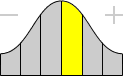
Hypoalbuminemia (A low albumin level)
Declining albumin also indicates an increased risk of heart disease. A long-term British heart study found that a low albumin level was a good predictor of heart disease. Another study stated that the odds of suffering from coronary artery disease doubled when the albumin level fell to 4.4 (this is well within what is considered the “normal” range).
Recent onset/medium-term/long-term hypertension
While systolic blood pressure is a better predictor of cardiovascular events than diastolic blood pressure or pulse pressure, all three measures are strongly and directly related to the risk of coronary and cerebrovascular events. [Archives of Internal Medicine, 2001; 161: pp.1183-1192]
Minimal sitting or doesn't sit
Please see the link between sitting and Diabetes.
Sleep Apnea
Obstructive sleep apnea is a significant risk factor for myocardial infarction.
Male Hair Loss
A Harvard study found that male-pattern baldness may be a marker for increased risk of coronary heart disease. Severe hair lose on the top of head resulted in a 36% increased risk. The risk became lower with less hair loss. [Archives of Internal Medicine, Jan. 24, 2001]
Risk factors for Increased Risk of Coronary Disease / Heart Attack
Current Smoker
According to a report from the U.S. Surgeon General, “Cigarette smoking should be considered the most important risk factor for coronary heart disease.” Statistical evidence reveals a three- to five-fold increase in the risk of coronary artery disease in smokers compared to nonsmokers. The more cigarettes smoked and the longer the period a person has smoked, the greater the risk of dying from a heart attack or stroke. However, when a woman stops smoking, no matter how long or how much she smoked, her risk of heart disease drops by 50% in the first year alone. Similar benefits would be expected for a man.
Salt Sensitivity
People who experience a jump in blood pressure when they consume salt are at increased risk of dying from heart disease. Even salt-sensitive individuals with normal blood pressure are at risk, as blood pressure eventually rises. [Hypertension (supp), Feb. 16, 2001] Hypertension and salt sensitivity are independent risk factors for cardiovascular disease.
Heart attack(s) in mother
Heart attack(s) in father
Low Testosterone Level
Researchers at Columbia University Medical School studied 55 men undergoing X-ray exams of their arteries and found that those with a lower testosterone level had higher degrees of heart disease (blockage of the coronary arteries). This study also found that the protective HDL cholesterol levels were higher in men with higher testosterone levels.
Low testosterone is linked to hypertension, obesity, atherosclerosis and increased waist-to-hip ratio – all of these being heart attack risk factors. Administration of testosterone to men has been reported to decrease the risk factors for heart attack.
This connection with heart disease was confirmed in a subsequent study in men with low levels of free testosterone. [Metabolism. 2004 March;53(3): pp.324-9]
Elevated Homocysteine Levels
Elevated homocysteine levels are believed to exacerbate oxidative injury to blood vessels and increase pro-clotting mechanisms linked to stroke and heart attack.
Elevated Triglycerides
There are a group of studies clearly indicating that elevated triglycerides combined with low HDL (two abnormalities known to be caused by high insulin) are much more predictive of cardiovascular disease than elevated total cholesterol or elevated LDL levels.
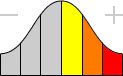
(Mildly/history of) elevated CK
(History of/moderately) elevated CK
(Highly) elevated CRP level
People with elevated CRP seemed to have or develop more coronary calcium, even after adjusting for age, traditional risk factors and Framingham risk score. It has been known that inflammation plays a role in coronary artery disease but the direct link between the level of this marker of inflammation and the actual presence of calcium in the coronary arteries is a new finding. [Amer. Heart Assoc. Journal Report 08/15/2002]
(Very) low HDL level
See the link between Heart Attack and low free testosterone levels.
However, very elevated HDL cholesterol is a risk factor for ischemic heart disease in white women when caused by a common mutation in the cholesteryl ester transfer protein gene. [Circulation 2000 Apr 25;101(16): pp.1907-12]
(Borderline) high LDL
Counter Indicators
Normal CRP level
People with elevated CRP seemed to have or develop more coronary calcium, even after adjusting for age, traditional risk factors and Framingham risk score. It has been known that inflammation plays a role in coronary artery disease but the direct link between the level of this marker of inflammation and the actual presence of calcium in the coronary arteries is a new finding. [Amer. Heart Assoc. Journal Report 08/15/2002]
Optimal (?) LDL
Excellent HDL level
See the link between Heart Attack and low free testosterone levels.
However, very elevated HDL cholesterol is a risk factor for ischemic heart disease in white women when caused by a common mutation in the cholesteryl ester transfer protein gene. [Circulation 2000 Apr 25;101(16): pp.1907-12]
Sitting way/sitting too much or average sitting
Please see the link between sitting and Diabetes.
Birth Control Pill / Contraceptive Issues
A British study sounds an alarm for some women who use the injectable contraceptive Depo-Provera. The alert applies only to women at increased risk of cardiovascular disease because of a risk factor such as diabetes, high cholesterol or a family history of heart disease, says Dr. Dudley J. Pennell, leader of the study. A warning is needed because the study shows that Depo-Provera can reduce the ability of arteries to widen, so that they might not respond to a need for increased blood flow. That failure could result in a blockage that would cause a heart attack. His study contradicts the conventional wisdom that Depo-Provera is safer than other contraceptives for women at increased risk of heart disease. [Circulation, Sept. 3, 2002]
The combined effect of smoking and using birth control pills presents a significantly increased risk of suffering a fatal heart attack for women. Research demonstrates a 500% increase in the risk of a fatal heart attack when smoking is added to the risks associated with oral contraceptives alone.
Anxiety
Using a standard measure of neuroticism, Purdue University psychologist Daniel Mroczek tracked more than 1600 men over 12 years, recording not only how neurotic they were at the start but also whether they got more or less neurotic over time. He also looked at mortality risk for these same men over an 18-year span. As reported in the May issue of Psychological Science (2006?), those who increased over time in neuroticism was a ticket to an early grave. In other words, these men-all middle age or older to begin with-did not grow old gracefully. They likely got more and more stressed, worried or fretful, and this downward spiral increased their risk for dying, mostly from cancer and heart disease.
The good news is that men with a fretful temperament, if they managed for whatever reason to calm down a bit over time, had survival rates similar to those of emotionally stable men.
Depression
While previous research has shown that depression in men and women is linked to heart disease, a recent study found that only men who are depressed face an increased risk of heart disease-related death. [Archives of Internal Medicine, May 8, 2000)]
Problem Caused By Being Overweight
Even if you never become diabetic, high levels of insulin contribute to cardiovascular risk by increasing the process of atherosclerosis. Insulin increases the rate at which cholesterol-laden plaque builds up on arterial walls. The abnormally high levels of insulin produced by all overweight individuals, diabetic or not, is an independent risk factor for early cardiac death.
Anorexia / Starvation Tendency
Being severely underweight can cause heart failure.
Hemochromatosis (Iron overload)
Male carriers of the common hemochromatosis gene mutation are at 2-fold risk of a first heart attack compared with noncarriers. Some 10% to 20% of the population carry at least one gene for hemochromatosis. Full-blown hemochromatosis affects about 0.5% and gene carriers usually do not know that they are at increased risk. They have almost no increase in iron stores over those without the mutation [Circulation: Journal of the American Heart Association September 21, 1999;100].
Giving blood is the best way to lower iron stores, but a more recent study found no protective effect against heart attack among men who donated blood regularly. [Circulation January 2, 2001]
Gout / Hyperuricemia
Elevated uric acid levels, as seen in gout, may be associated with a higher incidence of coronary heart disease amongst alcohol abstainers, but has not been seen to occur in those who were light, moderate or heavy drinkers. [ Journal of Clinical Epidemiology,1996;49(6) pp.673-678]
In evaluating 5,926 subjects who were between 25 and 74 years of age, after 16.4 years of follow-up, there were 1,593 deaths of which 45.9% were attributed to cardiovascular disease. It was found that increased serum uric acid levels were independently and significantly associated with the risk of cardiovascular mortality. [JAMA, May 10, 2000;283(18): pp.2404-2410]
Restless Leg Syndrome (RLS) / Periodic Limb Movement Disorder (PLMD)
People with restless legs syndrome (RLS), especially the elderly, may be at an increased risk of developing cardiovascular disease, according to a study published in the April 10, 2007, issue of Neurology®, the scientific journal of the American Academy of Neurology.
For the study, conducted at the University of Montreal’s Sacré-Coeur Hospital, ten people with untreated RLS spent the night in a sleep laboratory, where researchers monitored periodic leg movements and blood pressure changes. RLS is a neurological disorder in which people have a strong urge to move their legs. Symptoms such as periodic leg movements are typically most severe at night when the legs are resting and can occur every 20 to 40 seconds, increasing blood pressure.
The study found blood pressure rates during periodic leg movements rose by an average of 20 points for the systolic reading, which is the top or first number, and by an average of 11 points for the diastolic reading, which is the bottom or second number.
“This repetitive rise in blood pressure during periodic leg movements could be harmful to the cardiovascular system, especially in severe cases of RLS, the elderly, and those with a long history of the disease,” said the study’s lead author Paola Lanfranchi, MD, MSc, with the Université de Montréal in Quebec, Canada. “Past studies have shown that significant blood pressure changes, as shown in our study, are associated with the development of vascular and heart damage. Furthermore, drastic blood pressure surges at night have been associated with a higher rate of stroke in the elderly.”
In addition, the study found blood pressure changes increased the most with age and those with a longer history of the disease.
Antioxidant Need/Oxidative Stress w/ Supplements
While several factors are believed to promote atherosclerosis, a growing body of evidence suggests a critical step in its development is the oxidation of low-density lipoprotein (LDL) within the arterial wall. This theory is supported by several epidemiological studies which link low intakes of dietary antioxidants to an increased frequency of heart disease [Clin Cardiol 1993;16(suppl I): pp.1-10).]. Additionally, an inverse relationship between heart disease and plasma antioxidant levels has been reported [Am J Clin Nutr 1987;32: pp.511-512]. It has been estimated that dietary increases in antioxidant vitamins may reduce the risk of heart disease by 20-30%.
Antioxidant Need/Oxidative Stress w/o Supplements
While several factors are believed to promote atherosclerosis, a growing body of evidence suggests a critical step in its development is the oxidation of low-density lipoprotein (LDL) within the arterial wall. This theory is supported by several epidemiological studies which link low intakes of dietary antioxidants to an increased frequency of heart disease [Clin Cardiol 1993;16(suppl I): pp.1-10).]. Additionally, an inverse relationship between heart disease and plasma antioxidant levels has been reported [Am J Clin Nutr 1987;32: pp.511-512]. It has been estimated that dietary increases in antioxidant vitamins may reduce the risk of heart disease by 20-30%.
EFA (Essential Fatty Acid) Type 3 Requirement
Many studies have shown that higher omega-3 fatty acid intake can cut the rate of sudden cardiac death by nearly one-half, in both apparently healthy patients and those who have suffered a previous heart attack.
To better understand this protective effect, Danish researchers examined the dietary patterns and individual fatty acid status of nearly 300 patients with ischemic heart disease, comparing them with specific parameters of cardiac function. They found that the patients who ate more fish had higher levels of omega-3 polyunsaturated fats in their blood cell membranes and in their fat cells. A higher level of two specific fatty acids, docosahexaenoic acid (DHA) and eicosapentaenoic acid (EPA) – especially within the cell membrane – was associated with higher heart rate variability in the patients. An increased heart rate variability indicates healthier pulse regulation, and appears to significantly reduce the risk of arrhythmia and cardiac death.
African ethnicity
African-Americans have higher rates of diabetes, prostate cancer, hypertension and coronary heart disease than whites.
(Past) non-human estrogen use
Because estrogen taken alone has been shown to cause cancer of the endometrium (the glandular membrane that lines the
uterus), many doctors consider estrogen therapy to be relatively safe for women who have had a hysterectomy. For women who still have their uteruses, progestin is added to the estrogen to prevent endometrial cancer. This combined HRT is the therapy that was being used in the 2002 WHI study that was abruptly halted when it became clear that the two drugs combined caused an increased risk of breast cancer and heart disease.
Progestin use
Because estrogen taken alone has been shown to cause cancer of the endometrium (the glandular membrane that lines the
uterus), many doctors consider estrogen therapy to be relatively safe for women who have had a hysterectomy. For women who still have their uteruses, progestin is added to the estrogen to prevent endometrial cancer. This combined HRT is the therapy that was being used in the 2002 WHI study that was abruptly halted when it became clear that the two drugs combined caused an increased risk of breast cancer and heart disease.
Current birth control pill use
Statistics now show that the wide use of the Pill has given rise to health hazards such as breast cancer, high blood pressure and cardiovascular disease that were previously unrecognized.
History of birth control pill use
Counter Indicators
Magnesium supplementation
(Recent) history of EDTA chelation or currently receiving EDTA chelation
History of/history of severe heart attack or history of heart attacks
Slow caffeine metabolizer
Caffeine may escalate the risk of heart attacks in some coffee drinkers, but lower the risk in others, based on the presence of genes that govern whether the body processes the stimulant slowly or quickly.
The discovery, published in the Journal of the American Medical Association (March 6, 2006) brings drinking a cup of coffee into the age of genomics, adding context to previous studies that have not clearly defined how coffee can harm or benefit the heart.
Canadian and American researchers, who for a decade studied more than 4,000 coffee drinkers in Costa Rica, found that people essentially are divided into one of two genetic camps: slow or fast metabolizers of caffeine. Slow metabolizers possess a variant gene dubbed CYP1A2-1F. Fast metabolizers, researchers say, possess one called CYP1A2.
Coffee drinkers who slowly broke down the compound, and who consumed two or more cups of coffee daily, were about 36% more likely to have a nonfatal heart attack than those who consumed little or none of the brew. Even greater risks for heart attack were discovered among slow metabolizers younger than 50. Researchers found they were four times as likely to have a heart attack than slow metabolizers their age who drank little or no coffee.
For fast metabolizers, the opposite effects were found. Regardless of age, their risk for heart attack was substantially lower.
Counter Indicators
Low/moderate alcohol consumption
Drinking in moderation has been linked with a lower risk of having a fatal heart attack. Journal of the American Medical Association April 18, 2001; 285: pp.1965-1977
(Very) rapid caffeine metabolizer
Caffeine may escalate the risk of heart attacks in some coffee drinkers, but lower the risk in others, based on the presence of genes that govern whether the body processes the stimulant slowly or quickly.
The discovery, published in the Journal of the American Medical Association (March 6, 2006) brings drinking a cup of coffee into the age of genomics, adding context to previous studies that have not clearly defined how coffee can harm or benefit the heart.
Canadian and American researchers, who for a decade studied more than 4,000 coffee drinkers in Costa Rica, found that people essentially are divided into one of two genetic camps: slow or fast metabolizers of caffeine. Slow metabolizers possess a variant gene dubbed CYP1A2-1F. Fast metabolizers, researchers say, possess one called CYP1A2.
Coffee drinkers who slowly broke down the compound, and who consumed two or more cups of coffee daily, were about 36% more likely to have a nonfatal heart attack than those who consumed little or none of the brew. Even greater risks for heart attack were discovered among slow metabolizers younger than 50. Researchers found they were four times as likely to have a heart attack than slow metabolizers their age who drank little or no coffee.
For fast metabolizers, the opposite effects were found. Regardless of age, their risk for heart attack was substantially lower.
(High) hydrogenated fat consumption
High consumption of trans fat, found mainly in partially hydrogenated vegetable oils and widely used by the food industry, has been linked to an increased risk of coronary heart disease (CHD). New York and Philadelphia have passed measures eliminating its use in restaurants, and other cities are considering similar bans. A new study from the Harvard School of Public Health (HSPH) provides the strongest association to date between trans fat and heart disease. It found that women in the U.S. with the highest levels of trans fat in their blood had three times the risk of CHD as those with the lowest levels. The study was published online on March 26, 2007, and will appear in the April 10, 2007 print issue of Circulation: Journal of the American Heart Association.
Avoiding oats or occasional oat use
Counter Indicators
High/moderate fruit/vegetable consumption
Frequent/daily oat use
High/moderate cold water fish consumption
Apple-shaped body when overweight or having abdominal fat
Polycystic Ovary Syndrome (PCOS)
Women with the PCOS have a five to seven times higher risk of myocardial infarction and ischemic heart disease than other women. Surprisingly, the increased risk was found to be independent of obesity, supporting the argument that insulin resistance alone is important in determining cardiovascular risk. [Fertil Steril 2000;73(1): pp.150-156, J Clin Endocrinol Metab 1999;84(6): pp.1897-1899]
Increased Risk of Coronary Disease / Heart Attack suggests the following may be present
Anorexia / Starvation Tendency
Being severely underweight can cause heart failure.
Problem Caused By Being Overweight
Even if you never become diabetic, high levels of insulin contribute to cardiovascular risk by increasing the process of atherosclerosis. Insulin increases the rate at which cholesterol-laden plaque builds up on arterial walls. The abnormally high levels of insulin produced by all overweight individuals, diabetic or not, is an independent risk factor for early cardiac death.
Increased Risk of Coronary Disease / Heart Attack can lead to
Dupuytren's Contracture
See the link between Diabetes II and Dupuytren’s Contracture.
Recommendations for Increased Risk of Coronary Disease / Heart Attack

Lysine
Linus Pauling discovered that supplemental L-lysine reduces the binding of lipoprotein-a, also known as Lp(a), in its binding to the walls of arteries. By preventing this action, plaque buildup is discouraged since plaque is made up primarily of Lp(a). The naturally occurring amino acids lysine and proline assist Lp(a) in its deposition and binding to stressed or injured vascular wall sites. However, when there is an extra quantity of lysine and proline in the blood stream, the Lp(a) attachment sites get blocked by these amino acids creating a “Teflon-like” layer around the lipoprotein particles. This prevents the Lp(a) from binding to artery walls, as well as helps detach Lp(a) plaque from preexisting sites in the vascular wall. This supplemental use of these amino acids can prevent plaque build-up and initiate the reversal of plaque deposits. The amount will vary between individuals. Seriously ill heart patients require 5-6 grams (5,000 to 6,000mg) of lysine daily. This strategy may be useful for treating type 2 plaque.

Taurine
See the link between Heart Attack Risk and Fish consumption.
Fish Oil / Krill
In a study involving analysis of blood samples from subjects who had been taking fish oil daily for six years and subjects who had not been taking fish oil, researchers conclude that the ratio between EPA and arachidonic acid (AA) may be a new index used to predict the risk of sudden cardiac death. In this study, blood samples collected from both groups of subjects were analyzed for levels of various fatty acids. Of the six different indices calculated, the one which looked at the ratio between EPA and AA was found to show the largest difference between the groups, ranging from as low as 5 in the non-fish oil group to 118 in the fish oil group. 70% of subjects in the fish oil group were found to have an index of 50 or greater. The researchers propose that subjects with an EPA/AA index below 50 should increase their intake of omega-3 fatty acids in order to reduce their risk of sudden cardiac death. [Ups J Med Sci, 2006; 111(2): 169-77]

Grape Seed Extract / Resveratrol
Resveratrol may help guard against age-related decline in heart health, according to a 2008 study on middle-aged mice. Researchers examined more than 1,000 genes in the heart, all of which change in function as we age. But in mice fed low doses of resveratrol, that age-related change was thwarted by 92%.
Given these findings, the study’s authors suggest that regular intake of resveratrol may serve as “a robust intervention in the retardation of cardiac aging.” Of course, it’s important to remember that research done on animals does not confirm equal efficacy in humans.
More research still has to be conducted to prove that resveratrol is the main factor in the reduction of heart disease seen in the French paradox.
Pomegranate
Researchers investigated whether daily consumption of pomegranate juice for three months would affect myocardial perfusion in 45 patients who had coronary heart disease (CHD) and myocardial ischemia in a randomized, placebo-controlled, double-blind study.
Patients were randomly assigned into one of two groups: a pomegranate juice group (240 ml/day), or a placebo group that drank a beverage of similar caloric content, amount, flavor, and color. Participants underwent electrocardiographic-gated myocardial perfusion single-photon emission computed tomographic technetium-99m tetrofosmin scintigraphy at rest and during stress at baseline and three months.
According to the study findings, blood flow to the heart improved by 17% in the pomegranate group and declined by 18% in the placebo group. The mean number of angina episodes decreased by 50% in the pomegranate-juice group and increased by 38% in the placebo group. Researchers pointed out that the benefits were realized without any negative effects on lipids, blood glucose, hemoglobin A1c, body weight or blood pressure. [Am J Cardiol, September 15, 2005;96(6):810-4.]
Green / Oolong / BlackTea (Camellia sinensis)
In a large 10-year study in the Netherlands, men who consumed the amount of antioxidants called “catechins” found in three cups of black tea were 50% less likely to die of ischemic heart disease, caused by narrowed clogged arteries, than were men who consumed only the catechins in half a cup of tea. In another recent test, Joseph Vita, M.D., of the Boston University School of Medicine, had heart patients drink either plain water or four cups of black tea daily. In a month, impaired blood vessel functioning (a risk factor for heart attack and strokes) improved about 50% in the tea drinkers.
Stephania tetrandra
With respect to heart disease, stephania is known to be an effective cardioprotective agent with calcium-channel-blocking activity. Although binding and functional similarities exist, stephania differs structurally from other well-known calcium-channel blockers such as nifedipine (Procardia), amlodipine (Norvasc), and verapamil (Calan). Because of these structural differences, stephania is thought to be a potentially new class of calcium-channel blocker that also has more diverse activity than the widely prescribed calcium-channel blockers currently available.

Marijuana
The risk of a heart attack jumps nearly five-fold during the first hour after smoking marijuana, posing a particular threat to middle-aged users of the drug, according to a study in 2001. Starting in the third hour after smoking marijuana, no significant risk rise was documented.
Chelation Therapy
In spite of testimonies to the contrary, several studies have indicated that chelation therapy may not be of any benefit in reducing the symptoms of heart disease. [JAMA, 2002;287: pp.481-486.]
Artificial Sweetener Avoidance
While artificially sweetened soft drinks lack calories and thus may be a seemingly attractive alternative to sugar-sweetened beverages, the long-term health consequences of drinking diet soft drinks remains unclear. Hannah Gardener, from the University of Miami Miller School of Medicine (Florida, USA), and colleagues examined the relationship between both diet and regular soft drink consumption and risk of stroke, myocardial infarction (or heart attack), and vascular death. Data were analyzed from 2,564 participants enrolled in the Northern Manhattan Study.
The team found that those subjects who drank diet soft drinks daily were 43% more likely to have suffered a vascular event, as compared to those who drank none, after adjusting for confounding factors. People who drank between one diet soft drink a month and six a week, and those who chose regular soft drinks, were not found to be at increased risks for vascular events. The study authors conclude that: “Daily diet soft drink consumption was associated with several vascular risk factors and with an increased risk for vascular events.”
[Gardener H, Rundek T, Markert M, Wright CB, Elkind MS, Sacco RL. “Diet Soft Drink Consumption is Associated with an Increased Risk of Vascular Events in the Northern Manhattan Study.” J Gen Intern Med., January 27, 2012.]
Hydrogenated Fats / Trans Fatty Acids Avoidance
Eating trans fatty acids leads to a greater risk of coronary heart disease. According to the Dutch research, trans fat in the diet can cause even more health problems than saturated fats. Using a “cross over” design in which healthy subjects ate a diet containing trans fat or saturated fat for 4 weeks and then switched to the opposite diet for 4 weeks, several cardiovascular events were affected. When the subjects ate the trans diet their blood vessels dilated 29% less efficiently.
Nut and Seed Consumption
Incorporating macadamia nuts into a heart healthy diet can reduce cardiovascular disease risks according to Penn State researchers.
“We looked at macadamia nuts because they are not currently included in the health claim for tree nuts, while other tree nuts are recommended as part of a healthy diet,” says Dr. Amy E. Griel, recent Ph.D. recipient in nutritional sciences. “Macadamia nuts have higher levels of monounsaturated fats, like those found in olive oil compared with other tree nuts.”
The researchers used a controlled feeding study to compare a heart-healthy diet with 1.5 ounces – a small handful – of macadamia nuts to a standard American diet. The participants had slightly elevated cholesterol levels, normal blood pressure and were not taking lipid lowering drugs. Researchers randomly assigned participants to either the macadamia nut diet or the standard American diet and provided all meals for the participants for five weeks. The participants then switched diets and continued eating only food provided by the researchers for another five weeks.
The Healthy Heart diet with macadamia nuts did reduce total cholesterol, low-density lipoprotein cholesterol and triglyceride levels compared with the standard American diet.
“We observed a reduction in LDL similar to that seen with other tree nuts like walnuts and almonds,” says Griel. [Researchers from the nutritional sciences department on this study included Griel; Deborah M. Bagshaw, Clinical Coordinator Amy M. Cifelli, research dietitian; Yumei Cao, graduate student and Penny M. Kris-Etherton, distinguished professor. May 2007]
Increased Fruit/Vegetable Consumption
A diet high in fruits appears protective against heart disease. The total number of deaths from cardiovascular disease was found to be significantly lower among men with high fruit consumption in one study. A large study of male healthcare professionals found that those men eating mostly a “prudent” diet (high in fruits, vegetables, legumes, whole grains, fish, and poultry) had a 30% lower risk of heart attacks compared to men who ate the fewest foods in the “prudent” category. A parallel study of female healthcare professionals showed a 15% reduction in cardiovascular risk when they ate a diet high in fruits and vegetables compared to the effect of a low fruit and vegetable diet.
Consuming at least 3 servings per day of fruit and vegetables was associated with reduced risk of ischemic heart disease and cardiovascular disease in a study of over 9,000 adults, free of cardiovascular disease at the beginning of a 19 year long study.[Am J Clin Nutr 2002;76(1): pp.93-99]
Increased Fish Consumption
A large-scale study in Japan drawing from 24 populations in 16 countries revealed a strong, inverse association between levels of taurine excretion and ischemic heart disease. [Hypertens Res 2001 Jul;24(4): pp.453-7] Fish are high in taurine.
Bean / Legume Consumption
9,600 Americans were studied over the course of 19 years to learn how a diet rich in beans, peas and other legumes may affect heart health. It was found that men and women who ate legumes at least 4 times a week had a 22% lower risk of coronary heart disease. Those who ate legumes most frequently also had lower blood pressure and total cholesterol, and were less likely to be diagnosed with high blood pressure or diabetes. Legumes are rich in soluble fiber, contain low levels of sodium and high levels of potassium, calcium and magnesium, and are high in folate. Each of these characteristics is associated with lowered heart disease risk. [Archives of Internal Medicine, Nov. 26, 2001]
High/Increased Fiber Diet
A high-fiber diet, particularly one that is high in water-soluble fiber (such as fruit), is associated with decreased risk of both fatal and nonfatal heart attacks, probably because presence of such fiber is known to lower cholesterol. Making positive dietary changes immediately following a heart attack is likely to decrease one’s chance of having a second heart attack. In one study, individuals began eating more vegetables and fruits, and substituted fish, nuts, and legumes for meat and eggs 24 to 48 hours after a heart attack. Six weeks later, the diet group had significantly fewer fatal and nonfatal heart attacks than a similar group that did not make these dietary changes. This trend continued for an additional six weeks.
In a study of nearly 1,000 heart patients in Milan, Italy, those with the highest intake of cereal fiber (which is mostly insoluble
fiber) actually increased their heart attack risk by more than 10%. This was attributed to the fact that the sources of
this type of fiber appeared to be refined grains that can cause a spike in blood sugar levels. Most people don’t eat enough water-soluble fiber to produce the positive results shown in the Milan study. Unrefined foods containing water soluble fiber include:
Caffeine/Coffee Avoidance
Coffee, including decaf, contains significant amounts of Vitamin K which is an important factor for blood coagulation. People at high risk for blood clots, strokes, and heart attacks should avoid coffee and decaf for this reason.
Low Fat Diet
During the past eighty years, dietary cholesterol intake has increased only about 1%, indicating that it has little to do with heart disease, which has escalated during that same time. However, during that same period the percentage of dietary vegetable oils in the form of margarine, shortening and refined oils increased about 400% while the consumption of sugar and processed foods increased about 60%.
Although politically incorrect, many studies have shown no benefit to reducing cholesterol and saturated fat consumption. The few studies that indicate a correlation between fat reduction and a decrease in coronary heart disease mortality also document a concurrent increase in deaths from cancer, brain hemorrhage, suicide and violent death. [JAMA, September 24, 1982, 248: p.1465]
In a study of 485 survivors of myocardial infarction compared with 508 controls, for every 1% increase in energy from total saturated fat, there was a 1.12 increased risk of myocardial infarction, with lauric plus myristic and stearic acid being at higher risk than palmitic acid. [Eur J Clin Nut 2003;57: p.1447]
Grain-free / Low Starch Diet
In a study of nearly 1,000 heart patients in Milan, Italy, those with the highest intake of cereal fiber (which is mostly insoluble
fiber) actually increased their heart attack risk by more than 10%. This was attributed to the fact that the source of
this type of fiber appeared to be refined grains which can cause a spike in blood sugar levels. Water soluble NOT water insoluble fiber produces multiple benefits.
Dairy Products Avoidance
Consumption of one to two servings of cheese per day compared with zero servings was associated with an increased risk of myocardial infarction, while there was no risk for low-fat milk consumption. [Eur J Clin Nut 2003;57: p.1447]
Monounsaturated Oils
The use of monounsaturated oils such as olive oil may be more protective than a low fat diet. Use olive oil or coconut oil exclusively when frying. Avoid the use of hydrogenated fats (they contain trans-fatty acids) which may be worse than saturated fats in contributing to heart disease.
Aspirin
First it was an apple, now it is an aspirin a day that may keep the doctor away. Aspirin has become standard for heart attack prevention, but research published in the online open access journal BMC Medicine suggests that this may really be a man’s drug.
Scientists have long puzzled over why the protective effects of aspirin vary so widely between clinical trials. Some trials show no difference between aspirin and placebo, whilst others report that aspirin reduces the risk of a heart attack by more than 50%.
This latest study, from The James Hogg iCAPTURE Centre for Cardiovascular and Pulmonary Research, highlights the influence of gender on aspirin’s protective powers. Investigators examined the results of 23 previously published clinical trials for the effect for aspirin in heart attack prevention, involving more than 113,000 patients. The authors then analysed how much the ratio of men to women in these trials affected the trials’ outcomes.
“Trials that recruited predominantly men demonstrated the largest risk reduction in non-fatal heart attacks,” says Dr Don Sin, one of the study’s authors. “The trials that contained predominately women failed to demonstrate a significant risk reduction in these non-fatal events. We found that a lot of the variability in these trials seems to be due to the gender ratios, supporting the theory that women may be less responsive to aspirin than men for heart protection.” []
Conventional Drugs / Information
There are many reasons to believe that dipyridamole at 300mg a day will be far more effective in the prevention of heart attacks and strokes than aspirin. Moreover, dipyridamole has none of the harmful side effects of aspirin.
In patients at sufficient cardiovascular risk for myocardial infarction, the benefits for using aspirin do outweight the risks. [Cardiovascular Reviews and Reports, April 2004]
Policosanol/Octacosanol
Policosanol has other actions against heart disease in addition to lowering cholesterol. Like statin drugs, policosanol helps stop the formation of arterial lesions. One of policosanol’s important actions is to inhibit the oxidation of LDL, which is the major contributor to arterial damage. Oxidized LDL promotes the destruction of blood vessels by creating a chronic inflammatory response.
Aerobic Exercise
A sedentary lifestyle of physical inactivity is almost as great a risk factor for heart disease as smoking because of diminished circulation and weight gain.
Men who reported running had a 42% risk reduction compared with men who did not run. This was followed by weight training for at least 30 minutes per week, which was found to decrease the risk by 23%. Men who reported rowing for an hour or more each week or brisk walking for at least 30 minutes per day, were both found to have an 18% risk reduction.
Exercise intensity also played a role. Men who exercised at a high level of intensity decreased their risk of CHD by 17%, while those who exercised at a moderate level had a 6% lower risk, as compared with men who exercised at a low level. [Jama October 23, 2002;288: pp.1994-2000]
From a purely statistical standpoint, you can probably get a pretty good indication of not only your risk of developing heart disease, but also your life expectancy in general, from one simple test. How physically fit are you? An accurate answer to that question is possibly a better predictor of life expectancy than any test or risk factor we have.
In a study out of Stanford University, 6,213 men, who were referred for exercise treadmill stress tests (known in medicine as gaited exercise treadmills-GXT), were followed for an average of 6 years after their tests were conducted. Of those who were studied, 3,679 (59%) had abnormal treadmill results, indicating blockage of the coronary arteries. The remaining 41% of the men had normal treadmills.
Over the course of the 6-year follow-up period, 1,256 (20%, or 1 out of every 5) men died. After adjusting for age, the peak exercise capacity (as measured during the GXT) proved to be the single best predictor of death between both groups. n other words, their life expectancy was not related to the presence of heart disease in and of itself but to their overall level of fitness. This was found to be even more important than the fact that some of the individuals were discovered to have blockage of their coronary arteries and to have coronary artery disease.
The standard for measuring exercise capacity during a GXT is referred to as Multiples of Resting Energy Requirements (METs). For example, it takes only one MET to carry on a conversation or to sit or stand in a relaxed position. It takes two METs to be able to dress and undress, wash your hands and face or play billiards. Using a bedside commode requires three METs, as well as washing a car and playing croquet. Horseshoes, volleyball, sailing, fishing, and music require four METs. Add another for badminton, table tennis, raking leaves, and swimming. A sixth MET is needed to be able to skate or walk at a rate of 4 miles per hour. The seventh is needed to split wood, hike, ski, and play competitive volleyball. For each single MET increase in exercise capacity, there is a 12% improvement in survival rate. [NEJM, 2002. 346(11): pp. 793-801]
Your overall fitness level may be the single best predictor of longevity.
DHEA
A landmark study in 1986 of 242 men aged 50-79 and based on 12 years of research stated that a small supplementation of DHEA corresponded to a 48% reduction in death from heart disease and a 36% reduction in death from any cause, other than accidents. Indirect evidence does suggest that DHEA supplements might reduce the risk of heart disease, especially in men, but this is far from proven.
Test for Cardiac Risk Factors
Measuring levels of several inflammatory markers rather than a single marker can substantially improve assessment of cardiovascular disease (CVD) risk, according to a study published in the November 2005 issue of the American Heart Journal by University of Pittsburgh researchers and others.
Currently, medical guidelines recommend measuring a particular inflammatory marker, called C-reactive protein, along with cholesterol levels, for assessing CVD risk. In this study, researchers from the University of Pittsburgh Medical Center’s Cardiovascular Institute and the University of Pittsburgh Graduate School of Public Health (GSPH) analyzed blood samples taken from 580 women age 31 to 85 looking for multiple inflammatory markers. The investigators also performed coronary angiographies to detect any blockage of blood vessels in the heart and then followed the women for an average of almost five years. Of interest to the researchers was whether the women experienced any heart attacks (both nonfatal and fatal), strokes, or episodes of congestive heart failure.
Women with significantly elevated levels of at least two of three markers (interleukin-6, serum amyloid A, and C-reactive protein) had a more than four-times greater risk of dying compared to women who had no elevated markers. According to the lead author, Kevin E. Kip, Ph.D., assistant professor of epidemiology, GSPH, this was a higher conferred risk than any single marker alone, all of which were roughly equally predictive.
2012 – A simple test that spots abnormal cells coming from the lining of blood vessels can predict a heart attack a week or two beforehand.
“The ability to diagnose an imminent heart attack has long been considered the holy grail of cardiovascular medicine,” study researcher Eric Topol from the Scripps Research Institute says in a release.
Sometimes people pass the stress test, only to have a heart attack in the next few days. To help flag these patients, Topol and colleagues developed a blood test with the help of 44 healthy volunteers and 50 patients who had gone to emergency rooms with heart attacks in San Diego.
First, they isolated and counted ‘circulating endothelial cells’ (CECs) coming from the inner lining of blood vessels.
Then using fluorescent images, they revealed that CECs from heart attack patients look very different from those in healthy people: abnormally large, misshapen, and contain more than one nucleus.
CEC levels in heart attack patients are over 400% higher than in healthy people. “These are sick cells that have been subjected to profound inflammation,” Topol explains.
The team hopes to have this test developed for commercial use within the next 2 years. AP reports:
Topol said his team soon will begin needed studies to learn how early those cells might appear before a heart attack, and if spotting them could allow use of clot-preventing drugs to ward off damage. Some San Diego emergency rooms will study an experimental blood test with chest-pain sufferers whose standard exams found no evidence of a heart attack.
In the future, patients at risk could have a nanosensor implanted in a vein to detect the abnormal cells and then send an alert to their phone. [Science Translational Medicine, March 21, 2012]
Calcium
One study showed a 30% to 35% reduction in ischemic heart disease risk in women with a high intake of supplemental calcium. Dietary calcium achieved no significant change in heart attack risk, the researchers noted.
2012. A study of approximately 24,000 people between the ages of 35 and 64 found participants who took regular calcium supplements were 86% more likely to have a heart attack than those who didn’t take supplements. Those who took only calcium supplements were twice as likely to suffer a heart attack as those who didn’t take any vitamin supplements. [Heart Journal, May 23, 2012]
Essential Fatty Acids
Many studies have shown that higher omega-3 fatty acid intake, through fish consumption or through supplementation, can cut the rate of sudden cardiac death by nearly one-half, in both apparently healthy patients and those who have suffered a previous heart attack.
To better understand this protective effect, Danish researchers examined the dietary patterns and individual fatty acid status of nearly 300 patients with ischemic heart disease, comparing them with specific parameters of cardiac function. They found that the patients who ate more fish had higher levels of omega-3 polyunsaturated fats in their blood cell membranes and in their fat cells. A higher level of two specific fatty acids, docosahexaenoic acid (DHA) and eicosapentaenoic acid (EPA) – especially within the cell membrane – was associated with higher heart rate variability in the patients. An increased heart rate variability indicates healthier pulse regulation, and appears to significantly reduce the risk of arrhythmia and cardiac death.
Anti-inflammatory agents such as the omega-3 oils are especially useful when inflammation is present. [Circulation 2001;104(19): pp.2269-2272]
Too little Omega-3 and too much Omega-6 oil may be a contributing factor in the development of heart disease. It is a fact that MI deaths have increased in direct proportion to the increase in polyunsaturated fats (the omega 6 type, linoleic acid) in our diet.
There is now a home test for Omega-3 fatty acids. The omega-3 assay can be used as a marker for both heart disease risk and cellular aging. A kit can be ordered and a small sample of blood taken by finger prick. The sample is sent to a lab and the results sent to you. The test is rather expensive, well over $100. Your doctor may also work with you if preferred to do this lab test.
Lycopene
In Europe, researchers have found a statistically significant association between high dietary lycopene and a 48% lower risk of heart disease. [Am J Epidemiol 1997;146: pp.618-26]
In another study, using data from the ongoing Women’s Health Study, researchers at the Brigham and Women’s Hospital (BWH) and Harvard Medical School followed more than 28,000 middle-aged and elderly women for nearly five years, collecting blood samples to measure plasma lycopene levels. At the beginning of the trial, none of the women had any form of heart disease. When the testing period was completed, 483 women were diagnosed with cardiovascular disease (CVD).
The compiled data showed that when the subjects were divided into quartiles – ranging from those with the lowest lycopene
level to those with the highest – the women in the upper three quartiles had a 50 percent reduction in the risk of CVD compared with women in the lowest quartile.
In their conclusion, the researchers note that even though the study clearly shows that lycopene concentrations are associated with a lower risk of CVD in women, further trials are needed with other groups, such as younger people or men, for instance. Nevertheless, this impressive result expands on a 2002 study conducted by BWH in which the results also strongly suggested that lycopene intake may offer significant protection against heart disease in women.
CoQ10 (Ubiquin-one/ol)
In one double-blind trial, either 120mg of CoQ10 or placebo was given to people who had recently survived a heart attack. After 28 days, the CoQ10 group had experienced significantly fewer repeat heart attacks, fewer deaths from heart disease, and less chest pain than the placebo group.[Cardiovasc Drugs Ther 1998;12: pp.347–53]
In another double-blind study of people suffering a heart attack, supplementation with 60 mg of coenzyme Q10 twice a day for one year significantly reduced the incidence of recurrent cardiac events (fatal or non-fatal heart attack). [Mol Cell Biochem 2003;246: pp.75–82] Treatment was begun within 72 hours of the onset of the heart attack.
CoQ10 used with selenium (see below) has also been reported to increase the rate of heart attack survival. [Mol Aspects Med 1994;15 Suppl:s143–7]
Ozone / Oxidative Therapy
If infection is present, selected antibiotic therapies such as UV blood irradiation or oxidative therapies (H2O2/ozone) can reduce the risk associated with certain infections.
Pressure
Aside from CPR and dialing 911, there may be additional measures one can take when a heart attack occurs. Without help, a person whose heart stops beating properly and who begins to feel faint has only about 10 seconds left before losing consciousness.
These victims can help themselves by coughing repeatedly and vigorously. A deep breath should be taken before each cough, and the cough must be deep and prolonged, as when producing sputum from deep inside the chest. A breath and a cough must be repeated about every two seconds, non-stop until help arrives or until the heart is felt to be beating normally again. Deep breaths get oxygen into the lungs and coughing movements squeeze the heart and keep the blood circulating. Some claim that biting or stimulating the tips of the little fingers (heart meridian) can provide needed stimulation at this critical time, and improve the prospects of recovery.
Stress Management
People who live in a chronically stressed-out condition are more likely to take up smoking, frequently overeat, and be far less likely to exercise. All of these stress-related behaviors have a direct effect on the development of coronary artery disease.
It is also known that the surge in adrenaline caused by severe emotional stress causes the blood to clot more readily (a major factor in heart attacks) and that the stress of performing difficult arithmetic problems can constrict the coronary arteries in such a way that blood flow to the heart muscle is reduced. Stress increases homocysteine levels, a known risk factor for coronary artery disease.
Laughter
Using laughter-provoking movies to gauge the effect of emotions on cardiovascular health, researchers at the University of Maryland School of Medicine in Baltimore have shown for the first time that laughter is linked to healthy function of blood vessels. Laughter appears to cause the tissue that forms the inner lining of blood vessels, the endothelium, to dilate or expand in order to increase blood flow.
When the same group of study volunteers was shown a movie that produced mental stress, their blood vessel lining developed a potentially unhealthy response called vasoconstriction, reducing blood flow. That finding confirms previous studies, which suggested there was a link between mental stress and the narrowing of blood vessels. [Scientific Session of the American College of Cardiology on March 7, 2005, in Orlando, Florida.]
Vitamin B Complex
105 male and female subjects with coronary artery disease who received folic acid (1mg/day), vitamin B12 (400mcg/day) and vitamin B6 (10mg/day) experienced a significant reduction in reblockage after angioplasty over those who did not take the vitamins. Homocysteine levels were reduced during the trial. [N Engl J Med November 29, 2001;345: pp.1593-1601]
Vitamin K1/K2
One potential link between vitamin K and heart disease is calcification of arteries. In vitro and in vivo evidence suggest that interruption of vitamin K biological function results in abnormal arterial calcification. Specifically, interference with MGP (matrix Gla protein) function induced by vitamin K deficiency appears to be an important factor in calcification. In mice, knockout of the MGP gene results in 50% fetal death, and in live births there is marked calcification of the arterial tree as well as bone loss (osteopenia). Human data are limited primarily to case reports of individuals exposed to warfarin in utero. However, one recent study in postmenopausal women suggested that lower vitamin K status is associated with increased carotid artery calcification.
Further, it has been demonstrated that with every increase of 10 micrograms in the amount of vitamin K2 consumed daily, the risk of developing coronary heart disease (CHD) drops by 9%. This somewhat stunning statistic was noted as a result of a study from the Netherlands evaluating the dietary vitamin K intakes of 16,057 post-menopausal women and their association with the incidence of CHD.
“Of the subtypes of vitamin K2, it appeared that particularly MK-7, MK-8 and MK-9 affected the risk of CHD,” said the researchers. “A stronger effect of the longer subtypes could be due to a slower hepatic clearance of these subtypes, making them longer available for carboxylation reactions.” [Nutrition, Metabolism and Cardiovascular Diseases
Published online 28 January 2009]
Vitamin C (Ascorbic Acid)
Supplemental vitamin C can help heal injured arteries when used with L-lysine and proline for plaque prevention and possibly removal. A typical prescription would be 3-6gm vitamin C, 3-6gm lysine and 0.5-2gm proline. Furthermore, vitamin C deficiency (as indicated by low plasma ascorbate concentration) is a known risk factor for coronary heart disease.
One year of supplementation with vitamin C (500mg bid) and vitamin E (400 IU bid) retarded the early progression of
transplant-associated coronary arteriosclerosis in a study of 40 patients up to 2 years after cardiac transplantation. [Lancet 2002;359(9312): pp.1108-13]
Vitamin C treatment has a possible role in benefiting patients with coronary heart disease by countering the adverse effects of a high-fat meal. Researchers found that postprandial serum triglyceride concentration increased significantly at 2-5 hours after a high-fat meal in all groups. The postprandial flow-mediated dilatation was significantly aggravated in people not taking vitamin C (both with and without heart disease), but this parameter in patients and subjects taking vitamin C showed no significant change. [Clin Cardiol 2002;25: pp.219-224]
Also see the link between Heart Attack and Vitamin E regarding a study which showed no benefit.
Vitamin Folic Acid
A study found that people with a dietary intake of at least 300mcg per day of folic acid reduced their risk of stroke and heart disease by 20% and 13%, respectively, compared with those who consumed less than 136mcg of folic acid per day.
[Stroke 2002;33: pp.1183-9]Folic acid (1mg per day), along with vitamin B6 (10mg per day), and vitamin B12 (400mcg per day) reduced the incidence of restenosis and major adverse events in a study of over 500 patients who underwent successful angioplasty. [JAMA 2002;288(8): pp.973-979]
Key
| Weak or unproven link |
| Strong or generally accepted link |
| Proven definite or direct link |
| Strongly counter-indicative |
| May do some good |
| Likely to help |
| Highly recommended |
| Reasonably likely to cause problems |
Glossary
Cardiovascular
Pertaining to the heart and blood vessels.
CVD
Cardiovascular Disease.
Cholesterol
A waxy, fat-like substance manufactured in the liver and found in all tissues, it facilitates the transport and absorption of fatty acids. In foods, only animal products contain cholesterol. An excess of cholesterol in the bloodstream can contribute to the development of atherosclerosis.
Hydrochloric Acid
(HCl): An inorganic acidic compound, excreted by the stomach, that aids in digestion.
Low-Density Lipoprotein
(LDL): Also known as "bad" cholesterol, LDLs are large, dense, protein-fat particles composed of a moderate proportion of protein and a high proportion of cholesterol. Higher levels of LDLs are associated with a greater risk of cardiovascular disease.
Triglyceride
The main form of fat found in foods and the human body. Containing three fatty acids and one unit of glycerol, triglycerides are stored in adipose cells in the body, which, when broken down, release fatty acids into the blood. Triglycerides are fat storage molecules and are the major lipid component of the diet.
Lipoproteins
Molecules composed of lipids and proteins that carry fats and cholesterol through the bloodstream.
Saturated Fat
A type of fat that is readily converted to LDL cholesterol and is thought to encourage production of arterial disease. Saturated fats tend to be hard at room temperature. Among saturated fats are animal fats, dairy products, and such vegetable oils as coconut and palm oils.
Fatty Acids
Chemical chains of carbon, hydrogen, and oxygen atoms that are part of a fat (lipid) and are the major component of triglycerides. Depending on the number and arrangement of these atoms, fatty acids are classified as either saturated, polyunsaturated, or monounsaturated. They are nutritional substances found in nature which include cholesterol, prostaglandins, and stearic, palmitic, linoleic, linolenic, eicosapentanoic (EPA), and decohexanoic acids. Important nutritional lipids include lecithin, choline, gamma-linoleic acid, and inositol.
Calcium
The body's most abundant mineral. Its primary function is to help build and maintain bones and teeth. Calcium is also important to heart health, nerves, muscles and skin. Calcium helps control blood acid-alkaline balance, plays a role in cell division, muscle growth and iron utilization, activates certain enzymes, and helps transport nutrients through cell membranes. Calcium also forms a cellular cement called ground substance that helps hold cells and tissues together.
Immune System
A complex that protects the body from disease organisms and other foreign bodies. The system includes the humoral immune response and the cell-mediated response. The immune system also protects the body from invasion by making local barriers and inflammation.
Essential Fatty Acid
(EFA): A substance that the human body cannot manufacture and therefore must be supplied in the diet.
Diabetes Mellitus
A disease with increased blood glucose levels due to lack or ineffectiveness of insulin. Diabetes is found in two forms; insulin-dependent diabetes (juvenile-onset) and non-insulin-dependent (adult-onset). Symptoms include increased thirst; increased urination; weight loss in spite of increased appetite; fatigue; nausea; vomiting; frequent infections including bladder, vaginal, and skin; blurred vision; impotence in men; bad breath; cessation of menses; diminished skin fullness. Other symptoms include bleeding gums; ear noise/buzzing; diarrhea; depression; confusion.
Hypertension
High blood pressure. Hypertension increases the risk of heart attack, stroke, and kidney failure because it adds to the workload of the heart, causing it to enlarge and, over time, to weaken; in addition, it may damage the walls of the arteries.
Systolic
Pertaining to the contraction phase of the heartbeat, or the pressure in the arterial system caused by the heart as blood is being pumped out. When used in blood pressure readings (for example 120/80), it refers to the first/upper number.
Diastolic
Pertaining to the relaxation phase of the heartbeat, or period when the heart muscle is resting and filling with blood. When used in blood pressure readings (for example 120/80), it refers to the second/lower number.
Apnea
Cessation of breathing.
Stroke
A sudden loss of brain function caused by a blockage or rupture of a blood vessel that supplies the brain, characterized by loss of muscular control, complete or partial loss of sensation or consciousness, dizziness, slurred speech, or other symptoms that vary with the extent and severity of the damage to the brain. The most common manifestation is some degree of paralysis, but small strokes may occur without symptoms. Usually caused by arteriosclerosis, it often results in brain damage.
Testosterone
The principal male sex hormone that induces and maintains the changes that take place in males at puberty. In men, the testicles continue to produce testosterone throughout life, though there is some decline with age. A naturally occurring androgenic hormone.
High-Density Lipoprotein
(HDL): Also known as "good" cholesterol, HDLs are large, dense, protein-fat particles that circulate in the blood picking up already used and unused cholesterol and taking them back to the liver as part of a recycling process. Higher levels of HDLs are associated with a lower risk of cardiovascular disease because the cholesterol is cleared more readily from the blood.
Atherosclerosis
Common form of arteriosclerosis associated with the formation of atheromas which are deposits of yellow plaques containing cholesterol, lipids, and lipophages within the intima and inner media of arteries. This results in a narrowing of the arteries, which reduces the blood and oxygen flow to the heart and brain as well as to other parts of the body and can lead to a heart attack, stroke, or loss of function or gangrene of other tissues.
Metabolism
The chemical processes of living cells in which energy is produced in order to replace and repair tissues and maintain a healthy body. Responsible for the production of energy, biosynthesis of important substances, and degradation of various compounds.
Insulin
A hormone secreted by the pancreas in response to elevated blood glucose levels. Insulin stimulates the liver, muscles, and fat cells to remove glucose from the blood for use or storage.
CRP
C-reactive protein. A sensitive measure of inflammation in the body.
Ischemia
Localized tissue anemia due to obstruction of the inflow of arterial blood.
Protein
Compounds composed of hydrogen, oxygen, and nitrogen present in the body and in foods that form complex combinations of amino acids. Protein is essential for life and is used for growth and repair. Foods that supply the body with protein include animal products, grains, legumes, and vegetables. Proteins from animal sources contain the essential amino acids. Proteins are changed to amino acids in the body.
Cancer
Refers to the various types of malignant neoplasms that contain cells growing out of control and invading adjacent tissues, which may metastasize to distant tissues.
Cardiac
Pertaining to the heart, also, pertaining to the stomach area adjacent to the esophagus.
Hemochromatosis
A rare disease in which iron deposits build up throughout the body. Enlarged liver, skin discoloration, diabetes mellitus, and heart failure may occur.
Iron
An essential mineral. Prevents anemia: as a constituent of hemoglobin, transports oxygen throughout the body. Virtually all of the oxygen used by cells in the life process are brought to the cells by the hemoglobin of red blood cells. Iron is a small but most vital, component of the hemoglobin in 20,000 billion red blood cells, of which 115 million are formed every minute. Heme iron (from meat) is absorbed 10 times more readily than the ferrous or ferric form.
Gout
A disease characterized by an increased blood uric acid level and sudden onset of episodes of acute arthritis.
Epidemiology
The study of the causes and distribution of disease in human populations.
Serum
The cell-free fluid of the bloodstream. It appears in a test tube after the blood clots and is often used in expressions relating to the levels of certain compounds in the blood stream.
Restless Legs Syndrome
This condition involves "creepy-crawly" sensations, mainly in the legs but occasionally in the arms and trunk. The sensations have the following features: - Occur during periods of inactivity - Become more severe at night - Are tied to an overwhelming urge to move the limb - Are sometimes relieved by movement of the limb - Often cause difficulty staying or falling asleep, leading to fatigue.
Antioxidant
A chemical compound that slows or prevents oxygen from reacting with other compounds. Some antioxidants have been shown to have cancer-protecting potential because they neutralize free radicals. Examples include vitamins C and E, alpha lipoic acid, beta carotene, the minerals selenium, zinc, and germanium, superoxide dismutase (SOD), coenzyme Q10, catalase, and some amino acids, like cystiene. Other nutrient sources include grape seed extract, curcumin, gingko, green tea, olive leaf, policosanol and pycnogenol.
Polyunsaturated
Polyunsaturated fats or oils. Originate from vegetables and are liquid at room temperature. These oils are a good source of the unsaturated fatty acids. They include flaxseed with added vitamin B6 (pyridoxine), sunflower oil, safflower oil, and primrose oil.
DHA
Docosahexanoic Acid. A metabolite of the omega-3 fatty acid alpha-linolenic acid.
EPA
Environmental Protection Agency. Also: Eicosapentanoic Acid. A metabolite of the omega-3 fatty acid alpha-linolenic acid.
Arrhythmia
A condition caused by variation in the regular rhythm of the heartbeat. Arrhythmias may cause serious conditions such as shock and congestive heart failure, or even death.
Prostate
The prostate gland in men that surrounds the neck of the bladder and the urethra and produces a secretion that liquefies coagulated semen.
Estrogen
One of the female sex hormones produced by the ovaries.
Hysterectomy
Surgical removal of the uterus, by way of either an abdominal or vaginal incision. Removal might include removal of the cervix (total hysterectomy) or not (subtotal / partial hysterectomy). A radical hysterectomy involves surgical removal of the uterus, upper vagina, tissues adjacent to the uterus and possibly the ovaries; usually undertaken for carcinoma of the uterus. A hysterectomy with oophorectomy involves the removal of the uterus and one ovary (unilateral oophorectomy) or both ovaries (bilateral oophorectomy).
Contracture
An abnormal, often permanent shortening, as of muscle or scar tissue, that results in distortion or deformity, especially of a joint of the body.