Chronic venous insufficiency (CVI) is poor return of blood from feet and legs back to the heart. CVI may occur following excessive clotting and inflammation of the leg veins, a disease known as deep vein thrombosis. CVI also results from a simple failure of the valves in leg veins to hold blood against gravity, leading to sluggish movement of blood out of the veins, resulting in swollen legs.
CVI may cause feet and calves to become swollen, often accompanied by a dull ache made worse with prolonged standing. If CVI is allowed to progress, the skin tends to darken and ulcers may occur. CVI often causes varicose veins.
Health care practitioners typically advise patients to elevate the legs frequently, avoid prolonged standing or sitting, and wear graduated compression stockings with supportive shoes. Recurrent ulceration may be surgically treated with skin grafts. Surgical repair or bypass of the affected veins is sometimes necessary.
People affected by chronic venous insufficiency should not sit or stand for long periods of time. When sitting, they should elevate their legs. Walking helps move blood out of the veins. Wearing tight-fitting compression stockings available from pharmacies further supports the veins.
Signs, symptoms & indicators of Chronic Venous Insufficiency (CVI)
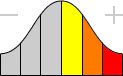
Edema
Leg aches with standing or leg aches
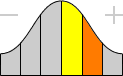
Leg pain from long walks
Counter Indicators
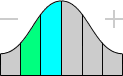
Absence of leg pain on walking
Recommendations for Chronic Venous Insufficiency (CVI)

Grape Seed Extract / Resveratrol
Women with CVI were assisted in combating the condition in a double blind French study that utilized 150mg of oligomeric proanthocyanidins (OPCs) daily. Positive results were also obtained in another French double blind research that increased the dosage to 300mg, with each dose being 100mgs. The effectiveness of the compound was evident in just four weeks of the treatment period and all the patients showed improvement.

Conventional Drugs / Information
Daflon 500mg is an oral phlebotropic drug indicated in the treatment of venous disease, ie, chronic venous insufficiency (CVI) and hemorrhoidal disease (HD). It contains naturally occurring substances, but one of them has been modified for better absorption.
Daflon 500mg, micronized, purified flavonoid fraction (MPFF), is a semisynthetic phlebotropic drug whose active ingredients are micronized diosmin (90%) and hesperidin (10%). Hesperidin is extracted from a species of Rutaceae aurantieae of the citrus genus, a type of immature small orange harvested and dried in Spain, North Africa, and China. Diosmin, a member of the flavonoid family, is synthesized starting from this raw material.
Daflon is challenging to find in the USA, but can be ordered from some foreign pharmacies, including India and Malaysia. Some locations seem to be charging too much, so please shop around. Two capsules a day should cost around one US dollar.
Physical Supports
Treatment for chronic venous insufficiency usually includes compression stockings, which squeeze the veins and keep blood flowing so it is more difficult for blood clots to form. If the skin is not broken or leaking fluid, your doctor may recommend an anti-itch cream, such as one containing hydrocortisone; a cream containing zinc oxide to protect the skin; or an antifungus cream to prevent fungal infections.
Bioflavonoids
The effectiveness of hydroxyethylrutosides (HR) in clearing edema in the legs and in eliminating other signs of CVI has been conclusively shown in studies done on patients. Dosages of the bioflavonoids included tablets in strengths of 500 mg administered twice daily for a treatment period of 12 weeks, the results of double blind studies, on the whole, were positive.
Key
| Strong or generally accepted link |
| Proven definite or direct link |
| Strongly counter-indicative |
| Likely to help |
| Highly recommended |
Glossary
Chronic
Usually Chronic illness: Illness extending over a long period of time.
Thrombosis
Formation of blood clots causing vascular obstruction.
Ulcer
Lesion on the skin or mucous membrane.
Varicose Veins
Twisted, widened veins with incompetent valves.