The human body contains approximately ten milligrams (10mg) of manganese, most of which is found in the liver, bones, and kidneys. This trace element is a cofactor for a number of important enzymes. Manganese metabolism is similar to that of iron. It is absorbed in the small intestines and while the absorption process is slow, the total absorption rate is exceptionally high – about 40%. Excess manganese is excreted in bile and pancreatic secretion. Only a small amount is excreted in the urine.
Excess manganese interferes with the absorption of dietary iron. Long-term exposure to excess levels may result in iron-deficiency anemia. Increased manganese intake impairs the activity of copper metallo-enzymes. Manganese overload is generally due to industrial pollution. Workers in the manganese processing industry are most at risk. Well water rich in manganese can be the cause of excessive manganese intake and can increase bacterial growth in water. Manganese poisoning has been found among workers in the battery manufacturing industry.
Symptoms of toxicity mimic those of Parkinson’s disease (tremors, stiff muscles) and excessive manganese intake can cause hypertension in patients older than 40. Significant rises in manganese concentrations have been found in patients with severe hepatitis and posthepatic cirrhosis, in dialysis patients and in patients suffering heart attacks.
Manganese influences the copper and iron metabolism and estrogen therapy may raise serum manganese concentration, whereas glucosteroids alter the manganese distribution in the body. Calcium deficiency increases manganese absorption. Elevated calcium and/or phosphorus intake suppress the body’s ability to absorb manganese, while an increase in Vitamin C improves cellular exchange.
Manganese overload is generally due to industrial pollution. Workers in the manganese processing industry are most at risk. Drinking water should be analyzed when manganese toxicity is suspected. Long term parenteral nutrition has been associated with high blood concentrations of manganese in children who displayed symptoms of toxicity.
Dark hair dyes can contain manganese and thus falsely elevate hair levels. In the case of extremely high manganese levels obtained from scalp hair, pubic hair should be tested as a control.
Signs, symptoms & indicators of Manganese toxicity
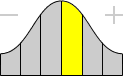
Weak appetite
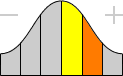
Hallucinations
Short-term memory failure
Periods of confusion/disorientation
Long-term memory failure
Conditions that suggest Manganese toxicity
Risk factors for Manganese toxicity
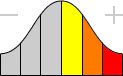
Possible/excessive manganese exposure
Counter Indicators
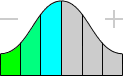
Absence of manganese exposure
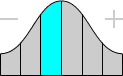
Absence of long-term memory failure
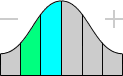
Absence of short-term memory loss
Recommendations for Manganese toxicity

Heavy Metal Detoxification / Avoidance
Obviously, the source of the manganese contamination should be discovered and then any further contact or intake avoided.


Key
| Weak or unproven link |
| Strong or generally accepted link |
| Proven definite or direct link |
| Weakly counter-indicative |
| Strongly counter-indicative |
| Very strongly or absolutely counter-indicative |
| Likely to help |
| Highly recommended |
| Avoid absolutely |
Glossary
Milligram
(mg): 1/1,000 of a gram by weight.
Manganese
An essential mineral found in trace amounts in tissues of the body. Adults normally contain an average of 10 to 20mg of manganese in their bodies, most of which is contained in bone, the liver and the kidneys. Manganese is essential to several critical enzymes necessary for energy production, bone and blood formation, nerve function and protein metabolism. It is involved in the metabolism of fats and glucose, the production of cholesterol and it allows the body to use thiamine and Vitamin E. It is also involved in the building and degrading of proteins and nucleic acid, biogenic amine metabolism, which involves the transmitting of nerve impulses.
Trace Element
Essential mineral that is essential to nutrition. Nutritionists prefer to call minerals either minerals or trace minerals depending on the amount needed by the body, while analytical chemists prefer to call minerals, trace elements.
Cofactor
A substance that acts with another substance to bring about certain effects, often a coenzyme.
Enzymes
Specific protein catalysts produced by the cells that are crucial in chemical reactions and in building up or synthesizing most compounds in the body. Each enzyme performs a specific function without itself being consumed. For example, the digestive enzyme amylase acts on carbohydrates in foods to break them down.
Metabolism
The chemical processes of living cells in which energy is produced in order to replace and repair tissues and maintain a healthy body. Responsible for the production of energy, biosynthesis of important substances, and degradation of various compounds.
Iron
An essential mineral. Prevents anemia: as a constituent of hemoglobin, transports oxygen throughout the body. Virtually all of the oxygen used by cells in the life process are brought to the cells by the hemoglobin of red blood cells. Iron is a small but most vital, component of the hemoglobin in 20,000 billion red blood cells, of which 115 million are formed every minute. Heme iron (from meat) is absorbed 10 times more readily than the ferrous or ferric form.
Bile
A bitter, yellow-green secretion of the liver. Bile is stored in the gallbladder and is released when fat enters the first part of the small intestine (duodenum) in order to aid digestion.
Anemia
A condition resulting from an unusually low number of red blood cells or too little hemoglobin in the red blood cells. The most common type is iron-deficiency anemia in which the red blood cells are reduced in size and number, and hemoglobin levels are low. Clinical symptoms include shortness of breath, lethargy and heart palpitations.
Copper
An essential mineral that is a component of several important enzymes in the body and is essential to good health. Copper is found in all body tissues. Copper deficiency leads to a variety of abnormalities, including anemia, skeletal defects, degeneration of the nervous system, reproductive failure, pronounced cardiovascular lesions, elevated blood cholesterol, impaired immunity and defects in the pigmentation and structure of hair. Copper is involved in iron incorporation into hemoglobin. It is also involved with vitamin C in the formation of collagen and the proper functioning in central nervous system. More than a dozen enzymes have been found to contain copper. The best studied are superoxide dismutase (SOD), cytochrome C oxidase, catalase, dopamine hydroxylase, uricase, tryptophan dioxygenase, lecithinase and other monoamine and diamine oxidases.
Parkinson's Disease
A chronic, slowly-progressing disease of the nervous system characterized clinically by the combination of tremor, rigidity, extreme slowness of movement, and stooped posture. It is characterized pathologically by loss of dopamine in the substantia nigra.
Hypertension
High blood pressure. Hypertension increases the risk of heart attack, stroke, and kidney failure because it adds to the workload of the heart, causing it to enlarge and, over time, to weaken; in addition, it may damage the walls of the arteries.
Hepatitis
Inflammation of the liver usually resulting in jaundice (yellowing of the skin), loss of appetite, stomach discomfort, abnormal liver function, clay-colored stools, and dark urine. May be caused by a bacterial or viral infection, parasitic infestation, alcohol, drugs, toxins or transfusion of incompatible blood. Can be life-threatening. Severe hepatitis may lead to cirrhosis and chronic liver dysfunction.
Cirrhosis
A long-term disease in which the liver becomes covered with fiber-like tissue. This causes the liver tissue to break down and become filled with fat. All functions of the liver then decrease, including the production of glucose, processing drugs and alcohol, and vitamin absorption. Stomach and bowel function, and the making of hormones are also affected.
Dialysis
The artificial process of cleaning wastes from the blood when kidneys fail.
Estrogen
One of the female sex hormones produced by the ovaries.
Serum
The cell-free fluid of the bloodstream. It appears in a test tube after the blood clots and is often used in expressions relating to the levels of certain compounds in the blood stream.
Calcium
The body's most abundant mineral. Its primary function is to help build and maintain bones and teeth. Calcium is also important to heart health, nerves, muscles and skin. Calcium helps control blood acid-alkaline balance, plays a role in cell division, muscle growth and iron utilization, activates certain enzymes, and helps transport nutrients through cell membranes. Calcium also forms a cellular cement called ground substance that helps hold cells and tissues together.
Phosphorus
The second most abundant mineral in the body found in every living cell. It is involved in the proper functioning of both muscles and nerves. It is needed for metabolic processes of all cells, to activate many other nutrients, and to form energy-storage and energy-releasing compounds. The phosphorus content of the body is approximately one percent of total body weight. Phosphorus combines with fats to form phospholipids.
Vitamin C
Also known as ascorbic acid, Vitamin C is a water-soluble antioxidant vitamin essential to the body's health. When bound to other nutrients, for example calcium, it would be referred to as "calcium ascorbate". As an antioxidant, it inhibits the formation of nitrosamines (a suspected carcinogen). Vitamin C is important for maintenance of bones, teeth, collagen and blood vessels (capillaries), enhances iron absorption and red blood cell formation, helps in the utilization of carbohydrates and synthesis of fats and proteins, aids in fighting bacterial infections, and interacts with other nutrients. It is present in citrus fruits, tomatoes, berries, potatoes and fresh, green leafy vegetables.
Parenteral
Not in or through the digestive system, introduced otherwise than by way of the intestines and occurring outside the intestine. Examples are intravenous, subcutaneous, intramuscular, or intramedullary injection.