Interstitial Lung Disease (ILD) is a general term that includes a variety of chronic lung disorders. When a person has ILD, the lung is affected in three ways.
1. The lung tissue is damaged in some known or unknown way.
2. The walls of the air sacs in the lung become inflamed.
3. Scarring (or fibrosis) begins in the interstitium (or tissue between the air sacs), and the lung becomes stiff. When scarring of the lung tissue takes place, the condition is called pulmonary fibrosis.
People with different types of ILD may have the same kind of symptoms but their symptoms may vary in severity. Their chest X-rays may look alike. Further testing is usually recommended to identify the specific type of ILD a person has. The terms interstitial lung disease, pulmonary fibrosis and interstitial pulmonary fibrosis are often used to describe the same condition.
The course of these diseases is unpredictable, but can be deadly. If they progress, the lung tissue thickens and becomes stiff. The work of breathing then becomes more difficult and demanding. Some of the diseases improve with medication if treated when inflammation occurs. Some people may need oxygen therapy as part of their treatment.
The diseases may run a gradual course or a rapid course. The condition may remain the same for long periods of time or it may change quickly. It’s important to stay in touch with your doctor and report any changes in symptoms. You and your doctor can work together to manage ILD.
Fibrosis, or scarring of the lung tissue, results in permanent loss of that tissue’s ability to transport oxygen. The level of disability a person experiences is directly related to the amount of tissue scarring.
Several causes of pulmonary fibrosis are known. They include:
- Occupational and environmental exposures. Many jobs exposing workers to asbestos, silica or metal dusts can cause pulmonary fibrosis. Some organic substances, such as moldy hay, cause an allergic reaction in the lung. This reaction is called Farmer’s Lung and can cause pulmonary fibrosis. Other fumes found on farms are directly toxic to the lungs.
- Sarcoidosis. A disease characterized by the formation of granulomas (areas of inflammatory cells), which can attack any area of the body but most frequently affects the lungs.
- Drugs may have the undesirable side effect of causing pulmonary fibrosis.
- Radiation, as a result of treatment for breast cancer, for example.
- Connective tissue or collagen diseases such as rheumatoid arthritis and systemic sclerosis.
- Genetic/familial cause is possible, but less common than the others.
- Idiopathic Pulmonary Fibrosis (IPF). This is when all known causes of interstitial lung disease have been ruled out. There are several theories as to what may cause IPF; including viral illness and allergic or environmental exposure (including tobacco smoke). These theories are still being researched. Bacteria and other microorganisms are not thought to be the cause of IPF.
Your doctor will want to take a very careful history which should will include environmental and occupational factors, hobbies, legal and illegal drug use, arthritis, and risk factors for diseases that affect the immune system. A physical examination, chest X-ray, pulmonary function tests, bronchoscopy, bronchoalveolar lavage, lung biopsy and blood tests may be needed. These tests will help your doctor rule out other lung diseases and determine the extent of disease.
Conventional Treatment
Corticosteroids may be administered to treat the inflammation present in some people with IPF. The success of this treatment for many forms of pulmonary fibrosis is variable and is still being researched. Other drugs are occasionally added when it is clear that the steroids are not effective in reversing the disease.
Oxygen therapy may be necessary for some people with IPF. The need for oxygen will be determined by your doctor and may depend on the severity of disease, as well as your activity level. Talk with you doctor if you think you may need oxygen or if you have concerns about oxygen.
Influenza vaccine and pneumococcal pneumonia vaccine are both recommended for people with IPF or any lung disease. These two shots may help prevent infection and keep you healthy.
Naturally occuring anti-inflammatory agents may help slow the progression of this condition by reducing inflammation and scarring. Examples of these can be seen under the condition “Chronic Inflammation”.
Signs, symptoms & indicators of Pulmonary Fibrosis / Interstitial Lung Disease
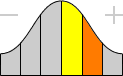
Easily being short of/always being short of breath or normal breathlessness
Sudden shortness of breath or air hunger
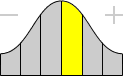
Recent/chronic nonproductive cough
Counter Indicators
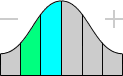
Absence of air hunger
Conditions that suggest Pulmonary Fibrosis / Interstitial Lung Disease
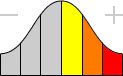
Pulmonary fibrosis
Risk factors for Pulmonary Fibrosis / Interstitial Lung Disease
Some/possible clubbing of digits or clubbing of toes and fingers
Counter Indicators
Absence of clubbing
Absence of pulmonary fibrosis
Pulmonary Fibrosis / Interstitial Lung Disease suggests the following may be present
Autoimmune Tendency
There may be an autoimmune link with a few conditions that can cause Interstitial Lung Disease.
Recommendations for Pulmonary Fibrosis / Interstitial Lung Disease

Turmeric Extract, Curcumin
Curcumin was shown to have important therapeutic implications in facilitating the early suppression of paraquat toxicity and subsequent lung injury. Paraquat is a weedkiller that produces delayed toxic effects on the lungs when ingested. [Life Sciences, 2000, Vol 66 (2), pp. 21-8] Curcumin, when absorbed into the body has anti-inflammatory actions.
Conventional Drugs / Information
Prednisone is the most common drug given to patients with idiopathic pulmonary fibrosis. About 30% of all patients respond favorably to this medicine. It is not understood why some patients do well on prednisone while others do not. Prednisone is taken orally mouth every morning, starting with a high dose for the first 4 – 8 weeks. As improvement occurs, the dose is gradually lowered. Changes in mood are one of the more common side effects. Most patients can handle these changes (anxiety, depression, or sleeplessness) when they know what is causing the problem. Less common side effects include a rise in blood-sugar levels, osteoporosis, high blood pressure, cataracts, and increased susceptibility to infection.
Pentoxifylline (Trental) will help to suppress pro-inflammatory cytokines such as tumor necrosis factor alpha (TNF-a), which is a dangerous chemical messenger that incites the immune system to attack healthy tissues throughout the body. Elevated TNF-a causes a systemic inflammatory cascade throughout the body.
Captopril has shown protective effects on radiation-induced pulmonary injury. This drug was effective in protecting the lung parenchyma from inflammatory response and subsequent fibrosis. [Int. J. Radiat. Biol 2000 Apr:76(4): pp.523-32] ] The recommended dose is 400mgs per day for a week, then increased to 400mg BID.
Key
| Weak or unproven link |
| Strong or generally accepted link |
| Proven definite or direct link |
| Weakly counter-indicative |
| Strongly counter-indicative |
| Very strongly or absolutely counter-indicative |
| May do some good |
Glossary
Chronic
Usually Chronic illness: Illness extending over a long period of time.
Pulmonary Fibrosis
Pulmonary Fibrosis (PF) is a disease of inflammation that results in scarring, or fibrosis, of the lungs. In time, this fibrosis can build up to the point where the lungs are unable to provide oxygen to the tissues of the body.
Cancer
Refers to the various types of malignant neoplasms that contain cells growing out of control and invading adjacent tissues, which may metastasize to distant tissues.
Collagen
The primary protein within white fibers of connective tissue and the organic substance found in tendons, ligaments, cartilage, skin, teeth and bone.
Rheumatoid Arthritis
A long-term, destructive connective tissue disease that results from the body rejecting its own tissue cells (autoimmune reaction).
Idiopathic
Arising spontaneously or from an obscure or unknown cause.
Bacteria
Microscopic germs. Some bacteria are "harmful" and can cause disease, while other "friendly" bacteria protect the body from harmful invading organisms.
Arthritis
Inflammation of a joint, usually accompanied by pain, swelling, and stiffness, and resulting from infection, trauma, degenerative changes, metabolic disturbances, or other causes. It occurs in various forms, such as bacterial arthritis, osteoarthritis, or rheumatoid arthritis. Osteoarthritis, the most common form, is characterized by a gradual loss of cartilage and often an overgrowth of bone at the joints.
Immune System
A complex that protects the body from disease organisms and other foreign bodies. The system includes the humoral immune response and the cell-mediated response. The immune system also protects the body from invasion by making local barriers and inflammation.
Pulmonary
Pertaining to the lungs.
Biopsy
Excision of tissue from a living being for diagnosis.
Steroid
Any of a large number of hormonal substances with a similar basic chemical structure containing a 17-carbon 14-ring system and including the sterols and various hormones and glycosides.
Anti-inflammatory
Reducing inflammation by acting on body mechanisms, without directly acting on the cause of inflammation, e.g., glucocorticoids, aspirin.
Autoimmune Disease
One of a large group of diseases in which the immune system turns against the body's own cells, tissues and organs, leading to chronic and often deadly conditions. Examples include multiple sclerosis, rheumatoid arthritis, systemic lupus, Bright's disease and diabetes.