Cushing’s syndrome is a hormonal disorder caused by prolonged exposure of the body’s tissues to high levels of the hormone cortisol. Sometimes called hypercortisolism, it is relatively rare and most commonly affects adults aged 20 to 50.
There is no single symptom shared by everyone with Cushing’s Syndrome, however, some symptoms occur more frequently than others. These include:
- Euphoria, unrelated to life situation
- Moon face (round, red and full)
- Buffalo hump (a collection of fat between the shoulders)
- Central obesity with protruding abdomen and thin extremities
- Weight gain
- Weakness
- Backache
- Headache
- Acne or superficial skin infections
- Purple striations on the skin of the abdomen, thighs, and breasts
- Frequent and easy bruising
- Mental changes
- Impotence or cessation of menses
- Thirst
- Increased urination
Cushing’s syndrome occurs when the body’s tissues are exposed to excessive levels of cortisol for long periods of time. Many people suffer the symptoms of Cushing’s syndrome because they take glucocorticoid hormones such as prednisone as an antiinflammatory. Others develop Cushing’s syndrome because of overproduction of cortisol by the body. Normally, the production of cortisol follows a precise chain of events. First, the hypothalamus, a part of the brain which is about the size of a small sugar cube, sends corticotropin releasing hormone (CRH) to the pituitary gland. CRH causes the pituitary to secrete ACTH (adrenocorticotropin), a hormone that stimulates the adrenal glands. When the adrenals receive the ACTH, they respond by releasing cortisol into the bloodstream.
When the amount of cortisol in the blood is adequate, the hypothalamus and pituitary release less CRH and ACTH. This ensures that the amount of cortisol released by the adrenal glands is precisely balanced to meet the body’s daily needs. However, if something goes wrong with the adrenals or their regulating switches in the pituitary gland or the hypothalamus, cortisol production can become abnormal.
The most common cause of Cushing’s is a tumor in the pituitary gland, and the least common is cancer of the adrenal gland. Other causes include:
- Ectopic ACTH Syndrome: Some benign or malignant (cancerous) tumors that arise outside the pituitary can produce ACTH. This condition is known as ectopic ACTH syndrome. Lung tumors cause over 50 percent of these cases. Men are affected 3 times more frequently than women. The most common forms of ACTH-producing tumors are oat cell, or small cell lung cancer, which accounts for about 25% of all lung cancer cases, and carcinoid tumors. Other less common types of tumors that can produce ACTH are thymomas, pancreatic islet cell tumors, and medullary carcinomas of the thyroid.
- Adrenal Tumors: Sometimes, an abnormality of the adrenal glands, most often an adrenal tumor, causes Cushing’s syndrome. The average age of onset is about 40 years. Most of these cases involve non-cancerous tumors of adrenal tissue, called adrenal adenomas, which release excess cortisol into the blood.
- Familial Cushing’s Syndrome: Most cases of Cushing’s syndrome are not inherited. Rarely, however, some individuals have special causes of Cushing’s syndrome due to an inherited tendency to develop tumors of one or more endocrine glands. In Primary Pigmented Micronodular Adrenal Disease, children or young adults develop small cortisol-producing tumors of the adrenal glands. In Multiple Endocrine Neoplasia Type I (MEN I), hormone secreting tumors of the parathyroid glands, pancreas and pituitary occur. Cushing’s syndrome in men may be due to pituitary, ectopic or adrenal tumors.
Diagnosis is based on a review of the patient’s medical history, physical examination and laboratory tests. Often x-ray exams of the adrenal or pituitary glands are useful for locating tumors. These tests help to determine if excess levels of cortisol are present and why.
Some patients may have sustained high cortisol levels without the effects of Cushing’s syndrome. These high cortisol levels may be compensating for the body’s resistance to cortisol’s effects. This rare syndrome of cortisol resistance is a genetic condition that causes hypertension and chronic androgen excess. DHEA levels are also generally increased in adrenal hyperplasia.
Sometimes other conditions may be associated with many of the symptoms of Cushing’s syndrome. These include polycystic ovarian syndrome, which may cause menstrual disturbances, weight gain from adolescence, excess hair growth and sometimes impaired insulin action and diabetes. Commonly, weight gain, high blood pressure and abnormal levels of cholesterol and triglycerides in the blood are associated with resistance to insulin action and diabetes; this has been described as the “Metabolic Syndrome-X.” Patients with these disorders do not have abnormally elevated cortisol levels.
Treatment depends on the specific reason for cortisol excess and may include surgery, radiation, chemotherapy or the use of cortisol-inhibiting drugs. If the cause is long-term use of glucocorticoid hormones to treat another disorder, the doctor will gradually reduce the dosage to the lowest dose adequate for control of that disorder. Once control is established, the daily dose of glucocorticoid hormones may be doubled and given on alternate days to lessen side effects.
Signs, symptoms & indicators of Cushing's Syndrome / Hypercortisolism
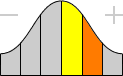
Low lymphocyte count
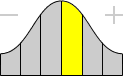
Constant fatigue
High body hair quantity
Irritability
Individual weak muscles
Irregular menstrual cycles
History of stress fractures
Thin skin
Conditions that suggest Cushing's Syndrome / Hypercortisolism
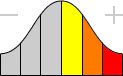
Elevated DHEA
DHEA levels are markedly elevated in patients with adrenal hyperplasia. The majority of patients with Cushing’s disease (pituitary etiology) have moderately elevated levels of DHEA.
Low Sex Drive
In men, elevated cortisol levels may reduce sex drive.
Elevated PM saliva cortisol
Primary Cushing's syndrome or drug induced Cushing's
Counter Indicators
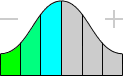
Absence of Cushing's
Risk factors for Cushing's Syndrome / Hypercortisolism
Hyperpituitarism
Pituitary adenomas cause most cases of Cushing’s syndrome. They are non-cancerous tumors of the pituitary gland which secrete increased amounts of ACTH. Most patients have a single adenoma. This form of the syndrome, known as “Cushing’s disease,” affects women five times more frequently than men.
Elevated AM serum cortisol
Elevated 24 hr urine cortisol
Elevated pm serum/elevated serum pm cortisol
(Slightly) elevated fasting glucose
Counter Indicators
Low/normal pm serum cortisol
Low/normal AM serum cortisol
Stress
Elevated cortisol levels are often the result of stress and as such will not cause Cushing’s syndrome. Increased levels are found in women during their last 3 months of pregnancy and highly trained athletes. People suffering from depression, alcoholism, malnutrition, chronic stress and panic disorders may also have increased cortisol levels.
Round face
Prednisone use
History of Cushing's
(Possible) cushing's body shape
Buffalo hump
Counter Indicators
Absence of buffalo hump
Adrenal cancer
Adrenal cancers are the least common cause of Cushing’s syndrome. Cancer cells secrete excess levels of several adrenal cortical hormones, including cortisol and adrenal androgens. Adrenocortical carcinomas usually cause very high hormone levels and rapid development of symptoms.
Cushing's Syndrome / Hypercortisolism suggests the following may be present
Adrenal cancer
Adrenal cancers are the least common cause of Cushing’s syndrome. Cancer cells secrete excess levels of several adrenal cortical hormones, including cortisol and adrenal androgens. Adrenocortical carcinomas usually cause very high hormone levels and rapid development of symptoms.
Cushing's Syndrome / Hypercortisolism can lead to
Low Sex Drive
In men, elevated cortisol levels may reduce sex drive.
Recommendations for Cushing's Syndrome / Hypercortisolism

Conventional Drugs / Information
Please see the link between Cushing’s and Surgery.

Test Adrenal Function
A 24-Hour urinary free cortisol level is the most specific diagnostic test. Levels higher than 50 to100mcg a day for an adult suggest Cushing’s syndrome. Once Cushing’s syndrome has been diagnosed, other tests are used to find the exact location of the abnormality that leads to excess cortisol production. These tests could include dexamethasone suppression test, CRH stimulation test, direct visualization of the endocrine glands (radiologic imaging), petrosal sinus sampling and the dexamethasone-CRH test.
Surgery
Cushing’s disease is best treated with the surgical removal of the pituitary tumor (when this is the cause), usually with a technique called transsphenoidal resection (behind the nose) by a neurosurgeon. Occasionally, the entire pituitary gland will need to be removed or injured in order to cure the Cushing’s disease, leaving the person with a deficiency of ACTH and the other pituitary hormones. This can be treated by giving replacement hormones for cortisol, thyroid and gonadal (sex) hormones. Fertility can be restored with special hormonal therapies. If the pituitary tumor cannot be removed, radiation therapy to the pituitary can be used, but the improvement in the Cushing’s Syndrome is much slower. Before transsphenoidal surgery became available, the surgical removal of both adrenal glands was common, but this always produced adrenal insufficiency and sometimes caused large ACTH producing pituitary tumors to grow (called Nelson’s syndrome). That is why pituitary surgery rather than adrenal surgery is usually preferred for Cushing’s disease.
Ectopic ACTH producing tumors are usually malignant (cancer). Removing this cancer or treating it with radiation or chemotherapy may help in improving the Cushing’s Syndrome. If the tumor is benign, or it can be completely removed, surgery may be a cure. Most of the time, reduction of the cortisol production from the adrenals with medications such as metyrapone, amino-glutethimide or ketoconazole is useful while the ACTH-producing tumor is treated.
Adrenal adenomas are always treated by surgically removing the tumor with either an abdominal or side (flank) incision. The other adrenal is left in, and will grow back to normal size or function. After the surgery, replacement steroid hormones are given and slowly tapered over a few months as the remaining adrenal responds to the normal ACTH production from the pituitary.
Adrenal carcinomas (cancer) can be cured if removed early. Unfortunately, they are usually discovered after they have already spread beyond the adrenal gland and are then not curable. Chemotherapy is often used to try to control the tumor but does not cure it. The excess cortisol production can be controlled with medications like those mentioned for ectopic ACTH production: metyrapone, aminoglutethimide and ketoconazole. These medicines can be used to treat any form of inoperable or incurable Cushing’s Syndrome, including Cushing’s disease, but they can have serious side effects and require very careful monitoring and balancing with steroid hormone replacement therapies. Surgical cure of the primary cause of the Cushing’s Syndrome is always the best, if possible.
Key
| Weak or unproven link |
| Strong or generally accepted link |
| Proven definite or direct link |
| Strongly counter-indicative |
| Very strongly or absolutely counter-indicative |
| May do some good |
| Highly recommended |
Glossary
Hormones
Chemical substances secreted by a variety of body organs that are carried by the bloodstream and usually influence cells some distance from the source of production. Hormones signal certain enzymes to perform their functions and, in this way, regulate such body functions as blood sugar levels, insulin levels, the menstrual cycle, and growth. These can be prescription, over-the-counter, synthetic or natural agents. Examples include adrenal hormones such as corticosteroids and aldosterone; glucagon, growth hormone, insulin, testosterone, estrogens, progestins, progesterone, DHEA, melatonin, and thyroid hormones such as thyroxine and calcitonin.
Acne
A chronic skin disorder due to inflammation of hair follicles and sebaceous glands (secretion glands in the skin).
Glucocorticoid
Any steroid-like compound capable of significantly influencing intermediary metabolism, such as promotion of deposition of glycogen in the liver, and of exerting a useful anti-inflammatory effect.
Hypothalamus
An important supervisory center in the brain regulating many body functions. Despite its importance in maintaining homeostasis, the hypothalamus in humans accounts for only 1/300 of total brain weight, and is about the size of an almond.
Pituitary
The pituitary gland is small and bean-shaped, located below the brain in the skull base very near the hypothalamus. Weighing less than one gram, the pituitary gland is often called the "master gland" since it controls the secretion of hormones by other endocrine glands.
Cancer
Refers to the various types of malignant neoplasms that contain cells growing out of control and invading adjacent tissues, which may metastasize to distant tissues.
Ectopic
Located outside normal position, e.g., location of fetus in pregnancy.
Benign
Literally: innocent; not malignant. Often used to refer to cells that are not cancerous.
Malignant
Dangerous. mainly used to describe a cancerous growth -- when used this way, it means the growth is cancerous and predisposed to spreading.
Thyroid
Thyroid Gland: An organ with many veins. It is at the front of the neck. It is essential to normal body growth in infancy and childhood. It releases thyroid hormones - iodine-containing compounds that increase the rate of metabolism, affect body temperature, regulate protein, fat, and carbohydrate catabolism in all cells. They keep up growth hormone release, skeletal maturation, and heart rate, force, and output. They promote central nervous system growth, stimulate the making of many enzymes, and are necessary for muscle tone and vigor.
Hypertension
High blood pressure. Hypertension increases the risk of heart attack, stroke, and kidney failure because it adds to the workload of the heart, causing it to enlarge and, over time, to weaken; in addition, it may damage the walls of the arteries.
Chronic
Usually Chronic illness: Illness extending over a long period of time.
Androgen
Any steroid hormone that increases male characteristics.
DHEA
Dehydroepiandrosterone (DHEA) is a steroid produced by the adrenal glands and is the most abundant one found in humans. DHEA may be transformed into testosterone, estrogen or other steroids. It is found in the body as DHEA or in the sulfated form known as DHEA-S. One form is converted into the other as needed.
Insulin
A hormone secreted by the pancreas in response to elevated blood glucose levels. Insulin stimulates the liver, muscles, and fat cells to remove glucose from the blood for use or storage.
Diabetes Mellitus
A disease with increased blood glucose levels due to lack or ineffectiveness of insulin. Diabetes is found in two forms; insulin-dependent diabetes (juvenile-onset) and non-insulin-dependent (adult-onset). Symptoms include increased thirst; increased urination; weight loss in spite of increased appetite; fatigue; nausea; vomiting; frequent infections including bladder, vaginal, and skin; blurred vision; impotence in men; bad breath; cessation of menses; diminished skin fullness. Other symptoms include bleeding gums; ear noise/buzzing; diarrhea; depression; confusion.
Cholesterol
A waxy, fat-like substance manufactured in the liver and found in all tissues, it facilitates the transport and absorption of fatty acids. In foods, only animal products contain cholesterol. An excess of cholesterol in the bloodstream can contribute to the development of atherosclerosis.
Triglyceride
The main form of fat found in foods and the human body. Containing three fatty acids and one unit of glycerol, triglycerides are stored in adipose cells in the body, which, when broken down, release fatty acids into the blood. Triglycerides are fat storage molecules and are the major lipid component of the diet.
Metabolism
The chemical processes of living cells in which energy is produced in order to replace and repair tissues and maintain a healthy body. Responsible for the production of energy, biosynthesis of important substances, and degradation of various compounds.
Chemotherapy
A treatment of disease by any chemicals. Used most often to refer to the chemical treatments used to combat cancer cells.
Adenoma
An ordinarily benign growth of epithelial tissue in which the tumor cells form glands or gland-like structures that tend to exhibit glandular function.