An eosinophil is a type of white blood cell produced in the bone marrow and is normally found in the bloodstream and the gut lining. They contain proteins that help the body to fight infection from parasitic organisms, such as worms. But in certain diseases these proteins can damage the body. The term eosinophilia refers to conditions in which abnormally high amounts of eosinophils are found in either the blood or in body tissues.
Eosinophilia occurs in a wide range of conditions. In modern countries, its commonest causes are allergic diseases such as asthma and hay fever, whereas worldwide the main cause is parasitic infection. It can also occur in relation to common skin diseases and drug reactions. Other rarer causes include: lung diseases, eg Loeffler’s syndrome, vasculitis (inflammation of blood vessels), eg Churg-Strauss syndrome, some tumors, e.g. lymphoma, liver cirrhosis, some antibody deficiencies (not typically AIDS), other rarer skin diseases, eg dermatitis herpetiformis and other unknown causes, labeled hypereosinophilic syndrome.
Increased numbers of eosinophils are produced to fight off allergic disease or parasitic infections. This is helpful in combating parasitic infections but not in cases of allergic diseases as they accumulate in tissues and cause damage. For example, in asthma, eosinophilia causes damage to the airways of the lung.
The symptoms of eosinophilia are those of the underlying condition. For example, eosinophilia due to asthma is marked by symptoms such as wheezing and breathlessness, whereas parasitic infections may lead to abdominal pain, diarrhea, fever, or cough and rashes. Medicine reactions often give rise to skin rashes, and they often occur after taking a new drug. Rarer symptoms of eosinophilia can include weight loss, night sweats, lymph node enlargement, other skin rashes, and numbness and tingling due to nerve damage.
Eosinophilia in the bloodstream is diagnosed from a simple blood test. Tissue eosinophilia is diagnosed by the examination of the relevant tissue. For example, a piece of skin tissue can be removed (a skin biopsy) and examined under a microscope. If your doctor cannot make a diagnosis, then you may be referred to a hematologist.
Further tests may include blood tests to measure levels of antibodies, stool examination, chest X-ray, CT scans of the chest and abdomen, skin or lung biopsies, examination of the bone marrow, and bronchoscopy.
Hypereosinophilic syndrome is a condition where there is no apparent cause for eosinophilia. This rare condition can affect the heart, resulting in heart failure with breathlessness and ankle swelling, cause enlargement of the liver and spleen, resulting in swelling of the abdomen, and give rise to skin rashes. In hypereosinophilic syndrome there is a high risk of damage to the heart and other major organs. In some cases a blood cell tumor known as a T-cell lymphoma may also develop, so patients must be carefully monitored.
The conventional treatment for hypereosinophilic syndrome is oral corticosteroid therapy. In most cases, when the cause of eosinophilia is identified, treatment significantly reduces the symptoms of the condition. Corticosteroids, both local (inhaled, topical), and systemic (oral, intramuscular, intravenous), are used to manage several allergic conditions and reduce the number of eosinophils.
In one review of 225 North American outpatients with eosinophilia the breakdown of causes was:
- Unknown 36%
- Allergy/allergic rhinitis 29%
- Asthma 15%
- Dermatitis 9%
- Neoplasm 4%
- Drug 3%
- “Collagen disease” 3%
- Parasite 2% (of returning travelers to the US only 4% of eosinophilia cases were caused by parasites.
The causes for various degrees of eosinophila are along these lines:
Mild
- Allergic rhinitis
- Hay fever
- Extrinsic asthma
- Drug reaction
- Parasitic disease
Moderate
- Parasitic disease
- Intrinsic asthma
- Drug reaction
- Pulmonary eosinophilia syndrome
Marked
- Visceral Larva Migrans (Toxocara Canis/Cati)
- Tissue migration larval-stage helminths (roundworms)
- Hypereosinophilic syndromes
An excellent summary of the causes of eosinophilia can be found on this page.
Signs, symptoms & indicators of Eosinophilia
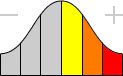
(Slightly/highly) elevated eosinophil count
Counter Indicators
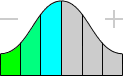
Normal eosinophil count
Risk factors for Eosinophilia
Allergy / Intolerance to Foods (Hidden)
Eosinophilia is suggestive of allergy, but not necessarily of food allergy, although food allergies have been responsible for a some cases of an increased eosinophil count.
Parasite, Dientamoeba Fragilis
Allergic colitis with peripheral eosinophilia secondary to DF infection has been described in medical publications.
Recommendations for Eosinophilia


Key
| Weak or unproven link |
| Strong or generally accepted link |
| Proven definite or direct link |
| Very strongly or absolutely counter-indicative |
| May do some good |
| Likely to help |
Glossary
Eosinophil
The eosinophils, ordinarily about 2% of the granulocyte count (60 to 75% of the white blood cells), increase in number in the presence of allergic disorders and parasitic infestations.
White Blood Cell
(WBC): A blood cell that does not contain hemoglobin: a blood corpuscle responsible for maintaining the body's immune surveillance system against invasion by foreign substances such as viruses or bacteria. White cells become specifically programmed against foreign invaders and work to inactivate and rid the body of a foreign substance. Also known as a leukocyte.
Protein
Compounds composed of hydrogen, oxygen, and nitrogen present in the body and in foods that form complex combinations of amino acids. Protein is essential for life and is used for growth and repair. Foods that supply the body with protein include animal products, grains, legumes, and vegetables. Proteins from animal sources contain the essential amino acids. Proteins are changed to amino acids in the body.
Asthma
A lung disorder marked by attacks of breathing difficulty, wheezing, coughing, and thick mucus coming from the lungs. The episodes may be triggered by breathing foreign substances (allergens) or pollutants, infection, vigorous exercise, or emotional stress.
Allergic Rhinitis
Also known as hay fever, this is an inflammation of the nasal mucous membranes that is caused by specific allergen(s). It is an allergy characterized by sneezing, itchy and watery eyes, a runny or stuffy nose, coughing and a burning/scratchy sensation of the palate and throat.
Vasculitis
Inflammation and necrosis of blood vessels, including arteries, veins and capillaries. The damage may be due to infectious agents, mechanical trauma, radiation or toxins; often no specific causative factor is identified. It involves immune mechanisms such as deposition of circulating immune complexes and direct attack by circulating antibodies
Lymphoma
Any tumor of the lymphatic tissues.
Cirrhosis
A long-term disease in which the liver becomes covered with fiber-like tissue. This causes the liver tissue to break down and become filled with fat. All functions of the liver then decrease, including the production of glucose, processing drugs and alcohol, and vitamin absorption. Stomach and bowel function, and the making of hormones are also affected.
Antibody
A type of serum protein (globulin) synthesized by white blood cells of the lymphoid type in response to an antigenic (foreign substance) stimulus. Antibodies are complex substances formed to neutralize or destroy these antigens in the blood. Antibody activity normally fights infection but can be damaging in allergies and a group of diseases that are called autoimmune diseases.
Dermatitis
A general term used to refer to eruptions or rashes on the skin.
Diarrhea
Excessive discharge of contents of bowel.
Lymph Nodes
Small, bean-shaped nodes at various points throughout the body that function to filter the lymph fluid and attempt to destroy the microorganisms and abnormal cells which collect there. The most common locations are the neck (both sides and front), armpit and groin, but also under the jaw and behind the ears. Swollen or painful lymph nodes generally result from localized or systemic infection, abscess formation, or malignancy. Other causes of enlarged lymph nodes are extremely rare. Physical examination for lymph nodes includes pressing on them to check for size, texture, warmth, tenderness and mobility. Most lymph nodes can not be felt until they become swollen, and then will only be tender when pressed or massaged. A lymph node that is painful even without touching indicates greater swelling. Lymph nodes can usually be distinguished from other growths because they generally feel small, smooth, round or oval-shaped and somewhat mobile when attempts are made to push them sideways. Because less fat covers the lymph nodes in children, they are easier to feel, even when they are not busy filtering germs or making antibodies. Children’s nodes enlarge faster, get bigger in response to an infection and stay swollen longer than an adult's.
Biopsy
Excision of tissue from a living being for diagnosis.
T-Cell
T cells are lymphocytes that are produced in the bone marrow and mature in the thymus. T cells are responsible for mediating the second branch of the immune system called "cellular immune response." T cells can live for months to years. This lymphocyte population is defined by the presence of a rearranged T-cell receptor.
Corticosteroid
Steroid hormone produced by the adrenal cortex.
Topical
Most commonly 'topical application': Administration to the skin.
Allergy
Hypersensitivity caused by exposure to a particular antigen (allergen), resulting in an increased reactivity to that antigen on subsequent exposure, sometimes with harmful immunologic consequences.
Collagen
The primary protein within white fibers of connective tissue and the organic substance found in tendons, ligaments, cartilage, skin, teeth and bone.
Parasite
An organism living in or on another organism.
Rhinitis
Inflammation of the nasal mucous membrane.
Pulmonary
Pertaining to the lungs.
Colitis
Inflammation of the colon.