Signs, symptoms & indicators of Vitamin D Toxicity
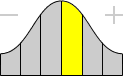
Poor balance
Constant fatigue
General dizziness
(Severe) muscle cramp/twitching
Tender muscles
Conditions that suggest Vitamin D Toxicity
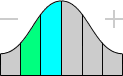
Hyperparathyroidism
When hyperparathyroidism is present, the likelihood of elevated serum calcium being caused by other conditions is obviously reduced.
Risk factors for Vitamin D Toxicity
Hypercalcemia
Vitamin D is extremely important in helping maintain the balance of calcium in our bodies. In fact, that’s all that vitamin D does! Vitamin D has a direct effect on the intestines and encourages the intestines to absorb calcium from the food that you have eaten (this is why most milks are fortified with vitamin D). Vitamin D also has an effect on the kidneys and tells the kidneys to not let any calcium escape into the urine. Therefore, it is possible for a person to take too much vitamin D so that they absorb too much calcium from their diet and hold on to too much calcium in their kidneys… and their calcium goes high. In the real world, this does not really happen. Normal parathyroid glands won’t allow the calcium to go high.
I must tell you… although taking a bunch of Vit D so that you absorb lots of calcium from your diet which makes your blood calcium go high sounds quite plausible… it is so rare that it is hard for me to believe that I’m spending the time writing about it, and I’m sorry to waste the 20 seconds it took for you to read it. If you are taking dozens of vitamin D pills per day and your calcium goes high… then stop taking all the vitamin pills. [www.parathyroid.com]
Another cause is called the Milk-Alkali Syndrome.
Milk-Alkali Syndrome is a phenomenon that occurs when a patient has a stomach ulcer and they self treat it by taking lots of antacids and drinking lots of milk. They do this so they can get relief of the pain in their stomach due to too much acid in the stomach. They buy lots of antacids like TUMS and eat lots of them. They also find that drinking milk makes their stomach feel better. However, the antacids have lots of calcium in them, and so does the milk. Therefore these people are eating LOTS of calcium every day and if it gets absorbed into the blood then they will have high blood calcium. Here is the good news… this is so rare these days that 99.99% of doctors will never see this in their lifetimes. It is a common mistake for doctors to blame a patient’s high blood calcium on eating too much calcium. NORMAL parathyroid glands will not allow people to have high blood calcium REGARDLESS of how much calcium they eat. If your doctor says “your calcium is high because you are eating too much dairy products and taking vitamins”, then go to www.parathyroid.com, collect some information and take it to him/her. Normal parathyroid glands will NOT let this happen… [www.parathyroid.com]
History of tender muscles
Vitamin D Toxicity can lead to
Bell's Palsy
Hypervitaminosis D has been known to cause facial palsy.
Recommendations for Vitamin D Toxicity

Key
| Weak or unproven link |
| Strongly counter-indicative |
| Avoid absolutely |
Glossary
Serum
The cell-free fluid of the bloodstream. It appears in a test tube after the blood clots and is often used in expressions relating to the levels of certain compounds in the blood stream.
Calcium
The body's most abundant mineral. Its primary function is to help build and maintain bones and teeth. Calcium is also important to heart health, nerves, muscles and skin. Calcium helps control blood acid-alkaline balance, plays a role in cell division, muscle growth and iron utilization, activates certain enzymes, and helps transport nutrients through cell membranes. Calcium also forms a cellular cement called ground substance that helps hold cells and tissues together.
Vitamin D
A fat-soluble vitamin essential to one's health. Regulates the amount of calcium and phosphorus in the blood by improving their absorption and utilization. Necessary for normal growth and formation of bones and teeth. For Vitamin D only, 1mcg translates to 40 IU.
Stomach
A hollow, muscular, J-shaped pouch located in the upper part of the abdomen to the left of the midline. The upper end (fundus) is large and dome-shaped; the area just below the fundus is called the body of the stomach. The fundus and the body are often referred to as the cardiac portion of the stomach. The lower (pyloric) portion curves downward and to the right and includes the antrum and the pylorus. The function of the stomach is to begin digestion by physically breaking down food received from the esophagus. The tissues of the stomach wall are composed of three types of muscle fibers: circular, longitudinal and oblique. These fibers create structural elasticity and contractibility, both of which are needed for digestion. The stomach mucosa contains cells which secrete hydrochloric acid and this in turn activates the other gastric enzymes pepsin and rennin. To protect itself from being destroyed by its own enzymes, the stomach’s mucous lining must constantly regenerate itself.
Ulcer
Lesion on the skin or mucous membrane.
Antacid
Neutralizes acid in the stomach, esophagus, or first part of the duodenum.