Called the “wear and tear” arthritis, Osteoarthritis (OA) is the most common form of arthritis. Nearly all vertebrates suffer from OA, including porpoises and whales, and those long-extinct giants, the dinosaurs. It is a chronic disease in which the cartilage breaks down. Cartilage is a slippery tissue that covers the ends of bones in a joint, allowing the bones to glide over one another. It also absorbs energy from the shock of physical movement. When cartilage in a joint deteriorates, OA occurs.
Statistics
- OA affects an estimated 20.7 million Americans.
- It is 8 times more common than Rheumatoid arthritis.
- Almost everyone over the age of 75 is affected in at least one joint.
- Before age 45, more men have it, while after age 45 it is more common in women.
- OA is responsible for more than 7 million physician visits per year.
What causes it?
There are two categories of OA, primary and secondary. Primary OA appears without any apparent cause, usually as a result of aging. Secondary OA occurs in joints that have sustained injuries, experienced infections or fractures. The pain of OA is often caused by ligament relaxation around the joint. Obesity can also cause secondary OA due to the added pressure on weight bearing joints. Secondary OA can also occur as the result of another type of arthritis, such as rheumatoid.
In cases of OA, old cartilage breakdown exceeds new cartilage synthesis and may be associated with loose ligaments. Maintaining the integrity of the synovial joints is fundamental to osteoarthritis prevention.
What are the symptoms?
As the cartilage in a joint deteriorates the bones begin to rub together, causing pain, swelling, and loss of motion of the joint. The joint may begin to lose shape. Small bone spurs called osteophytes may grow on the edges of the joint. Inflammation may or may not be present. The pain may act like a roller coaster, with pain spells followed by periods of relief. These symptoms almost always begin gradually, taking years until the pain is severe enough to be reported to a doctor. OA is commonly found in the joints of the fingers, feet, knees, hips, and spine, and is rarely found in joints of the wrist, elbows, shoulders or jaw.
How is it diagnosed?
Although it is usually not difficult to diagnose OA, no single test can pinpoint the disease. Most doctors use a combination of patient history and exam, and X-rays to diagnose the disease and rule out other causes for the symptoms.
How is it treated?
Treatment of OA should focus on managing pain while improving joint function by strengthening the joint and encouraging cartilage growth. This can be done in several ways.
People in occupations or activities requiring repetitive and stressful movement should find ways to reduce joint trauma. Adjusting the work area, substituting tasks or changing exercise activities to produce less stress on joints can help reduce further ‘wear and tear’.
Treatment plans recommended by some doctors include regularly scheduled rest. Others, however, stress the importance of continued mobility during the recovery phase, if tolerated. Corticosteroids are typically injected into affected joints rather than taken orally to relieve the pain, but repeated injections may further weaken loose ligaments and prevent healing which requires an inflammatory like response.
Signs, symptoms & indicators of Osteoarthritis
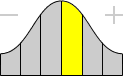
Having a slight/having a moderate/having a high fever
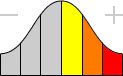
Hip pain
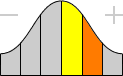
Joint pain/swelling/stiffness
Conditions that suggest Osteoarthritis
Low Estrogen Levels
In studies of older women, a lower risk of osteoarthritis was found in women who had used oral estrogens for hormone replacement therapy. The researchers suspect that low estrogen levels could increase risk for the disease, but further studies are needed.
Risk factors for Osteoarthritis
Problem Caused By Being Overweight
Forcing joints to carry more weight than they were designed for often results in premature failure.
Manganese Requirement
Bone cartilage can’t grow or repair itself adequately without manganese – an essential part of glucosamine, which is in turn a major joint building block. When glucosamine is in short supply, various forms of arthritis tend to arise, eventually leading to joint deterioration. Manganese is involved in the production of hyaluronic acid, chondroitin sulfate and other components of mucopolysaccharides, the complex sugars which form the basis of our synovial (joint) fluids and connective tissues.
Osteoarthritis suggests the following may be present
Problem Caused By Being Overweight
Forcing joints to carry more weight than they were designed for often results in premature failure.
Recommendations for Osteoarthritis

Phenylalanine
D-phenylalanine (DPA) has been used to treat the chronic pain of osteoarthritis with both positive and negative results.

Glucosamine / Chondroitin Sulfate
Clinical studies, comparing glucosamine (in sulfate or hydro-chloride form) with both placebo and standard arthritis drugs (including Ibuprofen), showed that glucosamine outperformed both in reducing long-term pain, joint tenderness and swelling, accelerating recovery, reversing cartilage damage, and helping to restore joint function, range of motion, and walking speed. Glucosamine is a component of hyaluronic acid (HA) which has been used by injection to successfully reduce knee pain.
Three years of treatment with glucosamine sulfate (1500mg per day) prevented joint space narrowing and reduced pain in two randomized, double-blind, placebo controlled trials with a total of 414 women, including 319 of postmenopausal age.
[North American Menopause Society 12th Annual Meeting, Oct. 4-6, 2001, New Orleans, LA.]Anecdotal reports of rapid symptomatic response to high-dose glucosamine in osteoarthritis are not credibly explained by the traditional view that glucosamine promotes synthesis of cartilage proteoglycans. An alternative or additional possibility is that glucosamine stimulates synovial production of HA, which is primarily responsible for the lubricating and shock-absorbing properties of synovial fluid. Many clinical and veterinary studies have shown that intraarticular injections of high-molecular-weight HA produce rapid pain relief and improved mobility in osteoarthritis. HA has anti-inflammatory and analgesic properties, and promotes anabolic behavior in chondrocytes. The concentration and molecular weight of synovial fluid HA are decreased in osteoarthritis; by reversing this abnormality, high-dose glucosamine may provide rapid symptomatic benefit, and in the longer term aid the repair of damaged cartilage. [Med Hypotheses (1998 Jun) 50(6): pp.507-10]
Please see the link between Knee Pain and Glucosamine for a 2007 review suggesting that there was no benefit with the use of glucosamine in knee pain.
Cetyl-myristoleate
In a small study of patients with mild to moderately severe osteoarthritis and reactive psoriatic arthritis, rapid improvement occurred in 60 hours, reaching 70-80% overall improvement by the end of 4 days. Half experienced return of mild symptoms in three to five weeks and a second course left them symptom-free, with lasting results.
In severe to crippling osteoarthritis 3 were unable to walk, and the other 11 used canes or walkers. All had pain, inflammation and marked deformity. After 20 days, all but one subject reported 90% improvement. One subject was non-responsive because of liver damage caused by sports-related steroid abuse. (Unpublished study)

Fish Oil / Krill
Fish oils that contain omega-3 fatty acids have been found, in various studies, to help reduce the inflammation associated with some types of arthritis. These forms of arthritis, like rheumatoid arthritis and osteoarthritis, are characterised by inflammation. The fish oil works by reducing the number of inflammatory ‘messenger’ molecules made by the body’s immune system.
The Arthritis Foundation recommends eating at least two fish meals a week – in particular fatty fish such as salmon, mackerel and sardines which contain the most omega-3. Alternatively, fish oil supplements are a convenient way to ensure a regular therapeutic dose. Supplements also have the added advantage of being purified of mercury, toxins and heavy metals.
Turmeric Extract, Curcumin
Osteoarthritis is a leading cause of work disability among older men, and the condition is often associated with a variety of long-term health problems. While pharmaceutical solutions — most notably non-steroidal anti-inflammatory drugs (NSAIDs) – help to alleviate the pain encountered in osteoarthritis, these options are linked to gastrointestinal toxicity, increased blood pressure, and increased risk of cardiovascular disease.
Gianni Belcaro, from Chieti-Pescara University (Italy), and colleagues assessed the effects of a mixture containing 20% natural curcuminoids, 40% soy phosphatidylcholine, and 40% microcrystalline cellulose, against an NSAID. Subjects in the active group received a daily dose of 1,000 mg of the curcumin mixture, providing a daily curcumin dose of 200 mg. After eight months , scores on a standardized osteoarthritis assessment decreased by 9.3 points among those receiving the curcumin mixture, while no change was observed in the control group.
Furthermore, scores for stiffness decreased from 7.4 to 3.2 in the curcumin-supplemented group, with again no significant changes in the control group. Writing that the data: “Evaluate(s) the clinical efficacy and safety of curcumin as an anti-inflammatory agent,” the team concludes that: “Significant improvements of both the clinical and biochemical end points were observed … coupled with an excellent tolerability, [this] suggests that [a curcumin-phosphatidylcholine mixture] is worth considering for the long-term complementary management of osteoarthritis.” [Alternative MedicineReview, Dec. 21, 2010; Issue: 15.4]
Ginger Root (Zingiber officinalis)
A concentrated extract of 2 ginger species (255mg bid) over a period of 6 weeks reduced pain in a double-blind, placebo-controlled study of 261patients with moderate to severe pain from osteoarthritis of the knee. Acetaminophen was allowed to be used if the pain was not controlled sufficiently. [Arthritis Rheum 2001;44(11): pp.2531-2538]
Researchers at Israel’s Tel Aviv University enrolled 29 patients who suffered from osteoarthritis of the knees. The six men and 23 women (aged 42 to 85 years) were divided into two groups. One group received a 250mg dose of ginger extract four times each day for 12 weeks, while the other group received a placebo. The treatments were then switched for an additional 12 weeks. Overall, the “ginger extract group showed a significant superiority over the placebo group,” and researchers concluded that 24 weeks of treatment with ginger extract may be optimal for the treatment of osteoarthritis of the knees.
Rose Hip (Rosa canina)
Using a standardized rose hip product (HybenVital) at 2,500mg bid improved severity, stiffness, and disability scores in
a well-designed study of 76 patients with hip or knee osteoarthritis. [2002 European Congress of Rheumatology, June12-15, 2002, Stockholm, Sweden]
Cayenne Pepper (Capsicum frutescens)
Topically for pain control only.
Weight Loss
Overweight people can lessen the shock to their joints by losing weight. Knees, for example, sustain an impact three to five times the body weight when descending stairs. Therefore a loss of five pounds can eliminate at least 15 pounds of stressful impact on the joint. The greater the weight loss, the greater the benefit.
Nightshade Food Avoidance
Rigid omission of nightshade foods, with other minor diet adjustments, has resulted in positive to marked improvement in arthritis and general health. In general Childers reports that “We have got around 70% positive results in reducing arthritic problems if the cooperator can stay rigidly with the (elimination) diet from here on in. People truly rigid may get 94% freedom from arthritis in surveys we have made. This included many forms of arthritis, all of which seem to be affected by the nightshades.”
Researchers are quick to point out that when these people accidentally ate one of the foods or tried to go back to their former diet, their symptoms would return. The worse the initial problem, the longer it will take to see any signs of improvement. It could take several weeks or months to notice any benefits to dietary changes. [Journal of Neurological and Orthopedic Medical Surgery, 1993 article by Childers]
There may be a link between osteoarthritis and vitamin D3, which is produced by the nightshade foods. The researchers concluded that “osteoarthritis appears to be a result of long-term consumption of the nightshade foods, which naturally contain the active metabolite vitamin D3, and in excess causes crippling and early disability.
Conventional Drugs / Information
First US approval for a prescription NSAID (non-steroidal anti-inflammatory drug) treatment that can be applied directly to site of osteoarthritis pain (October 2007). Voltaren Gel is the only prescription topical medication proven to significantly reduce osteoarthritis pain in both the knees and the joints of the hands.
Voltaren Gel offers highly effective pain relief with minimal drug absorption throughout the body – shown to be 94% less than comparable oral diclofenac treatment. Voltaren Gel (diclofenac sodium topical gel) 1% has received US regulatory approval as the first topical prescription treatment that patients can apply directly to sites of pain associated with osteoarthritis.
NSAIDs
NSAIDs (Nonsteroidal Anti-Inflammatory Drugs) are commonly used to treat osteoarthritis. Available over the counter or by prescription, they fight inflammation or swelling and relieve pain. Acetaminophen such as Tylenol can also be very effective in treating the pain. Research has shown that in many patients acetaminophen relieves pain as effectively as NSAIDs. These pain killers will only help control the symptoms, and if used at all should only be used for pain control while more effective therapies are at work. The newer COX2 inhibitors will have fewer side effects, but still do not restore normal function. Topical pain-relieving creams, rubs and sprays can be applied directly to the skin. There are many brands available over the counter.
Devil's Claw (Harpagophytum Procumbens)
A Devil’s Clas extract (60mg harpagoside per day) improved pain in a study of 85 patients with knee osteoarthritis, and 61 patients with hip osteoarthritis. [Phytomedicine 2002;9(3): pp.181-194]
Aerobic Exercise
Research shows that a good treatment for Osteoarthritis is exercise. It can improve mood and outlook, decrease pain, increase joint flexibility, improve the heart and blood flow, maintain or decrease weight, and promote general well being. The amount and form of exercise will depend on which joints are involved, how stable the joints are, and whether a joint replacement has already been done.
Progesterone
Topical progesterone has been reported to be useful in alleviating symptoms.
MSM (Methyl Sulfonyl Methane)
Research at the UCLA School of Medicine found an 82% reduction in pain after 6 weeks of MSM use in a double-blind study on degenerative arthritis. The study lasted 4 months and involved 16 patients on about 2gm MSM per day; 10 patients on MSM and 6 on placebo. After only 6 weeks, those patients using the MSM experienced better than 80% control of their pain, while those on the placebo experienced 18% improvement. [Federation of American Societies for Experimental Biology, 69th Annual Meeting, Apr. 21-26, 1985, p.692]
Boron
Dr. Newnham, Ph.D., D.O., N.D. has demonstrated clear demographic evidence for the usefulness of boron in treating or preventing both rheumatoid arthritis and osteoarthritis. The prevalence of arthritis seems to follow inversely the availability of boron in the soil. [Australian & New Zealand Association for Advancement of Science. 1979]
Based on work done at Oxford in the Agriculture Faculty it is believed that at the cellular level mineral metabolism is similar with both plants and man. If this can be relied on, then boron is a membrane catalyst which allows various ions to pass through the cell membrane, particularly phosphates to support synthesis of ATP. This will give energy for efficient repair. It is obvious that in osteo arthritis the cartilage is worn out, if it is because it lacks the necessary energy for cell division, it explains the action of boron. [Boron and Membrane Function in Plants. Metals and Micronutrients: Uptake and Utilization by Plants. Academic Press; 1983: Ch. 6]
Boron influences calcium and magnesium metabolism, possibly through the parathyroid gland. It does alleviate and seems to cure arthritis either by acting against whatever organism may cause rheumatoid diseases and/or as a membrane catalyst that permits repair of damaged cartilage and collagen.
Strontium
In women with osteoporosis and spinal osteoarthritis (OA), treatment with strontium ranelate may delay radiographic progression of spinal OA and reduce back pain.
Dr. Olivier Bruyere from the University of Liege, Belgium and colleagues reviewed the effects of 3 years’ treatment with strontium ranelate on the clinical and structural progression of spinal OA in 1105 women. As participants in the Spinal Osteoporosis Therapeutic Intervention and Treatment of Peripheral Osteoporosis trials, the women had received either strontium ranelate (n=566) or placebo (n=539).
The researchers found that the proportion of patients with worsening overall spinal OA score was reduced by 42% in the strontium ranelate group relative to the placebo group.
In addition, significantly more patients in the strontium ranelate group had improvement in back pain after 3 years compared with placebo. There were no significant between-group differences in health-related quality of life, however.
Strontium ranelate is indicated for the treatment of postmenopausal osteoporosis and has been shown to reduce the risk of vertebral and hip fractures, the authors note. They point out that strontium ranelate is also being studied in patients with OA of the knee.
The current findings, the authors say, suggest that “strontium ranelate may have symptom- and structure-modifying effects in women with osteoporosis and OA.”
“This study has implications not only in the potential treatment of chronic back pain, but also for progression of OA at other sites,” the researchers conclude.
The study was supported by a research grant from French pharmaceutical company Servier, which manufactures strontium ranelate. [Ann Rheum Dis 2008;67:pp.335-339]
Copper
The use of copper bracelets in the treatment of arthritis has a long history due to its mild anti-inflammatory effects.
TMG (Tri-methyl-glycine) / SAMe
TMG, administered as S-adenosyl-methionine (SAMe), was shown to be superior to ibuprofen (Motrin) in the treatment of osteoarthritis in a double-blind clinical trial. The positive effect in this trial is consistent with several other clinical studies.
Acupuncture
A new study of acupuncture (2012) — the most rigorous and detailed analysis of the treatment to date — found that it can ease migraines, arthritis and other forms of chronic pain.
The findings provide strong scientific support for an age-old therapy used by an estimated three million Americans each year. Though acupuncture has been studied for decades, the body of medical research on it has been mixed and mired to some extent by small and poor-quality studies. Financed by the National Institutes of Health and carried out over about half a decade, the new research was a detailed analysis of earlier research that involved data on nearly 18,000 patients. [Arch Intern Med. Published online September 10, 2012. doi:10.1001/archinternmed.2012.3654]
Cold Applications
Ideal for professional sports people who want to get back to full fitness fast, MORPH TM can also be used as a long term treatment for osteoarthritis patients – one of the most chronic diseases affecting the elderly. A study carried out in Belgium concluded that if patients use MORPHO TM regularly it can be more effective than standard pharmacological treatments such as paracetamol to relieve pain and improve joint mobility.
Topical Applications
Mineral-rich mud compresses were used daily (5 times per week) for 3 weeks in a blinded trial of 58 patients. Reduced knee pain was reported, which lasted up to 3 months. [J Clin Rheumatol 2002;8(4): pp.197-203]
Hydrotherapy
The Cochrane reviewers analyzed six trials that had 800 participants who all were living with osteoarthritis. Four studies included patients with osteoarthritis of either the knee or hip, one study followed patients with only hip arthritis and one included patients with only knee arthritis.
In the studies, some patients did aquatic exercises for different lengths of time and numbers of sessions per week, while other patients did no exercise or exercised on land. Most of the studies measured patients after three months of therapy.
Based on the studies’ results, the reviewers said, “In people with osteoarthritis of the hip or knee, pain may decrease by 1 more point on a scale of 0 to 20 with aquatic exercise, and function may improve by 3 more points on a scale of 0 to 68.”
“There is gold-level evidence that for osteoarthritis of the hip or knee, aquatic exercise probably slightly reduces pain and slightly improves function over three months,” the reviewers wrote. “Based on this, one may consider using aquatic exercise as the first part of a longer exercise program for osteoarthritis patients.”
The reviewers were unable to find evidence on whether aquatic exercise affected patients’ walking ability or stiffness after treatment sessions.
Wanda Evans, a physical therapy resource specialist at Kaiser Permanente, said that her clinic uses aquatic therapy to treat 80 percent to 90 percent of patients with hip and knee osteoarthritis and “100 percent” of them experience some improvement.
“Oftentimes, aquatics are the primary course of treatment if the patient is obese and 80 percent of our patients with this diagnosis are obese,” Evans said. “Otherwise, it is considered an adjunct to the primary course of treatment, which is land-based exercises.” [Cochrane Library, October 2007]
DMSO Topically
A double-blind trial found that a 25% concentration of DMSO in gel form (topical) relieved osteoarthritis pain significantly better than a placebo after three weeks. [Fortschr Med 1995;113:pp.446–50]
Prolotherapy
The scientific literature relevant to the use of prolotherapy for osteoarthritis, low back pain, and other musculoskeletal conditions was reviewed and critically analyzed to determine a clinical effect. Three randomized, controlled studies were found studying the use of dextrose/glycerine/phenol prolotherapy for chronic low back pain; however, they were inconclusive due to the lack of adequate controls, heterogeneity in patient diagnoses, and variations in solutions injected.
Two randomized, controlled studies were found that provide some evidence supporting the use of 10% dextrose prolotherapy for osteoarthritis. The sample size of the study (n = 13) involving osteoarthritic thumbs and fingers may have been too small to be strongly conclusive; however, it provides preliminary data to support future studies. Two studies involving osteoarthritic knees report an improvement in anterior cruciate ligament laxity; however, they did not have control groups for comparison. Only case reports were found supporting the pursuit of controlled clinical studies of prolotherapy for chronic neck pain. On the basis of the scarce body of literature critically reviewed to date, the clinical efficacy of prolotherapy in treating osteoarthritis, low back pain, and other musculoskeletal conditions remains inconclusive. [Am J Phys Med Rehabil. 2004 May;83(5):379-89.]
“For osteoarthritis of the peripheral joints, evidence showed that prolotherapy may have a role in the improvement of pain with joint movement and range limitation in osteoarthritic finger and knee joint.” [http://www.prolotherapy.my/ Monday, 23 January 2012]
Hyaluronic Acid
The use of hyaluronic acid (HA) in osteoarthritis has been found to be effective in terms of relieving pain due to osteoarthritis (OA) of the knee and may potentially be a structure-modifying drug. Results of a study of 100 patients with OA of the knee who were treated with five weekly injections of intra-articular HA demonstrated significant improvement in terms of pain on walking at week five, which persisted for six months in two-thirds of patients. [Rheumatology 1999; 38: pp.602-607]

Surgery
An estimated 12% of Americans aged 65 and older have osteoarthritis of the knee. A popular operation for arthritis of the knee worked no better than a sham procedure in which patients were sedated while surgeons pretended to operate, researchers are reporting. Tests of knee functions revealed that the operation had not helped, and those who got the placebo surgery reported feeling just as good as those who had had the real operation.
Placebo studies of surgery are almost never done. Many doctors consider them unethical because patients could undergo risks with no benefits. [NEJM July 11, 2002;347: pp.81-88, 132-133]
This supports the idea that what you think is sometimes reflected in your experience.
Vitamin B5 (Pantothenic Acid)
Low pantothenic acid levels are implicated in the development of human osteoarthritis and rheumatoid arthritis, as whole blood pantothenic acid levels have been reported to be lower in rheumatoid arthritis patients compared with normal controls. In addition, disease activity was inversely correlated with pantothenic acid levels.
Vitamin Niacinamide
Results may be seen in 3-4 weeks with a plateau of improvement reached at 12 weeks. The dose may be lowered at this time but if discontinued, the symptoms will come back. Intake of 500mg 3-6 times daily has commonly been recommended. Sustained release forms require less frequent dosing.[ Inflamm Res 1996;45: pp.330-4]
Wayne Jonas from the NIH Office of Alternative Medicine conducted a 12 week, double-blind, placebo controlled study of 72 patients to assess the validity of Dr. Kaufman’s earlier work with niacinamide and osteoarthritis. Using a dose of 3 grams of niacinamide per day, they found that overall disease severity was reduced by 29%, inflammation was reduced by 22% and the use of anti-inflammatory medication was reduced by 13%. Patients taking the placebo, on the other hand, either had no improvement, or actually worsened.
Vitamin E
A clinical trial using 600 IU of vitamin E in patients with osteoarthritis demonstrated significant benefit. The benefit was thought to be due to vitamin E’s antioxidant and membrane stabilizing actions. Later studies have shown that vitamin E has an ability to inhibit the enzymatic breakdown of cartilage as well as to stimulate cartilage synthesis.
However, two years of supplementation with vitamin E (500IU per day) had no effect on symptoms or cartilage loss in a randomized, double-blind, placebo-controlled study of 136 patients with knee osteoarthritis. [J Rheumatol 2002;29(12): pp.2585-91]
Key
| Weak or unproven link |
| Strong or generally accepted link |
| Proven definite or direct link |
| May do some good |
| Likely to help |
| Highly recommended |
| May have adverse consequences |
Glossary
Arthritis
Inflammation of a joint, usually accompanied by pain, swelling, and stiffness, and resulting from infection, trauma, degenerative changes, metabolic disturbances, or other causes. It occurs in various forms, such as bacterial arthritis, osteoarthritis, or rheumatoid arthritis. Osteoarthritis, the most common form, is characterized by a gradual loss of cartilage and often an overgrowth of bone at the joints.
Chronic
Usually Chronic illness: Illness extending over a long period of time.
Cartilage
Specialized fibrous connective tissue that forms the skeleton of an embryo and much of the skeleton in an infant. As the child grows, the cartilage becomes bone. In adults, cartilage is present in and around joints and makes up the primary skeletal structure in some parts of the body, such as the ears and the tip of the nose.
Rheumatoid Arthritis
A long-term, destructive connective tissue disease that results from the body rejecting its own tissue cells (autoimmune reaction).
Rheumatism
General term applied to conditions of pain, or inability to articulate, various elements of the musculoskeletal system.
Hormones
Chemical substances secreted by a variety of body organs that are carried by the bloodstream and usually influence cells some distance from the source of production. Hormones signal certain enzymes to perform their functions and, in this way, regulate such body functions as blood sugar levels, insulin levels, the menstrual cycle, and growth. These can be prescription, over-the-counter, synthetic or natural agents. Examples include adrenal hormones such as corticosteroids and aldosterone; glucagon, growth hormone, insulin, testosterone, estrogens, progestins, progesterone, DHEA, melatonin, and thyroid hormones such as thyroxine and calcitonin.
Estrogen
One of the female sex hormones produced by the ovaries.
Manganese
An essential mineral found in trace amounts in tissues of the body. Adults normally contain an average of 10 to 20mg of manganese in their bodies, most of which is contained in bone, the liver and the kidneys. Manganese is essential to several critical enzymes necessary for energy production, bone and blood formation, nerve function and protein metabolism. It is involved in the metabolism of fats and glucose, the production of cholesterol and it allows the body to use thiamine and Vitamin E. It is also involved in the building and degrading of proteins and nucleic acid, biogenic amine metabolism, which involves the transmitting of nerve impulses.
Mucopolysaccharides
Carbohydrates that act as support structures in connective tissue in the body.