Myocarditis is a caused by inflammation of the heart muscle. It may be a complication during or after various viral, bacterial, or parasitic infectious diseases, such as polio, influenza, rubella, or rheumatic fever. The most common cause is a viral infection , and the most common virus being an enterovirus. Over many years, a chronic enterovirus heart infection and the body’s response to that infection can lead to irreversible heart muscle damage and heart failure. Some cases of myocarditis may progress to congestive heart failure.
Myocarditis is often caused by various diseases such as syphilis, goiter, endocarditis, or hypertension. It may appear as a primary disease in adults or as a degenerative disease of old age. It can contribute to dilation (enlargement due to weakness of the heart muscle) or hypertrophy (overgrowth of the muscle tissue).
In acute myocarditis, individuals may experience fever, as well as the symptoms of chronic myocarditis, i.e. chest pains, palpitations, shortness of breath and fatigue.
Signs, symptoms & indicators of Myocarditis
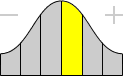
Heart racing/palpitations
Constant fatigue
Having a slight/having a moderate/having a high fever
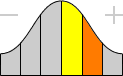
Deep chest pain
Easily being short of/always being short of breath or normal breathlessness
Conditions that suggest Myocarditis
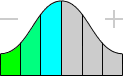
Absence of myocarditis
Recommendations for Myocarditis

Conventional Drugs / Information
Hypersensitivity myocarditis has been associated with the use of methyldopa, hydrochlorothiazide, ampicillin, furosemide, digoxin, tetracycline, aminophylline, phenytoin, benzodiazepines and tricyclic antidepressants. [Archives of
Pathology and Laboratory Medicine, August, 1991;115: pp.764-769
]
Calcium-2AEP
Dr. Hans Nieper, in Germany, developed Calcium EAP. He considers it a sort of cell membrane sealant which protects cell membranes from toxins and immune system aggression without inhibiting the transport of nutrients into the cell. According to Dr.Nieper, electron microscopy, done in a German university, confirmed this. Dr. Nieper used it to treat cases of myocarditis among other conditions.
Key
| Weak or unproven link |
| Strong or generally accepted link |
| Very strongly or absolutely counter-indicative |
| May do some good |
| May have adverse consequences |
Glossary
Virus
Any of a vast group of minute structures composed of a protein coat and a core of DNA and/or RNA that reproduces in the cells of the infected host. Capable of infecting all animals and plants, causing devastating disease in immunocompromised individuals. Viruses are not affected by antibiotics, and are completely dependent upon the cells of the infected host for the ability to reproduce.
Chronic
Usually Chronic illness: Illness extending over a long period of time.
Congestive
Pertaining to accumulation of blood or fluid within a vessel or organ.
Syphilis
A sexually-transmitted disease, with symptoms in the early contagious stages being a sore on the genitalia, a rash, patches of flaking tissue, fever, a sore throat, and sores in the mouth or anus.
Goiter
A chronic enlargement of the thyroid gland produced by the body in an attempt to increase hormone production from limited amount of iodine. It is not due to cancerous growth.
Hypertension
High blood pressure. Hypertension increases the risk of heart attack, stroke, and kidney failure because it adds to the workload of the heart, causing it to enlarge and, over time, to weaken; in addition, it may damage the walls of the arteries.
Hypertrophy
Increase in the size of an organ due to enlargement of its cells; frequently with a corresponding increase in functional capacity.
Acute
An illness or symptom of sudden onset, which generally has a short duration.