Delayed gastric emptying, also known as gastroparesis, is a condition in which the stomach loses its ability to empty properly as a result of poor muscle function. The typical symptoms associated with gastroparesis include nausea, vomiting, bloating, weight loss and feeling of fullness after only a small amount of food is eaten.
Delayed gastric emptying is associated with a variety of symptoms or diseases such as heartburn, irritable bowel syndrome, functional dyspepsia and GERD.
Possible causes of gastroparesis include diabetes, stomach surgery, viral infections, scleroderma and neurological disorders, including Parkinson’s disease and spinal-cord disorders. However, in many cases, no obvious cause for the gastroparesis is found and hypochlorhydria may be causing the delayed stomach emptying.
Before a diagnosis can be made, doctors first rule out an obstruction of the stomach by performing an endoscopic examination or an X-ray study of the upper digestive tract. If no obstruction is found, doctors conduct another test in which the patient eats food that contains radioactive markers. X-ray pictures are taken of the stomach over the next few hours to see how quickly the food moves through it. Newer, less invasive tests, are available.
Therapy for gastroparesis includes dietary and medical components. A liquid diet is often prescribed because the stomach can often process liquids better than solids. Doctors may also advise the patient to eat smaller, more frequent meals.
Signs, symptoms & indicators of Delayed Gastric Emptying (Gastroparesis)
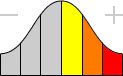
(Possible/confirmed) delayed gastric emptying
Counter Indicators
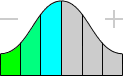
Absence of delayed gastric emptying
Risk factors for Delayed Gastric Emptying (Gastroparesis)
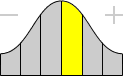
Delayed Gastric Emptying (Gastroparesis) suggests the following may be present
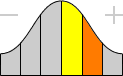
Recommendations for Delayed Gastric Emptying (Gastroparesis)


Key
| Weak or unproven link |
| Strong or generally accepted link |
| Proven definite or direct link |
| Very strongly or absolutely counter-indicative |
| Likely to help |
| Highly recommended |
Glossary
Stomach
A hollow, muscular, J-shaped pouch located in the upper part of the abdomen to the left of the midline. The upper end (fundus) is large and dome-shaped; the area just below the fundus is called the body of the stomach. The fundus and the body are often referred to as the cardiac portion of the stomach. The lower (pyloric) portion curves downward and to the right and includes the antrum and the pylorus. The function of the stomach is to begin digestion by physically breaking down food received from the esophagus. The tissues of the stomach wall are composed of three types of muscle fibers: circular, longitudinal and oblique. These fibers create structural elasticity and contractibility, both of which are needed for digestion. The stomach mucosa contains cells which secrete hydrochloric acid and this in turn activates the other gastric enzymes pepsin and rennin. To protect itself from being destroyed by its own enzymes, the stomach’s mucous lining must constantly regenerate itself.
Nausea
Symptoms resulting from an inclination to vomit.
Irritable Bowel Syndrome
(IBS) A condition that causes upset intestines for a long period of time. It is very unpleasant to the sufferer but tends to be harmless and usually does not lead to more serious complaints. The symptoms vary from person to person and from day to day. In order to be diagnosed with IBS, a person must have at least three of the following symptoms: pain in the lower abdomen; bloating; constipation; diarrhea or alternating diarrhea and constipation; nausea; loss of appetite; tummy rumbling; flatulence; mucous in stools; indigestion; constant tiredness; frequent urination; low back pain; painful intercourse for women.
Dyspepsia
Indigestion.
Gastric Reflux Disease
Gastro-Esophageal Reflux Disease (GERD). A common relapsing condition affecting approximately 10% of the U.S. population and caused by an abnormal exposure of the lower esophagus to refluxed gastric contents, causing irritation and injury to the esophageal tissues. GERD develops as a result of relaxations of the transient lower esophageal sphincter. Typical presenting symptoms are heartburn, an epigastric burning sensation and acid regurgitation. However, some patients may present with atypical symptoms such as chest pain, shortness of breath, wheezing, and coughing.
Diabetes Mellitus
A disease with increased blood glucose levels due to lack or ineffectiveness of insulin. Diabetes is found in two forms; insulin-dependent diabetes (juvenile-onset) and non-insulin-dependent (adult-onset). Symptoms include increased thirst; increased urination; weight loss in spite of increased appetite; fatigue; nausea; vomiting; frequent infections including bladder, vaginal, and skin; blurred vision; impotence in men; bad breath; cessation of menses; diminished skin fullness. Other symptoms include bleeding gums; ear noise/buzzing; diarrhea; depression; confusion.
Parkinson's Disease
A chronic, slowly-progressing disease of the nervous system characterized clinically by the combination of tremor, rigidity, extreme slowness of movement, and stooped posture. It is characterized pathologically by loss of dopamine in the substantia nigra.
Hypochlorhydria
The condition of having low hydrochloric acid levels in the stomach, often the cause of digestive disorders.