Colic affects 20% of babies and is defined by its symptoms rather than a particular cause. A baby is described as having colic if they cry over 3 hours per day at least 3 days a week. Colic is usually found in babies age 2 weeks to 4 months. Most colicky babies cry more in the late evening or at night. Usually by the 4th month the infant stops crying, giving parents some much needed relief.
The actual cause of colic is unknown, but factors which may contribute to colic are intestinal gas pains, overfeeding, or nervous tension. Digestive dysfunction is supported by the fact that colicky babies typically pull their legs up as if experiencing abdominal cramps or pain. However, some experts suggest that abdominal pain is the result of crying rather than the cause as crying may result in swallowing air, with resultant stomach distention.
Another theory is that colicky babies are intolerant of certain types of food such as dairy. This may be the case if a baby cries more after feedings. Some researchers now suggest that some babies suffer from reflux, a condition in which stomach acid is regurgitated causing heartburn.
Risk factors for Colic
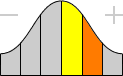
Lactose Intolerance
Pre-incubation of infant feed with lactase reduced crying time and breath hydrogen concentrations in a double-blind, placebo-controlled study of 32 babies with symptoms of colic. [Improvement of symptoms in infant colic following reduction of lactose load with lactase. J Hum Nutr Diet 2001;14(5): pp.359-363]
Key
| Strong or generally accepted link |
Glossary
Stomach
A hollow, muscular, J-shaped pouch located in the upper part of the abdomen to the left of the midline. The upper end (fundus) is large and dome-shaped; the area just below the fundus is called the body of the stomach. The fundus and the body are often referred to as the cardiac portion of the stomach. The lower (pyloric) portion curves downward and to the right and includes the antrum and the pylorus. The function of the stomach is to begin digestion by physically breaking down food received from the esophagus. The tissues of the stomach wall are composed of three types of muscle fibers: circular, longitudinal and oblique. These fibers create structural elasticity and contractibility, both of which are needed for digestion. The stomach mucosa contains cells which secrete hydrochloric acid and this in turn activates the other gastric enzymes pepsin and rennin. To protect itself from being destroyed by its own enzymes, the stomach’s mucous lining must constantly regenerate itself.
Lactase
An enzyme that aids the body in converting lactose to glucose and galactose. It is also necessary for digestion of milk and milk products.