Researchers estimate that 1-2% of the U.S. population has trichotillomania – a compulsion to repetitively pull or pluck one’s hair, resulting in noticeable hair loss. Many people with trichotillomania feel ashamed and embarrassed by their hair pulling, attempt to hide it from friends, co-workers and family members, and do not seek help. Many who consult their personal physician or a dermatologist because of hair loss never reveal the true cause and doctors often fail to consider this diagnosis.
Although trichotillomania can begin in very young children or middle-aged adults, the most common age of onset is during early adolescence. Women seem to be affected more than men with some estimates suggesting a ratio of 3 women to every man.
Trichotillomania is currently categorized as an impulse control disorder in which the urge to pull hair is associated with an increasing sense of tension. The act of pulling itself is presumed to relieve that tension. Trichotillomania has been considered a habit, like nail biting, that can have both a soothing function and potential consequences.
While the actual cause of trichotillomania is not known for certain, several factors appear to play contributing roles:
- Yeast infection. Some consider trichotillomania to be an allergic reaction to the Mallesezia-yeast and that certain foods encourage growth of this yeast in the body. This causes an urge with some people to pull out their own hair. Professor John Kender from Columbia University tried a diet which changed his life dramatically, as well as the lives of hundreds of others with trichotillomania.
- Metabolic abnormalities. Alterations in brain metabolism seem to be involved. Investigators found differences in neuropsychological testing and in special brain scans between people with trichotillomania and people who do not pull out hair. There is some suggestion that abnormalities in the functioning of serotonin, a chemical neurotransmitter in the brain, might be involved. Interestingly, several medications that have shown promise in trichotillomania increase the amount of serotonin available to brain cells.
- Stress. The onset of trichotillomania is sometimes associated with a stressful event and, indeed, stressful life experiences may be important in its development or its continuation. Stressors may include school conflict, abuse, family conflict, threatened loss of a significant other, severe medical illness, or previous scalp trauma or surgery. More often than not, a significant life event cannot be identified that is related to the onset of trichotillomania.
- Family history. There may be some genetic predisposal ion to developing trichotillomania. Relatives of people with the condition have a slightly increased likelihood of developing trichotillomania compared to the general population. In addition, relatives of people with trichotillomania may have a higher prevalence of other psychiatric disorders, particularly depression and obsessive compulsive disorder, than the population at large.
- Unresolved psychological conflicts– Psychoanalysts have suggested that pulling out hair is related to erotic wishes or unresolved life conflicts, or that hair pulling releases unsatisfied sexual tension or substitutes for masturbation. Other theories have suggested that hair pulling is an aggressive reaction against feelings of grief or rage or even against feelings of being deserted or unloved. While all of these ideas are interesting, they are unproven, speculative and have no treatment utility.
Some experts feel that trichotillomania is a variant of obsessive compulsive disorder. Both conditions are characterized by compulsive behavior that is usually recognized as senseless, is difficult to resist, and is associated with anxiety. Also, treatment with medications that have similar effects on serotonin, a brain neurotransmitter, may benefit both trichotillomania and OCD. In addition, OCD is more common in people with trichotillomania than in the general population. Furthermore, the observation that a higher than expected number of relatives of trichotillomania sufferers have obsessive compulsive disorder suggests a genetic link between the two disorders.
On the other hand, in contrast to OCD, people with trichotillomania tend not to have obsessive thoughts, do not engage in rituals other than hair pulling, and have a different pattern of abnormal brain metabolism. Also, trichotillomania patients are more likely to be women while OCD has a more even gender distribution. Consequently, the relationship of trichotillomania to OCD is not fully understood; currently they are thought to be related but distinct disorders.
Most people with the condition experience anxiety; embarrassment, and diminished self-confidence and self-esteem. Attempts to keep the condition a secret can lead to avoidance of everyday activities such as visits to the hairdresser, sports, exercise, dancing, public showers, swimming, and being in brightly lit rooms. Some avoid treatment for medical or dental problems because of concern that their hair pulling will be discovered. Many go to great lengths to conceal their hair pulling and try to camouflage hair loss with different hair styles, make-up, clothing, or wigs or other hair pieces.
Hair pulling very rarely causes irreversible baldness. However, when the behavior stops, hair occasionally grows back gray or white and it may be finer, coarser, or curlier. These changes may normalize over time. While hair pulling is going on, scalp inflammation, irritation, itchiness, and tenderness are common. The trauma of hair pulling also increases the risk for scalp infection. Sometimes repetitive hair pulling can cause problems such as carpal tunnel syndrome, tendonitis, and neck/back strain. Perhaps the most common serious medical complication of trichotillomania is avoiding medical care for other illnesses because of the shame associated with hair pulling and the fear of its discovery.
Some researchers have found that nearly 20% of hair pullers eat their hair or chew off and swallow the root ends. Called trichophagy, it can lead to hair being lodged between the teeth and more seriously to large accumulations of retained hairs in the stomach and digestive tract called trichobezoars (hairballs).
Symptoms of trichobezoars include abdominal pain, nausea, vomiting, and sometimes blood and/or visible hairs in the stool. Trichobezoars can also cause foul breath, poor appetite, constipation, diarrhea, excessive gas, bowel obstruction, and even bowel perforation. Liver and pancreas functions can be adversely altered. Sometimes a physician can feel a trichobezoar by gently pushing in the mid or left upper area of a patient’s abdomen. Trichobezoars can be diagnosed by using special upper gastrointestinal x-rays, looking into the stomach with an endoscope, or using ultrasound. Surgical removal is the most common treatment.
Some researchers have described early onset (childhood) and later onset (adolescence) types of trichotillomania. There is no clear evidence that children with this form of the disorder are at increased risk for developing future psychiatric problems. However, children who are four, five or six and are still pulling their hair may begin to overlap with the later onset type trichotillomania which has a less favorable prognosis.
Signs, symptoms & indicators of Trichotillomania
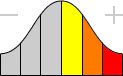
Having trichotillomania
Counter Indicators
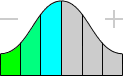
Absence of hair plucking
Risk factors for Trichotillomania
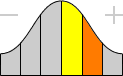
Methylation, Insufficient
Trichotillomania has been associated with OCD and undermethylation. If you can confirm the presence of undermethylation, the patient should benefit from (1) aggressive doses of l-methionine, calcium, magnesium, along with augmenting nutrients zinc, B-6, Inositol, Vitamin A & C and (2) strict avoidance of folic acid, choline, DMAE, and copper supplements. [Willam Walsh, Ph.D., past senior scientist, Pfeiffer Treatment Center www.hriptc.org]
Recommendations for Trichotillomania

Sugars Avoidance / Reduction
If people are interested in seeing if their hair pulling is food-related, there is a simple test that can be done. You should simply eat as many peanut M&Ms as you can stand at one sitting (sugar, chocolate and legumes!), washing them down with Coca-Cola (cola, caffeine and more sugar or aspartame, which is just as bad). If in 2 days there is a noticeable increase in hair pulling urges, then you could consider abstaining from “bad” foods. Unfortunately, it appears to take from 30-40 days to purge the gut and skin of their bad effects fully, and it also seems to take several attempts and about a year of trying for most pullers to achieve the desired results. People report that avoiding sugar and caffeine, which act more quickly, is the most rewarding way to start.
The list of foods that aggravate this condition includes concentrated natural sugars, tomato seeds, soy products, yams, MSG, and ibuprofen. However, there are a few “good” foods, which partially counteract the “bad” ones. They include garlic, most acidic fruits, dry red wine, unsweetened yogurt, and a chemical family called gluconates.
Further information is available from Trichotillomania Library.
Caffeine/Coffee Avoidance
See the link between Trichotillomania and Sugar Avoidance.

Key
| Strong or generally accepted link |
| Proven definite or direct link |
| Very strongly or absolutely counter-indicative |
| May do some good |
| Likely to help |
Glossary
Yeast
A single-cell organism that may cause infection in the mouth, vagina, gastrointestinal tract, and any or all bodily parts. Common yeast infections include candidiasis and thrush.
Metabolism
The chemical processes of living cells in which energy is produced in order to replace and repair tissues and maintain a healthy body. Responsible for the production of energy, biosynthesis of important substances, and degradation of various compounds.
Serotonin
A phenolic amine neurotransmitter (C10H12N2O) that is a powerful vasoconstrictor and is found especially in the brain, blood serum and gastric membranes of mammals. Considered essential for relaxation, sleep, and concentration.
Neurotransmitters
Chemicals in the brain that aid in the transmission of nerve impulses. Various Neurotransmitters are responsible for different functions including controlling mood and muscle movement and inhibiting or causing the sensation of pain.
Obsessive-Compulsive
People with Obsessive-Compulsive Disorder (OCD) have obsessions and/or compulsions. Obsessions refer to recurrent and persistent thoughts, impulses, or images that are intrusive and cause severe anxiety or distress. Compulsions refer to repetitive behaviors and rituals (such as hand washing, hoarding, ordering, checking) or mental acts (like counting, repeating words silently, avoiding). These obsessions and compulsions significantly interfere with normal routine, functioning, social activities and relationships.
Anxiety
Apprehension of danger, or dread, accompanied by nervous restlessness, tension, increased heart rate, and shortness of breath unrelated to a clearly identifiable stimulus.
Carpal Tunnel Syndrome
A common, painful defect of the wrist and hand. It is caused by pressure on the middle nerve in the carpal tunnel. The syndrome is seen more often in women, especially in pregnant and in menopausal women. Symptoms may result from a blow, swelling, a tumor, rheumatoid arthritis, or a small carpal tunnel that squeezes the nerve. Pain may be infrequent or constant and is often most intense at night.
Stomach
A hollow, muscular, J-shaped pouch located in the upper part of the abdomen to the left of the midline. The upper end (fundus) is large and dome-shaped; the area just below the fundus is called the body of the stomach. The fundus and the body are often referred to as the cardiac portion of the stomach. The lower (pyloric) portion curves downward and to the right and includes the antrum and the pylorus. The function of the stomach is to begin digestion by physically breaking down food received from the esophagus. The tissues of the stomach wall are composed of three types of muscle fibers: circular, longitudinal and oblique. These fibers create structural elasticity and contractibility, both of which are needed for digestion. The stomach mucosa contains cells which secrete hydrochloric acid and this in turn activates the other gastric enzymes pepsin and rennin. To protect itself from being destroyed by its own enzymes, the stomach’s mucous lining must constantly regenerate itself.
Nausea
Symptoms resulting from an inclination to vomit.
Constipation
Difficult, incomplete, or infrequent evacuation of dry, hardened feces from the bowels.
Diarrhea
Excessive discharge of contents of bowel.
Gastrointestinal
Pertaining to the stomach, small and large intestines, colon, rectum, liver, pancreas, and gallbladder.
Endoscope
Instrument for examining the interior of a hollow organ.
Calcium
The body's most abundant mineral. Its primary function is to help build and maintain bones and teeth. Calcium is also important to heart health, nerves, muscles and skin. Calcium helps control blood acid-alkaline balance, plays a role in cell division, muscle growth and iron utilization, activates certain enzymes, and helps transport nutrients through cell membranes. Calcium also forms a cellular cement called ground substance that helps hold cells and tissues together.
Magnesium
An essential mineral. The chief function of magnesium is to activate certain enzymes, especially those related to carbohydrate metabolism. Another role is to maintain the electrical potential across nerve and muscle membranes. It is essential for proper heartbeat and nerve transmission. Magnesium controls many cellular functions. It is involved in protein formation, DNA production and function and in the storage and release of energy in ATP. Magnesium is closely related to calcium and phosphorus in body function. The average adult body contains approximately one ounce of magnesium. It is the fifth mineral in abundance within the body--behind calcium, phosphorus, potassium and sodium. Although about 70 percent of the body's magnesium is contained in the teeth and bones, its most important functions are carried out by the remainder which is present in the cells of the soft tissues and in the fluid surrounding those cells.
Zinc
An essential trace mineral. The functions of zinc are enzymatic. There are over 70 metalloenzymes known to require zinc for their functions. The main biochemicals in which zinc has been found to be necessary include: enzymes and enzymatic function, protein synthesis and carbohydrate metabolism. Zinc is a constituent of insulin and male reproductive fluid. Zinc is necessary for the proper metabolism of alcohol, to get rid of the lactic acid that builds up in working muscles and to transfer it to the lungs. Zinc is involved in the health of the immune system, assists vitamin A utilization and is involved in the formation of bone and teeth.
Vitamin B6
Influences many body functions including regulating blood glucose levels, manufacturing hemoglobin and aiding the utilization of protein, carbohydrates and fats. It also aids in the function of the nervous system.
Inositol
Usually considered part of the vitamin B complex. It is thought that along with choline, inositol is necessary for the formation of lecithin within the body. Involved in calcium mobilization.
Vitamin A
A fat-soluble vitamin essential to one's health. Plays an important part in the growth and repair of body tissue, protects epithelial tissue, helps maintain the skin and is necessary for night vision. It is also necessary for normal growth and formation of bones and teeth. For Vitamin A only, 1mg translates to 833 IU.
Folic Acid
A B-complex vitamin that functions along with vitamin B-12 and vitamin C in the utilization of proteins. It has an essential role in the formation of heme (the iron containing protein in hemoglobin necessary for the formation of red blood cells) and DNA. Folic acid is essential during pregnancy to prevent neural tubular defects in the developing fetus.
Choline
A lipotropic substance sometimes included in the vitamin B complex as essential for the metabolism of fats in the body. Precursor to acetylcholine, a major neurotransmitter in the brain. Choline prevents the deposition of fats in the liver and facilitates the movement of fats into the cells. Deficiency leads to cirrhosis of the liver.
Copper
An essential mineral that is a component of several important enzymes in the body and is essential to good health. Copper is found in all body tissues. Copper deficiency leads to a variety of abnormalities, including anemia, skeletal defects, degeneration of the nervous system, reproductive failure, pronounced cardiovascular lesions, elevated blood cholesterol, impaired immunity and defects in the pigmentation and structure of hair. Copper is involved in iron incorporation into hemoglobin. It is also involved with vitamin C in the formation of collagen and the proper functioning in central nervous system. More than a dozen enzymes have been found to contain copper. The best studied are superoxide dismutase (SOD), cytochrome C oxidase, catalase, dopamine hydroxylase, uricase, tryptophan dioxygenase, lecithinase and other monoamine and diamine oxidases.
pH
A measure of an environment's acidity or alkalinity. The more acidic the solution, the lower the pH. For example, a pH of 1 is very acidic; a pH of 7 is neutral; a pH of 14 is very alkaline.