Finding out that you have gestational diabetes can be very frightening. Not only do you have to deal with all the emotions and the questions that come with being pregnant, but also the uncertainty of this new-found condition. Fortunately, there are several things you can do to control or eliminate the problem. It should, however, not be taken lightly, but instead as a warning that dietary and lifestyle changes should be made that you may want to continue beyond your pregnancy.
Gestational diabetes is diabetes mellitus that first appears during pregnancy. It occurs in 3-5% of all pregnancies and in most cases is managed by diet and exercise, disappearing after the baby is born. Very few women with gestational diabetes require insulin to control it. Glucose testing may begin as early as 16 weeks but will more often take place during week 24 to 28. You may think this is too late in your pregnancy to be finding out about such a problem, but in most cases screening before this time would be of little value. It is the hormonal changes in the second and third trimesters of pregnancy, along with the growth demands of the fetus, that increase a pregnant woman’s insulin needs by two to three times normal. If your body cannot make this amount of insulin, sugar from the foods you eat will stay in your blood stream and become elevated.
Risk factors for Gestational Diabetes Tendency
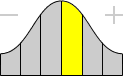
Aerobic Exercise Need
Exercising during pregnancy stimulates glucose transport and can help control gestational diabetes without the use of insulin. Moderate workouts appear safe for most females with gestational diabetes. [The Physician and Sports Medicine, March, 1996;24(3): pp.54-66]
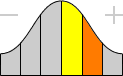
Vitamin B6 Requirement
By impairing pancreatic insulin production, vitamin B6 deficiency may increase the tendency towards hyperglycemia in cases of gestational diabetes. [J Am Coll Nutr 15(1): pp.14-20, 1996] Supplementation with vitamin B6 may be beneficial during this condition. [Editorial, Lancet: pp.788-9, 1976, J Optimal Nutr 2(4): pp.239-43, 1993]
In one study of 14 women with gestational diabetes, taking 100mg of vitamin B6 for 2 weeks resulted in eliminating this diagnosis in 12 of the 14 women.
Magnesium Requirement
By impairing pancreatic insulin production, magnesium deficiency may increase the tendency towards hyperglycemia in cases of gestational diabetes. [J Am Coll Nutr 15(1): pp.14-20, 1996]
Hypokalemia / Potassium Need
By impairing pancreatic insulin production, potassium deficiency may increase the tendency towards hyperglycemia in cases of gestational diabetes. [J Am Coll Nutr 15(1): pp.14-20, 1996]
Chromium Deficiency
Impaired chromium utilization may be a cause of gestational diabetes. By impairing pancreatic insulin production, chromium deficiency may increase the tendency towards hyperglycemia in gestational diabetes. [J Am Coll Nutr 15(1): pp.14-20, 1996] Hair chromium concentrations were significantly lower in 68 samples taken from non-diabetic pregnant women than in 42 samples from gestational diabetics (472ng/gm versus 734ng/gm). [Am J Clin Nutr 55: pp.104-7, 1992]
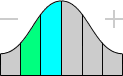
Not having had gestational diabetes
Gestational Diabetes Tendency suggests the following may be present
Increased Risk of Diabetes ll
Previous gestational diabetes has been established as an additional risk factor for developing adult onset diabetes.
Key
| Weak or unproven link |
| Strong or generally accepted link |
| Strongly counter-indicative |
Glossary
Gestational Diabetes
Gestational diabetes is defined as any degree of glucose intolerance with the onset or first recognition occurring during pregnancy. Many pregnant women do not notice any symptoms of diabetes, but urine and blood tests may show that they have it. Symptoms of diabetes may include thirst, weight loss, eating too much, urinating in large quantities and unexplained fatigue.
Diabetes Mellitus
A disease with increased blood glucose levels due to lack or ineffectiveness of insulin. Diabetes is found in two forms; insulin-dependent diabetes (juvenile-onset) and non-insulin-dependent (adult-onset). Symptoms include increased thirst; increased urination; weight loss in spite of increased appetite; fatigue; nausea; vomiting; frequent infections including bladder, vaginal, and skin; blurred vision; impotence in men; bad breath; cessation of menses; diminished skin fullness. Other symptoms include bleeding gums; ear noise/buzzing; diarrhea; depression; confusion.
Insulin
A hormone secreted by the pancreas in response to elevated blood glucose levels. Insulin stimulates the liver, muscles, and fat cells to remove glucose from the blood for use or storage.
Glucose
A sugar that is the simplest form of carbohydrate. It is commonly referred to as blood sugar. The body breaks down carbohydrates in foods into glucose, which serves as the primary fuel for the muscles and the brain.
Vitamin B6
Influences many body functions including regulating blood glucose levels, manufacturing hemoglobin and aiding the utilization of protein, carbohydrates and fats. It also aids in the function of the nervous system.
Milligram
(mg): 1/1,000 of a gram by weight.
Magnesium
An essential mineral. The chief function of magnesium is to activate certain enzymes, especially those related to carbohydrate metabolism. Another role is to maintain the electrical potential across nerve and muscle membranes. It is essential for proper heartbeat and nerve transmission. Magnesium controls many cellular functions. It is involved in protein formation, DNA production and function and in the storage and release of energy in ATP. Magnesium is closely related to calcium and phosphorus in body function. The average adult body contains approximately one ounce of magnesium. It is the fifth mineral in abundance within the body--behind calcium, phosphorus, potassium and sodium. Although about 70 percent of the body's magnesium is contained in the teeth and bones, its most important functions are carried out by the remainder which is present in the cells of the soft tissues and in the fluid surrounding those cells.
Potassium
A mineral that serves as an electrolyte and is involved in the balance of fluid within the body. Our bodies contain more than twice as much potassium as sodium (typically 9oz versus 4oz). About 98% of total body potassium is inside our cells. Potassium is the principal cation (positive ion) of the fluid within cells and is important in controlling the activity of the heart, muscles, nervous system and just about every cell in the body. Potassium regulates the water balance and acid-base balance in the blood and tissues. Evidence is showing that potassium is also involved in bone calcification. Potassium is a cofactor in many reactions, especially those involving energy production and muscle building.
Chromium
Chromium is a mineral that becomes a part of the glucose tolerance factor (GTF). Chromium aids in insulin utilization and blood sugar control. By controlling blood sugar, chromium helps prevent the damage caused by glucose, which is called glycation. Chromium helps maintain normal cholesterol levels and improves high-density lipoprotein levels. Chromium is also important in building muscle and reducing obesity.
ng
Nanogram: 0.000000001 or a billionth of a gram.
Gram
(gm): A metric unit of weight, there being approximately 28 grams in one ounce.