The term phlebitis refers to an inflammation of a vein, usually in the leg, frequently accompanied by blood clots that adhere to the wall of the vein. When the affected vein is close to the surface, the condition is called superficial phlebitis. This condition usually resolves on its own without further complications. However, when phlebitis occurs in a deep vein, it is called deep vein thrombosis (DVT). DVT is a life-threatening condition because a clot could dislodge from the vein and lodge in the lungs. If a swollen, painful vein does not disappear within 2 weeks, consult a physician.
Symptoms of superficial phlebitis include pain, swelling, redness, and warmth around the affected vein. The vein feels hard to the touch because of the clotted blood.
Deep vein thrombosis is more difficult to diagnose. It can occur without any symptoms until the clot reaches the lungs. However, in about half of cases, there are warning symptoms including swelling, pain and warmth in the entire calf, ankle, foot, or thigh (depending on where the involved vein is located). Although these symptoms can also be caused by more benign conditions, deep vein thrombosis is such a life-threatening disorder that physician consultation is necessary.
Risk factors for any type of phlebitis include recent surgery or childbirth, varicose veins, inactivity, sitting for long periods (such as on a long airplane ride), and smoking. Prolonged placement of intravenous catheters can also cause phlebitis, possibly requiring antibiotic treatment. The use of progestins (synthetic progesterones, but not natural progesterone) will increase the likelihood of deep vein thrombophlebitis by 3 to 4 times.
Conventional treatments for superficial phlebitis include analgesics for pain, warm compresses, and compression bandages or stockings to increase blood flow. In more severe cases, anticoagulants or minor surgery may be required. Superficial phlebitis inflammation generally is reduced within 7-10 days, but it may be 3-6 weeks for the problem to be entirely gone.
Deep vein thrombosis requires more aggressive treatment, including hospitalization, strong anticoagulants, and a variety of possible surgical procedures.
Note: Because deep vein phlebitis is a potentially life-threatening disorder, you should seek a doctor’s advice before attempting any natural treatments.
Signs, symptoms & indicators of Phlebitis / Thrombophlebitis
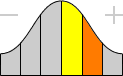
Edema
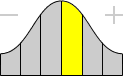
Having a slight/having a moderate/having a high fever
Conditions that suggest Phlebitis / Thrombophlebitis
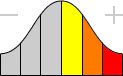
History of/having thrombo/having phlebitis
Counter Indicators
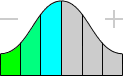
Absence of phlebitis
Risk factors for Phlebitis / Thrombophlebitis
Varicose Veins
Thrombophlebitis is common in people who have varicose veins but may be prevented as long as the patient wears support stockings, walks regularly and elevates the legs while sitting.
Cigarette Smoke Damage
Smoking increases the risk of phlebitis.
Progestin use
The use of progestins (synthetic progesterones, but not natural progesterone) will increase the likelihood of deep vein thrombophlebitis by 3 to 4 times.
Phlebitis / Thrombophlebitis suggests the following may be present
Varicose Veins
Thrombophlebitis is common in people who have varicose veins but may be prevented as long as the patient wears support stockings, walks regularly and elevates the legs while sitting.
Recommendations for Phlebitis / Thrombophlebitis

Grape Seed Extract / Resveratrol
One month of treatment with Pycnogenol (360mg per day reduced lower limb circumference and improved subjective symptoms better than horse chestnut seed extract in a study of 40 patients with diagnosed chronic venous insufficiency. [Phytother Res 2002;16(2): pp.1-5]
Horse Chestnut (Aesculus hippocastanum)
Horse chestnut is often used for chronic venous insufficiency and varicose veins – conditions related to phlebitis. For this reason, horse chestnut is sometimes recommended for phlebitis as well, but may be better suited for prevention of the condition.

Therapeutic Fasting
Increased fibrinolysis during fasting may account for the dramatic improvement seen when patients suffering from thrombophlebitis fast.

Bromelain
Due to its anti-inflammatory properties and ability to prevent blood platelet aggregation, bromelain has been suggested as a treatment for phlebitis. There are some positive reports in clinical trials of bromelain improving thrombophlebitis. [Planta Med 1990 56:249, Alt. Med. Rev. 1996 1:243, Angiology. 1969;20: pp.22-26]
Conventional Drugs / Information
Subcutaneous (beneath the skin) injection of the original and less expensive form of the anticoagulant medication heparin is as effective and safe as subcutaneous administration of the newer and more expensive low-molecular-weight heparin for treatment of venous thromboembolism.
“We conclude that fixed-dose subcutaneous unfractionated heparin is as effective and safe as low-molecular-weight heparin for initial treatment of patients with venous thromboembolism and is suitable for treatment at home,” they write. “In addition, the results of this study question the value of APTT monitoring in patients who are treated with currently recommended doses of unfractionated heparin.” [JAMA. 2006;296: pp.935-942]
Fibrinolytic Enzymes
As an example of the abiltiy of fibrinolytic enzymes to help prevent problems with veins, consider the following study.
Treatment with pinokinase (Flite Tabs; 300mg 2 hours before flights and 300mg 6 hours later) plus an in-flight exercise and hydration program, prevented deep vein thombosis (DVT), superficial thrombosis (ST) and post-flight edema, but had no effect on in-flight edema, in a study of 204 adults at risk for developing venous thromboses who flew on 7 to 8 hour flights.
Pinokinase is a proprietary blend of Pycnogenol (French maritime pine bark extract) and nattokinase (an enzyme extracted from the food product, natto, made from soybeans fermented with Bacillus natto). [Angiology 2003;54:T1-9]
Aerobic Exercise
It is important to get regular moderate exercise. Walking is the best, and swimming may also be helpful. Regular exercise increases the body’s ability to dissolve clots.
If you are prone to this condition, wherever you may be, do not sit for long periods of time without getting up and walking around. Better yet, every hour exercise the legs for 2 minutes, as if you are riding a bike (lifting the legs) while breathing deeply. Do not squat (sit back on your heels), except momentarily. If you have to travel a distance while seated (airplane, car, etc.), stop and walk around every so often. Do not let the circulation become sluggish.
Traveling for more than 4 hours by air, car, bus or train is associated with an increased risk of venous thrombosis. In a large study (the MEGA study) of nearly 2000 people with a first thrombosis in the Netherlands, Dr Suzanne Cannegieter and colleagues from the Leiden University Medical Center looked at the risk factors for thrombosis compared with their partners, who did not have thrombosis. The results, published in the international open-access medical journal PLoS Medicine, showed that 233 of the people with thrombosis had traveled for more than 4 h in the 8 weeks preceding the event. Although the overall risk of developing thrombosis is still low, traveling in general was found to increase the risk of venous thrombosis 2-fold. The risk was highest in the first week after traveling, and the overall risk of flying was largely similar to the risks of traveling by car, bus, or train. [PLoS Med 3(8): e307]
Incline Board
Superficial phlebitis can be treated by elevating the leg frequently. It is not necessary to rest in bed but, every so often, rest with the leg 6-10 inches above the heart. This speeds the healing process. You can also lie on a slant board, if available, with your feet higher than your head for 15 minutes per day, especially if you stand on your feet a lot.
If you have to lie in bed for a long time, move your legs every so often to increase circulation. Elevate the foot of your bed by several inches to reduce venous pressure in your legs, which also reduces edema and pain. Do not use pillows under the legs, for doing so may reduce circulation.
Hydrotherapy
Hot packs may be helpful for superficial thrombophlebitis but probably will not benefit deep vein thrombosis. Taking alternating hot and cold sitz baths or using alternating hot and cold compresses may help improve circulation in the affected area.
Also, keep the affected leg elevated 6 to 12 inches above the level of the heart when applying moist heat. It may help to keep your feet up all night long. You can elevate the foot of your bed several inches with wooden blocks.
Vitamin E
Milroy’s disease is a rare, incurable disease due to poor development of the lymphatic system, with a consequent chronic pooling of lymph in the legs often with recurring attacks of thrombophlebitis. Every case Dr. Shute, MD treated with vitamin E resulted in a positive response, with some cases being fully cured. The dose of vitamin E used for thrombophlebitis is 600-1,600 IU daily.
Key
| Weak or unproven link |
| Strong or generally accepted link |
| Proven definite or direct link |
| Very strongly or absolutely counter-indicative |
| May do some good |
| Likely to help |
| Highly recommended |
Glossary
Phlebitis
Inflammation of a vein. Symptoms of superficial phlebitis include pain, swelling, redness, and warmth around the affected vein. The vein feels hard to the touch because of the clotted blood.
Thrombosis
Formation of blood clots causing vascular obstruction.
Benign
Literally: innocent; not malignant. Often used to refer to cells that are not cancerous.
Varicose Veins
Twisted, widened veins with incompetent valves.
Thrombophlebitis
Venous inflammation with formation of clots. It can occur without any symptoms until the clot reaches the lungs. However, in about half of cases, there are warning symptoms including swelling, pain and warmth in the entire calf, ankle, foot, or thigh (depending on where the involved vein is located).