Acidosis is an abnormality that reflects an acid pH in the tissues. The naturopathic theory behind a proper dietary acid/alkaline balance is that because our body’s blood pH is slightly alkaline, with a normal range of 7.36-7.44, our diet should reflect this preference and tend more towards alkaline foods. An imbalanced, acidic diet high in animal protein, sugar, caffeine and processed foods tends to disrupt this pH balance. This deprives the body of alkaline minerals such as sodium, potassium, magnesium and calcium and leaves us prone to chronic and degenerative diseases.
Metabolic and respiratory acidosis, as viewed by the medical community, are a more extreme form of pH imbalance resulting from a variety of more serious disorders.
Signs, symptoms & indicators of Acidosis
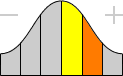
Excess/using medication for allergy/ mucous
Frequent colds/flus
Being severely affected by flus
Irritability
Being anxious/nervous
Conditions that suggest Acidosis
Osteoporosis / Risk
Acidic diets (high in protein and refined food) will cause bone calcium leaching in order to maintain your blood pH balance. Chronic leeching of calcium from the bones increases the likelihood of osteoporosis. [Am. J. Clin. Nutr. 2001: 73, pp.118-122, Lancet 1968:1, pp.958-959]
Neuritis/Neuropathy
A contributing cause of neuritis is chronic acidosis, that is, excessive acid condition of the blood and other body fluids. All the body fluids should be alkaline in their reaction, but when the acidic wastes are continuously formed in the tissues over a long period due to a faulty diet, it can result in an overly acid state. Stress and over work lower the tone of nervous system and contribute towards acidic neuritis.
Nasal congestion
Risk factors for Acidosis
Low CO2
Regular/limited/high intake of red meat consumption
High processed meat consumption
Recommendations for Acidosis

Alkalizing Agents/Diet
Foods that leave an acidic ash after being metabolized include proteins, starches, alcohol and sugar. These should be avoided when tissue acidosis is suspected. When these types of food are avoided, the tissues become more alkaline. An alkaline diet is composed of approximately 75% alkaline foods and 25% acid foods.
Low acid fruits, vegetables, some fish and poultry, nuts/seeds, legumes and whole grains are the basis for an alkalinizing diet. A list of the acid and alkaline forming foods can be found on our web site. Acid Alkaline Chart.
Nutritionally important alkaline minerals include calcium, potassium, magnesium, cesium and sodium. Sodium is not generally recommended for alkalizing purposes though.


Key
| Strong or generally accepted link |
| May do some good |
| Likely to help |
| Highly recommended |
Glossary
pH
A measure of an environment's acidity or alkalinity. The more acidic the solution, the lower the pH. For example, a pH of 1 is very acidic; a pH of 7 is neutral; a pH of 14 is very alkaline.
Naturopathy
Medical practice using herbs and other various methods to produce a healthy body state by stimulating innate defenses without the use of drugs.
Score
a:10:{s:4:"type";s:4:"text";s:12:"instructions";s:0:"";s:8:"required";i:0;s:17:"conditional_logic";i:0;s:7:"wrapper";a:3:{s:5:"width";s:0:"";s:5:"class";s:0:"";s:2:"id";s:0:"";}s:13:"default_value";s:0:"";s:11:"placeholder";s:0:"";s:7:"prepend";s:0:"";s:6:"append";s:0:"";s:9:"maxlength";s:0:"";}
Protein
Compounds composed of hydrogen, oxygen, and nitrogen present in the body and in foods that form complex combinations of amino acids. Protein is essential for life and is used for growth and repair. Foods that supply the body with protein include animal products, grains, legumes, and vegetables. Proteins from animal sources contain the essential amino acids. Proteins are changed to amino acids in the body.
Mineral
Plays a vital role in regulating many body functions. They act as catalysts in nerve response, muscle contraction and the metabolism of nutrients in foods. They regulate electrolyte balance and hormonal production, and they strengthen skeletal structures.
Sodium
An essential mineral that our bodies regulate and conserve. Excess sodium retention increases the fluid volume (edema) and low sodium leads to less fluid and relative dehydration. The adult body averages a total content of over 100 grams of sodium, of which a surprising one-third is in bone. A small amount of sodium does get into cell interiors, but this represents only about ten percent of the body content. The remaining 57 percent or so of the body sodium content is in the fluid immediately surrounding the cells, where it is the major cation (positive ion). The role of sodium in the extracellular fluid is maintaining osmotic equilibrium (the proper difference in ions dissolved in the fluids inside and outside the cell) and extracellular fluid volume. Sodium is also involved in nerve impulse transmission, muscle tone and nutrient transport. All of these functions are interrelated with potassium.
Potassium
A mineral that serves as an electrolyte and is involved in the balance of fluid within the body. Our bodies contain more than twice as much potassium as sodium (typically 9oz versus 4oz). About 98% of total body potassium is inside our cells. Potassium is the principal cation (positive ion) of the fluid within cells and is important in controlling the activity of the heart, muscles, nervous system and just about every cell in the body. Potassium regulates the water balance and acid-base balance in the blood and tissues. Evidence is showing that potassium is also involved in bone calcification. Potassium is a cofactor in many reactions, especially those involving energy production and muscle building.
Magnesium
An essential mineral. The chief function of magnesium is to activate certain enzymes, especially those related to carbohydrate metabolism. Another role is to maintain the electrical potential across nerve and muscle membranes. It is essential for proper heartbeat and nerve transmission. Magnesium controls many cellular functions. It is involved in protein formation, DNA production and function and in the storage and release of energy in ATP. Magnesium is closely related to calcium and phosphorus in body function. The average adult body contains approximately one ounce of magnesium. It is the fifth mineral in abundance within the body--behind calcium, phosphorus, potassium and sodium. Although about 70 percent of the body's magnesium is contained in the teeth and bones, its most important functions are carried out by the remainder which is present in the cells of the soft tissues and in the fluid surrounding those cells.
Calcium
The body's most abundant mineral. Its primary function is to help build and maintain bones and teeth. Calcium is also important to heart health, nerves, muscles and skin. Calcium helps control blood acid-alkaline balance, plays a role in cell division, muscle growth and iron utilization, activates certain enzymes, and helps transport nutrients through cell membranes. Calcium also forms a cellular cement called ground substance that helps hold cells and tissues together.
Chronic
Usually Chronic illness: Illness extending over a long period of time.
Metabolism
The chemical processes of living cells in which energy is produced in order to replace and repair tissues and maintain a healthy body. Responsible for the production of energy, biosynthesis of important substances, and degradation of various compounds.
Osteoporosis
A disease in which bone tissue becomes porous and brittle. The disease primarily affects postmenopausal women.
Neuritis
Nerve inflammation, commonly accompanying other conditions such as tendonitis, bursitis or arthritis. Neuritis is usually accompanied by neuralgia (nerve pain).
Nervous System
A system in the body that is comprised of the brain, spinal cord, nerves, ganglia and parts of the receptor organs that receive and interpret stimuli and transmit impulses to effector organs.