Positive self-esteem improves one’s health, sociability and general attitude towards life. Of all the judgments you make in life, few are as important as the one you make about yourself. The difference between low self-esteem and high self-esteem is the difference between passivity and action, between failure and success.
Having a positive self-image is sometimes frowned upon in certain belief systems. Labels such as pride, arrogance, and conceit can sometimes cause us to consciously impose a more negative view of ourselves than is warranted. While arrogance and selfishness should be guarded against, the fear of them should not be an excuse for maintaining or wallowing in low self-esteem.
Negative self-esteem is a habit – a highly addictive habit – and there is little good or worthwhile about having a low opinion of oneself. Habits can be changed.
Books that others have found useful for evaluating, understanding and improving low sef-esteem include:
Breaking the Chain of Low Self-Esteem by Marilyn J. Sorensen and either The Six Pillars of Self-Esteem or How to Raise Your Self-Esteem by Nathaniel Branden.
Risk factors for Low Self-Esteem
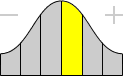
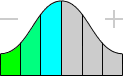
High self-esteem
Low Self-Esteem suggests the following may be present
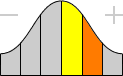
Recommendations for Low Self-Esteem

Posture Improvement
While poor self-esteem can contribute to poor posture, the idea that improving posture can improve self-esteem is surprising to some people. Citing his recent posture study of five women between the ages of 20 and 50, Aaron Parnell, a personal trainer, concludes that poor posture can lock negative emotions in the body. “Good posture emanates positive feelings in personal strength and self awareness, which leads to more self confidence.”
After the women went through a series of specific body restructuring treatments to improve their posture, all of them showed remarkable differences in their self-esteem. Most of the women were expecting the body treatments, which use certain stretching and breathing techniques, to release tension and straighten-out their bodies. None realized it would affect their self-esteem. 100% reported they were much more bold and willing to take risks at work. 80% said they had more energy and were jumping out of bed in the mornings. 60% said their bodies were looking and feeling more feminine. All of them volunteered that they were more self-accepting now that they were in touch with their bodies; they felt more comfortable with who they were.
See a posture specialist, chiropractor, yoga teacher or deep tissue body worker to help undo years of poor posture habits. While it is becoming clear that posture and self-esteem directly influence each other, more study needs to be done on the connection between posture improvement and self-esteem enhancement.

Mental Exercises
A useful technique for increasing self-esteem is to talk oneself into it – this is called the argumentative technique. You should come up with counter-arguments against low self esteem, just as if you were participating in a debate. This can be a down and dirty process and it’s pretty much no holds barred. Using every argument at your disposal, counter the thoughts, concepts and emotions that are currently convincing you that you aren’t worth much. When you “hear” yourself thinking a thought such as “You do that every time… how could you be so stupid?”, respond in some positive manner to that thought. Examples might include:
Key
| Weak or unproven link |
| Strong or generally accepted link |
| Very strongly or absolutely counter-indicative |
| Likely to help |
| Highly recommended |