Caffeine intoxication usually occurs with consumption above 250mg (equivalent to about 2 1/2 cups of coffee). Caffeine is a central nervous system stimulant and may be taken to help restore mental alertness when unusual tiredness, weakness or drowsiness occurs. Caffeine’s use as an alertness aid should be only occasional. It is not intended to replace sleep and should not be used regularly for this purpose.
The amount of caffeine in some common foods and beverages is as follows:
- Coffee, brewed – 40 to 180mg per cup
- Coffee, instant – 30 to 120mg per cup
- Coffee, decaffeinated – 3 to 5mg per cup
- Tea, brewed American – 20 to 90mg per cup
- Tea, brewed imported – 25 to 110mg per cup
- Tea, instant – 28mg per cup
- Tea, canned iced – 22 to 36mg per 12 ounces
- Cola and other soft drinks, caffeine-containing – 36 to 90mg per 12 ounces
- Cola and other soft drinks, decaffeinated – 0mg per 12 ounces
- Cocoa – 4mg per cup
- Chocolate, milk – 3 to 6mg per ounce
- Chocolate, bittersweet – 25mg per ounce
Signs, symptoms & indicators of Caffeine Intoxication
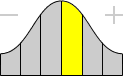
Heart racing/palpitations
Caffeine intoxication can cause a rapid or ‘pounding’ heart rate.
Arrhythmia
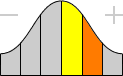
Negative reaction to coffee
Fatigue that worsens during the day
Caffeine is known to cause periods of exhaustion.
Constant fatigue
Hyperactivity
High caffeine levels can cause restlessness.
Being anxious/nervous
Irritability
Being easily excitable
An overstimulated mind
Caffeine intoxication is known to cause rambling thought and speech.
Dark/dark/flushed facial coloring
Facial flushing
Conditions that suggest Caffeine Intoxication
Dehydration
Dehydration may result from the increased urinary frequency brought on by caffeine.
Lack of Sleep
It almost goes without saying that coffee decreases the quality of sleep and is one of the leading causes of sleep disturbance. Coffee drinkers are sleepier and groggier than non-coffee drinkers when they get up in the morning, causing them to depend on coffee to get them going. This grogginess may be the result of their entering caffeine withdrawal during the night, or that drinking coffee kept them from sleeping well in the first place, or both.
Restless Leg Syndrome (RLS) / Periodic Limb Movement Disorder (PLMD)
Excess caffeine levels cause restlessness. Caffeine has been shown to increase subjects’ proneness to develop RLS at lower levels of blood glucose. It is therefore no surprise that a xanthine-free diet (no coffee, tea, cola beverages, cocoa) has been reported to be another effective dietary measure RLS sometimes following a short period of caffeine withdrawal. [J Clin Psychiatry 39: pp.693-8, 1978; Ann Intern Med 119: pp.799-804, 1993]
Increased Urinary Frequency
Caffeine is a diuretic, causing increased urination.
Risk factors for Caffeine Intoxication
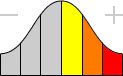
Significant/moderate caffeine supplementation
(High) tea consumption
(High) coffee consumption
Caffeinated soft drink consumption
Counter Indicators
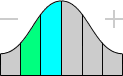
Coffee consumption
Caffeine Intoxication can lead to
Dehydration
Dehydration may result from the increased urinary frequency brought on by caffeine.
Recommendations for Caffeine Intoxication

Key
| Weak or unproven link |
| Strong or generally accepted link |
| Proven definite or direct link |
| Strongly counter-indicative |
| Highly recommended |
Glossary
Milligram
(mg): 1/1,000 of a gram by weight.
Nervous System
A system in the body that is comprised of the brain, spinal cord, nerves, ganglia and parts of the receptor organs that receive and interpret stimuli and transmit impulses to effector organs.
Glucose
A sugar that is the simplest form of carbohydrate. It is commonly referred to as blood sugar. The body breaks down carbohydrates in foods into glucose, which serves as the primary fuel for the muscles and the brain.
Diuretic
An agent increasing urine flow, causing the kidneys to excrete more than the usual amount of sodium, potassium and water.