When testosterone levels are consistently raised above normal levels in males, the cause should be investigated. This unusual situation has been linked to hyperthyroidism, androgen resistance, adrenal gland tumors and precocious puberty.
Signs, symptoms & indicators of Elevated Testosterone Level, Male
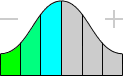
Having very/having low testosterone levels or having normal testosterone levels
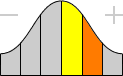
Voice change
A hard-driving personality
Excess secretion of testosterone (a hormone associated with male aggressive behavior) is reported in Type A personality patients.
Conditions that suggest Elevated Testosterone Level, Male
Elevated SHBG
Numerous studies have shown that total testosterone (free+SHBG bound+albumin bound) correlates with SHBG levels. As SHBG levels rise, testosterone is believed to partition out of the free and albumin bound phases into the SHBG phase. Testosterone bound tightly to SHBG is less subject to the action of metabolic enzymes. Hence the increase in SHBG bound testosterone leads to a decrease in the metabolic clearance rate of testosterone, with a corresponding increase in total plasma testosterone.
Increased Risk of Prostate Cancer
Men older than 50 who have higher levels of testosterone have a higher risk of prostate cancer, U.S. researchers reported. [Presentation at the American Urological Association in San Francisco, May 2004]
A study of more than 750 men showed those with the highest levels of free testosterone in the blood were the most likely to have prostate cancer.
The findings may mean that men should be cautious about testosterone replacement therapy, which is being used in older men who see a decline in general health and vigor.
“Since testosterone replacement therapy increases the amount of free testosterone in the blood, older men considering or receiving testosterone replacement should be counseled as to the association until data from long-term clinical trials becomes available,” J. Kellogg Parsons, a urologist at Johns Hopkins University who led the study, said in a statement.
The association between free testosterone and prostate cancer risk in older men was not affected by height, weight, percent of body fat or muscle mass, Parsons told a meeting of the American Urological Association in San Francisco.
Duke University Medical Center researchers have also found preliminary evidence suggesting a man’s lifetime risk of prostate cancer may be linked to the amount of male hormone testosterone circulating in his body as early as puberty or even in utero, although direct evidence of this link remains to be shown.
The two possible risk factors they found – high “free” testosterone levels in adulthood and a small shoulder span in relation to body size – appear to be unrelated to one another. Demark-Wahnefried’s research set out to measure the link between prostate cancer and factors such as height, weight, musculature and baldness – all of which are related to hormones. The two-year, blinded, case-controlled study compared a group of 159 men with prostate cancer to a control group of 156 men who had come to the urology clinic for prostate screenings and other concerns such as kidney stones. Subjects were aged 50 to 70 years.
In the first phase of the study, Demark-Wahnefried and her colleagues at the Duke Comprehensive Cancer Center found nearly a two-fold increase in the risk of prostate cancer among men with high “free” testosterone levels, the form of testosterone that can readily be used by cells throughout the body. While the link between testosterone and prostate cancer has been made before, previous studies have measured “total” testosterone, a less active form of the hormone that is bound to specific protein and thus cannot enter the cells.
Elevated Testosterone Level, Male suggests the following may be present
Recommendations for Elevated Testosterone Level, Male

Licorice Root (Glycyrrhiza glabra)
17 healthy males between 22 and 24 years of age consumed 7g/day of licorice tablets containing 7.6% glycyrrhizic acid over a 7-day period. On days 4 and 8, serum testosterone levels were decreased by 25%, with an increase in 17-hydroxyprogesterone and luteinizing hormone, and a slight but not significant reduction in free testosterone. [Exp Clin Endocrinol Diabetes. 2003;111: pp.341-343]

Diindolylmethane DIM / Indole 3 Carbinol IC3
Aromatase inhibitors like diindolylmethane (DIM), Indole 3 carbinol, and chrysin should be avoided, as they will enhance any preexisting androgen / estrogen dominance.

Key
| Strong or generally accepted link |
| Very strongly or absolutely counter-indicative |
| May do some good |
| Highly recommended |
| Reasonably likely to cause problems |
Glossary
Testosterone
The principal male sex hormone that induces and maintains the changes that take place in males at puberty. In men, the testicles continue to produce testosterone throughout life, though there is some decline with age. A naturally occurring androgenic hormone.
Hyperthyroidism
An abnormal condition of the thyroid gland resulting in excessive secretion of thyroid hormones characterized by an increased metabolism and weight loss.
Androgen
Any steroid hormone that increases male characteristics.
Hormones
Chemical substances secreted by a variety of body organs that are carried by the bloodstream and usually influence cells some distance from the source of production. Hormones signal certain enzymes to perform their functions and, in this way, regulate such body functions as blood sugar levels, insulin levels, the menstrual cycle, and growth. These can be prescription, over-the-counter, synthetic or natural agents. Examples include adrenal hormones such as corticosteroids and aldosterone; glucagon, growth hormone, insulin, testosterone, estrogens, progestins, progesterone, DHEA, melatonin, and thyroid hormones such as thyroxine and calcitonin.
Metabolism
The chemical processes of living cells in which energy is produced in order to replace and repair tissues and maintain a healthy body. Responsible for the production of energy, biosynthesis of important substances, and degradation of various compounds.
Enzymes
Specific protein catalysts produced by the cells that are crucial in chemical reactions and in building up or synthesizing most compounds in the body. Each enzyme performs a specific function without itself being consumed. For example, the digestive enzyme amylase acts on carbohydrates in foods to break them down.
Prostate
The prostate gland in men that surrounds the neck of the bladder and the urethra and produces a secretion that liquefies coagulated semen.
Cancer
Refers to the various types of malignant neoplasms that contain cells growing out of control and invading adjacent tissues, which may metastasize to distant tissues.
Kidney Stone
A stone (concretion) in the kidney. If the stone is large enough to block the tube (ureter) and stop the flow of urine from the kidney, it must be removed by surgery or other methods. Also called Renal Calculus. Symptoms usually begin with intense waves of pain as a stone moves in the urinary tract. Typically, a person feels a sharp, cramping pain in the back and side in the area of the kidney or in the lower abdomen. Sometimes nausea and vomiting occur. Later, pain may spread to the groin. The pain may continue if the stone is too large to pass; blood may appear in the urine and there may be the need to urinate more often or a burning sensation during urination. If fever and chills accompany any of these symptoms, an infection may be present and a doctor should be seen immediately.
Protein
Compounds composed of hydrogen, oxygen, and nitrogen present in the body and in foods that form complex combinations of amino acids. Protein is essential for life and is used for growth and repair. Foods that supply the body with protein include animal products, grains, legumes, and vegetables. Proteins from animal sources contain the essential amino acids. Proteins are changed to amino acids in the body.