Sickle Cell anemia is a group of inherited red blood cell disorders. Normal red blood cells are round like doughnuts, and move through small blood tubes in the body to deliver oxygen. Sickle red blood cells become hard, sticky and crescent shaped. When these cells go through the capillaries, they clog the flow and break apart. This can cause pain, damage, a low blood count or anemia.
There is a substance in the red cell called hemoglobin that carries oxygen inside the cell. One little change in this substance causes the hemoglobin to form long rods in the red cell when it gives away oxygen. These rigid rods change the red cell into a sickle shape.
You inherit the abnormal hemoglobin from both parents who may be carriers with the sickle cell trait or have sickle cell disease. You are born with the sickle cell hemoglobin and it is present for life. Sickle cell is in many nationalities including African Americans, Arabs, Greeks, Italians, Latin Americans and Native Americans. All races should be screened for this hemoglobin at birth.
A simple blood test called the hemoglobin electrophoresis can be done by your doctor or local sickle cell foundation. This test will tell if you are a carrier of the sickle cell trait or if you have the disease. Most states now perform the sickle cell test when babies are born. The simple blood test will detect sickle cell disease or sickle cell trait.
Sickle cell trait occurs when a person carries one sickle hemoglobin producing gene inherited from their parents and one normal hemoglobin gene. Normal hemoglobin is called type A. Sickle hemoglobin is called type S. Sickle cell trait is diagnosed by the presence of hemoglobin AS on the hemoglobin electrophoresis. This will not cause sickle cell disease. Sickle cell trait does not adversely affect an individual’s life expectancy.
Signs, symptoms & indicators of Sickle Cell Trait / Disease
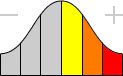
Sickle cell trait or sickle cell disease
Counter Indicators
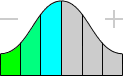
Absence of sickel cell disease
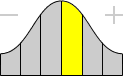
Having a slight/having a moderate/having a high fever
(Possible) bone pain
Conditions that suggest Sickle Cell Trait / Disease
Recommendations for Sickle Cell Trait / Disease

Conventional Drugs / Information
GenoMed, the Next Generation Disease Management company whose business is public healt, announced today that it has submitted a case report of a sickle cell patient whose pain disappeared with GenoMed’s treatment approach, only to recur when GenoMed’s treatment was stopped.
The patient is a middle-aged African American woman who for years required multiple pain pills every day to tolerate the pain of her sickle cell disease. Since beginning GenoMed’s trial on Dec. 22, 2005, she experienced no pain until her trial medication ran out on February 6, 2006. Said her physician, who is lead author on the case report, “Prior to this experiment, for over two years, there has not been more than a day, at least during the winter months, when she has not required some Vicodin.” [medicalnewstoday.com, 16, Sep 2006]
Key
| Weak or unproven link |
| Proven definite or direct link |
| Very strongly or absolutely counter-indicative |
| May do some good |
Glossary
Anemia
A condition resulting from an unusually low number of red blood cells or too little hemoglobin in the red blood cells. The most common type is iron-deficiency anemia in which the red blood cells are reduced in size and number, and hemoglobin levels are low. Clinical symptoms include shortness of breath, lethargy and heart palpitations.
Red Blood Cell
Any of the hemoglobin-containing cells that carry oxygen to the tissues and are responsible for the red color of blood.
Hemoglobin
The oxygen-carrying protein of the blood found in red blood cells.