Tourette’s syndrome (TS) is a neurological condition that causes motor uncoordination. Although popularly known for causing coprolalia (involuntary utterance of vulgar language) and echolalia (involuntary repetition of words spoken by others), TS is really characterized by involuntary movements (“tics”) of all kinds. While involuntary vocalizations may serve the interests of stand-up comedians, they are a minor part of this complex and poorly understood condition.
TS is inherited, usually beginning in childhood, and waxes and wanes, usually decreasing in frequency and severity in adolescence and early adulthood. Drugs are the usual treatment approach, reducing frequency and severity of symptoms, but they do not cure and often have side effects. Psychological help for people with TS and their families may be needed for this complex disorder. Very few adults have as extensive problems with Tourettes as they did as a child, however there are some adults who do have serious complications with the disorder as an adult and are forced to seek what would previously been considered radical treatments.
Signs, symptoms & indicators of Tourette's Syndrome
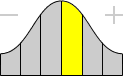
Frequent/constant thirst
Impatient/hostile disposition
Emotional instability
Conditions that suggest Tourette's Syndrome
Allergy / Intolerance to Foods (Hidden)
Sherry A Rogers, M.D., a specialist in environmental medicine, reports that all of the TS cases she has seen have a least one nutrient deficiency, and usually several. She notes that all of these patients have hidden mold, dust, chemical and food sensitivities. [Health Counselor, Vol.7, No.4]
Muscle Cramps / Twitching
The “tics” commonly seen in TS may include uncontrollable blinking, facial grimaces, head jerking, muscle twitches, as well as involuntary vocalizations.
Tourette's Syndrome suggests the following may be present
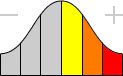
Allergy / Intolerance to Foods (Hidden)
Sherry A Rogers, M.D., a specialist in environmental medicine, reports that all of the TS cases she has seen have a least one nutrient deficiency, and usually several. She notes that all of these patients have hidden mold, dust, chemical and food sensitivities. [Health Counselor, Vol.7, No.4]
Obsessive-Compulsive Disorder (OCD)
It is now recognized that obsessive-compulsive symptoms occur in about half of patients with Tourette Syndrome. One informal survey of TS patients found that 72% (18 out of 25) had obsessive compulsive traits.
Tourette's Syndrome can lead to
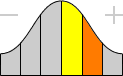
Muscle Cramps / Twitching
The “tics” commonly seen in TS may include uncontrollable blinking, facial grimaces, head jerking, muscle twitches, as well as involuntary vocalizations.
Tourette's Syndrome could instead be
Obsessive-Compulsive Disorder (OCD)
It is now recognized that obsessive-compulsive symptoms occur in about half of patients with Tourette Syndrome. One informal survey of TS patients found that 72% (18 out of 25) had obsessive compulsive traits.
Recommendations for Tourette's Syndrome

Tryptophan / 5 HTP
The low blood serotonin and tryptophan levels seen in Tourette’s syndrome (TS) are consistent with the wide range of behavioral disorders expected in such cases [ Am J Med Genet, Aug 1990;36(4): pp.418-30]. As far as we know, tryptophan therapy for Tourette’s syndrome has not yet been explored. However, TS is quite similar in many respects to obsessive/compulsive disorders which do respond to tryptophan supplementation. This observation provides a ray of hope for individuals trying to cope with the symptoms of TS.

Marijuana
A single 5-10mg dose of a compound extracted from marijuana (delta-9-tetrahydrocannabinol, D9-THC) improved tics
and obsessive-compulsive behavior in a well designed study of 12 adults with Tourette’s syndrome. Only mild transient side effects were observed in some patients. [Pharmacopsychiatry 2002;35(2): pp.57-61]
Key
| Weak or unproven link |
| Strong or generally accepted link |
| Proven definite or direct link |
| May do some good |
| Likely to help |
Glossary
Obsessive-Compulsive
People with Obsessive-Compulsive Disorder (OCD) have obsessions and/or compulsions. Obsessions refer to recurrent and persistent thoughts, impulses, or images that are intrusive and cause severe anxiety or distress. Compulsions refer to repetitive behaviors and rituals (such as hand washing, hoarding, ordering, checking) or mental acts (like counting, repeating words silently, avoiding). These obsessions and compulsions significantly interfere with normal routine, functioning, social activities and relationships.