Both genetically conditioned and nutritional deficiencies of molybdenum are rare. The intake of molybdenum varies from 100 to 500µg per day and is derived principally from organ meats, whole-grain cereals, and legumes.
The Food and Nutrition Board of the NAS/NRC states that a safe, adequate intake of molybdenum is 75 to 250µg per day for adults and 25 to 75µg per day for children aged 1 to 6 yr.
Conditions that suggest Molybdenum Need
Copper Toxicity
The exact mechanism by which molybdenum prevents copper toxicity is poorly understood. However, it is known that an insoluble complex of copper and molybdenum can be formed in the gastrointestinal tract thus reducing copper absorption. This theory is substantiated by the fact that increasing dietary copper is an effective treatment of molybdenum toxicity.
Uric Acid Levels Low
Xanthine oxidase, the enzyme that immediately produces uric acid, uses molybdenum as a cofactor. Molybdenum is known to raise uric acid levels, which is why people with gout (a condition of elevated high uric acid levels) are told to avoid molybdenum supplements.
Molybdenum Need can lead to
Copper Toxicity
The exact mechanism by which molybdenum prevents copper toxicity is poorly understood. However, it is known that an insoluble complex of copper and molybdenum can be formed in the gastrointestinal tract thus reducing copper absorption. This theory is substantiated by the fact that increasing dietary copper is an effective treatment of molybdenum toxicity.
Recommendations for Molybdenum Need

Test Copper Levels
Copper and molybdenum are antagonistic. If copper levels are elevated, copper should be avoided during molybdenum treatment, but rechecked later to make sure it hasn’t gone too low.

Test Mineral Status
Molybdenum is one of the nutrients checked when testing for red blood cell minerals. Low levels in a hair analysis is only a possible indicator of molybdenum deficiency. Seeour links page for laboratories like GSDL that can test for this mineral.
Key
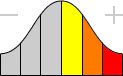
| Weak or unproven link |
| Strong or generally accepted link |
| Proven definite or direct link |
| Likely to help |
| Highly recommended |
Glossary
Molybdenum
An essential trace element. It helps regulate iron stores in the body and is a key component of at least three enzymes: xanthine oxidase, aldehyde oxidase and sulfite oxidase. These enzymes are involved with carbohydrate metabolism, fat oxidation and urine metabolism. The average adult has about 9mg of molybdenum concentrated mostly in the liver, kidney, adrenal glands, bones and skin. Molybdenum deficiencies are associated with esophageal cancer, sexual impotency and tooth decay.
Copper
An essential mineral that is a component of several important enzymes in the body and is essential to good health. Copper is found in all body tissues. Copper deficiency leads to a variety of abnormalities, including anemia, skeletal defects, degeneration of the nervous system, reproductive failure, pronounced cardiovascular lesions, elevated blood cholesterol, impaired immunity and defects in the pigmentation and structure of hair. Copper is involved in iron incorporation into hemoglobin. It is also involved with vitamin C in the formation of collagen and the proper functioning in central nervous system. More than a dozen enzymes have been found to contain copper. The best studied are superoxide dismutase (SOD), cytochrome C oxidase, catalase, dopamine hydroxylase, uricase, tryptophan dioxygenase, lecithinase and other monoamine and diamine oxidases.
Gastrointestinal
Pertaining to the stomach, small and large intestines, colon, rectum, liver, pancreas, and gallbladder.
Enzymes
Specific protein catalysts produced by the cells that are crucial in chemical reactions and in building up or synthesizing most compounds in the body. Each enzyme performs a specific function without itself being consumed. For example, the digestive enzyme amylase acts on carbohydrates in foods to break them down.
Cofactor
A substance that acts with another substance to bring about certain effects, often a coenzyme.
Gout
A disease characterized by an increased blood uric acid level and sudden onset of episodes of acute arthritis.