Autoimmune diseases tend to be viewed as separate conditions, rather than as the result of an underlying condition(s) that promotes immune dysfunction.
Some of the possible contributing factors include:
Environmental exposures. Continued exposure to heavy metals and environmental pollution can result in overloading the immune system. Our air, water, and food in particular are full of toxic substances.
Oxidative stress plays a role in autoimmune diseases.
Chronic systemic inflammation is related to several autoimmune disorders, such as lupus, rheumatoid arthritis, Sjogren’s syndrome, and fibromyalgia. Inflammation can be traced to destructive cell-signaling chemicals known as cytokines that contribute to many degenerative diseases. Certain nutritional supplements and low-cost prescription medications will often lower cytokine levels and control the inflammatory state.
GI tract dysbiosis Some NDs consider gastrointestinal dysbiosis so common in patients with autoimmune/inflammatory disorders that patients are treated as having dysbiosis until proven otherwise.
Leaky gut
Hidden infections
Issues such as these seem to come up more frequently in those with autoimmune disorders. Investigation of these areas and appropriate follow up may reduce the tendency toward these types of conditions and produce a general benefit. This is especially important when multiple autoimmune conditions exist in the same person.
Signs, symptoms & indicators of Autoimmune Tendency
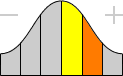
(Mildly/highly) elevated ANA levels
Up to 5% of healthy older people have a positive ANA. Some infections can also cause a positive ANA as can many drugs. Drugs definetely associated with a positive ANA and lupus include chlopromazine, methyldopa, hydralazine, procainamide, and isoniazid. Drugs that are possibly associated with a positive ANA include, dilantin, penicillamine, and quinidine. There is a questionable association with a wide variety of drug including gold, a number of antibiotics, and griseofulvin.
The number of false positives increases with age.
Counter Indicators
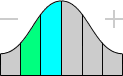
Normal ANA levels
Up to 5% of healthy older people have a positive ANA. Some infections can also cause a positive ANA as can many drugs. Drugs definetely associated with a positive ANA and lupus include chlopromazine, methyldopa, hydralazine, procainamide, and isoniazid. Drugs that are possibly associated with a positive ANA include, dilantin, penicillamine, and quinidine. There is a questionable association with a wide variety of drug including gold, a number of antibiotics, and griseofulvin.
The number of false positives increases with age.
Conditions that suggest Autoimmune Tendency
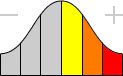
Chronic Thyroiditis
Hashimoto’s disease may rarely be associated with other endocrine disorders caused by the immune system. When Hashimoto’s disease occurs with adrenal insufficiency and type 1 diabetes mellitus, the condition is called type 2 polyglandular autoimmune syndrome (PGA II).
Less commonly, Hashimoto’s disease occurs with hypoparathyroidism, adrenal insufficiency, and fungal infections of the mouth and nails in a condition called type 1 polyglandular autoimmune syndrome (PGA I).
Microscopic Colitis (Collagenous Colitis / Lymphocytic Colitis)
Microscopic colitis appears to be in the family of autoimmune syndromes, all of which are more common in women.
Amyotrophic Lateral Sclerosis (ALS)
Autoimmunity may play a role in ALS. Researchers have proposed that ALS may have an autoimmune basis. The following are the bases for their hypotheses:
Analyses of ALS patient sera have identified circulating antibodies secreted by denervated muscle. These antibodies inhibit the stimulation of the sprouting of axons, the long arms of neurons which conduct nervous impulses to other neurons throughout the body.
Researchers have found an immunoglobulin that affects the conductance of neuronal voltage-activated calcium channels which may induce an excessive release of glutamate from nerve endings.
Several studies of ALS patients found the presence of antibodies that interact with motor neurons. Immune complexes have been found in spinal cords of patients with ALS.
It has been proposed that T cells, activated microglia, and immunoglobulin G (IgG) within the spinal cord lesions may be the primary event that leads to tissue destruction in ALS.
Scleroderma
There is an increased incidence of certain types of other autoimmune diseases and cancer among scleroderma patients.
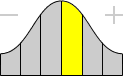
Hypothyroidism
A positive test result for the thyroid autoantibodies antithyroglobulin and antiperoxidase will confirm the diagnosis of Hashimoto’s thyroiditis.
Autoimmune hypothyroidism is the most common organ-specific autoimmune disorder. Two specific forms of autoimmune hypothyroidism exist:
1) chronic autoimmune thyroiditis, which is also known as Hashimoto’s thyroiditis or Hashimoto’s disease, and its variants, postpartum and sporadic thyroiditis
2) autoimmune atrophic thyroiditis, which is also known as primary myxedema. Myxedema is an older term referring to the skin changes characterized by pitting and swelling (water-logged appearance) associated with hypothyroidism.
Canker Sores (Aphthous Ulcers)
In the first study investigating the origins of a little-known condition called chronic ulcerative stomatitis (CUS), researchers at Tufts University School of Dental Medicine provide evidence that an autoimmune response contributes to the painful oral sores that characterize the disease. The study findings support the classification of CUS as a new autoimmune disease. [Oral Surgery, Oral Medicine, Oral Pathology, Oral Radiology, and Endodontology. “Chronic ulcerative stomatitis: Evidence of autoimmune pathogenesis” Published online April 4, 2011]
Rheumatoid Arthritis
It is quite clear that autoimmunity plays a major role in the progression of rheumatoid arthritis.
Pulmonary Fibrosis / Interstitial Lung Disease
There may be an autoimmune link with a few conditions that can cause Interstitial Lung Disease.
Erythema Nodosum
Yersinia enterocolitica can be responsible for autoimmune disorders (such as arthritis, enterocolitis, erythema nodosum, Reiter’s syndrome and iritis) where patient serum contains antibodies to thyroid cytoplasm and plasma membrane.
Hives
Some forms of chronic hives have an autoimmune origin which means, in about 30% of patients, that the immune system is producing antibodies against normal substances in the body and triggering the release of histamine by mast cells. [Journal of the American Academy of Dermatology, March 1999, 40(3); pp.443-450]
Risk factors for Autoimmune Tendency
Environmental Illness / MCS
Reports of autoimmune markers in MCS patients, like most MCS data, are inconsistent. One report demonstrated antibodies to smooth muscle (muscle tissue that functions without conscious thought – such as the heart) in half the patients seen in a clinical practice. In some cases, MCS could be viewed as a chemically-formed autoimmune disease. [Environ Health Perspect 105(Suppl 2): pp.417-436 (1997)]
Zinc Toxicity
Prolonged large doses of zinc may, by lowering manganese levels, increase susceptibility to autoimmune reactions.
Having elevated CD4/CD8
Generally, the CD4/CD8 ratio is increased in autoimmune diseases and decreased in viral infections.
(Highly) elevated CRP level
Patients with autoimmune diseases and cancer also often have elevated CRP levels.
History of hyperthyroidism
Autoimmune Tendency suggests the following may be present
Autoimmune Tendency can lead to
Chronic Thyroiditis
Hashimoto’s disease may rarely be associated with other endocrine disorders caused by the immune system. When Hashimoto’s disease occurs with adrenal insufficiency and type 1 diabetes mellitus, the condition is called type 2 polyglandular autoimmune syndrome (PGA II).
Less commonly, Hashimoto’s disease occurs with hypoparathyroidism, adrenal insufficiency, and fungal infections of the mouth and nails in a condition called type 1 polyglandular autoimmune syndrome (PGA I).
Scleroderma
There is an increased incidence of certain types of other autoimmune diseases and cancer among scleroderma patients.
Amyotrophic Lateral Sclerosis (ALS)
Autoimmunity may play a role in ALS. Researchers have proposed that ALS may have an autoimmune basis. The following are the bases for their hypotheses:
Analyses of ALS patient sera have identified circulating antibodies secreted by denervated muscle. These antibodies inhibit the stimulation of the sprouting of axons, the long arms of neurons which conduct nervous impulses to other neurons throughout the body.
Researchers have found an immunoglobulin that affects the conductance of neuronal voltage-activated calcium channels which may induce an excessive release of glutamate from nerve endings.
Several studies of ALS patients found the presence of antibodies that interact with motor neurons. Immune complexes have been found in spinal cords of patients with ALS.
It has been proposed that T cells, activated microglia, and immunoglobulin G (IgG) within the spinal cord lesions may be the primary event that leads to tissue destruction in ALS.
Hypothyroidism
A positive test result for the thyroid autoantibodies antithyroglobulin and antiperoxidase will confirm the diagnosis of Hashimoto’s thyroiditis.
Autoimmune hypothyroidism is the most common organ-specific autoimmune disorder. Two specific forms of autoimmune hypothyroidism exist:
1) chronic autoimmune thyroiditis, which is also known as Hashimoto’s thyroiditis or Hashimoto’s disease, and its variants, postpartum and sporadic thyroiditis
2) autoimmune atrophic thyroiditis, which is also known as primary myxedema. Myxedema is an older term referring to the skin changes characterized by pitting and swelling (water-logged appearance) associated with hypothyroidism.
Canker Sores (Aphthous Ulcers)
In the first study investigating the origins of a little-known condition called chronic ulcerative stomatitis (CUS), researchers at Tufts University School of Dental Medicine provide evidence that an autoimmune response contributes to the painful oral sores that characterize the disease. The study findings support the classification of CUS as a new autoimmune disease. [Oral Surgery, Oral Medicine, Oral Pathology, Oral Radiology, and Endodontology. “Chronic ulcerative stomatitis: Evidence of autoimmune pathogenesis” Published online April 4, 2011]
Hives
Some forms of chronic hives have an autoimmune origin which means, in about 30% of patients, that the immune system is producing antibodies against normal substances in the body and triggering the release of histamine by mast cells. [Journal of the American Academy of Dermatology, March 1999, 40(3); pp.443-450]
Recommendations for Autoimmune Tendency


Nettle (Urtica urens)
German researchers discovered that a traditional European herbal remedy for rheumatism, nettle leaf extract, inhibits TNF-alpha and IL-1 beta. [Arzneimittelforschung. 1996 Apr;46(4): pp.389-94] Nettle “may inhibit the inflammatory cascade in autoimmune diseases and rheumatoid arthritis,” concluded a team of researchers. [J Rheumatol. 1999; 26(12): pp.2517-2522]
It is interesting to note that the prescription drug Enbrel®, approved for the treatment of rheumatoid arthritis, acts by suppressing TNF-alpha.

Therapeutic Fasting
Dr. Joel Fuhrman, M.D. has spent much of his professional life treating disease by fasting his patients. He has an entire chapter in his book, Fasting and Eating for Health, dedicated to the subject of autoimmune disease. He is convinced that fasting with subsequent dietary changes is a much superior approach to autoimmune disease than conventional treatments.
Gluten-free Diet
Some doctors have found that a higher than normal percentage of patients with autoimmune disorders are allergic to gluten/gliadin and dairy products. Complete avoidance should be tried for at least one month to see if benefits will occur.
Vegetarian/Vegan Diet
Dr. Joel Fuhrman, M.D. reports that for the benefits of a fast to be maintained, a vegan diet is required. Switching to a vegan diet before the water fast sometimes improves patients’ symptoms.
Conventional Drugs / Information
Natural compounds derived from a sea anemone extract and a shrub plant have been found to block the autoimmune disease response in type-1 diabetes and rheumatoid arthritis, according to University of California, Irvine researchers.
The study shows both in human and animal tests how these compounds work to deter the effect of autoimmune T-cells, white blood cells that attack the body. The goal, according to UCI researchers, is to develop new treatments from these compounds that will target these destructive T-cells while allowing other white blood cells to fight disease and infection.
The study, led by UC Irvine School of Medicine researchers George Chandy and Christine Beeton, identifies how these compounds work against a type of white blood cells called effector memory T lymphocytes, which play a major role in autoimmunity. Both compounds block an ion channel in these cells that prevents the cells from proliferating and producing chemicals called cytokines that attack the body during autoimmune disease states.
“Autoimmune diseases affect millions of Americans, and any new therapies that can aid them will have great significance,” Chandy said. “What’s promising about this study is that we identified a protein target on the T-cells that promote autoimmune activity and the compounds that can selectively block the target and shut down the destructive cells.”
White blood cells patrol the body to fight against cancer and infections, but if some of these cells turn against the body they are meant to protect, they cause autoimmune diseases. Millions of people worldwide are afflicted with disabling autoimmune disorders. Two examples of this large class of diseases are type 1 diabetes, in which white blood cells attack the pancreas, and rheumatoid arthritis, in which the joints are attacked.
In their study, the UCI researchers used modified compounds derived from the rue plant (PAP-1) and a Cuban sea anemone extract (SL5), both of which block the ion channel in the destructive T-cells. [Early Online Edition of the Proceedings of the National Academy of Sciences. Nov 6-10, 2006
LDN - Low Dose Naltrexone
The experience of people who have autoimmune diseases and who have begun LDN treatment has been remarkable, according to Dr. Bihari. Patients with diagnoses such as systemic lupus, rheumatoid arthritis, Behcet’s syndrome, Wegener’s granulomatosis, bullous pemphigoid, psoriasis, and Crohn’s disease have all benefited.
Plant Sterols / Sterolins (Phytosterols)
Plant sterols and sterolins “modulate” or balance the immune system and have been shown to decrease the auto-antibody production.
Hydrochloric Acid (Trial)
Clinicians report that 50% of patients with autoimmune disease are also hypochlorhydric (have low stomach acid).
Test Copper Levels
In cases of autoimmune disease, where therapy is often less than satisfactory, copper insufficiency should be investigated until additional studies confirm any link. The following quote is by John Johnson (iThyroid.com):
“There is very little scientific evidence that copper is involved in immune system function, but it is my belief that copper deficiency is the principal nutritional deficiency involved in autoimmune diseases. Approximately 80% of the people who suffer from autoimmune diseases are women. The most important nutrient that women need more of than men is copper. Any nutritional detective who is trying to find the culprit in autoimmune diseases should first suspect copper. Women need more copper and get autoimmune diseases more frequently. Men need less copper and generally don’t get autoimmune disease. Copper deficiency is the obvious suspect.”
Test for DHEA
Some doctors report finding that a high percentage of patients with autoimmune disorders are also deficient in DHEA, and should be tested.
Reading List
The Promise Of Low Dose Naltrexone Therapy: Potential Benefits in Cancer, Autoimmune, Neurological and Infectious Disorders. By Elaine Moore, co-author SammyJo Wilkinson Foreword by Dr. Yash Agrawal, MD, PhD.
The book is highly recommended for other health care practitioners who wish to get quickly up to speed in this new area of medicine which is destined to become the medical paradigm of the 21st century, casting a giant shadow over the rest of mainstream medicine.[ Comments on the LDN book by Jeffrey Dach MD]
Essential Fatty Acids
Supplementation with omega-3 essential fatty acids (EFAs) along with the essential omega-6 fatty acid gamma-linolenic acid (GLA) from borage oil, evening primrose oil, or black currant seed oil, can alleviate many symptoms of autoimmune disease through their anti-inflammatory activity.
Vitamin D
A variety of data, from epidemiology, animal experiments, immunological investigations, genetics and small clinical trials indicates that vitamin D can have a suppressant effect on autoimmune reactions and help to slow autoimmune disease. In recent years there has been an effort to understand possible noncalcemic roles of vitamin D, including its role in the immune system and, in particular, on T cell-medicated immunity. The vitamin D receptor is found in significant concentrations in the T lymphocyte and macrophage populations. However, its highest concentration is in the immature immune cells of the thymus and the mature CD-8 T lymphocytes. The significant role of vitamin D compounds as selective immunosuppressants is illustrated by their ability to either prevent or markedly suppress animal models of autoimmune disease. Results show that 1,25-dihydroxyvitamin D3 can either prevent or markedly suppress experimental autoimmune encephalomyelitis, rheumatoid arthritis, systemic lupus erythematosus, type I diabetes, and inflammatory bowel disease. In almost every case, the action of the vitamin D hormone requires that the animals be maintained on a normal or high calcium diet.
It must be stressed that adequate calcium and magnesium intake must accompany vitamin D supplementation. [Medical Hypotheses 1986 (21): pp. 193-200] Calcium levels strongly affect the action of vitamin D for suppressing EAE (animal MS) in mice. Calcium intake should be in the range of 600-900mg per day with magnesium intake being about the same as this. [Journal of Nutrition, 1999 (129): pp. 1966-1971]
Although the use of vitamin D and vitamin D analogs in the therapy of certain autoimmune diseases holds promise, further research is required before their safety and efficacy can be determined.
Key
| Weak or unproven link |
| Strong or generally accepted link |
| Proven definite or direct link |
| Strongly counter-indicative |
| May do some good |
| Likely to help |
| Highly recommended |
Glossary
Autoimmune Disease
One of a large group of diseases in which the immune system turns against the body's own cells, tissues and organs, leading to chronic and often deadly conditions. Examples include multiple sclerosis, rheumatoid arthritis, systemic lupus, Bright's disease and diabetes.
Immune System
A complex that protects the body from disease organisms and other foreign bodies. The system includes the humoral immune response and the cell-mediated response. The immune system also protects the body from invasion by making local barriers and inflammation.
Chronic
Usually Chronic illness: Illness extending over a long period of time.
Rheumatoid Arthritis
A long-term, destructive connective tissue disease that results from the body rejecting its own tissue cells (autoimmune reaction).
Fibromyalgia
(FMS): Originally named fibrositis, it is a mysteriously debilitating syndrome that attacks women more often than men. It is not physically damaging to the body in any way, but is characterized by the constant presence of widespread pain that often moves about the body. Fibromyalgia can be so severe that it is often incapacitating.
Cytokines
Cytokines are chemical messengers that control immune responses. They are secreted by white blood cells, T cells, epithelial cells and some other body cells. There are at least 17 different kinds of interleuken and 3 classes of interferon called alpha, beta and gamma and various subsets. Interleukens and interferons are called “cytokines” and there are two general groupings, Th1 and Th2. Th1 (T-cell Helper type 1) promote cell-mediated immunity (CMI) while Th2 (T-cell Helper type 2) induce humoral immunity (antibodies).
Gastrointestinal
Pertaining to the stomach, small and large intestines, colon, rectum, liver, pancreas, and gallbladder.
Adrenal Insufficiency
Also known as Adrenal Exhaustion or Low Adrenal Function, this is a condition where the adrenal gland is compromised in its production of epinephrine, norepinephrine, cortisol, corticosterone or aldosterone. Symptoms include primarily fatigue, weakness, decreased appetite with ensuing weight loss, as well as nausea, vomiting, abdominal pain, diarrhea or constipation, or increased pigmentation of the skin. Cortical insufficiency (low or no corticosteroids) produces a more serious condition called Addison’s Disease, characterized by extreme weakness, low blood pressure, pigmentation of the skin, shock or even death.
Diabetes Mellitus
A disease with increased blood glucose levels due to lack or ineffectiveness of insulin. Diabetes is found in two forms; insulin-dependent diabetes (juvenile-onset) and non-insulin-dependent (adult-onset). Symptoms include increased thirst; increased urination; weight loss in spite of increased appetite; fatigue; nausea; vomiting; frequent infections including bladder, vaginal, and skin; blurred vision; impotence in men; bad breath; cessation of menses; diminished skin fullness. Other symptoms include bleeding gums; ear noise/buzzing; diarrhea; depression; confusion.
Colitis
Inflammation of the colon.
Antibody
A type of serum protein (globulin) synthesized by white blood cells of the lymphoid type in response to an antigenic (foreign substance) stimulus. Antibodies are complex substances formed to neutralize or destroy these antigens in the blood. Antibody activity normally fights infection but can be damaging in allergies and a group of diseases that are called autoimmune diseases.
Calcium
The body's most abundant mineral. Its primary function is to help build and maintain bones and teeth. Calcium is also important to heart health, nerves, muscles and skin. Calcium helps control blood acid-alkaline balance, plays a role in cell division, muscle growth and iron utilization, activates certain enzymes, and helps transport nutrients through cell membranes. Calcium also forms a cellular cement called ground substance that helps hold cells and tissues together.
Cancer
Refers to the various types of malignant neoplasms that contain cells growing out of control and invading adjacent tissues, which may metastasize to distant tissues.
Thyroid
Thyroid Gland: An organ with many veins. It is at the front of the neck. It is essential to normal body growth in infancy and childhood. It releases thyroid hormones - iodine-containing compounds that increase the rate of metabolism, affect body temperature, regulate protein, fat, and carbohydrate catabolism in all cells. They keep up growth hormone release, skeletal maturation, and heart rate, force, and output. They promote central nervous system growth, stimulate the making of many enzymes, and are necessary for muscle tone and vigor.
Hypothyroidism
Diminished production of thyroid hormone, leading to low metabolic rate, tendency to gain weight, and sleepiness.
Postpartum
After childbirth.
Myxedema
A condition arising from diminished thyroid function, characterized by hard swelling of subcutaneous tissue, hair loss, lower temperature, muscle debility, hoarseness and the slow return of a muscle to neutral position after a tendon jerk. Resulting thyroid cell destruction eventually progresses to thyroid failure.
Stomatitis
Inflammation of the mucous membrane of the mouth.
Arthritis
Inflammation of a joint, usually accompanied by pain, swelling, and stiffness, and resulting from infection, trauma, degenerative changes, metabolic disturbances, or other causes. It occurs in various forms, such as bacterial arthritis, osteoarthritis, or rheumatoid arthritis. Osteoarthritis, the most common form, is characterized by a gradual loss of cartilage and often an overgrowth of bone at the joints.
Erythema Nodosum
Acute inflammation of skin with red nodules.
Iritis
An inflammation of the iris of the eye.
Serum
The cell-free fluid of the bloodstream. It appears in a test tube after the blood clots and is often used in expressions relating to the levels of certain compounds in the blood stream.
Cytoplasm
The inner substance of a cell contained within the cell membrane other than the nucleus.
Urticaria
Commonly known as hives, urticaria is one of the most common dermatological conditions seen by allergists. Urticaria is not just an allergic disease, however. It can be caused by metabolic diseases, medications, infectious diseases, autoimmune disease, or physical sensitivity. Traditional allergies to foods or medications as well as viral illness are frequent causes of acute urticaria which usually lasts only a few hours but may last up to 6 weeks. Chronic urticaria (lasting more than 6 weeks) is more complex, given the vast number of potential triggers. Symptoms include sudden onset; initial itching; then swelling of the surface of the skin into red or skin-colored welts (wheals) with clearly defined edges; welts turn white on touching; new welts develop when the skin is scratched; usually disappear within minutes or hours. Welts enlarge, change shape, spread or join together to form large flat raised areas.
Histamine
A chemical in the body tissues, produced by the breakdown of histidine. It is released in allergic reactions and causes widening of capillaries, decreased blood pressure, increased release of gastric juice, fluid leakage forming itchy skin and hives, and tightening of smooth muscles of the bronchial tube and uterus.
Zinc
An essential trace mineral. The functions of zinc are enzymatic. There are over 70 metalloenzymes known to require zinc for their functions. The main biochemicals in which zinc has been found to be necessary include: enzymes and enzymatic function, protein synthesis and carbohydrate metabolism. Zinc is a constituent of insulin and male reproductive fluid. Zinc is necessary for the proper metabolism of alcohol, to get rid of the lactic acid that builds up in working muscles and to transfer it to the lungs. Zinc is involved in the health of the immune system, assists vitamin A utilization and is involved in the formation of bone and teeth.
Manganese
An essential mineral found in trace amounts in tissues of the body. Adults normally contain an average of 10 to 20mg of manganese in their bodies, most of which is contained in bone, the liver and the kidneys. Manganese is essential to several critical enzymes necessary for energy production, bone and blood formation, nerve function and protein metabolism. It is involved in the metabolism of fats and glucose, the production of cholesterol and it allows the body to use thiamine and Vitamin E. It is also involved in the building and degrading of proteins and nucleic acid, biogenic amine metabolism, which involves the transmitting of nerve impulses.
CD4/CD8
The ratio of the number of helper T lymphocytes to the number of suppressor and cytotoxic T lymphocytes. The cells are counted with the use of monoclonal antibodies to the surface glycoproteins CD4 on helper T cells and CD8 on suppressor and cytotoxic T cells. In healthy individuals the ratio ranges from 1.6 to 2.2. The ratio is important in monitoring the function of the immune system in patients who have viral infections or who have undergone tissue transplantation, either of which may cause an increase in the number of suppressor T cells.
CRP
C-reactive protein. A sensitive measure of inflammation in the body.