Trigeminal Neuralgia (TN), also called tic douloureux, is a condition that affects the trigeminal nerve (the 5th cranial nerve), one of the largest nerves in the head. The trigeminal nerve is responsible for sending impulses of touch, pain, pressure, and temperature to the brain from the face, jaw, gums, forehead, and around the eyes. TN is characterized by a sudden, severe, electric shock-like or stabbing pain typically felt on one side of the jaw or cheek. In some patients, the eye, the ear or the palate may be affected. In many patients, the attacks are less frequent at night or when the patient lies down. The disorder is more common in women than in men and rarely affects anyone younger than 50. In reality, TN is known to exist in many younger individuals including children.
The attacks of pain, which generally last several seconds and may be repeated one after the other, may be triggered by talking, brushing teeth, touching the face, shaving, applying makeup, chewing, or swallowing. The attacks may come and go throughout the day and last for days, weeks, or months at a time, and then disappear for months or years.
In the initial stages, before the symptoms develop completely, TN is often confused with other diseases or dental problems. Some patients experience “atypical” trigeminal neuralgia, with more constant pain at a level generally of lower intensity. The rarity of these disturbances and the variability of these symptoms have caused some patients to undergo endodontic treatment of multiple root canals or other oral or sinus surgeries before a neurological disturbance is recognized. Several syndromes are closely related to TN, but have specific unique features as well. These include post-herpetic neuralgia, atypical facial pain (ATFP), and TN resulting from multiple sclerosis (MS). Glossopharyngeal neuralgia is another neurological disturbance potentially related which causes throat pain and difficulty in swallowing. Some patients complain of sensation of burning or of having a fish-bone in the throat.
The diagnosis of trigeminal neuralgia may be made by obtaining a history of paroxysmal one-sided facial pain activated by several facial stimuli. A slight stimulation of the trigger point provokes pain. The relief of pain by carbamazepine gives more credit to the diagnosis of trigeminal neuralgia and treatment by a neurosurgeon.
Conventional treatment for TN typically includes anticonvulsant medications such as carbamazepine or phenytoin. Baclofen, clonazepam, gabapentin, and valproic acid may also be effective and may be used in combination to achieve pain relief. If medication fails to relieve pain, surgical treatment may be recommended.
The disorder is characterized by recurrences and remissions, and successive recurrences may incapacitate the patient. Due to the intensity of the pain, even the fear of an impending attack may prevent activity. Trigeminal neuralgia is not fatal.
Other conditions that may mimic TN include odontogenic pain, glossopharyngeal neuralgia, temporomandibular disorders, cluster headache, hemicrania, and SUNCT (short-lasting, unilateral neuralgia from headache attacks with conjunctival injection and tearing) syndrome.
Signs, symptoms & indicators of Trigeminal Neuralgia / Facial Pain
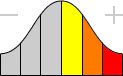
Shooting/having constant facial pain
The typical TN is characterized by sudden, severe and lancing pain in the face, like an electric shock.
Risk factors for Trigeminal Neuralgia / Facial Pain
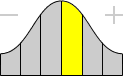
Chronic / Hidden Infection
Jawbone cavitations are cavities or infections within the jawbone. A rather significant aspect of such lesions is that they can not be easily seen on x-rays, although they often have an irregular fuzzy margin.
A published study of 224 biopsied tissue samples from alveolar bone cavities in 135 patient with “trigeminal neuralgia” or “atypical facial neuralgia” demonstrated common features of these lesions: intra-osseous cavity formation; long-standing bone necrosis (tissue death); chronic facial neuralgia (pain). It is obvious that many patients with chronic pain can trace the onset of their pain back subsequent to one or more tooth extractions. Generally, even though the surgical site appears to heal normally, a problem remains in the bone that antibiotics are not able to remedy.
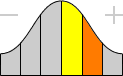
Trigeminal Neuralgia / Facial Pain suggests the following may be present
Chronic / Hidden Infection
Jawbone cavitations are cavities or infections within the jawbone. A rather significant aspect of such lesions is that they can not be easily seen on x-rays, although they often have an irregular fuzzy margin.
A published study of 224 biopsied tissue samples from alveolar bone cavities in 135 patient with “trigeminal neuralgia” or “atypical facial neuralgia” demonstrated common features of these lesions: intra-osseous cavity formation; long-standing bone necrosis (tissue death); chronic facial neuralgia (pain). It is obvious that many patients with chronic pain can trace the onset of their pain back subsequent to one or more tooth extractions. Generally, even though the surgical site appears to heal normally, a problem remains in the bone that antibiotics are not able to remedy.
Recommendations for Trigeminal Neuralgia / Facial Pain

Cayenne Pepper (Capsicum frutescens)
Capsaicin has been used to treat atypical facial pain, especially when a specific pain “trigger point” (a place, if touched, causes or exacerbates facial pain) is involved. Capsaicin is applied directly to this “trigger point” several times a day. If the trigger point is inside the mouth, a plastic dental splint is used to apply the capsaicin cream. If the trigger point is on the face, it is topically applied. In some cases, pain reduction only occurs after several weeks of application. There is anecdotal evidence that a course of capsaicin treatment can result in long-term pain remission for some patients with atypical facial pain.
Capsaicin is not considered a standard treatment for TN although at least one article in the literature indicates that it may be useful in treating trigeminal neuralgia. An ointment containing capsaicin was applied over the painful area tid. Six of 12 patients had complete pain relief, 4 patients reported a decrease in pain, and 2 patients reported no benefit. [Anesthesia and Analgesia 74: pp.375-377, 1992]

Acupuncture
For facial neuralgias, the evidence for acupuncture appears to be mostly anecdotal. Some have reported pain relief for long periods of time, others have had their pain worsen. People with classical TN seem to have very little success, whereas people with atypical TN report success slightly more often. Anecdotal information also suggests that acupuncture has been used for TN connected with multiple sclerosis, with some success, but reliable statistics cannot be found. There are a vast number of aches and pains that are often described as neuralgic. Many of these occur as facial pain and most of them cause severe discomfort. It is always worth while to attempt to alleviate these pains by using acupuncture. Some people respond and others do not; it is impossible to give figures for success, or even estimates, without going into great detail about the exact cause and type of neuralgia being treated.
This report evaluated the effect of meridian acupuncture treatment on trigeminal neuralgia. Ten patients aged 26 to 67 years (mean 55.4 years) with TN who visited the outpatient Dental Anesthesiology Clinic at Tsurumi University Dental Hospital from 1985 to 1990 were studied. The patients underwent meridian treatment by acupuncture alone or acupuncture combined with moxibustion. The acupuncture method used was primarily basic treatment employing only needles without electrical stimulation. Meridian acupuncture treatments were repeated from two to four times a month.
Five patients were restored to a pain-free state. The other five patients noted a decrease in pain, but with some level of pain remaining (significant pain in one patient). It is concluded that meridian acupuncture treatment is useful and can be one therapeutic approach in the management of trigeminal neuralgia. [Practical application of meridian acupuncture treatment for trigeminal neuralgia. Anesthesia and Pain Control in Dentistry, 1992 Spring, 1(2): pp.103-8]
Neural Therapy
By using the techniques of neural therapy, combined with detoxification and nutritional supplementation, some doctors claim to significantly reduce facial pain and disability safely without any further surgery and without other medications.
Key
| Weak or unproven link |
| Strong or generally accepted link |
| Proven definite or direct link |
| May do some good |
| Likely to help |
Glossary
Trigeminal Neuralgia
(Tic Douloureux) Pain in the trigeminal nerve, chief sensory nerve of the face and the motor nerve enabling chewing. A disorder of the trigeminal nerve producing bouts of severe, lancinating pain lasting seconds to minutes in the distribution of one or more of its sensory divisions, most often the mandibular and/or maxillary. The cause is uncertain. Recently, at surgery or autopsy, arterial and ( less often) venous loops have been found compressing the trigeminal nerve root at its entry point into the brainstem, which suggests that tic is essentially a compressive neuropathy. Adults usually are affected, especially later in life. The pain is often set off by touching a trigger point or by activity (e.g. chewing or brushing the teeth). Although each bout of intense pain is brief, successive bouts may incapacitate the patient.
Neuralgia
Pain of severe throbbing or stabbing nature along a nerve.
Multiple Sclerosis
Demyelinating disorder of the central nervous system, causing patches of sclerosis (plaques) in the brain and spinal cord, manifested by loss of normal neurological functions, e.g., muscle weakness, loss of vision, and mood alterations.
Cluster Headache
A headache in which pain originates behind or around one eye and generally awakens the individual from sleep; pain may radiate into the temple, jaw, nose, teeth, or chin; the eyelid droops, the eye tears, the face flushes, and the nose congests; causes excruciating pain. Individual headaches last 15 minutes to 3 hours but tend to "cluster", occurring up to several times per day for periods of about 1 to 16 weeks and then not again for months or years.
Alveolar
Pertaining to a small hollow space, as in the lung, e.g. pulmonary alveolus.
Necrosis
Death of one or more cells, or of a portion of a tissue or organ.
Chronic
Usually Chronic illness: Illness extending over a long period of time.