Thirst can be a poor way of monitoring of your water needs. You can lose your thirst sensation and the critical perception of needing water. No longer recognizing a water need (unless very dehydrated), you can become gradually, increasingly, and chronically dehydrated with increasing age. A “dry mouth” may be a late sign of dehydration.
It is a common error to substitute tea, coffee, caffeine-containing soft drinks, or alcohol-containing beverages for water. Do not consider alcoholic beverage, soda, coffee or tea as an equal substitute for water. Caffeine and alcohol act as diuretics, further increasing your water needs.
Pain may be a warning of localized thirst; that is, the pain signal may be a warning of dehydration in that specific area (a regional thirst), for example low back pain, migraine headache, joint pain, and angina. Chronic dehydration may contribute to a reduction in lymph flow, which in turn may contribute to or cause varied problems.
8 glasses of water per day is not excessive. Calculate your need by taking your weight in pounds divided by 2, in ounces per day (Example 140 lbs / 2 = 70 ounces; 70 ounces / 8 = about 9 cups per day). It is recommended that you not drink water with meals, unless you need to. The best times are on rising, at least 1/2 hour before meals and 2-3 hours after, and before bed. You need more if the temperature is hot and if you exercise. A general rule is to add an extra 2 glasses per day for every 5 degrees F over 85F if you are at rest, and more if you exercise.
Water has many functions in your body. Water…
- Transports vitamins, minerals, amino acids, glucose, hormones, enzymes and other substances throughout your body
- Assists chemical reactions such as the burning of glucose and the breakdown of fat for energy
- Carries digestive juices
- Lubricates joints, eyeballs, nasal passages, and the intestines
- Is a shock absorber for your eyes and spinal cord
- Maintains your body temperature – cools it by evaporation from the skin and lungs, throws off heat when blood is circulated near the body’s surface – helps retain warmth in winter
- Removes wastes through the kidneys and helps solid waste pass through the intestines
Here are some interesting facts:
- 75% of Americans are chronically dehydrated. (This likely applies to half the world population)
- Even MILD dehydration will slow down one’s metabolism as much as 3%.
- One glass of water shut down midnight hunger pangs for almost 100% of the dieters studied in a University of Washington study.
- Lack of water is the #1 trigger of daytime fatigue.
- Preliminary research indicates that 8-10 glasses of water a day could significantly ease back and joint pain for up to 80% of sufferers.
- A mere 2% drop in body water can trigger fuzzy short-term memory, trouble with basic math, and difficulty focusing on the computer screen or on a printed page.
- Drinking 5 glasses of water daily decreases the risk of colon cancer by 45%, the risk of breast cancer by 79%, and one is 50% less likely to develop bladder cancer. Are you drinking the amount of water you should every day?
Signs, symptoms & indicators of Dehydration
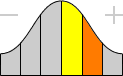
High systolic blood pressure
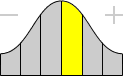
High diastolic blood pressure
Reduced skin elasticity
Inelastic skin is a sign of severe chronic dehydration.
Allergies to certain foods
Frequent sneezing / attacks or moderate sneezing
In some people, allergy attacks, including sneezing, have been controlled by drinking enough water. They report that if failing to get enough water for 1 or more days, allergy symptoms will start to occur 3 to 5 days later and not resolve for several days inspite of beginning to meet their daily water needs again. This delayed reaction can make it hard to establish the connection, if there is one for you. This is somewhat like the delayed reaction seen with so many food allergens.
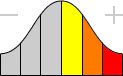
Frequent/constant thirst
Weak appetite
Unexplained nausea
Dizziness when standing up
Constant fatigue
Vision disturbances
Irritated eyes
A swollen tongue
(Very) dry mouth
Allergic rhinitis
Occassional/frequent 'chills' or having chills from an illness
Irritability
Emotional instability
Hallucinations
Being unmotivated
Numb/tingling/burning extremities
Morning sickness
Joint pain/swelling/stiffness
Excess perspiration
Counter Indicators
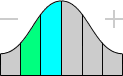
Diminished perspiration
(Frequent) difficulty falling asleep
Infrequent daytime urination
Dark urine color
(Very) cloudy urine
Yellow and/or cloudy urine may be evidence of a water intake deficiency.
Conditions that suggest Dehydration
Lymphatic Congestion
Drinking plenty of water makes sure the body is well-hydrated and helps the lymphatic system do its job of flushing toxins and waste from the body.
Angina
Dr. Bantmanghelidj, MD in his book Your Body’s Many Cries for Water reports testimonials of angina reduction with adequate hydration.
Heartburn / GERD
Dr. Batmanghelidj, author of Your Bodies Many Cries for Water, believes that in the same way we have a “hunger pain” signal, we also have a “thirst pain” signal in the body, and that it is called dyspepsia (heartburn).
Counter Indicators
Hangovers
The most obvious source of headaches due to hangovers is dehydration caused when alcohol suppresses anti-diuretic hormone. This hormone normally orders the body to conserve water, but alcohol dulls the command, causing people to lose far more water to urination than they take in with the alcohol.
The body reacts to the open floodgates by borrowing water from other organs, such as the brain. As a result, the brain shrinks. While that may not cause pain by itself, the brain has a covering called the dura that is connected to the skull by pain-sensitive filaments. Deformation of the dura can cause the headaches that come with a hangover.
Gout / Hyperuricemia
Gout can be caused by dehydration and the use of diuretics such as coffee or alcohol.
Muscle Cramps / Twitching
Excess sweating or dehydration can deplete minerals in the body – minerals that are important for good muscle function, such as sodium, potassium, calcium, magnesium and phosphorus.
General Weakness
A loss of 4-5% of body weight of fluid decreases the capacity for hard muscular work by 20-30%.
Leg Cramps At Night
Dehydration may play a role in muscle cramping.
Kidney Weakness / Disease
Renal insufficiency can occur from underperfusion due to dehydration.
Kidney Failure
A mysterious epidemic is devastating the Pacific coast of Central America, killing more than 24,000 people in El Salvador and Nicaragua since 2000 and striking thousands of others with chronic kidney disease at rates unseen virtually anywhere else. Scientists say they have received reports of the phenomenon as far north as southern Mexico and as far south as Panama.
Last year it reached the point where El Salvador’s health minister, Dr. Maria Isabel Rodriguez, appealed for international help, saying the epidemic was undermining health systems.
Wilfredo Ordonez, who has harvested corn, sesame and rice for more than 30 years in the Bajo Lempa region of El Salvador, was hit by the chronic disease when he was 38. Ten years later, he depends on dialysis treatments he administers to himself four times a day. “This is a disease that comes with no warning, and when they find it, it’s too late,” Ordonez said as he lay on a hammock on his porch.
Many of the victims were manual laborers or worked in sugar cane fields that cover much of the coastal lowlands. Patients, local doctors and activists say they believe the culprit lurks among the agricultural chemicals workers have used for years with virtually none of the protections required in more developed countries. But a growing body of evidence supports a more complicated and counterintuitive hypothesis.
The roots of the epidemic, scientists say, appear to lie in the grueling nature of the work performed by its victims, including construction workers, miners and others who labor hour after hour without enough water in blazing temperatures, pushing their bodies through repeated bouts of extreme dehydration and heat stress for years on end. Many start as young as 10. The punishing routine appears to be a key part of some previously unknown trigger of chronic kidney disease, which is normally caused by diabetes and high-blood pressure, maladies absent in most of the patients in Central America.
“The thing that evidence most strongly points to is this idea of manual labor and not enough hydration,” said Daniel Brooks, a professor of epidemiology at Boston University’s School of Public Health, who has worked on a series of studies of the kidney disease epidemic.
Because hard work and intense heat alone are hardly a phenomenon unique to Central America, some researchers will not rule out manmade factors. But no strong evidence has turned up. “I think that everything points away from pesticides,” said Dr. Catharina Wesseling, an occupational and environmental epidemiologist who also is regional director of the Program on Work, Health and Environment in Central America. “It is too multinational; it is too spread out. I would place my bet on repeated dehydration, acute attacks everyday. That is my bet, my guess, but nothing is proved.” [Published February 12, 2012 Associated Press]
Counter Indicators
Low Back Pain / Problems
Once dehydration starts in the body, the back is one of the first places to be affected, with the fifth lumbar disk being involved in 95 percent of the cases of LBP. The heavier a person is, the more water they need.
Multiple Myeloma
Most people with multiple myeloma need to drink a lot of fluid, as loss of fluid may cause kidney damage. You should drink two to three litres of fluid each day in the form of water.
Risk factors for Dehydration
Ulcerative Colitis
Dehydration occurs in patients with severe diarrhea as seen in ulcerative colitis.
Caffeine Intoxication
Dehydration may result from the increased urinary frequency brought on by caffeine.
Excess Protein Consumption
High protein intakes may lead to dehydration due to excessive urine output (related to ketone production).
Elevated creatinine
The BUN and creatinine can be falsely elevated in dehydration. The BUN serum level gives a clue. If the BUN is also elevated and the ratio of creatinine to BUN is 1:10 the individual may suffer from dehydration only. This is usually seen with creatinines in the 2-3 range.
Elevated BUN
Diuretic use
History of adult allergies
Caffeinated soft drink consumption
(High) coffee consumption
Caffeine has a mild diuretic action and may thus worsen dehydration, except when taken during exercise. One study found that the difference between ingesting the same volume of a non-caffeinated sports drink and the same drink containing caffeine (25mg per 100ml) was that urine production after the caffeinated drink was significantly higher at rest by 31%. However, ingestion of caffeinated beverages during physical activity did not increase urine production and exacerbate dehydration. [International Journal of Sports Medicine. 18: pp.4046-4053, 1997]
High/low/moderate alcohol consumption
Although you would think that consuming alcoholic drinks would provide some of your daily water needs, the alcohol can act as a diuretic and make you urinate more than you would if you had only consumed water.
Counter Indicators
Sugared soft drink consumption
Non-caffeine soft drink consumption
Low-calorie soft drink consumption
Fruit/vegetable juice consumption
(High) green tea consumption
High/excessive water consumption
Reasonable/sufficient water consumption
History of hiatal hernias
History of stomach ulcer
Dehydration suggests the following may be present
Ulcerative Colitis
Dehydration occurs in patients with severe diarrhea as seen in ulcerative colitis.
Counter Indicators
Caffeine Intoxication
Dehydration may result from the increased urinary frequency brought on by caffeine.
Dehydration can lead to
Kidney Failure
A mysterious epidemic is devastating the Pacific coast of Central America, killing more than 24,000 people in El Salvador and Nicaragua since 2000 and striking thousands of others with chronic kidney disease at rates unseen virtually anywhere else. Scientists say they have received reports of the phenomenon as far north as southern Mexico and as far south as Panama.
Last year it reached the point where El Salvador’s health minister, Dr. Maria Isabel Rodriguez, appealed for international help, saying the epidemic was undermining health systems.
Wilfredo Ordonez, who has harvested corn, sesame and rice for more than 30 years in the Bajo Lempa region of El Salvador, was hit by the chronic disease when he was 38. Ten years later, he depends on dialysis treatments he administers to himself four times a day. “This is a disease that comes with no warning, and when they find it, it’s too late,” Ordonez said as he lay on a hammock on his porch.
Many of the victims were manual laborers or worked in sugar cane fields that cover much of the coastal lowlands. Patients, local doctors and activists say they believe the culprit lurks among the agricultural chemicals workers have used for years with virtually none of the protections required in more developed countries. But a growing body of evidence supports a more complicated and counterintuitive hypothesis.
The roots of the epidemic, scientists say, appear to lie in the grueling nature of the work performed by its victims, including construction workers, miners and others who labor hour after hour without enough water in blazing temperatures, pushing their bodies through repeated bouts of extreme dehydration and heat stress for years on end. Many start as young as 10. The punishing routine appears to be a key part of some previously unknown trigger of chronic kidney disease, which is normally caused by diabetes and high-blood pressure, maladies absent in most of the patients in Central America.
“The thing that evidence most strongly points to is this idea of manual labor and not enough hydration,” said Daniel Brooks, a professor of epidemiology at Boston University’s School of Public Health, who has worked on a series of studies of the kidney disease epidemic.
Because hard work and intense heat alone are hardly a phenomenon unique to Central America, some researchers will not rule out manmade factors. But no strong evidence has turned up. “I think that everything points away from pesticides,” said Dr. Catharina Wesseling, an occupational and environmental epidemiologist who also is regional director of the Program on Work, Health and Environment in Central America. “It is too multinational; it is too spread out. I would place my bet on repeated dehydration, acute attacks everyday. That is my bet, my guess, but nothing is proved.” [Published February 12, 2012 Associated Press]
Dehydration could instead be
Alzheimer's Disease
Due to older people’s precarious homeostatic mechanisms they are much more prone than younger people to dehydration and electrolyte imbalances. This may induce a confusional state which may be mistaken for a dementing illness such as Alzheimer’s.
Recommendations for Dehydration


Reading List
We recommend that you read Your Body’s Many Cries for Water by Dr. Batmanghelidj, MD. It may be available from your local library. If purchased, you may be able to help others you think of while reading it!
“In my professional and scientific view, it is dehydration that is the biggest killer, more than any other condition you could imagine. The different aspects and ‘chemical idiosyncrasies’ of each individual’s body reaction to the same pattern of dehydration have received different professional labels and have been treated differently and ineffectively.” Dr. Batmanghelidj, MD.
Key
| Weak or unproven link |
| Strong or generally accepted link |
| Proven definite or direct link |
| Weakly counter-indicative |
| Strongly counter-indicative |
| Very strongly or absolutely counter-indicative |
| May do some good |
| Highly recommended |
Glossary
Diuretic
An agent increasing urine flow, causing the kidneys to excrete more than the usual amount of sodium, potassium and water.
Migraine
Not just a headache, but a disorder affecting the whole body, characterized by clearly defined attacks lasting from about 4 to 72 hours, separated by headache-free periods; progresses through five distinct phases. Prodrome: experienced by about 50% of migraineurs and starting up to 24 hours before the headache - changes in mood, sensory perception, food craving, excessive yawning, or speech or memory problems. Aura: experienced by about 15% and starting within an hour before the headache - disruption of vision (flashing lights, shimmering zigzag lines, blind spot) or sensation (numbness or 'pins and needles' around the lips or hand), or difficulty speaking. Headache: usually pulsating and occurring on one side of the head, it may occur on both sides of the head and alternate from side to side. Muscles in the neck and scalp may be tender; there may be nausea and the desire not to eat, move, see or hear. Resolution: the headache disappears and the body returns to normal. Resolution may occur over several hours during sleep or rest; an intense emotional experience or vomiting may also end the headache. Postdrome: After the headache stops, the sufferer feels drained, fatigued and tired. Muscles ache, emotions are volatile and thinking is slow.
Angina
Angina pectoris. Severe, restricting chest pain with sensations of suffocation caused by temporary reduction of oxygen to the heart muscle through narrowed diseased coronary arteries.
Chronic
Usually Chronic illness: Illness extending over a long period of time.
Lymph
A clear fluid that flows through lymph vessels and is collected from the tissues throughout the body. Its function is to nourish tissue cells and return waste matter to the bloodstream. The lymph system eventually connects with and adds to venous circulation.
Pound
454 grams, or about half a kilogram.
Mineral
Plays a vital role in regulating many body functions. They act as catalysts in nerve response, muscle contraction and the metabolism of nutrients in foods. They regulate electrolyte balance and hormonal production, and they strengthen skeletal structures.
Glucose
A sugar that is the simplest form of carbohydrate. It is commonly referred to as blood sugar. The body breaks down carbohydrates in foods into glucose, which serves as the primary fuel for the muscles and the brain.
Hormones
Chemical substances secreted by a variety of body organs that are carried by the bloodstream and usually influence cells some distance from the source of production. Hormones signal certain enzymes to perform their functions and, in this way, regulate such body functions as blood sugar levels, insulin levels, the menstrual cycle, and growth. These can be prescription, over-the-counter, synthetic or natural agents. Examples include adrenal hormones such as corticosteroids and aldosterone; glucagon, growth hormone, insulin, testosterone, estrogens, progestins, progesterone, DHEA, melatonin, and thyroid hormones such as thyroxine and calcitonin.
Enzymes
Specific protein catalysts produced by the cells that are crucial in chemical reactions and in building up or synthesizing most compounds in the body. Each enzyme performs a specific function without itself being consumed. For example, the digestive enzyme amylase acts on carbohydrates in foods to break them down.
Metabolism
The chemical processes of living cells in which energy is produced in order to replace and repair tissues and maintain a healthy body. Responsible for the production of energy, biosynthesis of important substances, and degradation of various compounds.
Short-Term Memory
Also known as immediate memory or working memory, this is a phase of memory in which a limited amount of information may be held for several seconds to minutes. In general, up to 7 'chunks' of information are stored for about 20 seconds.
Colon
The part of the large intestine that extends to the rectum. The colon takes the contents of the small intestine, moving them to the rectum by contracting.
Cancer
Refers to the various types of malignant neoplasms that contain cells growing out of control and invading adjacent tissues, which may metastasize to distant tissues.
Allergy
Hypersensitivity caused by exposure to a particular antigen (allergen), resulting in an increased reactivity to that antigen on subsequent exposure, sometimes with harmful immunologic consequences.
Allergen
A substance that is capable of producing an allergic response in the body.
Lymphatic System
A network of vessels which collect fluid from the tissues of the body and return it to the blood. Lymphatic fluid (also called lymph) is rich in white blood cells that fight infection and an important part of the body's immune system.
Dyspepsia
Indigestion.
Gout
A disease characterized by an increased blood uric acid level and sudden onset of episodes of acute arthritis.
Sodium
An essential mineral that our bodies regulate and conserve. Excess sodium retention increases the fluid volume (edema) and low sodium leads to less fluid and relative dehydration. The adult body averages a total content of over 100 grams of sodium, of which a surprising one-third is in bone. A small amount of sodium does get into cell interiors, but this represents only about ten percent of the body content. The remaining 57 percent or so of the body sodium content is in the fluid immediately surrounding the cells, where it is the major cation (positive ion). The role of sodium in the extracellular fluid is maintaining osmotic equilibrium (the proper difference in ions dissolved in the fluids inside and outside the cell) and extracellular fluid volume. Sodium is also involved in nerve impulse transmission, muscle tone and nutrient transport. All of these functions are interrelated with potassium.
Potassium
A mineral that serves as an electrolyte and is involved in the balance of fluid within the body. Our bodies contain more than twice as much potassium as sodium (typically 9oz versus 4oz). About 98% of total body potassium is inside our cells. Potassium is the principal cation (positive ion) of the fluid within cells and is important in controlling the activity of the heart, muscles, nervous system and just about every cell in the body. Potassium regulates the water balance and acid-base balance in the blood and tissues. Evidence is showing that potassium is also involved in bone calcification. Potassium is a cofactor in many reactions, especially those involving energy production and muscle building.
Calcium
The body's most abundant mineral. Its primary function is to help build and maintain bones and teeth. Calcium is also important to heart health, nerves, muscles and skin. Calcium helps control blood acid-alkaline balance, plays a role in cell division, muscle growth and iron utilization, activates certain enzymes, and helps transport nutrients through cell membranes. Calcium also forms a cellular cement called ground substance that helps hold cells and tissues together.
Magnesium
An essential mineral. The chief function of magnesium is to activate certain enzymes, especially those related to carbohydrate metabolism. Another role is to maintain the electrical potential across nerve and muscle membranes. It is essential for proper heartbeat and nerve transmission. Magnesium controls many cellular functions. It is involved in protein formation, DNA production and function and in the storage and release of energy in ATP. Magnesium is closely related to calcium and phosphorus in body function. The average adult body contains approximately one ounce of magnesium. It is the fifth mineral in abundance within the body--behind calcium, phosphorus, potassium and sodium. Although about 70 percent of the body's magnesium is contained in the teeth and bones, its most important functions are carried out by the remainder which is present in the cells of the soft tissues and in the fluid surrounding those cells.
Phosphorus
The second most abundant mineral in the body found in every living cell. It is involved in the proper functioning of both muscles and nerves. It is needed for metabolic processes of all cells, to activate many other nutrients, and to form energy-storage and energy-releasing compounds. The phosphorus content of the body is approximately one percent of total body weight. Phosphorus combines with fats to form phospholipids.
Chronic Renal Failure
(CRF) Irreversible, progressive impaired kidney function. The early stage, when the kidneys no longer function properly but do not yet require dialysis, is known as Chronic Renal Insufficiency (CRI). CRI can be difficult to diagnose, as symptoms are not usually apparent until kidney disease has progressed significantly. Common symptoms include a frequent need to urinate and swelling, as well as possible anemia, fatigue, weakness, headaches and loss of appetite. As the disease progresses, other symptoms such as nausea, vomiting, bad breath and itchy skin may develop as toxic metabolites, normally filtered out of the blood by the kidneys, build up to harmful levels. Over time (up to 10 or 20 years), CRF generally progresses from CRI to End-Stage Renal Disease (ESRD, also known as Kidney Failure). Patients with ESRD no longer have kidney function adequate to sustain life and require dialysis or kidney transplantation. Without proper treatment, ESRD is fatal.
Epidemic
Describes a disease occurring in extensive outbreaks, or with an unusually high incidence at certain times and places.
Dialysis
The artificial process of cleaning wastes from the blood when kidneys fail.
Diabetes Mellitus
A disease with increased blood glucose levels due to lack or ineffectiveness of insulin. Diabetes is found in two forms; insulin-dependent diabetes (juvenile-onset) and non-insulin-dependent (adult-onset). Symptoms include increased thirst; increased urination; weight loss in spite of increased appetite; fatigue; nausea; vomiting; frequent infections including bladder, vaginal, and skin; blurred vision; impotence in men; bad breath; cessation of menses; diminished skin fullness. Other symptoms include bleeding gums; ear noise/buzzing; diarrhea; depression; confusion.
Epidemiology
The study of the causes and distribution of disease in human populations.
Acute
An illness or symptom of sudden onset, which generally has a short duration.
Diarrhea
Excessive discharge of contents of bowel.
Ulcerative Colitis
(Colitis ulcerosa): Ulceration of the colon and rectum, usually long-term and characterized by rectal bleeding or blood in the stool, frequent urgent diarrhea/bowel movements each day, abdominal pain.
Protein
Compounds composed of hydrogen, oxygen, and nitrogen present in the body and in foods that form complex combinations of amino acids. Protein is essential for life and is used for growth and repair. Foods that supply the body with protein include animal products, grains, legumes, and vegetables. Proteins from animal sources contain the essential amino acids. Proteins are changed to amino acids in the body.
Serum
The cell-free fluid of the bloodstream. It appears in a test tube after the blood clots and is often used in expressions relating to the levels of certain compounds in the blood stream.
Milligram
(mg): 1/1,000 of a gram by weight.
Electrolyte
An element or compound that, when melted or dissolved in water or other solvent, breaks up into ions and is able to carry an electric current.
Alzheimer's Disease
A progressive disease of the middle-aged and elderly, characterized by loss of function and death of nerve cells in several areas of the brain, leading to loss of mental functions such as memory and learning. Alzheimer's disease is the most common cause of dementia.