Night sweats, a common perspiration disorder, occur during sleep and stops upon waking. Night sweats involve not simply sweating a lot at night, but literally drenching the bed. A healthy person produces between 500 and 1,000cc of sweat each day. A person with a perspiration disorder will produce much more.
It is important to distinguish between night sweats that are due to medical causes from those that occur only because the room is too warm or you have too many covers on. Although the causes of chronically sweating at night (night sweats) are many, generally they are symptomatic of underlying disorder or disease.
According to Chinese medical theory, night sweats are associated with a yin essence (body essence). The diminished state is due to a depletion of body fluids and nutrients. Symptoms include flushed cheeks, warm palms and soles, a dry mouth, red lips, small quantities of dark urine, a red tongue with slight coating, a weak and rapid pulse, and low-grade fevers. Chinese medicine states that if there is a wasting away caused by a consumptive disease, then yin deficiency must be present. (For this reason, HIV disease is therefore often diagnosed as a yin deficiency.)
If the night sweats are only last for a few days, then it is likely you are experiencing a fever brought on by a low-grade infection such as a cold or the flu – both common illnesses.
Signs, symptoms & indicators of Night Sweats
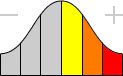
Sweating mildly at night or night sweats
Counter Indicators
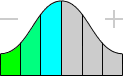
Absence of night sweats
Risk factors for Night Sweats
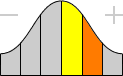
Mercury Toxicity / Amalgam Illness
This symptom may be one of many associated with mercury toxicity.
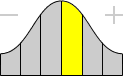
Low Estrogen Levels
Night sweats or their daytime version, hot flashes, may be the first symptom of low estrogen. In both cases, the profuse sweating follows a brief but intense wave of heat, usually in the face and chest.
AIDS / Risk
The most common clinical presentations in the high-risk groups or ARC patients includes night sweats. If HIV has progressed to an advanced stage, night sweats become a severe problem.
Tuberculosis
Tuberculosis (TB) is the classic cause of night sweats. Early on the immune system typically controls the infection and few if any symptoms develop. Then, later in life, the infection may reactivate, causing a chronic pneumonia with fever, night sweats, weight loss and cough. Sometimes the infection involves the lungs minimally, if at all. If you have had night sweats for more than a month or two without any other symptoms, tuberculosis would be less likely but not impossible.
Histoplasmosis
Various fungal infections are associated with chronic night sweats. Histoplasmosis, an infection usually seen in the southeastern, mid-Atlantic and central United States, is one such illness. You are less likely to have histoplasmosis or another fungal infection if you have had night sweats for more than a few months with no other symptoms.
Micobacterium Avium
Micobacterium avium infection can cause night sweats. A micobacterium avium complex (MAC) diagnostic test can be done to identify the infection or rule it out. MAC is common in women with HIV/AIDS and can be deadly if left untreated.
Chronic / Hidden Infection
A hidden infection, such as an abscess in the liver or spleen, can cause night sweats and fever without many other symptoms.
Colds and Influenza
Having a fever due to a self-limiting condition, such as a cold or flu, can cause perspiration during the night, and is not a cause for alarm.
Hypoglycemia
Nighttime hypoglycemia may be without symptoms or manifest itself as night sweats, unpleasant dreams or early morning headache.
Rheumatoid Arthritis
Night sweats, depression and lethargy can accompany this disease.
Cancer / Risk - General Measures
Several malignancies can lead to night sweats.
Night Sweats suggests the following may be present
Colds and Influenza
Having a fever due to a self-limiting condition, such as a cold or flu, can cause perspiration during the night, and is not a cause for alarm.
Tuberculosis
Tuberculosis (TB) is the classic cause of night sweats. Early on the immune system typically controls the infection and few if any symptoms develop. Then, later in life, the infection may reactivate, causing a chronic pneumonia with fever, night sweats, weight loss and cough. Sometimes the infection involves the lungs minimally, if at all. If you have had night sweats for more than a month or two without any other symptoms, tuberculosis would be less likely but not impossible.
Histoplasmosis
Various fungal infections are associated with chronic night sweats. Histoplasmosis, an infection usually seen in the southeastern, mid-Atlantic and central United States, is one such illness. You are less likely to have histoplasmosis or another fungal infection if you have had night sweats for more than a few months with no other symptoms.
Micobacterium Avium
Micobacterium avium infection can cause night sweats. A micobacterium avium complex (MAC) diagnostic test can be done to identify the infection or rule it out. MAC is common in women with HIV/AIDS and can be deadly if left untreated.
Recommendations for Night Sweats

Schizandra Berry (Schizandra chinensis)
Schzisandra in combination with Cornus, Dragon Bone, Ho-Shou-Wu, Polygala, Gall and Lycium bark may help reduce mild night sweats.
White Peony Root (Radix Paeoniae Alba)
If a person is healthy, mild night sweats can be treated with White Peony possibly combined with Zizyphus and Mume.
Key
| Weak or unproven link |
| Strong or generally accepted link |
| Proven definite or direct link |
| Very strongly or absolutely counter-indicative |
| Likely to help |
Glossary
cc
Cubic Centimeter. 29.6cc is 1 fl. oz; 1000cc is 1 liter; 3788cc is 1 gallon.
HIV
Abbreviation for human immunodeficiency virus, a retrovirus associated with onset of advanced immunodeficiency syndrome (AIDS).
Estrogen
One of the female sex hormones produced by the ovaries.
Tuberculosis
Also known as TB, Consumption or "The White Plague", tuberculosis is an infectious disease caused by a bacterium called Mycobacterium tuberculosis, usually affecting the lungs but possibly also the brain, kidneys and bones. Patients may at first be symptom-free or experience a flu-like illness. In the secondary stage, there might be a slight fever, night sweats, weight loss, fatigue and various other symptoms, depending on the part of the body affected. Tuberculosis of the lung is usually associated with a dry cough that eventually leads to a productive cough with blood-stained sputum. There might also be chest pain and shortness of breath.
Immune System
A complex that protects the body from disease organisms and other foreign bodies. The system includes the humoral immune response and the cell-mediated response. The immune system also protects the body from invasion by making local barriers and inflammation.
Chronic
Usually Chronic illness: Illness extending over a long period of time.
Hypoglycemia
A condition characterized by an abnormally low blood glucose level. Severe hypoglycemia is rare and dangerous. It can be caused by medications such as insulin (diabetics are prone to hypoglycemia), severe physical exhaustion, and some illnesses.