Signs, symptoms & indicators of Susceptibility To Cavities
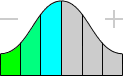
Not having any cavities
Risk factors for Susceptibility To Cavities
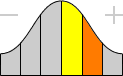
Hypoparathyroidism
Hypoparathyroidism causes weakened tooth enamel in children.
Recommendations for Susceptibility To Cavities

Oral Hygiene / Dental Care
Proper oral home care on your part and properly spaced dental hygiene prevention appointments will go a long way in reducing your opportunity to have new decay begin.
Sugars Avoidance / Reduction
Plaque begins to accumulate on teeth within 20 minutes after eating (the time when most bacterial activity occurs). If this plaque is not removed thoroughly and routinely, tooth decay will not only begin, but flourish. The acids in plaque dissolve the enamel surface of the tooth and create holes in the tooth (cavities).
Sugars and starches increase the risk of tooth decay. Sticky foods are more harmful than nonsticky foods because they remain on the surface of the teeth. Frequent snacking increases the time that acids are in contact with the surface of the tooth.
Chewing Gum
Xylitol gum is the healthy gum that is good for your teeth. Xylitol is the natural sweetener used in chewing gum, mints and toothpaste that has the ability to fight cavities and dental plaque. It has received official endorsements from six national dental associations around the world because of its effectiveness.
Personally, I don’t chew gum. Once a day, I place a small amount of toothpaste on the end of my toothbrush and then dip it into a small container of xylitol (available by the pound in a health food store or even some supermarkets), and them brush the teeth. Xylitol can also be substituted (perhaps up to 50%) when a baking recipe calls for sugar.

Magnesium
Magnesium is helpful in preventing some problems of the teeth, including cavities. For these purposes, a daily dose of 50mg of vitamin B6 and 200-300mg of magnesium is often given.
Strontium
Strontium has been shown to reduce the incidence of cavities. In a 10-year study, the United States Navy Dental Service examined the teeth of about 270,000 naval recruits. Of those, only 360 were found to be completely free of cavities. Curiously, 10% of those 360 individuals came from a small area around Rossburg, Ohio, where the water contains unusually high concentrations of strontium. Epidemiologic studies have shown that strontium concentrations of 6 to 10 mg/liter in the water supply are associated with a reduced incidence of cavities. Administering these levels of strontium also reduced the incidence of cavities in animal studies. [Gaby, Alan – Preventing and Reversing Osteoporosis, Prima Publishing, Rocklin, CA, 1994]

Key
| Strong or generally accepted link |
| Very strongly or absolutely counter-indicative |
| May do some good |
| Likely to help |
| Highly recommended |