Pre-eclampsia is an illness which occurs only during pregnancy or immediately after delivery and can affect you and your baby. It is called pre-eclampsia because in rare cases woman can go on to develop fits, known in pregnancy as eclampsia. It used to be called toxaemia, and your mother and other older relatives may have known it as this. It is quite common, affecting about one in every 10 pregnancies. You are most at risk if you are a first-time mother or pregnant for the first time by a new partner.
Your risk is increased if:
- A close female blood relative has had pre-eclampsia
- You suffer from high blood pressure, diabetes, kidney disease or migraine
- You are over 35
- You are carrying more than one baby
Pre-eclampsia develops in the second half of pregnancy, usually in the last few weeks. Sometimes it starts as late as during labour or even just after the baby is born. Pre-eclampsia is caused by damage to the placenta, the special pregnancy organ which supplies the baby with food and oxygen from your blood. The damaged placenta affects you and your baby in different ways. You develop problems in your circulation, which normally show up as high blood pressure, protein in your urine and swelling. For most woman the illness remains mild. But in some cases it becomes serious and affects other parts of the body, such as the liver, brain, lungs or blood clotting system. It can get worse very quickly and be dangerous.
Your baby may grow slowly or have other problems because he or she can’t get enough food or oxygen from the placenta.
Conditions that suggest Eclampsia / Preeclampsia
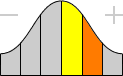
Risk factors for Eclampsia / Preeclampsia
Copper Toxicity
Preeclampsia and Eclampsia may be associated with copper toxicity.
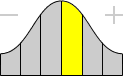
Vitamin C Deficiency
It was found that a dietary intake of vitamin C of less than 85mg per day was associated with an increased risk of preeclampsia in a study of 109 women with preeclampsia. [Epidemiology 2002;13(4): pp.409-416]
Eclampsia / Preeclampsia can lead to
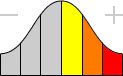
Recommendations for Eclampsia / Preeclampsia


Magnesium
Magnesium has been used specifically to lower blood pressure in pregnant women with preeclampsia, which is characterized by edema, hypertension, and hyperreflexia. These problems could become more severe and lead to seizures (then termed “eclampsia”) as well. Magnesium also acts as a mild anticonvulsant in this case.

Vitamin Folic Acid
Supplementation with folic acid during pregnancy has been associated with a reduced risk of gestational hypertension in a study of 2,100 women in the United States and Canada. [Am J Epidemiol 2002;156(9): pp.806-12]
Vitamin C (Ascorbic Acid)
Several studies imply that harmful free radicals called lipid peroxides contribute to preeclampsia [Khan KS, Chien Pl. Brit J of Obst & Gyn 1997;104(10): pp.11739], and that women with this condition are low in the antioxidants that combat them. [Ziari SA, et al. Am Jl of Perinat 1996;13(5): pp.28791]
Supplementation with vitamin C (1gm per day) and vitamin E (400IU per day) reduced the incidence of preeclampsia by 76% in women at high risk, but for those already experiencing this condition, supplementation had little if any effect. [Lancet 1999;354: pp.810-6, Br J Obstet Gynaecol 1997;104: pp.689-96]
Key
| Weak or unproven link |
| Strong or generally accepted link |
| Proven definite or direct link |
| May do some good |
| Highly recommended |
| Reasonably likely to cause problems |
Glossary
Eclampsia
Convulsions, unrelated to other cerebral conditions, in pregnant or puerperal women (women who have just given birth).
Diabetes Mellitus
A disease with increased blood glucose levels due to lack or ineffectiveness of insulin. Diabetes is found in two forms; insulin-dependent diabetes (juvenile-onset) and non-insulin-dependent (adult-onset). Symptoms include increased thirst; increased urination; weight loss in spite of increased appetite; fatigue; nausea; vomiting; frequent infections including bladder, vaginal, and skin; blurred vision; impotence in men; bad breath; cessation of menses; diminished skin fullness. Other symptoms include bleeding gums; ear noise/buzzing; diarrhea; depression; confusion.
Migraine
Not just a headache, but a disorder affecting the whole body, characterized by clearly defined attacks lasting from about 4 to 72 hours, separated by headache-free periods; progresses through five distinct phases. Prodrome: experienced by about 50% of migraineurs and starting up to 24 hours before the headache - changes in mood, sensory perception, food craving, excessive yawning, or speech or memory problems. Aura: experienced by about 15% and starting within an hour before the headache - disruption of vision (flashing lights, shimmering zigzag lines, blind spot) or sensation (numbness or 'pins and needles' around the lips or hand), or difficulty speaking. Headache: usually pulsating and occurring on one side of the head, it may occur on both sides of the head and alternate from side to side. Muscles in the neck and scalp may be tender; there may be nausea and the desire not to eat, move, see or hear. Resolution: the headache disappears and the body returns to normal. Resolution may occur over several hours during sleep or rest; an intense emotional experience or vomiting may also end the headache. Postdrome: After the headache stops, the sufferer feels drained, fatigued and tired. Muscles ache, emotions are volatile and thinking is slow.
Protein
Compounds composed of hydrogen, oxygen, and nitrogen present in the body and in foods that form complex combinations of amino acids. Protein is essential for life and is used for growth and repair. Foods that supply the body with protein include animal products, grains, legumes, and vegetables. Proteins from animal sources contain the essential amino acids. Proteins are changed to amino acids in the body.
Preeclampsia
A toxic condition developing in the last 4 or 5 months of pregnancy that is characterized by a sudden rise in blood pressure, excessive weight gain, generalized edema (especially hands, ankles, feet and face), albuminuria, severe headache, and visual disturbances. It used to be called toxemia of pregnancy. Some rise in blood pressure is normal during pregnancy, but in preeclampsia the rise is dramatic and is accompanied by other changes. The most notable of these are high concentrations of protein in the urine and a tendency to swell up, especially in the face and hands. This can cause women with preeclampsia to put on several pounds in a few days.
Copper
An essential mineral that is a component of several important enzymes in the body and is essential to good health. Copper is found in all body tissues. Copper deficiency leads to a variety of abnormalities, including anemia, skeletal defects, degeneration of the nervous system, reproductive failure, pronounced cardiovascular lesions, elevated blood cholesterol, impaired immunity and defects in the pigmentation and structure of hair. Copper is involved in iron incorporation into hemoglobin. It is also involved with vitamin C in the formation of collagen and the proper functioning in central nervous system. More than a dozen enzymes have been found to contain copper. The best studied are superoxide dismutase (SOD), cytochrome C oxidase, catalase, dopamine hydroxylase, uricase, tryptophan dioxygenase, lecithinase and other monoamine and diamine oxidases.
Vitamin C
Also known as ascorbic acid, Vitamin C is a water-soluble antioxidant vitamin essential to the body's health. When bound to other nutrients, for example calcium, it would be referred to as "calcium ascorbate". As an antioxidant, it inhibits the formation of nitrosamines (a suspected carcinogen). Vitamin C is important for maintenance of bones, teeth, collagen and blood vessels (capillaries), enhances iron absorption and red blood cell formation, helps in the utilization of carbohydrates and synthesis of fats and proteins, aids in fighting bacterial infections, and interacts with other nutrients. It is present in citrus fruits, tomatoes, berries, potatoes and fresh, green leafy vegetables.
Milligram
(mg): 1/1,000 of a gram by weight.
Epidemiology
The study of the causes and distribution of disease in human populations.