The Immune system is highly complex and important. A strong and balanced immune system is required for health maintenance. Using natural agents, it is possible to help restore an immune system imbalance or weakness.
The immune system is composed of many interdependent cell types that collectively protect the body from bacterial, parasitic, fungal and viral infections, as well as from the growth of tumor cells. Many of these cell types have specialized functions. The cells of the immune system can engulf bacteria, kill parasites or tumor cells, or kill virus-infected cells. These cells often depend on the T-helper subset for activation signals in the form of secretions formally known as cytokines, lymphokines, or more specifically interleukins.
A shift in cytokine balance can result in many serious disorders. If you have an imbalance between Th1 and Th2, it will be reported elsewhere, along with what to do about it.
Impaired immune function manifests in countless ways and varying degrees. It can exist as a genetic or acquired immunodeficiency, or as a transient or permanent state of depressed immune function due to other factors. In either case, the level of reduced immunocompetence – the body’s ability to respond to pathogenic organisms, tumors or tissue damage – is dependent on the nature of the condition, which components of the immune system are affected and to what extent.
A weak or deficient immune system can lead to dysfunctions such as autoimmune diseases (including allergies) and tumor growth. Because immune deficiency does not always present itself in clear patterns, faulty immune function and its specific underlying cause often elude detection. Diagnosis, however, is vital as impaired immune response can pose serious threats to health. With the increasing resistance of pathogens to current antibiotics and anti-fungal medications, the impact of a weak immune system has taken on added significance. Likewise, the daily immune challenges in the face of a more environmentally toxic world have intensified the need for maintaining optimal immune function.
Immune responses can be depressed by various external influences including emotional stress, physical stressors such as inadequate sleep or athletic overtraining, environmental and occupational chemical exposure, UV and other types of radiation, common viral or bacterial infections, certain drug therapies, blood transfusions and surgery. Dietary habits also have an impact on immune response. Excessive fat, alcohol or refined sugar consumption or inadequate protein, calorie, vitamin, mineral or water intake fosters decreased immune performance as well. In addition, the biological state of aging counteracts immune function, particularly after age of 40.
Immune deficiencies are also attributed to acquired infections or diseases that target the immune system, such as AIDS, while others, particularly primary immunodeficiency diseases, are often due to genetic abnormalities. Not all primary immunodeficiency diseases are genetically determined, however. Some occur without a known cause. One of the most frequent immunodeficiency diseases, Common Variable Immunodeficiency (CVID), which includes hypogammaglobulinemia, adult-onset agammaglobulinemia, late-onset hypogammaglobulinemia and acquired agammaglobulinemia, usually occurs sporadically and has no clear pattern of inheritance.
Chronic and acute mobilization of immune defenses, induced by a variety of diseases and conditions, places undue stress on the immune system, weakening its capacity to deal effectively with infectious organisms and other immunological requirements elsewhere in the body. Such conditions include, but are not limited to, multiple sclerosis, fibromyalgia, autoimmune disorders in general, primary chronic polyarthritis, chronic candidiasis, cancer, neurodermatitis, ulcerative colitis, Crohn’s disease, food and other allergies, Chronic Fatigue Syndrome (CFS) and chemical sensitivities.General ways to enhance your immune system:
Being breastfed as a baby, exercising sufficiently but not excessively, stress management, avoiding food and other allergens, and being well-nourished; supplements such as TMG, zinc, vitamin C and other antioxidants; hormones such as HGH (human growth hormone – can be used homeopathically) and DHEA; colloidal silver, and l-arginine.
A high-quality multivitamin and mineral supplement (especially B6, B12, folate, pantothenic acid, C, zinc, selenium, chromium, and manganese) can be an important starting point. Some are available with thymus extracts in them.
Phytonutrients or foods can be used such as garlic, B-1,3-D glucan, olive leaf (extract), echinacea, ginseng, astralgalus, goldenseal, lemon balm, modified citrus pectin, carnivora (venus fly trap), some mushrooms and plant sterols. Animal-based preparations include thymus proteins, lactoferrin and shark liver oil. Anecdotal evidence supports the use of Bob Beck type electrical devices such as the magnetic pulser and ‘Black Box’ or Zapper.Nutrient deficiency is a well-known cause of immune system malfunction. It has recently been demonstrated in an animal species is that nutrient deficiency in one generation can affect immune function in succeeding generations, even if they’re not nutrient deficient. In that experiment pregnant mice were given a zinc-deficient diet. Their offspring had defective immune function, even though they and their mothers were fed a zinc-adequate diet as soon as they were born. Second and third generations of mice also had defective immune system function (although less severe), all while maintaining a zinc-adequate diet. “This study”, the researchers said, “has important implications for public health and human welfare, as the consequences of fetal impoverishment may persist despite generations of nutritional supplementation. Dietary supplementation beyond the levels considered adequate might allow for more rapid or complete restoration of immunocompetence”.
Put another way, it is possible that immune system defects suffered by you (including over-reactivity to foods) could be due to nutrient deficiencies suffered by your grandmothers in the months before you were born. It’s also possible that diet supplementation (vitamins, minerals, and so on) above the usual levels might aid in a more rapid recovery.
Signs, symptoms & indicators of Weakened Immune System
Slow recovery from colds
Counter Indicators
Rapid recovery from colds
History of infections
Frequent colds/flus
Lowered immune function may result in an increase in acute illnesses such as colds and the flu, but over time it also may contribute to the development of chronic disease.
Recent/chronic productive cough
Conditions that suggest Weakened Immune System
Shingles (Herpes Zoster)
Shingles is also more common in people with weakened immune systems from HIV infection, chemotherapy or radiation treatment, transplant operations and stress.
Yeast / Candida
Candidiasis is more common and severe in individuals with weakened immune systems.
Rheumatoid Arthritis
People with rheumatoid arthritis, who for a long time were thought to have overactive immune systems, instead may have exhausted immune systems. A study at the Mayo Clinic has shown for the first time that patients with rheumatoid arthritis have prematurely aged immune systems. Patients 20 to 30 years old had a collection of T-cells that looked like they belonged to 50 to 60 year olds.
Multiple Myeloma
Multiple myeloma is one of many conditions that can cause a weakened immune system.
Risk factors for Weakened Immune System
Allergy / Intolerance to Foods (Hidden)
Food allergies divert some of the immune system‘s resources away from preventing and dealing with illness. Thus, continuous consumption of a food which is causing symptoms weakens your immune system. A weakened immune system enables infections and cancerous growths to develop and take hold. Many patients report that they suffer from more than one symptom or illness when reintroducing a known food allergen into their diet after a period of abstinence.
Mercury Toxicity / Amalgam Illness
In vitro studies suggest that even low, environmentally relevant exposure levels of mercury, which are not toxic, still contribute to immune dysfunction by interfering with proper lymphocyte functioning. [Scand J Immunol 50(3): pp.233-241]
Overtraining, Effects
High performance athletes have chronically lowered immune systems. The high level of training leaves their immune systems frequently depressed so that, for example, if a group of athletes is training together, a flu bug will rapidly make its way around. It is said that, in immunological terms, high-performance athletes are some of the least healthy people around.
Low Adrenal Function / Adrenal Insufficiency
Adrenal insufficiency can lead to a host of problems, including a weakened immune response, anxiety and panic attacks.
Chronic Fatigue / Fibromyalgia Syndrome
Immune dysfunction has been documented in CFS. CFS has been called chronic fatigue immune dysfunction syndrome (CFIDS). The immune dysfunction may result in recurrent infections, often with normally nonpathogenic organisms such as Candida albicans or bowel parasites. Treat any bowel infections or imbalances and any sinusitis or nasal congestion.
Having very/having reduced CD4/CD8
Generally, the CD4/CD8 ratio is increased in autoimmune diseases and decreased in viral infections.
Counter Indicators
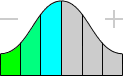
Having elevated CD4/CD8
Generally, the CD4/CD8 ratio is increased in autoimmune diseases and decreased in viral infections.
Previous/recent transplant surgery
Stress
Studies show that stress and depression affect the body physically and can weaken the immune system. Suppressor-T cells, also known as CD8 cells, are part of the immune system. Studies by Manuck et al in 1991 showed that psychological stressors induced cell division among CD8 cells, thereby increasing the number of CD8 cells and suppressing immune function. However, this response was only seen in those subjects who also showed high heart rate change and catecholamine change during the stressors i.e. those people who are significantly affected by stress.
Zinc Requirement
Zinc deficiency weakens the immune system.
Supplementation Need
Inadequate vitamin and mineral intake has been associated with immune deficiency and improper energy metabolism. It appears that most immune system dysfunction actually results from a vitamin and/or mineral deficiency rather than protein deficiency.
Cirrhosis of the Liver
Cirrhosis can cause immune system dysfunction leading to infection.
Prednisone use
A side-effect of treatment with prednisone can be an increased susceptibility to infection. Prednisone must be used cautiously by HIV-positive individuals because this drug is immunosuppressive and can increase the risk of contracting opportunistic infections. People who have undergone radiation, chemotherapy or other immune-suppressing treatments also typically have low thymus function.
Weakened Immune System suggests the following may be present
Overtraining, Effects
High performance athletes have chronically lowered immune systems. The high level of training leaves their immune systems frequently depressed so that, for example, if a group of athletes is training together, a flu bug will rapidly make its way around. It is said that, in immunological terms, high-performance athletes are some of the least healthy people around.
AIDS / Risk
AIDS has a weakening effect on the immune system, resulting in many possible opportunistic infections, some of which would be rarely encountered otherwise. These include pneumocystis pneumonia carinii, candida albicans, toxoplasmosis, cryptosporidiosis, cryptococcal meningitis, tuberculosis, Non-Hodgkins lymphoma, cytomegalovirus and mycobacterium infections. Women also experience increased susceptibility to recurrent vaginitis and cervical cancer (due to decreased resistance to human papiloma virus).Children are susceptible to all the complications demonstrated by adults, plus an increased risk of acute bacterial infection, such as otitis media, meningococcal meningitis, lobar pneumonia, conjunctivitis, ear infections and tonsillitis.
Rheumatoid Arthritis
People with rheumatoid arthritis, who for a long time were thought to have overactive immune systems, instead may have exhausted immune systems. A study at the Mayo Clinic has shown for the first time that patients with rheumatoid arthritis have prematurely aged immune systems. Patients 20 to 30 years old had a collection of T-cells that looked like they belonged to 50 to 60 year olds.
Weakened Immune System can lead to
Yeast / Candida
Candidiasis is more common and severe in individuals with weakened immune systems.
Increased Risk of Cervical Cancer
A primary risk factor for cervical cancer is a weakened immune system. Since infection with HIV, for example, damages the immune system, being HIV-positive makes women more susceptible to HPV infection and cervical cancer.
Recommendations for Weakened Immune System


Astragalus Root (Astragalus membrinaceus)
Astragalus is establishing its importance in the long-term recovery of people with moderate to severely weakened immune systems. It increases the activity of white blood cells and increases interferon production (the substance that prevents the development of a virus in living cells) in the body. These attributes make it suitable for use as a preventative against recurring colds, flu and bronchitis, as well as an adjunct to treating chronic illnesses and supporting long term recovery from debilitating viral infections.
Elderberry (Sambucus nigra)
Although viruses cannot be treated with antibiotics, which are effective only against bacteria, the body’s immune system has many natural defenses against virus infections. Infected cells produce interferons and other cytokines (soluble components that are largely responsible for regulating the immune response to viruses), which can signal adjacent uninfected cells to mount their defenses, enabling uninfected cells to impair virus replication. Elderberry stimulates favorable cytokine production. [Eur Cytokine Netw 2001 Apr-Jun; 12(2): pp.290-6]

Noni
Noni protected mice from developing cancer as would be expected in a trial conducted at the University of Hawaii School of Medicine. Noni acted not by killing the cancer cells, but by stimulating their immune system.
Ginseng, Korean - Chinese / Asian (Panax ginseng)
At the Institute of Traditional Chinese Medicine in Jilin Province, researchers in the pharmacology department evaluated the effects of ginseng on immune responses. The immune responses of mice were tested with different dosages of extracts obtained either from the leaf or the root of ginseng. Significant changes in the response of the reticuloendothelial (RES) system were found, especially with moderate doses of the root extracts. Larger doses did not improve the response. RES cells are the immune system components that devour foreign organisms without leaving their original sites in the liver, spleen and other tissues of the body.
However, ginseng has not yet been proven effective for bolstering the immune system.
Sugars Avoidance / Reduction
Sugars have a depressive effect on the immune system.
Raw Food Diet
Uncooked food is a necessary prerequisite for an intact immune system. The therapeutic effect is complex, and a variety of influences of raw food on the immune system have been documented. Such effects include antibiotic, anti-allergic, tumor-protective, immune modulating and anti-inflammatory actions. In view of this, uncooked food can be seen as a useful adjunct in the treatment of an altered or weakened immune system. [ Fortschr Med 1990 Jun 10;108(17): pp.338-40 (German)]
Artificial Sweetener Avoidance
Splenda has been demonstrated to reduce thymus size, suggesting a poorer immune response potential.
Beta 1,3 Glucan
Beta glucan, having its own immune stimulating properties, will help other substances like antibiotics, antifungals and antiparasitics to work better.
Glyconutrients
There are many testimonies available on the Internet regarding how glyconutrients products has seemed to improve their immune systems. People report that they get sick less frequently, and have more energy. While more study is needed, those who are looking for a solution to improve their health, might consider taking such a product to see if they are benefited.
Plant Sterols / Sterolins (Phytosterols)
Plant sterols are an effective immune balancer. Sterols and related compounds called sterolins are special fats found in plant foods, such as seeds, nuts, and plant oils. Sterols and sterolins have been shown to restore immune balance, which is beneficial for those with infections, stress-induced immune suppression, allergies, or rheumatoid arthritis and other autoimmune conditions [Alternative Medicine Review, 2001, vol. 6, no. 2]
Test Zinc Levels
Normal zinc levels are required for a strong immune system.
Reading List
The Maker’s Diet by Dr. Jordan Rubin, NMD.
DHA (docosahexaenoic acid)
It is known that adding fish oil, which is rich in omega-3 fatty acids with EPA and DHA, to your diet is reported to decrease several markers of the immune system. However, whether it is EPA, DHA or a combination of both that affects the functioning of the immune system remains unclear. A study was conducted to determine the immune system effects of adding EPA-rich or DHA-rich oils to the diet of healthy humans.
The study, which was a double blind parallel and placebo-controlled, consisted of 42 healthy adults who were randomly chosen to receive either placebo oil (olive oil), EPA-rich oil or DHA-rich oil for a four-week period. Samples of blood were drawn before and after taking the oil.
The results of the study showed that the effects of the EPA were significantly different from the DHA. While those who took the DHA-rich oil showed a decrease in T lymphocyte activation, which helps keep virus-infected or malignant cells in check, there was no significant change among the EPA-rich oil group.
Conclusions from the study revealed that the use of DHA supplementation, but not EPA, restrained the T lymphocyte activation. It was also discovered that neither EPA nor DHA significantly affected any other area of the immune system. [
American Journal of Clinical Nutrition April 2004;79(4) pp.674-681]
Beta-Carotene
A daily intake of beta-carotene at 25,000 IU (16mg) appears to be optimal to strengthen immunity.
Lycopene
Lycopene supplementation has been found to boost immune function in the elderly. In one trial, 15mg of lycopene per day increased natural killer cell activity by 28% in 12 weeks. [Proc Nutr Soc 1998;57:3A (abstr)]
Calming / Stretching Exercises
This study points to specific protective benefits as related to shingles and aging. There may a broader, yet untested protective benefit against infectious disease.
Tai chi chih, the Westernized version of the 2,000-year-old Chinese martial art characterized by slow movement and meditation, significantly boosts the immune systems of older adults against the virus that leads to the painful, blistery rash known as shingles, according to a new UCLA study.
The 25-week study, which involved a group of 112 adults ranging in age from 59 to 86, showed that practicing tai chi chih alone boosted immunity to a level comparable to having received the standard vaccine against the shingles-causing varicella zoster virus. When tai chi chih was combined with the vaccine, immunity reached a level normally seen in middle age. The report appears in the April issue of the Journal of the American Geriatrics Society, currently online.
The results, said lead author Michael Irwin, the Norman Cousins Professor of Psychiatry at the Semel Institute for Neuroscience and Human Behavior at UCLA, confirm a positive, virus-specific immune response to a behavioral intervention. The findings demonstrate that tai chi chih can produce a clinically relevant boost in shingles immunity and add to the benefit of the shingles vaccine in older adults.
“These are exciting findings, because the positive results of this study also have implications for other infectious diseases, like influenza and pneumonia,” said Irwin, who is also director of the UCLA Cousins Center for Psychoneuroimmunology. “Since older adults often show blunted protective responses to vaccines, this study suggests that tai chi is an approach that might complement and augment the efficacy of other vaccines, such as influenza.”
The study divided individuals into two groups. Half took tai chi chih classes three times a week for 16 weeks, while the other half attended health education classes – including advice on stress management, diet and sleep habits – for the same amount of time and did not practice tai chi chih. After 16 weeks, both groups received a dose of the shingles vaccine Varivax. At the end of the 25-week period, the tai chi chih group achieved a level of immunity two times greater than the health education group. The tai chi chih group also showed significant improvements in physical functioning, vitality, mental health and reduction of bodily pain
The research follows the success of an earlier pilot study that showed a positive immune response from tai chi chih but did not assess its effects when combined with the vaccine.
The varicella zoster virus is the cause of chickenpox in kids. Children who get chickenpox generally recover, but the virus lives on in the body, remaining dormant. As we age, Irwin said, our weakening immune systems may allow the virus to reemerge as shingles. Approximately one-third of adults over 60 will acquire the infection at some point.
Key
| Weak or unproven link |
| Strong or generally accepted link |
| Proven definite or direct link |
| Strongly counter-indicative |
| Very strongly or absolutely counter-indicative |
| May do some good |
| Likely to help |
| Highly recommended |
Glossary
Immune System
A complex that protects the body from disease organisms and other foreign bodies. The system includes the humoral immune response and the cell-mediated response. The immune system also protects the body from invasion by making local barriers and inflammation.
Bacteria
Microscopic germs. Some bacteria are "harmful" and can cause disease, while other "friendly" bacteria protect the body from harmful invading organisms.
Parasite
An organism living in or on another organism.
Cytokines
Cytokines are chemical messengers that control immune responses. They are secreted by white blood cells, T cells, epithelial cells and some other body cells. There are at least 17 different kinds of interleuken and 3 classes of interferon called alpha, beta and gamma and various subsets. Interleukens and interferons are called “cytokines” and there are two general groupings, Th1 and Th2. Th1 (T-cell Helper type 1) promote cell-mediated immunity (CMI) while Th2 (T-cell Helper type 2) induce humoral immunity (antibodies).
Lymphokines
Substances produced by the cells of the immune system when exposed to antigens. These substances are not antibodies, but they play a vital role in the on-board defense system.
Autoimmune Disease
One of a large group of diseases in which the immune system turns against the body's own cells, tissues and organs, leading to chronic and often deadly conditions. Examples include multiple sclerosis, rheumatoid arthritis, systemic lupus, Bright's disease and diabetes.
Allergy
Hypersensitivity caused by exposure to a particular antigen (allergen), resulting in an increased reactivity to that antigen on subsequent exposure, sometimes with harmful immunologic consequences.
Refined Sugar
The term 'refined sugar' includes not only the “sugar” listed in ingredient listings, but also brown sugar, glucose, fructose and dextrose. Obvious sources include jams and jellies; hidden sources are often mayonnaise, ketchup, salad dressings and other condiments.
Protein
Compounds composed of hydrogen, oxygen, and nitrogen present in the body and in foods that form complex combinations of amino acids. Protein is essential for life and is used for growth and repair. Foods that supply the body with protein include animal products, grains, legumes, and vegetables. Proteins from animal sources contain the essential amino acids. Proteins are changed to amino acids in the body.
Mineral
Plays a vital role in regulating many body functions. They act as catalysts in nerve response, muscle contraction and the metabolism of nutrients in foods. They regulate electrolyte balance and hormonal production, and they strengthen skeletal structures.
Chronic
Usually Chronic illness: Illness extending over a long period of time.
Acute
An illness or symptom of sudden onset, which generally has a short duration.
Multiple Sclerosis
Demyelinating disorder of the central nervous system, causing patches of sclerosis (plaques) in the brain and spinal cord, manifested by loss of normal neurological functions, e.g., muscle weakness, loss of vision, and mood alterations.
Fibromyalgia
(FMS): Originally named fibrositis, it is a mysteriously debilitating syndrome that attacks women more often than men. It is not physically damaging to the body in any way, but is characterized by the constant presence of widespread pain that often moves about the body. Fibromyalgia can be so severe that it is often incapacitating.
Candidiasis
Infection of the skin or mucous membrane with any species of candida, usually Candida albicans. The infection is usually localized to the skin, nails, mouth, vagina, bronchi, or lungs, but may invade the bloodstream. It is a common inhabitant of the GI tract, only becoming a problem when it multiplies excessively and invades local tissues. Growth is encouraged by a weakened immune system, as in AIDS, or with the prolonged administration of antibiotics. Vaginal symptoms include itching in the genital area, pain when urinating, and a thick odorless vaginal discharge.
Cancer
Refers to the various types of malignant neoplasms that contain cells growing out of control and invading adjacent tissues, which may metastasize to distant tissues.
Ulcerative Colitis
(Colitis ulcerosa): Ulceration of the colon and rectum, usually long-term and characterized by rectal bleeding or blood in the stool, frequent urgent diarrhea/bowel movements each day, abdominal pain.
Crohn's Disease
Chronic inflammatory disease of the gastrointestinal tract. The most common symptoms are abdominal pain, often in the lower right area, and diarrhea. Rectal bleeding, weight loss, and fever may also occur. Bleeding may be serious and persistent, leading to anemia.
Chronic Fatigue Syndrome
CFS (Chronic Fatigue Syndrome) is a disorder of unknown cause that lasts for prolonged periods and causes extreme and debilitating exhaustion as well as a wide range of other symptoms such as fever, headache, muscle ache and joint pain, often resembling flu and other viral infections. Also known as Chronic Fatigue and Immune Dysfunction Syndrome (CFIDS), Chronic Epstein-Barr Virus (CEBV), Myalgic Encephalomyelitis (ME), "Yuppy Flu" and other names, it is frequently misdiagnosed as hypochondria, psychosomatic illness, or depression, because routine medical tests do not detect any problems.
Allergen
A substance that is capable of producing an allergic response in the body.
TMG
Tri-methyl-glycine. After supplying a methyl group, TMG becomes di-methyl-glycine. DMG, a natural component of animal and plant metabolism, positively influences the immune response in laboratory animals and humans and boosts physical and mental performance.
Zinc
An essential trace mineral. The functions of zinc are enzymatic. There are over 70 metalloenzymes known to require zinc for their functions. The main biochemicals in which zinc has been found to be necessary include: enzymes and enzymatic function, protein synthesis and carbohydrate metabolism. Zinc is a constituent of insulin and male reproductive fluid. Zinc is necessary for the proper metabolism of alcohol, to get rid of the lactic acid that builds up in working muscles and to transfer it to the lungs. Zinc is involved in the health of the immune system, assists vitamin A utilization and is involved in the formation of bone and teeth.
Vitamin C
Also known as ascorbic acid, Vitamin C is a water-soluble antioxidant vitamin essential to the body's health. When bound to other nutrients, for example calcium, it would be referred to as "calcium ascorbate". As an antioxidant, it inhibits the formation of nitrosamines (a suspected carcinogen). Vitamin C is important for maintenance of bones, teeth, collagen and blood vessels (capillaries), enhances iron absorption and red blood cell formation, helps in the utilization of carbohydrates and synthesis of fats and proteins, aids in fighting bacterial infections, and interacts with other nutrients. It is present in citrus fruits, tomatoes, berries, potatoes and fresh, green leafy vegetables.
Antioxidant
A chemical compound that slows or prevents oxygen from reacting with other compounds. Some antioxidants have been shown to have cancer-protecting potential because they neutralize free radicals. Examples include vitamins C and E, alpha lipoic acid, beta carotene, the minerals selenium, zinc, and germanium, superoxide dismutase (SOD), coenzyme Q10, catalase, and some amino acids, like cystiene. Other nutrient sources include grape seed extract, curcumin, gingko, green tea, olive leaf, policosanol and pycnogenol.
Hormones
Chemical substances secreted by a variety of body organs that are carried by the bloodstream and usually influence cells some distance from the source of production. Hormones signal certain enzymes to perform their functions and, in this way, regulate such body functions as blood sugar levels, insulin levels, the menstrual cycle, and growth. These can be prescription, over-the-counter, synthetic or natural agents. Examples include adrenal hormones such as corticosteroids and aldosterone; glucagon, growth hormone, insulin, testosterone, estrogens, progestins, progesterone, DHEA, melatonin, and thyroid hormones such as thyroxine and calcitonin.
DHEA
Dehydroepiandrosterone (DHEA) is a steroid produced by the adrenal glands and is the most abundant one found in humans. DHEA may be transformed into testosterone, estrogen or other steroids. It is found in the body as DHEA or in the sulfated form known as DHEA-S. One form is converted into the other as needed.
Vitamin B6
Influences many body functions including regulating blood glucose levels, manufacturing hemoglobin and aiding the utilization of protein, carbohydrates and fats. It also aids in the function of the nervous system.
Cobalamin
Vitamin B-12. Essential for normal growth and functioning of all body cells, especially those of bone marrow (red blood cell formation), gastrointestinal tract and nervous system, it prevents pernicious anemia and plays a crucial part in the reproduction of every cell of the body i.e. synthesis of genetic material (DNA).
Pantothenic Acid
A B-complex vitamin necessary for the normal functioning of the adrenal gland, which directly affects growth. It is also essential for the formation of fatty acids. As a coenzyme, it participates in the utilization of riboflavin and in the release of energy from carbohydrates, fats and proteins.
Selenium
An essential element involved primarily in enzymes that are antioxidants. Three selenium- containing enzymes are antioxidant peroxidases and a fourth selenium-containing enzyme is involved in thyroid hormone production. The prostate contains a selenium-containing protein and semen contains relatively large amounts of selenium. Clinical studies show that selenium is important in lowering the risk of several types of cancers. In combination with Vitamin E, selenium aids the production of antibodies and helps maintain a healthy heart. It also aids in the function of the pancreas, provides elasticity to tissues and helps cells defend themselves against damage from oxidation.
Chromium
Chromium is a mineral that becomes a part of the glucose tolerance factor (GTF). Chromium aids in insulin utilization and blood sugar control. By controlling blood sugar, chromium helps prevent the damage caused by glucose, which is called glycation. Chromium helps maintain normal cholesterol levels and improves high-density lipoprotein levels. Chromium is also important in building muscle and reducing obesity.
Manganese
An essential mineral found in trace amounts in tissues of the body. Adults normally contain an average of 10 to 20mg of manganese in their bodies, most of which is contained in bone, the liver and the kidneys. Manganese is essential to several critical enzymes necessary for energy production, bone and blood formation, nerve function and protein metabolism. It is involved in the metabolism of fats and glucose, the production of cholesterol and it allows the body to use thiamine and Vitamin E. It is also involved in the building and degrading of proteins and nucleic acid, biogenic amine metabolism, which involves the transmitting of nerve impulses.
Phytonutrient
A nutrient derived from a plant.
Thiamine
(Vitamin B-1): A B-complex vitamin that acts as a coenzyme necessary for the conversion of carbohydrates into glucose, which is burned in the body for energy. It is essential for the functioning of the nervous system.
Sterols
A large subgroup of steroids.
Shingles
A severe infection caused by the Varicella-Zoster virus (VZV), affecting mainly adults. It causes painful skin blisters that follow the underlying route of brain or spinal nerves infected by the virus. Also know as herpes zoster.
HIV
Abbreviation for human immunodeficiency virus, a retrovirus associated with onset of advanced immunodeficiency syndrome (AIDS).
Chemotherapy
A treatment of disease by any chemicals. Used most often to refer to the chemical treatments used to combat cancer cells.
Rheumatoid Arthritis
A long-term, destructive connective tissue disease that results from the body rejecting its own tissue cells (autoimmune reaction).
Arthritis
Inflammation of a joint, usually accompanied by pain, swelling, and stiffness, and resulting from infection, trauma, degenerative changes, metabolic disturbances, or other causes. It occurs in various forms, such as bacterial arthritis, osteoarthritis, or rheumatoid arthritis. Osteoarthritis, the most common form, is characterized by a gradual loss of cartilage and often an overgrowth of bone at the joints.
T-Cell
T cells are lymphocytes that are produced in the bone marrow and mature in the thymus. T cells are responsible for mediating the second branch of the immune system called "cellular immune response." T cells can live for months to years. This lymphocyte population is defined by the presence of a rearranged T-cell receptor.
Lymphocyte
A type of white blood cell found in lymph, blood, and other specialized tissue such as bone marrow and tonsils, constituting between 22 and 28 percent of all white blood cells in the blood of a normal adult human being. B- and T-lymphocytes are crucial components of the immune system. The B-lymphocytes are primarily responsible for antibody production. The T-lymphocytes are involved in the direct attack against living organisms. The helper T-lymphocyte, a subtype, is the main cell infected and destroyed by the AIDS virus.
Adrenal Insufficiency
Also known as Adrenal Exhaustion or Low Adrenal Function, this is a condition where the adrenal gland is compromised in its production of epinephrine, norepinephrine, cortisol, corticosterone or aldosterone. Symptoms include primarily fatigue, weakness, decreased appetite with ensuing weight loss, as well as nausea, vomiting, abdominal pain, diarrhea or constipation, or increased pigmentation of the skin. Cortical insufficiency (low or no corticosteroids) produces a more serious condition called Addison’s Disease, characterized by extreme weakness, low blood pressure, pigmentation of the skin, shock or even death.
Anxiety
Apprehension of danger, or dread, accompanied by nervous restlessness, tension, increased heart rate, and shortness of breath unrelated to a clearly identifiable stimulus.
Panic Attack
A brief, irrational episode of fear that is perceived as so real that an individual may be driven to escape from the place or situation where it occurs. The attack is sudden and increases in severity until it leaves, usually within ten minutes. Panic attack symptoms are numerous and involve both mental and physical signs and symptoms. A panic attack can occur in other anxiety states such as agoraphobia and with certain activities and places. It may occur spontaneously without an apparent cause.
CD4/CD8
The ratio of the number of helper T lymphocytes to the number of suppressor and cytotoxic T lymphocytes. The cells are counted with the use of monoclonal antibodies to the surface glycoproteins CD4 on helper T cells and CD8 on suppressor and cytotoxic T cells. In healthy individuals the ratio ranges from 1.6 to 2.2. The ratio is important in monitoring the function of the immune system in patients who have viral infections or who have undergone tissue transplantation, either of which may cause an increase in the number of suppressor T cells.
Catecholamine
Any of various amines (as epinephrine, norepinephrine, and dopamine) that function as hormones and/or neurotransmitters.
Metabolism
The chemical processes of living cells in which energy is produced in order to replace and repair tissues and maintain a healthy body. Responsible for the production of energy, biosynthesis of important substances, and degradation of various compounds.
Cirrhosis
A long-term disease in which the liver becomes covered with fiber-like tissue. This causes the liver tissue to break down and become filled with fat. All functions of the liver then decrease, including the production of glucose, processing drugs and alcohol, and vitamin absorption. Stomach and bowel function, and the making of hormones are also affected.
Tuberculosis
Also known as TB, Consumption or "The White Plague", tuberculosis is an infectious disease caused by a bacterium called Mycobacterium tuberculosis, usually affecting the lungs but possibly also the brain, kidneys and bones. Patients may at first be symptom-free or experience a flu-like illness. In the secondary stage, there might be a slight fever, night sweats, weight loss, fatigue and various other symptoms, depending on the part of the body affected. Tuberculosis of the lung is usually associated with a dry cough that eventually leads to a productive cough with blood-stained sputum. There might also be chest pain and shortness of breath.
Lymphoma
Any tumor of the lymphatic tissues.
Cytomegalovirus
(CMV): A member of the herpes virus family which may induce the immune-deficient state or cause active illness, such as pneumonia, in a patient already immune-deficient due to chronic illness, such as cancer or organ transplantation therapy.
Virus
Any of a vast group of minute structures composed of a protein coat and a core of DNA and/or RNA that reproduces in the cells of the infected host. Capable of infecting all animals and plants, causing devastating disease in immunocompromised individuals. Viruses are not affected by antibiotics, and are completely dependent upon the cells of the infected host for the ability to reproduce.
Otitis Media
A very common condition involving inflammation of the middle ear and can be classified as either acute otitis media (AOM), or otitis media with effusion (OME) which is a chronic disease. It most commonly affects infants and young children but can affect all age groups. Symptoms of AOM include earache, decreased hearing, fever, unsteadiness, and occasionally liquid discharge if the eardrum bursts. Symptoms of OME include decreased hearing, tinnitus and unsteadiness, but OME can be entirely without symptoms. Effusions (discharges) continue for several weeks after AOM; only 60% of ears with AOM are clear at 2 weeks and 80% are clear by 8 weeks.