There is a growing awareness among healthcare providers that traumatic experiences are widespread and that it is common for people who have been traumatized to develop medical and psychological symptoms associated with the experience.
Recent studies have shown that childhood abuse (particularly sexual abuse) is a strong predictor of the lifetime likelihood of developing PTSD. Although many people still equate PTSD with combat trauma, the experience most likely to produce PTSD is rape. PTSD is associated with an extremely high rate of medical and mental health service use, and possibly the highest per-capita cost of any psychological condition.
But there is help and there is hope.
PTSD is a long-term problem for many people. Studies show that 33-47% of people being treated for PTSD were still experiencing symptoms more than a year after the traumatic event. Without treatment many people continue to have PTSD symptoms up to ten years after the traumatic event.
What are the symptoms of PTSD?
PTSD symptoms are divided into three categories. People who have been exposed to traumatic experiences may notice any number of symptoms in almost any combination. However, the diagnosis of PTSD means that someone has met very specific criteria. The symptoms for PTSD are listed below.
- Intrusive Re-experiencing People with PTSD frequently feel as if the trauma is happening again. This is sometimes called a flashback, reliving experience or abreaction. The person may have intrusive pictures in his/her head about the trauma, have recurrent nightmares or may even experience hallucinations about the trauma. Intrusive symptoms sometimes cause people to lose touch with the “here and now” and react in ways that they did when the trauma originally occurred. For example, many years later a victim of child abuse may hide trembling in a closet when feeling threatened, even if the perceived threat is not abuse-related.
- Avoidance People with PTSD work hard to avoid anything that might remind them of the traumatic experience. They may try to avoid people, places or things that are reminders, as well as numbing out emotions to avoid painful, overwhelming feelings. Numbing of thoughts and feelings in response to trauma is known as “dissociation” and is a hallmark of PTSD. Frequently, people with PTSD use drugs or alcohol to avoid trauma-related feelings and memories.
- Arousal Symptoms of psychological and physiological arousal are very distinctive in people with PTSD. They may be very jumpy, easily startled, irritable and may have sleep disturbances like insomnia or nightmares. They may seem constantly on guard and may find it difficult to concentrate. Sometimes persons with PTSD will have panic attacks accompanied by shortness of breath and chest pain.
Who gets PTSD?
PTSD can affect anyone at any age who has been exposed to a traumatic event where he/she experienced terror, threat (or perceived threat) to life, limb or sanity and his/her ability to cope was overwhelmed. Conservative estimates show that 9-10% cent of the general population has PTSD. Among people who were victims of specific traumatic experiences (rape, child abuse, violent assaults, etc.), the rate of PTSD is 60-80%.
Diagnosis
Unfortunately, it is common for those with PTSD to avoid treatment. Also, it is common for those who do seek treatment to be misdiagnosed. Because PTSD often occurs at the same time as other physiological and mental health disorders, PTSD symptoms may be masked or difficult to identify. Examples of common co-occurring conditions are depression, substance use/dependence and bipolar disorder. Trauma survivors may also experience headaches, chest pain, digestive or gynecological problems as well. However, there is a growing number of clinicians who are skilled at recognizing PTSD and still others who are specializing in treatment of traumatic stress disorders. If you think you might have PTSD you should seek professional help for a thorough physical and mental health assessment.
Can PTSD be treated?
Yes. A person who has survived a traumatic event will probably never feel as if the event didn’t happen, but the disruptive, distressing effects of PTSD are completely treatable. Depending on the source of the trauma (manmade versus natural), the nature of the trauma (accidental versus purposeful), and the age of the victim at the time of the trauma, treatment strategies may vary. Treatment involves both managing symptoms and working through the traumatic event. Most experts agree that psychotherapy is an important part of recovery. Medications can help reduce some symptoms allowing psychotherapy to be more effective.
Signs, symptoms & indicators of Post Traumatic Stress Disorder
Difficult memories
People with PTSD work hard to avoid anything that might remind them of the traumatic experience. They may try to avoid people, places or things that are reminders, as well as numbing out emotions to avoid painful, overwhelming feelings. Numbing of thoughts and feelings in response to trauma is known as “dissociation” and is a hallmark of PTSD. Many with PTSD often feel as if the trauma is happening all over again.
Irritability
Jumpiness
Symptoms of psychological and physiological arousal are very distinctive in people with PTSD. They may seem constantly on guard and may find it difficult to concentrate.
Trouble concentrating
Sudden shortness of breath or air hunger
Bizarre/vivid/nightmarish dreams
People suffering from PTSD may have intrusive mental images or hallucinations about a trauma, or recurrent nightmares.
Unsound sleep
(Frequent) difficulty falling asleep
Being a light sleeper
Conditions that suggest Post Traumatic Stress Disorder
Alcohol-related Problems
Frequently, people with PTSD use drugs or alcohol to avoid trauma-related feelings and memories.
Panic Attacks
New Geisinger-lead research dispels a recent notion in psychiatry that if a person experiences a panic attack during a traumatic event that they will likely suffer from post-traumatic stress disorder (PTSD) in the future.
The study appears in the April edition of the journal Psychiatry Research and was co-authored by Geisinger Senior Investigator Joseph Boscarino, Ph.D., MPH, and Kent State University social psychologist Richard E. Adams, Ph.D.
The new research suggests that factors such as a prior history of depression, a person’s emotional support network and self-esteem are better indicators of a person’s susceptibility to PTSD.
It was previously thought that panic attacks immediately following traumatic events such as a car accident would trigger or predict PTSD in the long-term. But the study’s authors say there is more to it.
“Clinicians should look at other signs of mental-health stress such as not sleeping, recently experiencing stressful life events and withdrawing from social interactions,” Boscarino said. “Our study suggests that many factors contribute to post-traumatic stress disorder not just panic attacks during the event.” [08 Apr 2009 ]
Risk factors for Post Traumatic Stress Disorder
(Severe) sexual abuse during childhood
Recent studies have shown that childhood abuse (particularly sexual abuse) is a strong predictor of the lifetime likelihood of developing PTSD.
Physical abuse/harsh punishment during childhood
Recent studies have shown that childhood abuse (particularly sexual abuse) is a strong predictor of the lifetime likelihood of developing PTSD.
(Past) marijuana use
Frequently, people with PTSD use drugs or alcohol to avoid trauma-related feelings and memories.
(Past) cocaine use
Frequently, people with PTSD use drugs or alcohol to avoid trauma-related feelings and memories.
(Past) heroin/morphine use
Frequently, people with PTSD use drugs or alcohol to avoid trauma-related feelings and memories.
(Past) LSD use
Frequently, people with PTSD use drugs or alcohol to avoid trauma-related feelings and memories.
(Past) methamphetamine use
Frequently, people with PTSD use drugs or alcohol to avoid trauma-related feelings and memories.
(Past) ecstacy use
Frequently, people with PTSD use drugs or alcohol to avoid trauma-related feelings and memories.
Having been raped
Although many people still equate PTSD with combat trauma, the experience most likely to produce PTSD is rape.
Recommendations for Post Traumatic Stress Disorder



Counseling
Cognitive-behavioral therapy (CBT) involves working with cognitions to change emotions, thoughts, and behaviors. Exposure therapy is one form of CBT that is unique to trauma treatment. It uses careful, repeated, detailed imagining of the trauma (exposure) in a safe, controlled context to help the survivor face and gain control of the fear and distress that was overwhelming during the trauma. In some cases, trauma memories or reminders can be confronted all at once (“flooding”). For other individuals or traumas, it is preferable to work up to the most severe trauma gradually by using relaxation techniques and by starting with less upsetting life stresses or by taking the trauma one piece at a time (“desensitization”).
Along with exposure, CBT for trauma includes:
Key
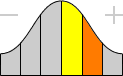
| Weak or unproven link |
| Strong or generally accepted link |
| May do some good |
| Likely to help |
| Highly recommended |
Glossary
PTSD
Post Traumatic Stress Disorder.
Hallucination
A false or distorted perception of objects or events, including sensations of sight, sound, taste, smell or touch, typically accompanied by a powerful belief in their reality.
Panic Attack
A brief, irrational episode of fear that is perceived as so real that an individual may be driven to escape from the place or situation where it occurs. The attack is sudden and increases in severity until it leaves, usually within ten minutes. Panic attack symptoms are numerous and involve both mental and physical signs and symptoms. A panic attack can occur in other anxiety states such as agoraphobia and with certain activities and places. It may occur spontaneously without an apparent cause.
Bipolar Disorder
Also known as manic-depression, this disorder is characterized by alternating periods of extreme moods, usually swinging from being overly elated or irritable (mania) to sad and hopeless (depression) and then back again, with periods of normal mood in between. The frequency of the swings between these two states, and the duration of the mood, varies from person to person.
pH
A measure of an environment's acidity or alkalinity. The more acidic the solution, the lower the pH. For example, a pH of 1 is very acidic; a pH of 7 is neutral; a pH of 14 is very alkaline.