Histadelia, is more common in males and is characterized by elevated blood levels of histamine. It is estimated that 15-20% of schizophrenics are probably histadelic. This is also known as an undermethylation problem or being under-methylated.
This condition is characterized by low levels of serotonin, dopamine, and norepinephrine, high whole blood histamine and elevated absolute basophils. This population has a high incidence of seasonal allergies, OCD tendencies, perfectionism, high libido, sparse body hair, and several other characteristics. In severe cases involving psychosis, the dominant symptom is usually delusional thinking rather than hallucinations. They tend to speak very little & may sit motionless for extended periods. They may appear outwardly calm, but suffer from extreme internal anxiety.
The treatment of histadelia requires great patience because six to ten weeks are often needed before the beginning of significant improvement. The treatment usually takes twelve months to complete. To find out more about this see Mental Illness: The Nutrition Connection, a book by Carl Pfeiffer. The prognosis is good if the histadelic patient cooperates with treatment and works to give up detrimental addictions.
Signs, symptoms & indicators of Histadelia (Histamine High)
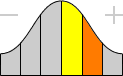
Helped by antihistamine
No effect with/worse by benzodiazapines
Excess/using medication for allergy/ mucous
Histamine can cause additional mucus production.
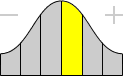
Good tolerance of cold
Poor tolerance of heat
Counter Indicators
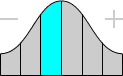
Good tolerance of heat
Poor tolerance of cold
Unexplained nausea
Poor pain tolerance
Counter Indicators
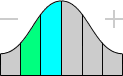
Good pain tolerance
Light/minimal body hair
Excess/abundant saliva in mouth
Counter Indicators
(Very) dry mouth
Hyperactivity
Histamine speeds up metabolism producing a tendency towards hyperactivity.
Frequent colds/flus
Phobias
Counter Indicators
A lack of phobias
Being highly motivated
Those with elevated histamine (histadelics) tend to work compulsively.
A hard-driving personality
Histadelics tend to work compulsively.
Being an antisocial person
Good creativity/imagination
Histadelics are often highly creative.
No difficulty achieving orgasm
Strong sexual desire
Counter Indicators
Weak sexual desire
Joint pain/swelling/stiffness
Excess perspiration
Warm skin
Conditions that suggest Histadelia (Histamine High)
Addictions / Addictive Tendencies
Nutritional treatment for drug and alcohol users will depend on the results of a test for blood histamine levels. In one series of such analysis, all users proved to have high histamine levels, leading the scientist to conclude that this abnormality – with its impact on brain function – is a major force in creating addiction. [Nutrition Guide for the Prevention and Cure of Common Ailments and Diseases, Carlton Fredericks, PhD. p.58]
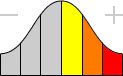
Histadelia
Counter Indicators
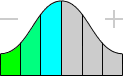
Histapenia
Bipolar Disorder, Manic-Depressive
About 35% of bipolar patients have high histamine levels.
Depression
Histadelics are often chronically and suicidally depressed.
Obsessive-Compulsive Disorder (OCD)
Histadelics are often prone to obsessions, compulsions, and addictions.
Schizophrenia
Histadelia, prominent in males, means too much histamine in the blood. Estimated to affect 15-20% of patients classified as schizophrenic. Symptoms include hyperactivity, compulsions, obsessions, inner tensions, blank mind episodes, phobias, chronic depression, and strong suicidal tendencies. Physical signs can include little tolerance for pain, rapid metabolism, lean build, profuse sweating, seasonal allergies, and frequent colds.
Insomnia
The overarousal seen in histadelia may contribute to insomnia.
Risk factors for Histadelia (Histamine High)
Possible histadelia
Methylation, Insufficient
Elevated histamine and/or elevated basophils indicate undermethylation. [Willam Walsh, Ph.D., past senior scientist, Pfeiffer Treatment Center www.hriptc.org]
Antihistamine use
SAMe use
History of unexplained nausea
Slender fingers / toes
Histadelics often have long fingers and toes.
Counter Indicators
Stubby fingers / toes
Histadelics often have long fingers and toes.
Recommendations for Histadelia (Histamine High)

Methionine
Methionine supplements lower blood levels of histamine by increasing histamine breakdown.

Vegetarian/Vegan Diet
Nutritionists recommend a low-protein, high complex carbohydrate diet. Histidine, which is more common in animal proteins, should be avoided as it can be converted into histamine.
Test Copper Levels
Testing serum or hair copper levels is usually adequate for evaluating copper status when low levels of copper are suspected and hair contamination with copper can be ruled out. When in doubt, it would be better to use more accurate tests such as the 24 hour urine copper or serum ceruloplasmin.
Test Folic Acid Levels
Under certain conditions, such as anticipated or actual pregnancy, a simple lab test for serum folate levels is advisable. If the test results show low levels, supplementation should be considered to prevent potential birth defects.
Calcium
Calcium, methionine, SAMe, magnesium, zinc, TMG, omega-3 fatty acid, B6, inositol, vitamin A, C and E have some antifolate activity.

Copper
Copper levels may be low to normal in patients with histadelia. Copper is part of the enzyme histaminase, which is involved in the metabolism of histamine. Some suggest that copper should be avoided when bipolar symptoms are present. Testing will help confirm a person’s status.
TMG (Tri-methyl-glycine) / SAMe
One thing that is absolutely certain is that methionine and/or SAMe usually harm low-histamine (overmethylated persons)….. But are wonderful for high-histamine (undermethylated) persons. The reverse in true for histadelic (undermethylated) persons, who thrive on methionine, SAMe, Ca and Mg….. But get much worse if they take folates & B-12 which can increase methyl trapping. [Willam Walsh, Ph.D., past senior scientist, Pfeiffer Treatment Center www.hriptc.org]
Essential Fatty Acids
Omega 3 essential fatty acids can be beneficial.
Lecithin / Choline / GPC
Choline is anti-dopaminergic and often makes undermethylated patients worse. [Principles of orthomolecularism, R.A.S. Hemat, MB;BCh, FRCSI, Dip. Urol.]
Vitamin Inositol Hexaniacinate
Inositol is especially helpful for undermethylated persons (for example most persons with OCD), but can cause negative side effects in those who are overmethylated. Since Inositol is one of the primary second messengers in neurotransmission, it’s surprising it isn’t more commonly used. It’s especially useful in reducing anxiety and enhancing sleep.
To enhance sleep for a 160 lb person, we usually recommend 650mg tablets, 1-3 as needed for sleep. Persons who have difficulty falling asleep should take it 30-60 minutes before sleep. Persons whose main problem is waking up in the middle of the night should take it at bedtime.
We’ve often given as much as 3-4 grams/day to undermethylated persons who respond beautifully to Inositol, and these persons take it morning, noon, and evening.
I once gave an invited presentation at a symposium at an APS annual meeting… in which data on megadoses (15-30 g) of Inositol were reported by another speaker. The volume of Inositol used seemed extreme to me, and would present daunting compliance problems. I believe such huge doses of Inositol are unnecessary, if methionine, calcium, B-6, and other nutrients to combat undermethylation are used. However, massive doses of Inositol might be needed if one tries to combat OCD with Inositol alone.
Regardless of the form of inositol, its use should be started as a trial, with close monitoring of the patient. We’ve found that persons who achieve improved sleep after inositol are excellent candidates for taking it throughout the day also. I recommend you be alert for adverse side effects, especially with persons with severe anxiety or panic symptoms. [Willam Walsh, Ph.D., past senior scientist, Pfeiffer Treatment Center www.hriptc.org]
Vitamin B12 (Cobalamine)
Histadelic (undermethylated) persons, get much worse if they take folates & B-12 which can increase methyl trapping. [Willam Walsh, Ph.D., past senior scientist, Pfeiffer Treatment Center www.hriptc.org]
Vitamin Folic Acid
Histadelics should avoid supplemental folic acid as it can produce excess histamine. In fact, anti-folate drugs may be required. Folic acid increases depression in histadelic patients and a trial of folic acid could be used to distinguish between histapenics and histadelics. In extreme cases, folic acid in food or in multivitamins is enough to produce the adverse effects.
Key
| Weak or unproven link |
| Strong or generally accepted link |
| Proven definite or direct link |
| Weakly counter-indicative |
| Strongly counter-indicative |
| Very strongly or absolutely counter-indicative |
| May do some good |
| Likely to help |
| Highly recommended |
| May have adverse consequences |
| Avoid absolutely |
Glossary
Histamine
A chemical in the body tissues, produced by the breakdown of histidine. It is released in allergic reactions and causes widening of capillaries, decreased blood pressure, increased release of gastric juice, fluid leakage forming itchy skin and hives, and tightening of smooth muscles of the bronchial tube and uterus.
Serotonin
A phenolic amine neurotransmitter (C10H12N2O) that is a powerful vasoconstrictor and is found especially in the brain, blood serum and gastric membranes of mammals. Considered essential for relaxation, sleep, and concentration.
Dopamine
A neurohormone; precursor to norepinephrine which acts as a stimulant to the nervous system.
Noradrenaline
(Norepinephrine): A catecholamine hormone secreted from the adrenal medulla and post-ganglionic adrenergic fibers in response to hypotension or emotional stress.
Basophil
The basophils account for about 1% of the granulocyte count (60 to 75% of the white blood cells). They release chemicals such as histamine and play a role in the inflammatory response to infection.
Allergy
Hypersensitivity caused by exposure to a particular antigen (allergen), resulting in an increased reactivity to that antigen on subsequent exposure, sometimes with harmful immunologic consequences.
Hallucination
A false or distorted perception of objects or events, including sensations of sight, sound, taste, smell or touch, typically accompanied by a powerful belief in their reality.
Anxiety
Apprehension of danger, or dread, accompanied by nervous restlessness, tension, increased heart rate, and shortness of breath unrelated to a clearly identifiable stimulus.
Metabolism
The chemical processes of living cells in which energy is produced in order to replace and repair tissues and maintain a healthy body. Responsible for the production of energy, biosynthesis of important substances, and degradation of various compounds.
Chronic
Usually Chronic illness: Illness extending over a long period of time.
pH
A measure of an environment's acidity or alkalinity. The more acidic the solution, the lower the pH. For example, a pH of 1 is very acidic; a pH of 7 is neutral; a pH of 14 is very alkaline.