Hyperpituitarism is defined to mean too much of one, or perhaps two, of the hormones from the adenohypophysis. This may be due either to autonomous over-production (i.e., from a primary adenoma in this gland – cancer of the adenohypophysis is very rare Cancer 79: 804, 1997, J. Neurosurg. 96: 352, 2002), from excess production of hypophyseal stimulating factors or underproduction of inhibiting factors, or loss of inhibition following the destruction of other endocrine glands.
Pituitary disease, like other endocrine disease, is fairly common, and is generally treatable if it is discovered. The anterior pituitary (adenohypophysis), produces ACTH, TSH, FSH, LH, GH, and prolactin. If the input from the hypothalamus is interrupted, the adenohypophysis makes more prolactin and less of the other hormones.The presenting clinical symptoms are due exclusively to overproduction of those hormones normally secreted. The characteristic syndromes are related to the type of hormone secreted. Prolactinomas produce amenorrhoea / galactorrhoea in women and impotence / gynecomastia in men; ACTH secreting tumors produce Cushing’s syndrome; growth hormone secreting tumors produce gigantism in children and acromegaly in adults.
Diagnosis is usually made by MRI since the CAT scans are of poorer resolution. Most patients will be treated with drugs, surgery or radiation.
Conditions that suggest Hyperpituitarism
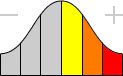
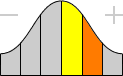
Cushing's Syndrome / Hypercortisolism
Pituitary adenomas cause most cases of Cushing’s syndrome. They are non-cancerous tumors of the pituitary gland which secrete increased amounts of ACTH. Most patients have a single adenoma. This form of the syndrome, known as “Cushing’s disease,” affects women five times more frequently than men.
Key
| Strong or generally accepted link |
| Proven definite or direct link |
Glossary
Hormones
Chemical substances secreted by a variety of body organs that are carried by the bloodstream and usually influence cells some distance from the source of production. Hormones signal certain enzymes to perform their functions and, in this way, regulate such body functions as blood sugar levels, insulin levels, the menstrual cycle, and growth. These can be prescription, over-the-counter, synthetic or natural agents. Examples include adrenal hormones such as corticosteroids and aldosterone; glucagon, growth hormone, insulin, testosterone, estrogens, progestins, progesterone, DHEA, melatonin, and thyroid hormones such as thyroxine and calcitonin.
Adenoma
An ordinarily benign growth of epithelial tissue in which the tumor cells form glands or gland-like structures that tend to exhibit glandular function.
Cancer
Refers to the various types of malignant neoplasms that contain cells growing out of control and invading adjacent tissues, which may metastasize to distant tissues.
Pituitary
The pituitary gland is small and bean-shaped, located below the brain in the skull base very near the hypothalamus. Weighing less than one gram, the pituitary gland is often called the "master gland" since it controls the secretion of hormones by other endocrine glands.
Anterior
In the front or forward part of the organ or toward the head of the body.
Prolactin
An anterior pituitary peptide hormone that initiates and maintains lactation.
Hypothalamus
An important supervisory center in the brain regulating many body functions. Despite its importance in maintaining homeostasis, the hypothalamus in humans accounts for only 1/300 of total brain weight, and is about the size of an almond.
Gynecomastia
Occurs when the male breast is enlarged. The size can vary from a slight puffiness to full female-like breasts. It literally means "female-like breasts".
MRI
Magnetic Resonance Imaging. A technique used in diagnosis that combines radio waves and magnetic forces to produce detailed images of the internal structures of the body.
CAT Scan
(Computerized Axial Tomography scan). A scanning procedure using X-rays and a computer to detect abnormalities of the body's organs.