Seasonal affective disorder (SAD) is a mood disorder characterized by recurrent depressive episodes that occur and resolve with changes of season. Although recurrent spring-summer depressions have been documented and may be classified as SAD, the most common form of the disorder involves onset of depression in the late fall or early winter with remission in the spring or summer. Thus, winter pattern SAD is the focus of the majority of studies that have been conducted.
The only widely-used instrument to detect SAD is the Seasonal Pattern Assessment Questionnaire (SPAQ), a questionnaire that looks back in time and assesses the magnitude of seasonal change in sleep, social activity, mood, weight, appetite and energy. The SPAQ is a very simple, brief and useful screening questionnaire, but a careful clinical evaluation is still necessary to confirm the diagnosis. Using this questionnaire alone, the incidence of SAD is about 1-10% in North America and 1% in Asia. A more thorough evaluation places the incidence at 2-3% in Canada and 1% in the United States. For comparison, this is about the same incidence as manic-depressive disorder.
It has been a common belief that there is an increase in prevalence of SAD with increasing latitude (further north, with longer winters). However, more recent studies have shown that the latitude effect is not as robust as previously thought.
Signs, symptoms & indicators of Seasonal Affective Disorder (SAD)
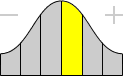
Low/definitely normal body temperature
Conditions that suggest Seasonal Affective Disorder (SAD)
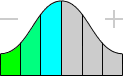
Lack of seasonal affective disorder
Recommendations for Seasonal Affective Disorder (SAD)

Tryptophan / 5 HTP
Research has shown tryptophan to be as equally effective as light therapy in treating SAD (Lam et al. 1997). The clinical use of L-tryptophan has also specifically been shown to improve response to light therapy (Ghadirian et al. 1998). In clinical studies, SAD patients who were deprived of tryptophan were vulnerable to a relapse of SAD even in summer months (Neumeister 1997, 1998; Kasper 1998).
One study that attempted to separate the effectiveness of light therapy vs. tryptophan found that without adequate levels of tryptophan in the system, the light therapy alone did not provide relief.

Negative Ion Generator
High-density negative air ionization may be an effective alternative or adjunct treatment to light therapy and medications.

Sunlight / Light Exposure
Apart from getting more light, either artificial or natural, here is a light source that may help.
ScienceDaily (Nov. 14, 2007) — Scientists at John Carroll University, working in its Lighting Innovations Institute, have developed an affordable accessory that appears to reduce the symptoms of ADHD. Their discovery also has also been shown to improve sleep patterns among people who have difficulty falling asleep. The John Carroll researchers have created glasses designed to block blue light, therefore altering a person’s circadian rhythm, which leads to improvement in ADHD symptoms and sleep disorders.
How the Glasses Work
The individual puts on the glasses a couple of hours ahead of bedtime, advancing the circadian rhythm. The special glasses block the blue rays that cause a delay in the start of the flow of melatonin, the sleep hormone. Normally, melatonin flow doesn’t begin until after the individual goes into darkness.
Studies indicate that promoting the earlier release of melatonin results in a marked decline of ADHD symptoms. Major uses of the blue-blocking glasses include: providing better sleep, avoiding postpartum depression, preventing Seasonal Affective Disorder and reducing the risk of cancer.
An alternative to the glasses has also been developed in the form of night lights and light bulbs with coatings that block the blue light. Instead of wearing the glasses, an individual may simply turn off ordinary lights and, instead, turn on the ones with filters that remove the blue rays. The night light is a convenient “plug-in” device. The cost of the items ranges from approximately $5 for light bulbs and night lights to $40-$60 for glasses.
Melatonin
Although it cannot be established that SAD is caused by abnormal melatonin metabolism, in some people melatonin makes the symptoms of SAD worse (Tarquini et al. 1998). These people should stop melatonin or reduce its dosage during the times of the year when darkness appears early in the day.
Vitamin D
A 1998 study supports the vitamin D theory. During the Australian winter, researchers gave 44 healthy students either 400 IU, 800 IU, or no vitamin D3 for 5 days. Both dosages of vitamin D3 significantly enhanced mood (Lansdowne et al. 1998).
Key
| Weak or unproven link |
| Very strongly or absolutely counter-indicative |
| May do some good |
| Likely to help |
| Highly recommended |
| May have adverse consequences |
Glossary
Bipolar Disorder
Also known as manic-depression, this disorder is characterized by alternating periods of extreme moods, usually swinging from being overly elated or irritable (mania) to sad and hopeless (depression) and then back again, with periods of normal mood in between. The frequency of the swings between these two states, and the duration of the mood, varies from person to person.