Many people are unable to sit still, plan ahead, finish tasks or be fully aware of what is going on around them. To their family, classmates or coworkers they seem to exist in a whirlwind of disorganized or frenzied activity. On some days and in certain situations they seem fine, often leading others to believe they can control this behavior. The disorder can adversely affect relationships with others in addition to disrupting their daily life, consuming energy and diminishing self-esteem.
ADHD, once called hyperkinesis or minimal brain dysfunction, is a common disorder among children. It affects some 3-5% of all children – perhaps as many as 2 million American children. Two to three times more boys than girls are affected. On average, at least one child in every classroom in the United States needs help for the disorder. ADHD often continues into adolescence and adulthood, and can cause a lifetime of frustrated dreams and emotional pain.
ADHD is a developmental disorder in which certain traits such as impulse control lag in development when compared to the general population. Using magnetic resonance imaging of the prefrontal cortex, this developmental lag has been estimated to range from 3 to 5 years. These delays are considered to cause impairment. ADHD has also been classified as a behavior disorder. A diagnosis of ADHD does not, however, imply a neurological disease.
At present, ADHD is a diagnosis applied to children and adults who consistently display certain characteristic behaviors over a period of time. The most common behaviors fall into three categories: inattention, hyperactivity and impulsivity. ADD (Attention Deficit/Deficiency Disorder) occurs when hyperactivity is not present. While it was previousely thought that Attention Deficit was primarily a childhood problem, it is now believed that only one-third of this population grows out of it.
Not everyone who is overly hyperactive, inattentive or impulsive has an attention disorder. Are these behaviors excessive, long-term and pervasive, occurring more often than in most others the same age? Are they a continuous problem, not just a response to a temporary situation? Do the behaviors occur in several settings or only in one specific place such as the playground or the office?
According to the Diagnostic and Statistical Manual of Mental Disorders, there are three patterns of behavior that indicate ADHD, and someone may have one or more.
Signs of inattention include:
- becoming easily distracted by irrelevant sights and sounds
- failing to pay attention to details and making careless mistakes
- rarely following instructions carefully and completely
- losing or forgetting things such as toys, or pencils, books and tools needed for a task.
Some signs of hyperactivity and impulsivity are:
- feeling restless, often fidgeting with hands or feet, or squirming
- running, climbing or leaving a seat in situations where sitting or quiet behavior is expected
- blurting out answers before hearing the whole question
- having difficulty waiting in line or for a turn.
To be considered ADHD, the behaviors must have appeared before age 7 and continued for at least 6 months. In children they must be more frequent or severe than in most others of the same age. Above all, the behaviors must create a real handicap in at least two areas of a person’s life, such as school, home, work or social settings. Someone whose work or friendships are not impaired by these behaviors would not be diagnosed with ADHD, nor would a child who seems overly active at school but functions well elsewhere.
Other conditions may produce similar symptoms resulting in an incorrect diagnosis. Anything from chronic fear to mild seizures can make a child seem overactive, quarrelsome, impulsive or inattentive. For example, a formerly cooperative child who becomes overactive and easily distracted after a parent’s death is dealing with an emotional problem, not ADHD. A chronic middle ear infection can also make a child seem distracted and uncooperative. Living with family members who are physically abusive or addicted to drugs or alcohol can produce effects that may resemble ADHD, but are not.
In other children, ADHD-like behaviors may be their response to a defeating classroom situation. Perhaps the child has a learning disability and is not developmentally ready to learn to read and write at the time these are taught. Perhaps the work is too hard or too easy, leaving the child frustrated or bored.
It’s also important to realize that during certain stages of development, the majority of young children tend to be inattentive, hyperactive or impulsive, and yet do not have ADHD. Preschoolers have lots of energy and run everywhere they go, but this doesn’t mean they are hyperactive. Many teenagers go through a phase when they are messy, disorganized and reject authority but it doesn’t mean they will have a lifelong problem controlling their impulses.
ADHD is a serious diagnosis that may require long-term treatment with counseling and medication. Medication-free methods should receive a trial before immediately beginning drug use. Identifying the problem can help people understand why they behave in these ways. This understanding can be an important part of coping with the disorder.
(2009) A University of Central Florida study may explain why children with attention deficit hyperactivity disorder move around a lot – it helps them stay alert enough to complete challenging tasks.
In studies of 8- to 12-year-old boys, Psychology Professor Mark D. Rapport found that children with and without ADHD sat relatively still while watching Star Wars and painting on a computer program.
All of the children became more active when they were required to remember and manipulate computer-generated letters, numbers and shapes for a short time. Children with ADHD became significantly more active – moving their hands and feet and swiveling in their chairs more – than their typically developing peers during those tasks.
Rapport’s research indicates that children with ADHD need to move more to maintain the required level of alertness while performing tasks that challenge their working memory.
Performing math problems mentally and remembering multi-step directions are examples of tasks that require working memory, which involves remembering and manipulating information for a short time.
“We’ve known for years that children with ADHD are more active than their peers,” said Rapport, whose findings are published in the Journal of Abnormal Child Psychology. “What we haven’t known is why.”
“They use movement to keep themselves alert,” Rapport added. “They have a hard time sitting still unless they’re in a highly stimulating environment where they don’t need to use much working memory.”
Rapport compared the children’s movements during the tests to adults’ tendency to fidget and move around in their chairs to stay alert during long meetings.
The findings have immediate implications for treating children with ADHD. Parents and educators can use a variety of available methods and strategies to minimize working memory failures. Providing written instructions, simplifying multi-step directions, and using poster checklists can help children with ADHD learn without overwhelming their working memories.
“When they are doing homework, let them fidget, stand up or chew gum,” he said. “Unless their behavior is destructive, severely limiting their activity could be counterproductive.”
ADD for Adults?
The causes of Adult ADD/ADHD, as with children, are still unknown. ADD/ADHD is thought to occur at least in part due to abnormal functioning of neurotransmitters, the chemical messengers of the brain. Risk factors for Adult ADD/ADHD include a childhood diagnosis of ADD/ADHD or suspicious behaviors, a family history of ADD/ADHD behaviors, or issues in pregnancy such as smoking or drinking; low birth weight and premature birth also are risk factors.
ADD/ADHD looks very much like a willpower problem, but it isn’t. It’s essentially a chemical problem in the management systems of the brain.
ADD/ADHD affects persons of all levels of intelligence. And although everyone sometimes has symptoms of ADD/ADHD, only those with chronic impairments from these symptoms warrant an ADD/ADHD diagnosis.
A person with ADD/ADHD is many times more likely to have another psychiatric or learning disorder than most other people. ADD/ADHD usually overlaps with other disorders.
Many adults struggle all their lives with unrecognized ADD/ADHD impairments. They haven’t received help because they assumed that their chronic difficulties, like depression or anxiety, were caused by other impairments that did not respond to usual treatment.
ADDH or ADHD? Here are some points of contrast in another format to assist in their distinction.
Conventional causes:
ADD – The cause seems to reside primarily in the parietal lobe. The frontal lobe processes are intact.
ADHD – The size and structure of many brain areas differs; especially, a lack of activity in the frontal area (“Hypofrontality”). This is linked to a deficiency of the neurotransmitters dopamine and norepinephrine which are involved with arousal and alertness. Low serotonin is linked to impulsivity and problematic behavior.
Main Indicators:
ADD – Fear; anxiety; low brain energy leading to a capacity problem; slow cognitive thinking; daydreaming; avoidance and procrastination; mental confusion; poor memory retrieval. But the frontal processes are intact so these people rely on logic.
ADHD – Problems with attention, impulsivity and hyperactivity.
Impulsiveness:
ADD – Rarely impulsive but can appear so when frustrated.
ADHD – Self-regulation is weak because the control mechanisms of the frontal lobe are not functioning well, e.g. self talk is not used; they are unaware of the consequences to their actions, fast cognitive speed contributes to impulsiveness.
Distractibility:
ADD – This is the primary problem. They cannot sustain attention and concentration because:
a) low energy which causes loss of focus and follow through
b) environmental factors
c) their own racing or wandering thoughts
ADHD – Cannot maintain focus so have poor sustained effort; race from task to task; are easily bored; forget and lose things because they missed information due to being distracted; need external motivation.
Hyperactivity/ Restlessness:
ADD – Due to anxiety, not the ADHD motor issue. These people are driven and cannot relax. Daring activities are rare; activities are not for excitement but for relief from constant, wandering, racing thought patterns and anxiety.
ADHD – Due to motor activity, not anxiety. These people crave excitement and stimulation.
Social Problems:
ADD – Shy; withdrawn, immature; often seen and not heard; information processing difficulties lead to not knowing how to talk, dress, act, etc.; conversation is difficult because of slow thinking or missed information; they can manipulate because of fear of others’ anger or guilt about asking directly; interrupt because their wandering thoughts will cause them to forget what they want to say. May appear to not be listening but this is really due to the person’s information processing deficit.
ADHD – Egocentric; do not connect with others because they don’t care; are rejected socially because of inappropriate behavior; are intolerant and can become abusive; cannot negotiate so manipulate others; interrupt because of impulsivity and lack of control; do not listen because of attention difficulties and lack of concern for others.
Communication:
ADD – When not talking excessively because of anxiety, these people say little but think a lot; therefore they do not display their thoughts or feelings. They are afraid to express anger or arouse it in others.
ADHD – Meaningful relationships. However, personal relationships may be difficult and uncertain. Because of egocentricity, poor focus, distractibility, intolerance, etc.
Time Sense:
ADD – Time is poorly planned; being late is common but can be improved with teaching and practice
ADHD – Time is poorly planned (miscalculation of time needed to complete a task); being late is common but can be improved with teaching and practice.
Impatience:
ADD – Do not need instant gratification. These people become impatient only after trying unsuccessfully for a long time at which point they are tired, disheartened and upset.
ADHD – Constantly frustrated and crave instant gratification.
Sensitivity:
ADD – Shy and fearful of others’ displeasure.
ADHD – Vulnerable to criticism to which they react, sometimes angrily.
Frustration Tolerance:
ADD – Desperate to succeed so will keep trying too long resulting in them being overwhelmed and despairing. This tendency may show as anger.
ADHD – Frustration tolerance is low, leading to irritability, anger and aggression.
Rigidity of thinking:
ADD – Tend to be concrete thinkers. May lead to rigid thinking patterns.
ADHD – Black and white thinkers due to the frontal processes not functioning properly. They are rigid in relationships and are NOT team players.
Planning and Organization:
ADD – May appear to have difficulty planning but these difficulties are really the result of distractibility, confusion and slow thinking processes.
ADHD – There may be sequencing problems due to poor frontal lobe functioning.
Perseveration:
ADD – A big problem. These people will keep trying too long, burn out, and quit.
ADHD – Not a problem for this population.
Learning Difficulties:
ADD – Information processing is poor because information is missed. Difficulties in slow cognition are common but once they understand the material they can use it. Reading and spelling be difficult because of weak phonemic skills. Mental arithmetic can and geometry can also present problems.
ADHD – May have learning disabilities (e.g. dyslexia) because of differences in brain functionality. Learning difficulties caused by the ADHD include missing information, and failing to learn from ones mistakes. They can often comprehend information but cannot make use of it.
Lying:
ADD – Aim to please. If they do lie it is usually only to avoid others anger or disapproval.
ADHD – May lie for no valid reason. Lying is impulsive and fear is not involved.
Criminal Activity:
ADD – Are not as at risk for criminal behavior as people with ADHD because they have a better understanding of the consequences to their action. Stealing is usually only committed to cover up something. People with ADD make poor criminals because they have slow cognitive speed and do not tend to get away in time.
ADHD – A lack of internal rules to govern behavior may lead to criminal activity. Maintaining a job may be a significant difficulty leading to low income and crime. People with ADHD are highly represented in the prison system.
Excessive Behavior:
ADD – 1) talking, 2) spending, 3) gambling, 4) anger, 5) movement, 6) eating, 7) alcohol/drug abuse especially cocaine. Caused by no internal STOP sign, no guilt, and no anxiety.
ADHD – 1) talking due to anxiety, not hyperactivity 2) alcohol/ drugs to self-medicate for anxiety (marijuana popular as it gives a sense of relaxation) 3) movement due to anxiety, not hyperactivity.
Positive Attributes:
ADD – movers and shakers, exciting, energetic, aggressive (all assets in pursuits others are afraid to try). Can do well if self-employed.
ADHD – These people do really well what they know they can do.
Signs, symptoms & indicators of Attention Deficit Disorder (ADD / ADHD)
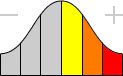
Having/history of attention deficit
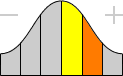
Hyperactivity
People who are hyperactive always seem to be in motion. They can’t sit still and may dash around or talk incessantly. Sitting still through a lesson can be an impossible task. Hyperactive children squirm in their seat or roam around the room. Or they might wiggle their feet, touch everything or noisily tap their pencil. Hyperactive teens and adults may feel intensely restless. They may be fidgety or they may try to do several things at once, bouncing around from one activity to the next.
Counter Indicators
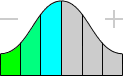
Absence of attention deficit
Trouble concentrating
People who are inattentive have a hard time keeping their mind on any one thing and may get bored with a task after only a few minutes. They may give effortless, automatic attention to activities and things they enjoy but find it very difficult to focus deliberate, conscious attention on organizing and completing a task or learning something new.
An overstimulated mind
High spontaneity
People who are overly impulsive seem unable to curb their immediate reactions or think before they act. As a result they may blurt out inappropriate comments or run into the street without looking. Their impulsivity may make it hard for them to wait for things they want or to take their turn in games. They may grab a toy from another child or hit others when upset.
Counter Indicators
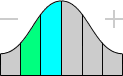
Low spontaneity
People who are overly impulsive seem unable to curb their immediate reactions or think before they act. As a result they may blurt out inappropriate comments or run into the street without looking. Their impulsivity may make it hard for them to wait for things they want or to take their turn in games. They may grab a toy from another child or hit others when upset.
Risk factors for Attention Deficit Disorder (ADD / ADHD)
Allergy / Intolerance to Foods (Hidden)
“3 decades in practice revealed how common allergies are with children. Most children with behavioral problems – and including children with all sorts of attention problems – have hypersensitivity to foods, and inhalants.” Dr. Sidney Baker, MD, Connecticut.
(Severe) childhood hyperactivity
Heavy Metal Toxicity
In a 1996 study from the Archives of Environmental Health, the relationship between hair lead levels of children and their attention-deficit behaviors in the classroom was investigated. Scalp hair specimens were obtained from 277 first-grade pupils, while teachers completed the abbreviated Boston Teacher’s Rating Scale for rating classroom attention-deficit behavior, and parents completed a short questionnaire. “The striking dose response relationship between levels of lead and negative teacher ratings remained significant after controlling for age, ethnicity, gender, and socioeconomic status,” the report noted. “An even stronger relationship existed between physician-diagnosed attention- deficit hyperactivity disorder and
hair lead in the same children.” Once again, “no apparent ‘safe’ threshold for lead” could be found with even the lowest exposures.
Attention Deficit Disorder (ADD / ADHD) could instead be
Recommendations for Attention Deficit Disorder (ADD / ADHD)

Glutamine
When children are deficient in GABA, they often feel the same anxiety and restlessness that makes adults drink, crave sweets or succumb to food binges. In children, though, this anxiety and restlessness is often labeled as Attention Deficit Disorder, or ADD. [Control Hyperactivity A.D.D. Naturally, by B.J. Sahely, Ph.D., C.N.C, p.46-47] Glutamine can increase the ability to concentrate for extended periods.
Other sources suggest tha glutamine may be contraindicated in ADHD. Russell L. Blaylock, M.D.

Fish Oil / Krill
Fish oil improves the symptoms of attention deficit hyperactivity disorder (ADHD) without any of the side effects of drugs like Ritalin and Concerta — and more effectively, a study by the University of Adelaide in Australia found.
When 130 children between the ages of 7 and 12 with ADHD were given fish oil capsules daily, behavior dramatically improved within three months. Further:

Food Additive Avoidance
The belief that food additives can cause hyperactivity in children stemmed from the research of Benjamin Feingold, M.D and is commonly referred to as the Feingold Hypothesis. According to Feingold, perhaps 40-50% of hyperactive children are sensitive to artificial food colors, flavors and preservatives. They may also be sensitive to naturally-occurring salicylates and phenolic compounds in foods.
Dr. Julian Whitaker, MD has observed: “Feingold’s assertion that food additives are a problem in learning disorders has been subject to great debate over the past two decades. Practices that are profitable carry on and major economic interests have responded by hiring their own researchers to combat the results. Questions are asked in ways that will produce answers that undercut the challenging work and please the funding interests.” The media publishes “conflicting reports”; politicians and regulators cite this conflict as their reason for inaction. Habits do not change easily. Feingold’s work has stimulated a classic example of such debate, because the American food supply and American agribusiness is profitably enmeshed in the use of food additives.
Dr. Feingold made his original presentation to the American Medical Association in 1973. His strong claims were based on experience with 1,200 individuals in whom behavior disorders were linked to consumption of food additives. Follow-up research in Australia and Canada has tended to support Feingold’s thesis.” [Dr. Whitaker’s Guide to Natural Healing, Prima Publishing, 1996]
The Hyperactive Children’s Support Group of Great Britain recommends that the following food additives be avoided:
Amaranth, Benzoic Acid, BHA, BHT, Brilliant Blue FCF, Caramel, Carmine, Carmoiic Acid, Cochineal, FCFV, Indigo, Potassium Nitrate, Quinoline Yellow, Red 2G, Sodium Benzoate, Sodium Nitrate, Sulfur Dioxide, Sunset Yellow, Tartrazine,
Try to avoid foods, such as the following, with high salicylate content, to see if their removal causes a difference in behavior:
Almonds, Honey, Peppermint Tea, Peanuts, Peppers, Plums (canned), Prunes (canned), Raspberries (fresh), Strawberries (fresh), Tomatoes – and many spices, including Cardamom, Cinnamon, Cloves, Curry, Oregano, Paprika, Pepper, Rosemary, Sage and Turmeric.
Sugars Avoidance / Reduction
The results of several studies on sugar and ADHD points to the importance of meals higher in protein and complex carbohydrates and lower in sugar. The sudden release of insulin and drop in blood glucose caused by refined sugar consumption rapidly raises adrenaline levels and contributes to the behavior and attention problems of ADHD. When feed sugar, people with ADHD release only half the adrenal hormones norepinephrine and epinephrine that control subjects do. This is just one more reason why sugar consumption should be avoided.
Conventional Drugs / Information
Results of a study found that an extended-release form of methylphenidate – sold as CONCERTA (methylphenidate HCl in the OROS delivery system) may be associated with a lower likelihood of abuse than immediate-release methylphenidate (sold as Ritalin). – Nov 3, 2006.
“The abuse of prescription stimulant medications is a growing concern among physicians who prescribe these medications to treat Attention Deficit Hyperactivity Disorder (ADHD) and parents of children and teens who rely on these treatments to restore normal function,” said Edward Sellers, M.D., Ph.D., an investigator on this study and professor of Pharmacology, Medicine and Psychiatry at the University of Toronto. “Our study suggests that slowing the rate of drug delivery through the extended-release OROS technology may decrease the likelihood of abuse.”
Here are some side effects reported from drugs commonly used to treat this condition.
Adderall – The most common side effects are restlessness or tremor; anxiety or nervousness; headache or dizziness; insomnia; dryness of the mouth or an unpleasant taste in the mouth; diarrhea or constipation; or impotence or changes in sex drive.
Concerta Side Effects – In the clinical studies with patients using CONCERTA, the most common side effects were headache, stomach pain, sleeplessness, and decreased appetite. Other side effects seen with methylphenidate, the active ingredient in CONCERTA, include nausea, vomiting, dizziness, nervousness, tics, allergic reactions, increased blood pressure and psychosis (abnormal thinking or hallucinations).
Ritalin Side Effects – Nervousness and insomnia are the most common adverse reactions but are usually controlled by reducing dosage and omitting the drug in the afternoon or evening.
Other reactions include hypersensitivity (including skin rash, urticaria, fever, arthralgia, exfoliative dermatitis, erythema multiforme with histopathological findings of necrotizing vasculitis, and thrombocytopenic purpura); anorexia; nausea; dizziness; palpitations; headache; dyskinesia; drowsiness; blood pressure and pulse changes, both up and down; tachycardia; angina; cardiac arrhythmia; abdominal pain; weight loss during prolonged therapy.
GHB (Gamma-Hydroxybutyrate)
GHB has been report to help decrease hyperactivity and learning disabilities in some children.
Glyconutrients
Individuals have reported that the addition of a “gummy bear-like” food made with vine-ripened fruits and vegetables and certain sugars (that are now termed necessary sugars) improved the behavior of children with attention deficit disorder/hyperactive syndrome. Further study is needed, but a glyconutrient product is worth trying.
Sunlight / Light Exposure
ScienceDaily (Nov. 14, 2007) — Scientists at John Carroll University, working in its Lighting Innovations Institute, have developed an affordable accessory that appears to reduce the symptoms of ADHD. Their discovery also has also been shown to improve sleep patterns among people who have difficulty falling asleep. The John Carroll researchers have created glasses designed to block blue light, therefore altering a person’s circadian rhythm, which leads to improvement in ADHD symptoms and sleep disorders.
How the Glasses Work
The individual puts on the glasses a couple of hours ahead of bedtime, advancing the circadian rhythm. The special glasses block the blue rays that cause a delay in the start of the flow of melatonin, the sleep hormone. Normally, melatonin flow doesn’t begin until after the individual goes into darkness.
Studies indicate that promoting the earlier release of melatonin results in a marked decline of ADHD symptoms. Major uses of the blue-blocking glasses include: providing better sleep, avoiding postpartum depression, preventing Seasonal Affective Disorder and reducing the risk of cancer.
An alternative to the glasses has also been developed in the form of night lights and light bulbs with coatings that block the blue light. Instead of wearing the glasses, an individual may simply turn off ordinary lights and, instead, turn on the ones with filters that remove the blue rays. The night light is a convenient “plug-in” device. The cost of the items ranges from approximately $5 for light bulbs and night lights to $40-$60 for glasses.
Aerobic Exercise
The results of a study involving vigorous treadmill exercise and children suggests that aerobic exercise can improve symptoms of ADHD via dopamine release. [Med Sci Sports Exerc 2002 Feb; 34(2): pp.203-12]
Test for Food Allergies
Allergies to one or more foods are often found in children with ADHD. Frequent offenders are milk, cane sugar, chocolate, American cheese, and wheat. [Annals Allergy Vol. 72, 1994, pp. 462-68]
Test Zinc Levels
Hyperactive children may be deficient in zinc, manganese and vitamin B6 and have an excess of lead and copper.
Test for Heavy Metals
Please see the reference cited on the page describing ADD / ADHD (the link where it says “…click here to see full details and recommendations on our web site.”) regarding the presence of lead.
Magnesium
Magnesium is often given as part of a treatment for hyperactivity in kids, usually along with vitamin B6.
Reading List
Two books that could appear on any suggested reading list for ADD include:
DMAE
DMAE helps alleviate the behavioral problems and hyperactivity associated with ADD.
DHA (docosahexaenoic acid)
Studies show that low DHA intake in infancy can lead or contribute to Attention Deficit Disorder (ADD) and Attention Deficit Hyperactivity Disorder (ADHD). A preliminary double-blind placebo-controlled trial found some evidence that a supplement containing fish oil and evening primrose oil might improve ADHD symptoms [Presented at 2nd Forum of European Neuroscience Societies; July 24-28, 2000; Brighton, United Kingdom].
In a double-blind placebo-controlled trial of children already using stimulant therapy, the addition of the essential fatty acid docosahexaenoic acid (DHA) for 4 months failed to further improve symptoms. [J Pediatr. 2001;139: pp.189-196.] It remains to be confirmed whether DHA will provide any benefit in those not using stimulant therapy.
Manipulation
Some chiropractors believe that ADD is commonly caused by an occiput that is jammed too far forward on the cranial base, caused as a common result of any sort of birth trauma, even when minor. As many as 60% of children with ADD are claimed to have this mechanical problem and a high percentage experience improvement with adjustment.
Key
| Weak or unproven link |
| Strong or generally accepted link |
| Proven definite or direct link |
| Strongly counter-indicative |
| Very strongly or absolutely counter-indicative |
| May do some good |
| Likely to help |
| Highly recommended |
Glossary
Chronic
Usually Chronic illness: Illness extending over a long period of time.
Seizure
While there are over 40 types of seizure, most are classed as either partial seizures which occur when the excessive electrical activity in the brain is limited to one area or generalized seizures which occur when the excessive electrical activity in the brain encompasses the entire organ. Although there is a wide range of signs, they mainly include such things as falling to the ground; muscle stiffening; jerking and twitching; loss of consciousness; an empty stare; rapid chewing/blinking/breathing. Usually lasting from between a couple of seconds and several minutes, recovery may be immediate or take up to several days.
Neurotransmitters
Chemicals in the brain that aid in the transmission of nerve impulses. Various Neurotransmitters are responsible for different functions including controlling mood and muscle movement and inhibiting or causing the sensation of pain.
Anxiety
Apprehension of danger, or dread, accompanied by nervous restlessness, tension, increased heart rate, and shortness of breath unrelated to a clearly identifiable stimulus.
Dopamine
A neurohormone; precursor to norepinephrine which acts as a stimulant to the nervous system.
Noradrenaline
(Norepinephrine): A catecholamine hormone secreted from the adrenal medulla and post-ganglionic adrenergic fibers in response to hypotension or emotional stress.
Serotonin
A phenolic amine neurotransmitter (C10H12N2O) that is a powerful vasoconstrictor and is found especially in the brain, blood serum and gastric membranes of mammals. Considered essential for relaxation, sleep, and concentration.
Allergy
Hypersensitivity caused by exposure to a particular antigen (allergen), resulting in an increased reactivity to that antigen on subsequent exposure, sometimes with harmful immunologic consequences.