Substances that reduce platelet aggregation include tocotrienols, shark liver oil, curcumin, gingko biloba, grape seed extract, grapes and grape juice, testosterone, Coumadin, fish oils, vitamin E at 300 IU or above, B6 at 150-200mg, EFAs, garlic, taurine and gugulipids.
Conditions that suggest Platelet Aggregation Risk
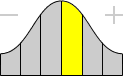
Atherosclerosis
Excessive platelet aggregation has been linked with the development of atherosclerosis and other cardiovascular conditions.
Risk factors for Platelet Aggregation Risk
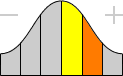
Mitral Valve Prolapse
The prolapsing mitral valve is known to damage platelets and increase their aggregation. This work has been confirmed in several studies.
Recommendations for Platelet Aggregation Risk

Policosanol/Octacosanol
Preliminary work suggests that policosanol is an effective platelet aggregation inhibitor.

Magnesium
Magnesium is a powerful antagonist of platelet adhesion. It acts as an anticoagulant, prolongs clotting time, stimulates fibrinolysis and is synergistic with heparin.
Key
| Weak or unproven link |
| Strong or generally accepted link |
| May do some good |
| Likely to help |
Glossary
Testosterone
The principal male sex hormone that induces and maintains the changes that take place in males at puberty. In men, the testicles continue to produce testosterone throughout life, though there is some decline with age. A naturally occurring androgenic hormone.
Vitamin E
An essential fat-soluble vitamin. As an antioxidant, helps protect cell membranes, lipoproteins, fats and vitamin A from destructive oxidation. It helps protect red blood cells and is important for the proper function of nerves and muscles. For Vitamin E only, 1mg translates to 1 IU.
IU
International Units. One IU is 1/40th (0.025) of a microgram (mcg).
Vitamin B6
Influences many body functions including regulating blood glucose levels, manufacturing hemoglobin and aiding the utilization of protein, carbohydrates and fats. It also aids in the function of the nervous system.
Milligram
(mg): 1/1,000 of a gram by weight.
Essential Fatty Acid
(EFA): A substance that the human body cannot manufacture and therefore must be supplied in the diet.
Taurine
A nonessential amino acid but may be essential for individuals with certain diseases or nutritional concerns. May be needed for the proper development and maintenance of the central nervous system. Taurine's role in bile formation is important for fat metabolism and blood cholesterol control.
Atherosclerosis
Common form of arteriosclerosis associated with the formation of atheromas which are deposits of yellow plaques containing cholesterol, lipids, and lipophages within the intima and inner media of arteries. This results in a narrowing of the arteries, which reduces the blood and oxygen flow to the heart and brain as well as to other parts of the body and can lead to a heart attack, stroke, or loss of function or gangrene of other tissues.
Cardiovascular
Pertaining to the heart and blood vessels.