What is known about silicone breast implants is that fibrous capsule contracture occurs in about 70% of cases two to four years after implantation. The rate of complications – which include breast pain, contracture, rupture, infection, implant migration requiring surgery – approaches 50% at 10 years. In a Mayo Clinic study, there was a 30% failure rate at 7.8 years. Rheumatologists have described a veritable array of symptoms in more than 1,000 patients with silicone breast implants.
The syndrome includes the symptoms of arthralgia, myalgia, sicca complex, paresthesia, balance disturbance, night sweats, rashes, memory difficulty and fatigue. Autoantibodies to collagen and extracellular matrix proteins and abnormalities of cell-mediated immunity have been found in women with silicone implants and not in controls. There does not appear to be a serologic marker consistently associated with rheumatic disease in these patients. These findings suggest that silicone implants may cause immune dysfunction and rheumatic disease in some patients, but it is very difficult to prove
In more than 80% of over 1,000 females with breast implants who were referred to neurologists at Baylor College of Medicine, mild to severe short-term memory loss was discovered. Many of the individuals experienced a 70% recovery when the implants and any loose silicone surrounding them was removed. SPECT testing of 15 of the women found diminished blood flow to the temporal lobe. When the SPECT testing was done after the silicone was removed there was increased blood flow to the temporal lobes. A full 70% of these thousand women had Sjogren’s syndrome; 58% had Raynaud’s phenomenon and 60% had dermatitis.
Plastic surgeon and president of the American Society of Plastic and Reconstructive Surgery said the patients in this study are not representative of all silicone breast implant patients and that this was a highly biased and selected group of women being fewer than a thousand out of the million U.S. women who have had breast implants. Learn about the statistics of breast augmentation in the US.
A study was conducted of 43 individuals with signs and symptoms of silicone breast implant syndrome who removed their implants compared with 52 who left them in. It found a steady improvement in symptoms with the implant removal compared with a steady worsening of those who left them in.
An exhaustive review the first in almost a decade, including the latest evidence on the health effects of silicone breast implants finds no increase in the risk of cancers, connective tissue diseases, or other serious chronic diseases. The new review appears in the November 2007 Annals of Plastic Surgery, published by Lippincott Williams & Wilkins, part of Wolters Kluwer Health, a leading provider of information and business intelligence for students, professionals, and institutions in medicine, nursing, allied health, pharmacy and the pharmaceutical industry.
Future studies should focus on the only consistently reported association the increased suicide rate among women with cosmetic breast implants, conclude the study authors, led by Joseph K. McLaughlin, Ph.D., and Loren Lipworth, Sc.D., of the International Epidemiology Institute, Rockville, Md, and the Vanderbilt University Medical Center, Nashville, Tenn.
Signs, symptoms & indicators of Silicone Breast Implant Problems
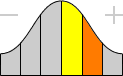
Having galactorrhea
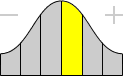
Constant fatigue
Poor bodily coordination
Short-term memory failure
Tender muscles
Numb/tingling/burning extremities
Joint pain/swelling/stiffness
Rashes
Conditions that suggest Silicone Breast Implant Problems
Risk factors for Silicone Breast Implant Problems
Removed/recent/long-term silicone breast implants
While most women will not have systemic problems from their silicone breast implants, the rate of local problems is much higher, and increases with the passage of time.
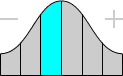
Absence of short-term memory loss
Recommendations for Silicone Breast Implant Problems

Sauna Detoxification Program
Sauna Detoxification programs have been used to remove residual silicon once silicone breas implants have been removed. Tiny hairs of a white material are exuded from the skin during the detoxification process.
Ozone / Oxidative Therapy
This quote is from an article printed in Alternative Medicine Digest, Issue 10, January, 1996. This article reports on a new detoxification protocol developed by Lee Cowden, M.D., a cardiologist from Dallas, Texas, to deal with breast implants.
Of the 36 women who have followed Dr. Cowden’s program by the date of this publication, all have experienced improvement. “Many women who take Body Soak Gold ozonated baths once daily will notice little white flecks floating in the bath water; these appear to be related to the implants.”
Dr. Cowden states, “Women going through this detoxification program see white powdery flakes coming out in their urine and stools, usually in a matter of days to weeks, after which their symptoms start to lift and dramatically improve. Then their autoimmune disease, (lupus, arthritis, and multiple sclerosis-like symptoms) starts to resolve. Many women, once dependent on wheelchairs, crutches or canes, find they can walk and run again.”
Dr. Cowden was placed on disciplinary probation by the Texas State Board of Medical Examiners in 1996 and 2002. However, many pioneers of alternative medicine have been faced with similar actions against them, primarily by state medical boards, so we should be careful not to jump to the wrong conclusion. It is especially interesting how in many cases, it is less like ‘prosecution’ and more like ‘persecution’ when it isn’t patients who are making the complaints, only other ‘doctors’ serving on such boards..
Key
| Weak or unproven link |
| Strong or generally accepted link |
| Weakly counter-indicative |
| Likely to help |
Glossary
Contracture
An abnormal, often permanent shortening, as of muscle or scar tissue, that results in distortion or deformity, especially of a joint of the body.
Arthralgia
Severe throbbing or stabbing pain along a nerve in one or more joints.
Myalgia
Diffuse muscle pain.
Paresthesia
A skin sensation, such as burning, prickling, itching, or tingling, with no apparent physical cause.
Collagen
The primary protein within white fibers of connective tissue and the organic substance found in tendons, ligaments, cartilage, skin, teeth and bone.
Protein
Compounds composed of hydrogen, oxygen, and nitrogen present in the body and in foods that form complex combinations of amino acids. Protein is essential for life and is used for growth and repair. Foods that supply the body with protein include animal products, grains, legumes, and vegetables. Proteins from animal sources contain the essential amino acids. Proteins are changed to amino acids in the body.
Short-Term Memory
Also known as immediate memory or working memory, this is a phase of memory in which a limited amount of information may be held for several seconds to minutes. In general, up to 7 'chunks' of information are stored for about 20 seconds.
Raynaud's Phenomenon
Raynaud's disease or syndrome is a disorder of blood circulation, mainly in the fingers and toes. It is of unknown cause and characterized by changes of the skin that are aggravated by exposure to cold: first, becoming white with numbness and pain as a result of inadequate oxygenation of the blood, then red/purple with a burning sensation. The sudden constriction of blood vessels causes decreased blood flow to the extremities and can, in extreme cases, lead to gangrene. Also called "white finger", "wax finger" or "dead finger".
Dermatitis
A general term used to refer to eruptions or rashes on the skin.
Chronic
Usually Chronic illness: Illness extending over a long period of time.
pH
A measure of an environment's acidity or alkalinity. The more acidic the solution, the lower the pH. For example, a pH of 1 is very acidic; a pH of 7 is neutral; a pH of 14 is very alkaline.
Epidemiology
The study of the causes and distribution of disease in human populations.