There are several types of ovarian cancer. The most common type develops from the cells of the epithelium, or the surface of the ovary; these cells are epithelial cells. This accounts for about 90 percent of all ovarian cancers. The second kind of tumor starts in the germ cells that form the eggs in the ovary. Germ cell cancers account for 5 percent of ovarian cancers. Stromal cell tumors develop from the tissue that holds the ovary together and produces the female hormones. This type of ovarian cancer accounts for 5 percent of the cases.
The disease is vague in presentation, making detection and diagnosis difficult. In the early stages of disease, there are no symptoms. Symptoms usually do not occur until the cancer spreads.
Depending on the stage of the disease, conventional treatment options for ovarian cancer include surgery, chemotherapy, radiation and biological therapy. Surgery, chemotherapy and radiation therapy can cause a variety of side effects. Hormone therapy can cause vaginal dryness as well as nausea and vomiting, swelling, weight gain and hot flashes. Most side effects from cancer treatments are temporary and will go away once therapy ends. However, some ovarian cancer therapies may cause kidney damage. This side effect may be prevented by drinking plenty of water.
Signs, symptoms & indicators of Ovarian Cancer
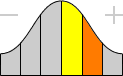
Severe right/severe/severe left lower abdominal pain
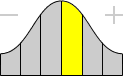
General flatulence
Unexplained nausea
(Right/left) lower abdominal ache
Premenstrual/premenstrual bloating/ weight gain or premenstrual abdominal bloating
Conditions that suggest Ovarian Cancer
Risk factors for Ovarian Cancer
Iodine Requirement
Geographic differences in the rates of breast, endometrial and ovarian cancer appear to be linked to iodine intake, suggesting that low intake may produce increased gonadotrophin stimulation leading to a hyperestrogenic state characterized by a relatively low estriol : (estrone + estradiol) ratio which may increase the risk of these cancers. [Lancet, pp.890-1, 1976]
Selenium Requirement
20,305 American women were followed prospectively for 20 years. Initial serum selenium levels were found to be inversely related to the risk of ovarian cancer. [J Natl Cancer Inst 88(1): pp.32-7, 1996]
History of ovarian cancer
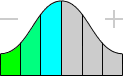
Hysterectomy with both ovaries
Ovarian Cancer suggests the following may be present
Selenium Requirement
20,305 American women were followed prospectively for 20 years. Initial serum selenium levels were found to be inversely related to the risk of ovarian cancer. [J Natl Cancer Inst 88(1): pp.32-7, 1996]
Ovarian Cancer can lead to
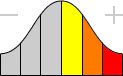
Recommendations for Ovarian Cancer

Weight Loss
An obese woman who has ovarian cancer is more likely to die from it than a woman of normal weight who also has ovarian cancer, say scientists from the The Cedars-Sinai Medical Center, USA. They say that fat cells encourage tumour growth by excreting a hormone.
The scientists concluded that obesity (for women with ovarian cancer):
Undermines a woman’s survival rate.
Made recurrence after treatment more likely and earlier.
Made women die earlier. [Cancer DOI: 10.1002/cncr.22194 Aug 2006]

Conventional Drugs / Information
Introducing chemotherapy directly into the abdomen, instead of into veins as is usually done, can be more effective. This allows physicians to expose the area surrounding the tumor to higher concentrations of medicine, while normal tissues, such as bone marrow, are spared.
Patients who choose the therapy, however, may pay a price for a longer life: Study participants who had the medicines dripped into their abdominal cavities, called intraperitoneal therapy, suffered more severe and more frequent side effects during and right after treatment, including infections, stomach pain, and numbness and tingling in their fingers and toes. Just 42% of the 205 women started on the therapy were able to withstand the 18 weeks of treatment. [NEJM Jan 5, 2006]
Vaccination
Christine Sable was not diagnosed with ovarian cancer until it was already advanced; a scenario far too common with this particular type of cancer.
After enduring surgery and an aggressive round of chemotherapy, doctors had nothing else to offer her but more chemotherapy. Instead, Sable sought out, and in 2004 was accepted into, a Phase I clinical research study of an ovarian cancer vaccine developed by Kunle Odunsi, MD, PhD, Surgeon in Gynecologic Oncology and Co-Leader of the Tumor Immunology and Immunotherapy Program at Roswell Park Cancer Institute in Buffalo, New York.
According to a report in ScienceDaily, the vaccine “is designed to trigger an immune response in the significant number of women who have tumors that test positive for the antigen NY-ESO-1.”
The report states that Sable’s immune system “responded so strongly to the first five doses of vaccine that she received another five, then another five, each time experiencing a better response—with no side effects. Now 49 and still cancer-free, she returns to Roswell Park just once a year for continued monitoring.” [ScienceDaily Apr. 7, 2008]

LDN - Low Dose Naltrexone
Dr. Bihari reports some success using LDN on ovarian cancers.
Hydrazine Sulfate
See the link between Cancer (General) and Hydrazine Sulfate.
Diindolylmethane DIM / Indole 3 Carbinol IC3
We all know that eating fruits, vegetables and soy products provides essential nutrition for a healthy lifestyle, while obesity leads to the opposite. Yet proving the effect of nutrition, or obesity, on cancer is an experimental challenge and a focus for scientists. According to emerging evidence being presented at the 2007 Annual Meeting of the American Association for Cancer Research, eating well might still be one of the more pleasurable ways to prevent cancer and promote good health.
Eating such foods as broccoli and soy are believed to offer some protection against cancer, but how this occurs is not well-understood. Now, in laboratory experiments, researchers at the University of California, Los Angeles, have discovered a biological mechanism whereby two compounds in these foods might lower the invasive and metastatic potential of breast and ovarian cancer cells.
They found that diindolylmethane (DIM), a compound resulting from digestion of cruciferous vegetables, and genistein, a major isoflavone in soy, reduce production of two proteins whose chemotactic attraction to each other is necessary for the spread of breast and ovarian cancers.
When applying purified versions of diindolylmethane and genistein to motile cancer cells, the researchers could literally watch these cells come to a near halt. When either compound was applied, migration and invasion were substantially reduced.
“We think these compounds might slow or prevent the metastasis of breast and ovarian cancer, which would greatly increase the effectiveness of current treatments,” said Erin Hsu, a graduate student in molecular toxicology. “But we need to test that notion in animals before we can be more definitive.”
Both DIM (diindolylmethane) and genistein are already being developed for use as a preventive and a chemotherapy treatment for breast cancer, although more extensive toxicological studies are necessary, the researchers say.
Key
| Weak or unproven link |
| Strong or generally accepted link |
| Proven definite or direct link |
| Very strongly or absolutely counter-indicative |
| May do some good |
| Likely to help |
| Highly recommended |
Glossary
Cancer
Refers to the various types of malignant neoplasms that contain cells growing out of control and invading adjacent tissues, which may metastasize to distant tissues.
Hormones
Chemical substances secreted by a variety of body organs that are carried by the bloodstream and usually influence cells some distance from the source of production. Hormones signal certain enzymes to perform their functions and, in this way, regulate such body functions as blood sugar levels, insulin levels, the menstrual cycle, and growth. These can be prescription, over-the-counter, synthetic or natural agents. Examples include adrenal hormones such as corticosteroids and aldosterone; glucagon, growth hormone, insulin, testosterone, estrogens, progestins, progesterone, DHEA, melatonin, and thyroid hormones such as thyroxine and calcitonin.
Chemotherapy
A treatment of disease by any chemicals. Used most often to refer to the chemical treatments used to combat cancer cells.
Nausea
Symptoms resulting from an inclination to vomit.
Iodine
A essential mineral that is an integral part of the thyroid hormones, thyroxin and triiodothyronine which have important metabolic roles and govern basal metabolism. The best known iodine deficiency symptom is goiter. Other iodine deficiency problems are reduced vitality, hypothyroidism, inability to think clearly, low resistance to infection, loss of control of the muscles of the mouth resulting in mouth contortion and drooling, defective teeth, tendency to obesity and cretinism which is a congenital abnormal condition marked by physical stunting and mental deficiency.
Serum
The cell-free fluid of the bloodstream. It appears in a test tube after the blood clots and is often used in expressions relating to the levels of certain compounds in the blood stream.
Selenium
An essential element involved primarily in enzymes that are antioxidants. Three selenium- containing enzymes are antioxidant peroxidases and a fourth selenium-containing enzyme is involved in thyroid hormone production. The prostate contains a selenium-containing protein and semen contains relatively large amounts of selenium. Clinical studies show that selenium is important in lowering the risk of several types of cancers. In combination with Vitamin E, selenium aids the production of antibodies and helps maintain a healthy heart. It also aids in the function of the pancreas, provides elasticity to tissues and helps cells defend themselves against damage from oxidation.