Erectile dysfunction (ED) or impotence is the inability to achieve and maintain a full erection during sexual arousal. It affects an estimated 10-20 million men, including 25% of men older than 50.
The cause of ED can be primarily organic, psychogenic in nature, or a mixture of the two. In 85% of cases affecting men aged 50 and older, organic factors such as vascular disease and atherosclerosis of the penile artery are the cause.
Physical factors include:
- Systemic diseases (diabetes mellitus, syphilis, alcoholism – abstain for 30 days to see if there is improvement, drug dependency, hypopituitarism, and hypothyroidism, and adrenal insufficiency)
- Local disorders – prostate enlargement (BPH), congenital abnormalities and inflammatory diseases of the genitalia, prostatitis; vascular disturbances such as aortic aneurysm and atherosclerosis (for example Leriche’s syndrome)
- Neurogenic disorders – multiple sclerosis, spinal cord lesions, pituitary microadenoma with hyperprolactinemia, and cardiovascular accident; drugs such as hypertensives, sedatives, Proscar (finasteride), tranquilizers, and amphetamines.
- Surgical procedures such as sympathectomy, prostatectomy and castration produce varying effects. Impotence is usually not induced by transurethral prostatectomy, whereas it almost always occurs after perineal prostatectomy.
- Impotence is not inevitable with aging, even into the 70s or 80s. While the amount and force of the ejaculate and thus sexual tension and the need to ejaculate are decreased, the capacity for erection often is retained.
- Contributing causes include a lack of exercise, smoking, excess alcohol consumption, obesity and increased total cholesterol or reduced HDL levels.
Psychological causes
These can include abnormal fears of the vagina, sexual guilt, fear of intimacy, or depression. ED may be situational (involving place, time or a particular partner), some perceived competitive defeat, or damage to self-esteem. Counseling may be required to resolve these issues. Psychological factors are strongly implicated if the patient has situational impotence, night or morning erections, or can achieve a firm erection by stimulation.
Viagra may help men who have been left impotent by prostate disease, diabetes or atherosclerosis, but some doctors are still prescribing it with caution, if at all. First, correct any lifestyle problems: reduce alcohol consumption, get sufficient exercise, watch what you eat, stop smoking, optimize your health, and improve your circulation with ginkgo, if needed. Don’t use it with any form of heart disease. If you decide to try Viagra, discuss it with your spouse first and then work with your doctor to find the lowest effective dose. A 50mg tablet may be too little or too much.
Men get erections when sexual thoughts, originating in the brain, initiate a flow of nerve signals, some of which are parasympathetic, down the spinal cord to the arteries and smooth muscle in the penis. The arteries that supply the penis then dilate, and the muscles that control the two rods of sponge – like tissue filling the core of the penis – the corpora cavernosa and the corpus spongiosum – relax. As they relax, they allow the increased flow of blood through the penile arteries to fill the spongy space with blood. The increasing pressure in the penis compresses the veins that drain blood from the penis, preventing outflow. The more blood that fills the penis, the larger and harder the erection will be, because as long as blood is flowing through the arteries, the out flow remains severely restricted. The penis returns to a flaccid state when the penile arteries constrict, relaxing pressure on the veins and allowing the blood to drain out.
All these activities are under the control of NO molecules. The nerves that serve the spongy tissue and the penile arteries are rich in NO, so when you become sexually aroused, the NO rich nerves quickly convert L-arginine to NO. These NO molecules diffuse to nearby arteries and smooth muscle, causing them to dilate and relax. Erection is reversed by contraction of the arteries involved, and that in turn occurs with stimulation by other nerves (sympathetic), either with ejaculation, anxiety or other causes of inhibition.
NO can be activated by a number of common substances released from the nerves. Especially important is the neurotransmitter acetylcholine.
Laboratory analysis of 22 sexual enhancement products available in the United States found nine (41%) were properly labeled, contained the claimed ingredients, and were not spiked with the prescription drug Viagra.
Reference:
“Gingko biloba Extract in the Therapy of Erectile Dysfunction,” M. Sohn and R. Sikora, Journal of Sex Education Therapy, Vol. 17, 1991, pp.53-61.
Risk factors for Erectile Dysfunction (ED, Impotence)
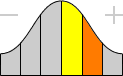
Diabetes Type I
Overall, diabetes is the single most common condition linked with erectile dysfunction and it is estimated that nearly half of men with diabetes have some degree of erectile dysfunction.
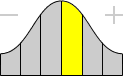
Cigarette Smoke Damage
Men with high blood pressure who smoke are 26 times more likely to be impotent than non-smokers. Even former smokers with high blood pressure (hypertension) are 11 times more likely to be impotent than non smokers. [Study conducted by Dr. John Spangler, MD at Wake Forest University Baptist Medical Center]
Diabetes Type II
Overall, diabetes is the single most common condition linked with erectile dysfunction and it is estimated that nearly half of men with diabetes have some degree of erectile dysfunction.
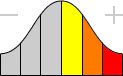
Andropause/Male Menopause
Impotence or erectile dysfunction is one of the most common symptoms of andropause.
Erectile Dysfunction (ED, Impotence) suggests the following may be present
Diabetes Type I
Overall, diabetes is the single most common condition linked with erectile dysfunction and it is estimated that nearly half of men with diabetes have some degree of erectile dysfunction.
Cigarette Smoke Damage
Men with high blood pressure who smoke are 26 times more likely to be impotent than non-smokers. Even former smokers with high blood pressure (hypertension) are 11 times more likely to be impotent than non smokers. [Study conducted by Dr. John Spangler, MD at Wake Forest University Baptist Medical Center]
Diabetes Type II
Overall, diabetes is the single most common condition linked with erectile dysfunction and it is estimated that nearly half of men with diabetes have some degree of erectile dysfunction.
Recommendations for Erectile Dysfunction (ED, Impotence)

Arginine
L-Arginine is the primary source of nitrous oxide (NO) – an odorless gas made of nitrogen and oxygen that relaxes muscles and increases blood flow to organs including the heart and penis. By facilitating blood flow through the erectile tissue of the penis, NO produced from L-arginine can give men erections that are bigger, harder and more frequent.
In a group of 15 men with erectile dysfunction given 2,800mg of arginine per day for two weeks, six were helped, though none improved while taking placebo. Although little is known about how effective arginine will be for men with erectile dysfunction or which subset of these men would be helped, available research looks promising and suggests that at least some men are likely to benefit. [Int J Impot Res 6: pp.33-6, 1994]
The dose can range from 1 to 3gm with meals, or up to 15gm about 45 minutes before sexual activity. Arginine is not recommended if you have diabetes, arthritis, cancer, shingles, herpes I (fever blisters, cold sores) or herpes II.

Herbal Combinations
BetterMAN™ is a clinically tested Chinese herbal supplement that improves sexual performance and prostate health. In scientific studies, after only 3 bottles of BetterMAN™ over 70% of American men experienced increased ability to attain and sustain an erection, delay ejaculation and desire sex as well as a dramatic decrease in nighttime urinary frequency and urgency. BetterMAN™ is not a short acting stimulant, but an all-natural long term solution with no side-effects. []The Journal of Urology, Nov. 2000]
Will BetterMAN™ help men who have had prostate surgery? The results for users vary, depending upon the degree of damage to local nerves caused by the surgery. Ask your doctor for advice. In many cases, it takes longer than 3 bottles for BetterMAN™ to work for these users.
This product is manufactured in the U.S. and contains Radix ginseng, Rhizoma dioscoreae, Radix paeoniae alba, Herba epimedii, Cornu cervi pantotrichum, Radix astragali, Poria cocos, Radix morindae officinalis, Fructus corni, Cortex eucommiae, Radix angelicae sinensis, Fructus lycii, Radix Rehmanniae, Rhizoma chuanxiong, Fructus schisandrae, Acanthopanax senticosus, Cynomorium songaricum rupr, and Cortex cinnamomi.
Ginkgo Biloba
Studies show that taking Gingko biloba herbal extract at 240mg daily (usually a 24% extract) can produce improvement in 6 months or fewer, even if previous medications have failed. In a study of 20 patients who had received this conventional therapy, 100% regained the ability to have a spontaneous and sustained erection within 6 months of supplementation. Blood flow into the penis improved within 3 months. [Journal of Sex Education Therapy, Vol. 17, 1991, pp.53-61]
Catuaba (Erythroxylum catuaba)
Catuaba has a long history in herbal medicine as an aphrodisiac. According to Dr. Michael van Straten, noted British herbalist and naturopath, Catuaba is beneficial to men and women as an aphrodisiac, but “it is in the area of male impotence that the most striking results have been reported” and “there is no evidence of side effects, even after long-term use.”
Marapuama (Ptychopetalum olacoides)
Marapuama, also called potency wood, has a history of use for reviving libido, potency, and tonifying the nervous system. In a study conducted in Paris, France, of 262 male patients experiencing lack of sexual desire and the inability to attain or maintain an erection, 51% of patients with erectile dysfunctions felt that marapuama was beneficial.
Grape Seed Extract / Resveratrol
Three months of using pycnogenol at 120mg per day improved erectile function and reduced total and LDL cholesterol levels in a double-blind, placebo-controlled study of 21 men with erectile dysfunction. [ Nutr Res 2003;23(9): pp.1189-98]
Ginseng, Korean - Chinese / Asian (Panax ginseng)
Two months of treatment with Korean red ginseng (900mg 3 times daily) improved erectile function scores in a well-designed study of 45 men with erectile dysfunction. [J Urol 2002;168(5): pp.2070-3]
A double-blind trial in Korea found that 1,800mg per day of Asian ginseng extract for three months helped improve libido and the ability to maintain an erection in men with erectile dysfunction. [Int J Impotence Res 1995;7: pp.181-6]

Pygeum (Pygeum africanum)
An extract of pygeum has shown an ability to improve the capacity to achieve an erection in patients with BPH or prostatitis.
Yohimbe (Pausinystalia yohimbe)
Yohimbe dilates blood vessels, making this herb useful for treating ED. Although yohimbine (the primary active constituent in yohimbe) has been shown in several double-blind studies to help treat men with ED, negative studies have also been reported. Somewhat surprisingly, in those it helps, yohimbe appears to help regardless of the cause of ED. A tincture of yohimbe bark is often used in the amount of 5-10 drops tid. There are also standardized yohimbe products available for the treatment of ED. A typical daily amount of yohimbine is 15-30mg.
With the possibility of serious side-effects such as anxiety, panic attacks, hallucinations, elevated blood pressure and heart rate and dizziness, yohimbe bark has been classified by the FDA as an unsafe herb. Due to the lack of effectiveness and the potential negative side-effects of Yohimbine, the FDA no longer recommends this once prescription drug extract to treat impotence.
Tribulus (Tribulus terrestris)
In patients with primary and secondary hypogonadism, 78% reported restored and enhanced libido and 22% reported improved erections with the use of Tribulus.
Conventional Drugs / Information
In March 1998, the Food and Drug Administration (FDA) approved Viagra, the first pill to treat ED. Since that time, vardenafil hydrochloride (Levitra) and tadalafil (Cialis) have also been approved.
Test / Monitor Hormone levels
Testosterone is the major hormone produced by men, but does not directly affect a man’s erectile ability as much as it does libido or sexual desire. Men with low testosterone, however, have shown improvement in ED with hormone replacement. A clinical trial of testosterone for all types of erectile dysfunction is not recommended.
When considering lab testing, a full panel of tests should be considered such as DHEA, testosterone (total and free), DHT, sex hormone binding globulin (SHBG), estradiol, luteinizing hormone (LH), follicle-stimulating hormone (FSH), prolactin (best taken at 9am to avoid diurnal variations), progesterone and a PSA test for prostate cancer.
Testosterone replacement, preferably applied to the skin or by injection, typically ranges from 25-100mg of natural testosterone per day usually given in two divided doses.
DHEA has been reported to be low in some men with erectile dysfunction. In one double-blind trial, 40 men with low DHEA levels and ED were given 50mg of DHEA per day for six months. Significant improvement in both erectile function and interest in sex occurred in the men assigned to DHEA but not in those assigned to placebo. No significant change occurred in testosterone levels or in factors that could affect the prostate gland. [Urology 53: pp.590-5, 1999]
Acupuncture
The only placebo-controlled study of acupuncture found that the placebo also produced a large improvement in sexual function that was close to the effect of acupuncture. Controlled trials with larger groups of men are necessary to better test the efficacy of acupuncture therapy for men suffering from erectile dysfunction. [Scand J Urol Nephrol 31: pp.271-4, 1997]
Physical Supports
The major cause of impotence is leakage through the veins. This happens when the veins carrying blood out of the penis are not shut completely, allowing blood to be drained out of the penis at the same rate as it enters. This results in prevention or loss of erection.
There are a variety of bands and rings on the market which help by shutting off the veins externally with a tourniquet effect, hence trapping sufficient blood in your penis to give you a natural, longer and harder erection for successful sexual intercourse within a minute of wearing it. This type of device will not work if there is restricted blood flow to your penis or if you suffer from serious health problems, such as diabetes, stroke or penile nerve damage.
Hypnosis
ED that cannot be linked to physical causes has been successfully treated by hypnosis. In this trial, three hypnosis sessions per week were used initially, later decreasing to one per month during a six-month period. Three out of every four men in the trial were helped. [Scand J Urol Nephrol 31: pp.271-4, 1997]
Key
| Weak or unproven link |
| Strong or generally accepted link |
| Proven definite or direct link |
| May do some good |
| Likely to help |
| Highly recommended |
Glossary
Psychogenic
Of a psychological origin.
Atherosclerosis
Common form of arteriosclerosis associated with the formation of atheromas which are deposits of yellow plaques containing cholesterol, lipids, and lipophages within the intima and inner media of arteries. This results in a narrowing of the arteries, which reduces the blood and oxygen flow to the heart and brain as well as to other parts of the body and can lead to a heart attack, stroke, or loss of function or gangrene of other tissues.
Diabetes Mellitus
A disease with increased blood glucose levels due to lack or ineffectiveness of insulin. Diabetes is found in two forms; insulin-dependent diabetes (juvenile-onset) and non-insulin-dependent (adult-onset). Symptoms include increased thirst; increased urination; weight loss in spite of increased appetite; fatigue; nausea; vomiting; frequent infections including bladder, vaginal, and skin; blurred vision; impotence in men; bad breath; cessation of menses; diminished skin fullness. Other symptoms include bleeding gums; ear noise/buzzing; diarrhea; depression; confusion.
Syphilis
A sexually-transmitted disease, with symptoms in the early contagious stages being a sore on the genitalia, a rash, patches of flaking tissue, fever, a sore throat, and sores in the mouth or anus.
Hypothyroidism
Diminished production of thyroid hormone, leading to low metabolic rate, tendency to gain weight, and sleepiness.
Adrenal Insufficiency
Also known as Adrenal Exhaustion or Low Adrenal Function, this is a condition where the adrenal gland is compromised in its production of epinephrine, norepinephrine, cortisol, corticosterone or aldosterone. Symptoms include primarily fatigue, weakness, decreased appetite with ensuing weight loss, as well as nausea, vomiting, abdominal pain, diarrhea or constipation, or increased pigmentation of the skin. Cortical insufficiency (low or no corticosteroids) produces a more serious condition called Addison’s Disease, characterized by extreme weakness, low blood pressure, pigmentation of the skin, shock or even death.
Prostate
The prostate gland in men that surrounds the neck of the bladder and the urethra and produces a secretion that liquefies coagulated semen.
Aneurysm
Localized enlargement of an artery.
Multiple Sclerosis
Demyelinating disorder of the central nervous system, causing patches of sclerosis (plaques) in the brain and spinal cord, manifested by loss of normal neurological functions, e.g., muscle weakness, loss of vision, and mood alterations.
Pituitary
The pituitary gland is small and bean-shaped, located below the brain in the skull base very near the hypothalamus. Weighing less than one gram, the pituitary gland is often called the "master gland" since it controls the secretion of hormones by other endocrine glands.
Cardiovascular
Pertaining to the heart and blood vessels.
Prostatectomy
Removal of the prostate gland.
Cholesterol
A waxy, fat-like substance manufactured in the liver and found in all tissues, it facilitates the transport and absorption of fatty acids. In foods, only animal products contain cholesterol. An excess of cholesterol in the bloodstream can contribute to the development of atherosclerosis.
High-Density Lipoprotein
(HDL): Also known as "good" cholesterol, HDLs are large, dense, protein-fat particles that circulate in the blood picking up already used and unused cholesterol and taking them back to the liver as part of a recycling process. Higher levels of HDLs are associated with a lower risk of cardiovascular disease because the cholesterol is cleared more readily from the blood.
Milligram
(mg): 1/1,000 of a gram by weight.
Parasympathetic
Usually Parasympathetic nervous system: Portion of the autonomic nervous system that is generally associated with increasing digestion and intestinal muscle activity; decreasing blood circulation and respiration.
Anxiety
Apprehension of danger, or dread, accompanied by nervous restlessness, tension, increased heart rate, and shortness of breath unrelated to a clearly identifiable stimulus.
Neurotransmitters
Chemicals in the brain that aid in the transmission of nerve impulses. Various Neurotransmitters are responsible for different functions including controlling mood and muscle movement and inhibiting or causing the sensation of pain.
Acetylcholine
A neurotransmitter widely distributed in body tissues with a primary function of mediating synaptic activity of the nervous system and skeletal muscles.
Hypertension
High blood pressure. Hypertension increases the risk of heart attack, stroke, and kidney failure because it adds to the workload of the heart, causing it to enlarge and, over time, to weaken; in addition, it may damage the walls of the arteries.