More women are waiting to bear children later in life. However, waiting beyond your thirties leads to decreasing fertility and an increased risk of birth defects. It may not be possible to prevent infertility, but there are measures that you can take to minimize the possibility. If you have any suspicion that you may have contracted a sexually-transmitted disease, see your doctor promptly so that treatment, if necessary, can begin in a timely fashion.
A woman should have regular gynecological examinations starting at age eighteen or within six months of becoming sexually active, whichever comes first, so that any developing problems can be detected and corrected early.
Adopt a healthy lifestyle that includes a wholesome diet, regular exercise, avoidance of toxins of all kinds (including recreational drugs), and measures to reduce stress. If you consume alcohol, do so in moderation only.
Here are some things to try other than the remedies listed later in this report:
- Don’t have intercourse more than three times per week. More frequent intercourse may reduce the number of viable sperm in the male partner’s semen.
- Time intercourse to coincide with ovulation, which usually occurs midway between menstrual periods. Some women can tell when they are ovulating. Signs of ovulation include bloating and breast tenderness and, for some women, a slight cramping pain. Unfortunately, many women experience no telltale signs. There are over-the-counter tests that can help you pinpoint the time of ovulation.
- After intercourse, spend ten to fifteen minutes quietly in each other’s arms before getting up. If a woman stays in a prone position for fifteen minutes or so following intercourse, this allows the sperm sufficient time to reach the egg.
- If it has been determined that your body is producing antibodies that are damaging or destroying sperm, your partner should use a condom for six months. Following no contact with the sperm, your antibodies may be lulled into inactivity. After this rest period, time intercourse (without a condom) to coincide with ovulation.
- Avoid vigorous exercise, hot tubs and saunas, as they may lead to changes in ovulation.
- Do not take any drugs except those prescribed by your physician.
A woman who suffers from premenstrual symptoms such as bloating and breast tenderness is probably ovulating, so if she is having difficulty becoming pregnant, the cause probably lies elsewhere.
Signs, symptoms & indicators of Female Infertility
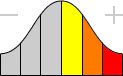
Difficulty conceiving/being unable to have children
Conditions that suggest Female Infertility
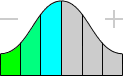
Being/being post/being peri menopausal
Risk factors for Female Infertility
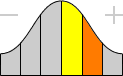
Mercury Toxicity / Amalgam Illness
Researchers in Hong Kong compared mercury levels in fertile and infertile couples. The results were as follows:
Fertile men 15% with high mercury, Infertile men 35% with high mercury
Fertile women 3.8% with high mercury, Infertile women 23% with high mercury
So for infertile men, the chance of mercury toxicity over fertile men was 2.3 times higher and for women, 6 times higher.
They recorded how much seafood the couples consumed and found that those eating more seafood tended to have higher blood mercury levels. [Fertility and Sterility, 78: 2, August 2002, pp. 426-428]
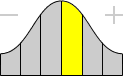
General Detoxification Requirement
Many cases have been reported by fasting centers where couples who had been childless for many years, due to infertility, were able to concieve after a few therapeutic fasts combined with colon cleansing.
Pelvic Inflammatory Disease (PID)
The most worrying complication of PID is infertility. Scars that damage the fallopian tubes make it difficult for a fertilised egg to pass along the tube to the womb. After one infection, more than 10% of women will suffer from infertility. PID also increases the risk of ectopic pregnancy, when the fertilised egg implants in the fallopian tube because it cannot reach the womb. This is a dangerous condition and the tube will probably need to be removed during an operation.
STD Gonorrhea
Gonorrhea can spread into the womb and fallopian tubes, resulting in pelvic inflammatory disease (PID). PID affects more than 1 million women in the United States every year and can cause infertility and tubal pregnancy.
STD Chlamydia
As many as 40% of women with untreated chlamydia will develop pelvic inflammatory disease (PID). Undiagnosed PID caused by chlamydia is common, resulting in a 20% infertility rate.
Elevated Cortisol Levels
Chronically elevated cortisol levels can stop a woman from ovulating and may lead to infertility.
Marginal/poor ovarian reserve
Counter Indicators
Normal ovarian reserve
Anorexia / Starvation Tendency
Anorexia or starvation causes difficulties in conceiving and carrying a baby to term.
Cystic Fibrosis
Fertility problems in women with CF may be due to thicker mucus making fertilization difficult.
Vitamin A Requirement
Vitamin A is involved in steroid hormone synthesis and cell differentiation. It is important for healthy growth, normal reproduction and lactation.
Partial/total/radical hysterectomy or hysterectomy with both ovaries or hysterectomy with one ovary
(Several) past abortions
Polycystic Ovary Syndrome (PCOS)
Impaired fertility is a prominent feature of PCOS. This is believed to result from elevated insulin levels that stimulate excess androgen production by the ovaries. The androgens cause premature follicular wasting which causes inconsistent or absent ovulation, which is associated with infertility.
Endometriosis
It has been estimated that some 25-50% of infertile women suffer from endometriosis. The cause of infertility is believed to result from the scarring and adhesions that form in the reproductive tract as a result of inflammation. Scar tissue and adhesions may reduce fertility by either obstructing or distorting the shape of the fallopian tubes, which in turn impedes the passage of sperm to the egg. In the event that sperm do reach the egg, they may encounter a hostile environment unfavorable to fertilization. Finally, scarring from endometriosis may obstruct the fallopian tubes so that if an egg is fertilized, it may be unable to travel to the uterus for implantation.
Women with endometriosis conceive at lower rates than women without endometriosis and miscarriages are more common in endometriosis patients than in those who do not have the disease.
Women with ASRM stage I-II disease have pregnancy rates which are significantly lower than patients without disease. These rates are improved with surgical therapy and are optimized with a combination of good excisional therapy and medical suppressive therapy if there is any suspected residual disease.
Women with ASRM (formerly AFS) stage III-IV disease have pregnancy rates which are 50-60% lower than others who do not have the disease. Medical or surgical therapy does not strongly change these rates.
Female Infertility suggests the following may be present
General Detoxification Requirement
Many cases have been reported by fasting centers where couples who had been childless for many years, due to infertility, were able to concieve after a few therapeutic fasts combined with colon cleansing.
STD Gonorrhea
Gonorrhea can spread into the womb and fallopian tubes, resulting in pelvic inflammatory disease (PID). PID affects more than 1 million women in the United States every year and can cause infertility and tubal pregnancy.
Anorexia / Starvation Tendency
Anorexia or starvation causes difficulties in conceiving and carrying a baby to term.
Polycystic Ovary Syndrome (PCOS)
Impaired fertility is a prominent feature of PCOS. This is believed to result from elevated insulin levels that stimulate excess androgen production by the ovaries. The androgens cause premature follicular wasting which causes inconsistent or absent ovulation, which is associated with infertility.
Recommendations for Female Infertility

Glandular / Live Cell Therapy
Although hard evidence is still lacking, many natural doctors use glandular extracts to promote reproductive health. These are usually extracts from several different organs including ovaries, uterus and others. These combination products may contain selected homeopathic remedies as well.

Propolis / Bee Products
Forty women with primary infertility of at least 2 years’ duration, and mild or minimal endometriosis, were randomly assigned to receive bee propolis (500mg BID) or placebo for 9 months. Twelve (60%) of 20 women in the active-treatment group became pregnant, compared with 4 (20%) of 20 in the placebo group. No side effects were reported. [Fertil Steril 2003;80(Suppl 3): p.S32]
Red Clover (Trifolium pratense)
Red clover blossom may act as a female fertility enhancer. It contains several estrogen-like compounds which may promote fertility in estrogen-deficient women. [Duke, J. A. Handbook of Medicinal Herbs: 489. Boca Raton, FL: CRC Press, 1985]
Vitex
Vitex is often used to help infertility caused by a luteal phase defect (a shortening of the post-ovulatory part of the menstrual cycle): women taking vitex for three months appear to have more success at becoming pregnant.
Heavy Metal Detoxification / Avoidance
Investigate the possibility of heavy metal intoxication, which may affect ovulation. A hair analysis can reveal heavy metal poisoning.
Gluten-free Diet
Strict adherence to a gluten-free diet has enabled many women who were previously unable to conceive to become pregnant.
Caffeine/Coffee Avoidance
Research has indicated that women who drank more than one cup of coffee a day reduced their likelihood of conceiving by 50%, and men who drank two to three cups of coffee a day had an increased incidence of abnormally formed sperm. Having five cups a day appears to make sperm sluggish as well.
Increased Water Consumption
To flush toxins from your system, drink eight 8-ounce glasses of pure water daily.
Alcohol Avoidance
Alcohol consumption can prevent implantation of a fertilized egg.

Soy Isoflavones (genistein, daidzein)
Women who are trying to conceive may want to heed the following: Avoid eating too much soy. According to a study involving humans, a compound found in soy known as genistein has been found to impair sperm as they swim toward the egg. Even tiny doses of the compound in the female tract could destroy sperm. Genistein can be found in all soy-containing products.
Researchers further explained that avoiding soy around a woman’s more fertile days of the month might actually aid conception.
Based on the findings, a spokeswoman for the Vegetarian Society said that for anyone trying to become pregnant, avoiding soy products for a few days a month is worth a try … even if there is a slim chance it will aid in fertility. [BBC News June 21, 2005]
Conventional Drugs / Information
Fertility drugs such as clomiphene (Clomid, Serophene), gonadorelin (Factrel, Lutrepulse), human chorionic gonadotropin – HCG (A.P.L., Fullutein, Humegon, Pregnyl, Profasi), and human menopausal gonadotropins – HMG (Metrodin, Pergonal, Repronal) are commonly prescribed.
Tobacco Avoidance
Cigarette smoking is associated with female infertility due to tubal and cervical causes. In animal studies, nicotine has not only been shown to decrease tubal motility and blood flow, but appears to decrease estrogen levels as well. Cotinine, a byproduct of nicotine, is found in the cervical mucus of female smokers, and may be toxic to sperm.
Aerobic Exercise
Exercise regularly but moderately. Maintaining a high level of physical fitness increases the possibility of conception. For both men and women, the ability to reproduce is dependent on a healthy body. Stressing your body with intensive exercise can cause a decrease in fertility.
Progesterone
Progesterone is an important hormone in preventing miscarriage. Without adequate progesterone, the lining of the uterus will remain rigid making pregnancy difficult to achieve. The lack of normal progesterone production by the ovaries in the second half of the menstrual cycle is called luteal phase defect. Women who have this defect are either unable to have their fertilized eggs implant in their uterine lining or, if the egg is implanted, it is so weak that miscarriage is a certain outcome.
To lessen the possibility of miscarriage, women who have a luteal phase defect use progesterone supplements after ovulation to help maximize the chance of carrying a pregnancy to full term. Progesterone supplements are also prescribed to women who are undergoing in-vitro fertilization (IVF) and other methods of assisted reproductive technology (ART). Progesterone supplements are given to women following an egg transfer in certain types of fertilization methods. Treatment for all women using progesterone supplements continues for at least fourteen days following ovulation. If pregnancy occurs in a woman who is taking progesterone supplements, her doctor may decide to continue the treatment for another 8 to 10 weeks until placental production of progesterone can carry the pregnancy successfully.

Test / Monitor Hormone levels
Because male infertility is related to approximately 50% of all infertility cases, it is important to conduct a semen analysis to make sure that this is not the cause of the problem.
Ideally, you will have already begun tracking your ovulation through fertility awareness or a fertility monitor. This will provide your doctor with valuable information about your ovulation. Usually the first question regarding female fertility is whether you are ovulating or not.
The first tests performed by your doctor involves measuring your follicle stimulating hormone (FSH) and luteinizing hormone (LH) to establish a baseline. This is performed on the third day of your cycle. A second test for LH may occur on the day of the LH surge, which is before ovulation in most cases.
Additional tests may include:
Tests, General Diagnostic
If both the semen analysis and hormone tests are normal, there is also additional testing that your fertility specialist may recommend. These tests include any of the following:
Selenium
A deficiency of selenium can lead to infertility in women.
Hydrotherapy
Alternating hot and cold sitz baths are useful in improving pelvic circulation. These may be helpful in promoting fertility. Please use at times other than when attempting conception.
Stress Management
Mental and emotional stress can impact fertility. Try to eliminate the stress in your life as much as possible. Infertility itself can be extremely stressful.
Surgery
Artificial insemination can be used to place sperm directly in the cervix or uterus. In vitro fertilization involves combining an egg with sperm in a laboratory, and then implanting the fertilized egg into the uterus.
Vitamin Paba
Para-aminobenzoic acid (PABA) stimulates the pituitary gland and sometimes restores fertility to some women who cannot conceive.
Key
| Weak or unproven link |
| Strong or generally accepted link |
| Proven definite or direct link |
| Weakly counter-indicative |
| Very strongly or absolutely counter-indicative |
| May do some good |
| Likely to help |
| Highly recommended |
| Reasonably likely to cause problems |
Glossary
Over-The-Counter
A drug or medication that can legally be bought without a doctor's prescription being required.
Antibody
A type of serum protein (globulin) synthesized by white blood cells of the lymphoid type in response to an antigenic (foreign substance) stimulus. Antibodies are complex substances formed to neutralize or destroy these antigens in the blood. Antibody activity normally fights infection but can be damaging in allergies and a group of diseases that are called autoimmune diseases.
Colon
The part of the large intestine that extends to the rectum. The colon takes the contents of the small intestine, moving them to the rectum by contracting.
Ectopic
Located outside normal position, e.g., location of fetus in pregnancy.
Anorexia Nervosa
An eating disorder characterized by excess control - a morbid fear of obesity leads the sufferer to try and limit or reduce their weight by excessive dieting, exercising, vomiting, purging and use of diuretics. Sufferers are typically more than 15% below the average weight for their height/sex/age and typically have amenorrhea (if female) or low libido (if male). 1-2% of female teenagers are anorexic.
Vitamin A
A fat-soluble vitamin essential to one's health. Plays an important part in the growth and repair of body tissue, protects epithelial tissue, helps maintain the skin and is necessary for night vision. It is also necessary for normal growth and formation of bones and teeth. For Vitamin A only, 1mg translates to 833 IU.
Steroid
Any of a large number of hormonal substances with a similar basic chemical structure containing a 17-carbon 14-ring system and including the sterols and various hormones and glycosides.
Hormones
Chemical substances secreted by a variety of body organs that are carried by the bloodstream and usually influence cells some distance from the source of production. Hormones signal certain enzymes to perform their functions and, in this way, regulate such body functions as blood sugar levels, insulin levels, the menstrual cycle, and growth. These can be prescription, over-the-counter, synthetic or natural agents. Examples include adrenal hormones such as corticosteroids and aldosterone; glucagon, growth hormone, insulin, testosterone, estrogens, progestins, progesterone, DHEA, melatonin, and thyroid hormones such as thyroxine and calcitonin.
Lactation
Production of milk; period after giving birth during which milk is secreted in the breasts.
Anemia
A condition resulting from an unusually low number of red blood cells or too little hemoglobin in the red blood cells. The most common type is iron-deficiency anemia in which the red blood cells are reduced in size and number, and hemoglobin levels are low. Clinical symptoms include shortness of breath, lethargy and heart palpitations.
Insulin
A hormone secreted by the pancreas in response to elevated blood glucose levels. Insulin stimulates the liver, muscles, and fat cells to remove glucose from the blood for use or storage.
Androgen
Any steroid hormone that increases male characteristics.
Endometriosis
A condition whereby endometrial tissue builds up in parts of the uterus where it does not belong or areas outside of the uterus, forming 'ectopic implants'. Unlike the normal tissue lining the uterus, ectopic tissue has no place to shed in response to a decline in estrogen and progesterone. This results in debris and blood accumulating at the site of the implant leading to inflammation, scarring and adhesions that ultimately cause symptoms and complications. Symptoms typically occur in a cyclic fashion with menstrual periods, the most common being pelvic pain and cramping before and during periods; pain during intercourse; inability to conceive; fatigue; painful urination during periods; gastrointestinal symptoms such as diarrhea, constipation, and nausea.
Scar Tissue
Fibrous tissue replacing normal tissues destroyed by injury or disease.