Your Diet Type appears to be Extreme Carbohydrate.
Introduction to Metabolic Typing
Metabolic typing represents the work of many doctors, researchers and biochemists over the last 70 years. The basic concept is that everyone is metabolically unique and one man’s meat is another man’s poison. Many claim with complete confidence that when your metabolic type is correctly assessed and your diet and supplements adjusted accordingly, optimal health, with prevention and reversing of disease, can be achieved. They believe that metabolic typing is much more effective than ‘one size fits all’ generalized nutritional approaches.
Modern medicine looks at the condition and seeks to treat it. Metabolic typing looks at the person and seeks to treat them. When the person is treated correctly, many health problems resolve on their own. This is an important distinction to make. Discovering more about you will help your health problems be less.
Dr. William Kelley, with degrees in chemistry, biochemistry, biology and dentistry, developed an untreatable, aggressive form of pancreatic cancer before the age of 40. With a vegetarian diet and individualized nutrient approach, he recovered and soon was treating others. Then his wife became seriously ill and he applied the same vegetarian diet and nutrients to her. She failed to respond, becoming worse. After many failed attempts to help her, there was nothing left to do but add meat to her diet. Her recovery was swift and dramatic. From his growing experience and the work of others, he went on to develop a clinical tool for assessing metabolic individuality.
There have been no blinded trials supporting or disproving metabolic typing. This can be partially explained. Once Dr. Kelly concluded which diets benefited which types, he was understandably unwilling to give a seriously ill patient a diet that he knew would make them worse. Like any compassionate person, it would be unethical to use a placebo on someone who is seriously ill, when you know of a treatment that would help. However, if all of the treatments available to a doctor are poor, then it is much easier to conduct a trial. More research does need to be done in the area of metabolic typing.
Why do two people with the same condition, not respond similarly to the same treatment? Apart from actually having different problems, it is possibly because they are biochemically different. If everyone was internally and chemically identical, some diets would work better than others, and each would work uniformly throughout the group. As it is, there are many successes and failures within a particular diet type, as well as success and failure on opposite type diets. The confusion is reduced when metabolic type is considered first, before recommending a diet.
The Analyst is using several such disciplines to make recommendations that will be of the most use to you. More information and further testing regarding metabolic typing, if needed, can be obtained through a service called HealthExcel. Until more research can confirm this approach, you and your doctor must decide and discover what works for you.
If you think of your food as fuel, then the proportions of proteins, carbohydrates, and fats can be viewed as your fuel mixture. If you get the right fuel for your type and the right fuel mixture, you’ll have a powerful force at work. Your food will be efficiently converted to energy rather than stored as fat.
Characteristics of Your Metabolic Type
Here are some typical tendencies that you may have in common with other Extreme Carbo Types:
Relatively Weak Appetite. A little food goes a long way. You need fewer or smaller meals.
High Tolerance for Sweets. Unless you have low blood sugar, you usually handle then pretty well, but don’t over do it.
Caffeine Dependency. There is a tendency to rely on caffeine to get through the day.
Dietary Emphasis for Extreme Carbo types
Extreme Carbo types need to eat less protein and fat and increase their intake of carbohydrates. You can handle a wide selection of both starchy and non-starchy carbohydrates.
There are also nutrient recommendations based on your metabolic type. The customized nutrient list for your type are as follows.
Nutrients to Emphasize:
Potassium, Magnesium, Chromium, Copper, Iron, Manganese, Silicone, Boron, Vitamins B1, B2, B3, B6, C, D, Paba, biotin, and Folic acid.
Nutrients to De-emphasize:
Calcium, Iodine, Phosphorus, Zinc, Sulfur, Choline, Inositol, Lysine, Bioflavonoids, Vitamins A, B5, and B12.
There may be conflicts with other recommendations elsewhere, or your personal experience. Please do not be discouraged by this. You are unique, and life is a journey of discovery. By learning and observing you can successfully find those things which are the most beneficial for you.
You also need to become familiar with the Allowable Foods Charts for Carbo types. The Dietary Charts used in food selection for balancing your metabolic type are located HERE. You need to be leaning heavily toward the Carbohydrate table, and away from foods on the Protein table. There are different kinds of proteins. Some are high in fat and high in purines, others low. The low-fat, low-purine proteins are best for Carbo types.
A low protein, low fat diet is your key to losing weight, feeling energized both mentally and physically, and staying on an even keel emotionally. Over the long term, such a diet, if properly followed and tailored to your metabolic individuality, can prevent you from developing many serious degenerative diseases, such as cardiovascular problems, immune deficiency, blood sugar abnormalities, osteoporosis, arthritis, digestive disorders, and other chronic illnesses rooted in metabolic imbalance.
Key points to remember:
– Emphasize low-fat, low-purine proteins
– Eat Protein at every meal. Especially if hypoglycemic.
– Dairy foods are in question. If you notice a worsening of energy or mood after consuming dairy products, you may need to restrict your use of them.
– Snack if needed
– Whole grains are generally good. Breads are typically good. Sprouted breads (such as Ezekiel) are best.
– Vegetable Juice is good. It is better to eat the whole fruit, than get too much fruit juice.
– Be on guard against too many starchy and refined carbohydrates at one meal. Eat all the nonstarchy vegetables you want.
– Use fats and oils sparingly. If on a low fat diet, it is especially important to balance the omega 6 and omega 3 oils.
– Limit nuts because of their high fat content.
30+% of your diet should come from proteins and fats, 60+% from carbohydrates. A popular book discussing a low fat, high complex carbohydrate diet is The New Pritikin Program: The Easy and Delicious Way to Shed Fat, Lower Your Cholesterol, and Stay Fit by Robert Pritikin, MD. He has written several other books dealing with the same subject.
Signs, symptoms & indicators of Metabolic Diet Type (Extreme Positive)
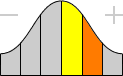
High systolic blood pressure
High diastolic blood pressure
Weight gain with heavy/fatty foods
Disliking potatoes
Disliking sour foods
Insensitivity to insect bites
Large pupils
Dull facial complexion
Thick/strong fingernails
Pale ear color
Being prone to goose bumps
Sleeping worse after bedtime eating
Dislike for fatty foods
Energy boosted by carbohydrates
Tendency not to gag easily
Counter Indicators
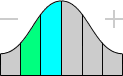
Tendency to gag easily
Energy boosted by fat/high-protein
Fondness for fatty foods
Sleeping better after bedtime eating
Not being prone to goose bumps
Dark/red ear color
Thin/weak fingernails
Bright facial complexion
Small pupils
Sensitivity to insect bites
Liking sour foods
Liking potatoes
Weight gain with carbohydrates
Dry coughs
Thin musculature
Counter Indicators
Thick musculature
Infrequent sneezing
Counter Indicators
Moderate sneezing or frequent sneezing / attacks
(Very) frequent stools or normal stool frequency
Counter Indicators
(Very/tendency to) infrequent stools
Arrhythmia
Poor tolerance of cold
Counter Indicators
Poor tolerance of heat
Positive reaction to coffee
Counter Indicators
Negative reaction to coffee
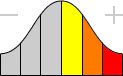
Infrequent eating
Weak appetite
Counter Indicators
Strong appetite
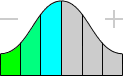
Frequent eating
Dislike of salt
Counter Indicators
Craving and eating wheat
Craving for carbohydrates is often due to not enough protein or fat in the diet or not enough of these consumed at the same time as consuming carbohydrates. In other words, the wrong fuel mix. Try adding more protein/fat to your diet, or more protein/fat at the time of having carbohydrates.
Sugar/sweet craving
Consuming too high a percentage of simple carbohydrates (sugar) for the negative type can result in carbohydrate (quick energy) craving. If you are a negative type (high protein / fat requirement), more protein and fat may be the answer to reducing this craving.
Craving for salt
(History of) heartburn
Dry eyes
Counter Indicators
Moist eyes
Itchy eyes
(Very) dry mouth
Counter Indicators
Excess/abundant saliva in mouth
Cold sores
Dry nose
Counter Indicators
Moist nose
History of infections
Low stamina
Counter Indicators
Hyperactivity with exhaustion
Patient/calm disposition
Being anxious/nervous
Being highly motivated
A hard-driving personality
High spontaneity
Being easily excitable
Being an antisocial person
Counter Indicators
Being a sociable person
Being not easily excited
Low spontaneity
Being unmotivated
Chest pressure
Rashes
Dry skin
Pale facial coloring
Counter Indicators
Dark/dark/flushed facial coloring
Cracking skin
Oily/moist skin
Itchy skin
Unsound sleep
(Frequent) difficulty falling asleep
Conditions that suggest Metabolic Diet Type (Extreme Positive)
Diabetes Type II
A high protein diet can help prevent diabetes, but once it has begun, a diet higher in vegetables is preferred. In diabetes, renal impairment and cardiovascular disease are particularly common. The use of a high protein diet which may further tax the kidneys and may reduce arterial compliance is not recommended. In individuals with diabetes, the principal strategies for preventing or slowing impairment of renal function include controlling blood glucose levels, blood pressure, and hyperlipidemia, and decreasing protein intake to low normal levels. High-protein diets are contraindicated for individuals with recurrent kidney stones, kidney disease, diabetes, osteoporosis, colon cancer, or heart disease.
Counter Indicators
Risk factors for Metabolic Diet Type (Extreme Positive)
Angular face
Counter Indicators
Round face
History of adult allergies
History of hypoglycemia
History of adolescent acne
Metabolic Diet Type (Extreme Positive) suggests the following may be present
Recommendations for Metabolic Diet Type (Extreme Positive)


Key
| Strong or generally accepted link |
| Proven definite or direct link |
| Weakly counter-indicative |
| Strongly counter-indicative |
| Very strongly or absolutely counter-indicative |
| Likely to help |
| Highly recommended |
| Reasonably likely to cause problems |
Glossary
Carbohydrates
The sugars and starches in food. Sugars are called simple carbohydrates and found in such foods as fruit and table sugar. Complex carbohydrates are composed of large numbers of sugar molecules joined together, and are found in grains, legumes, and vegetables like potatoes, squash, and corn.
Metabolism
The chemical processes of living cells in which energy is produced in order to replace and repair tissues and maintain a healthy body. Responsible for the production of energy, biosynthesis of important substances, and degradation of various compounds.
Cancer
Refers to the various types of malignant neoplasms that contain cells growing out of control and invading adjacent tissues, which may metastasize to distant tissues.
Placebo
A pharmacologically inactive substance. Often used to compare clinical responses against the effects of pharmacologically active substances in experiments.
Protein
Compounds composed of hydrogen, oxygen, and nitrogen present in the body and in foods that form complex combinations of amino acids. Protein is essential for life and is used for growth and repair. Foods that supply the body with protein include animal products, grains, legumes, and vegetables. Proteins from animal sources contain the essential amino acids. Proteins are changed to amino acids in the body.
Potassium
A mineral that serves as an electrolyte and is involved in the balance of fluid within the body. Our bodies contain more than twice as much potassium as sodium (typically 9oz versus 4oz). About 98% of total body potassium is inside our cells. Potassium is the principal cation (positive ion) of the fluid within cells and is important in controlling the activity of the heart, muscles, nervous system and just about every cell in the body. Potassium regulates the water balance and acid-base balance in the blood and tissues. Evidence is showing that potassium is also involved in bone calcification. Potassium is a cofactor in many reactions, especially those involving energy production and muscle building.
Magnesium
An essential mineral. The chief function of magnesium is to activate certain enzymes, especially those related to carbohydrate metabolism. Another role is to maintain the electrical potential across nerve and muscle membranes. It is essential for proper heartbeat and nerve transmission. Magnesium controls many cellular functions. It is involved in protein formation, DNA production and function and in the storage and release of energy in ATP. Magnesium is closely related to calcium and phosphorus in body function. The average adult body contains approximately one ounce of magnesium. It is the fifth mineral in abundance within the body--behind calcium, phosphorus, potassium and sodium. Although about 70 percent of the body's magnesium is contained in the teeth and bones, its most important functions are carried out by the remainder which is present in the cells of the soft tissues and in the fluid surrounding those cells.
Chromium
Chromium is a mineral that becomes a part of the glucose tolerance factor (GTF). Chromium aids in insulin utilization and blood sugar control. By controlling blood sugar, chromium helps prevent the damage caused by glucose, which is called glycation. Chromium helps maintain normal cholesterol levels and improves high-density lipoprotein levels. Chromium is also important in building muscle and reducing obesity.
Copper
An essential mineral that is a component of several important enzymes in the body and is essential to good health. Copper is found in all body tissues. Copper deficiency leads to a variety of abnormalities, including anemia, skeletal defects, degeneration of the nervous system, reproductive failure, pronounced cardiovascular lesions, elevated blood cholesterol, impaired immunity and defects in the pigmentation and structure of hair. Copper is involved in iron incorporation into hemoglobin. It is also involved with vitamin C in the formation of collagen and the proper functioning in central nervous system. More than a dozen enzymes have been found to contain copper. The best studied are superoxide dismutase (SOD), cytochrome C oxidase, catalase, dopamine hydroxylase, uricase, tryptophan dioxygenase, lecithinase and other monoamine and diamine oxidases.
Iron
An essential mineral. Prevents anemia: as a constituent of hemoglobin, transports oxygen throughout the body. Virtually all of the oxygen used by cells in the life process are brought to the cells by the hemoglobin of red blood cells. Iron is a small but most vital, component of the hemoglobin in 20,000 billion red blood cells, of which 115 million are formed every minute. Heme iron (from meat) is absorbed 10 times more readily than the ferrous or ferric form.
Manganese
An essential mineral found in trace amounts in tissues of the body. Adults normally contain an average of 10 to 20mg of manganese in their bodies, most of which is contained in bone, the liver and the kidneys. Manganese is essential to several critical enzymes necessary for energy production, bone and blood formation, nerve function and protein metabolism. It is involved in the metabolism of fats and glucose, the production of cholesterol and it allows the body to use thiamine and Vitamin E. It is also involved in the building and degrading of proteins and nucleic acid, biogenic amine metabolism, which involves the transmitting of nerve impulses.
Boron
A mineral that may play a role in maintaining strong bones, affecting calcium and magnesium metabolism and proper membrane function.
Thiamine
(Vitamin B-1): A B-complex vitamin that acts as a coenzyme necessary for the conversion of carbohydrates into glucose, which is burned in the body for energy. It is essential for the functioning of the nervous system.
Riboflavin
(Vitamin B-2): A B-complex vitamin that acts as a coenzyme that activates the breakdown and utilization of carbohydrates, fats and proteins. It is essential for cellular oxidation and necessary for healthy skin and eyes.
Niacin
(Vitamin B-3): A coenzyme B-complex vitamin that assists in the breakdown of carbohydrates, fats and proteins. Essential for the health of the skin, nerves, tongue and digestive system. It is found in every cell of the body and is necessary for energy production. Niacin is also needed for DNA formation.
Vitamin B6
Influences many body functions including regulating blood glucose levels, manufacturing hemoglobin and aiding the utilization of protein, carbohydrates and fats. It also aids in the function of the nervous system.
PABA
(Para Aminobenzoic Acid): May be considered part of the Vitamin B complex. As a coenzyme, PABA functions in the breakdown and utilization of proteins and in the formation of red blood cells.
Biotin
An essential coenzyme that assists in the making of fatty acids and in the burning of carbohydrates and fats for body heat and energy. It is also essential for function of red blood cells and hemoglobin synthesis.
Folic Acid
A B-complex vitamin that functions along with vitamin B-12 and vitamin C in the utilization of proteins. It has an essential role in the formation of heme (the iron containing protein in hemoglobin necessary for the formation of red blood cells) and DNA. Folic acid is essential during pregnancy to prevent neural tubular defects in the developing fetus.
Calcium
The body's most abundant mineral. Its primary function is to help build and maintain bones and teeth. Calcium is also important to heart health, nerves, muscles and skin. Calcium helps control blood acid-alkaline balance, plays a role in cell division, muscle growth and iron utilization, activates certain enzymes, and helps transport nutrients through cell membranes. Calcium also forms a cellular cement called ground substance that helps hold cells and tissues together.
Iodine
A essential mineral that is an integral part of the thyroid hormones, thyroxin and triiodothyronine which have important metabolic roles and govern basal metabolism. The best known iodine deficiency symptom is goiter. Other iodine deficiency problems are reduced vitality, hypothyroidism, inability to think clearly, low resistance to infection, loss of control of the muscles of the mouth resulting in mouth contortion and drooling, defective teeth, tendency to obesity and cretinism which is a congenital abnormal condition marked by physical stunting and mental deficiency.
Phosphorus
The second most abundant mineral in the body found in every living cell. It is involved in the proper functioning of both muscles and nerves. It is needed for metabolic processes of all cells, to activate many other nutrients, and to form energy-storage and energy-releasing compounds. The phosphorus content of the body is approximately one percent of total body weight. Phosphorus combines with fats to form phospholipids.
Zinc
An essential trace mineral. The functions of zinc are enzymatic. There are over 70 metalloenzymes known to require zinc for their functions. The main biochemicals in which zinc has been found to be necessary include: enzymes and enzymatic function, protein synthesis and carbohydrate metabolism. Zinc is a constituent of insulin and male reproductive fluid. Zinc is necessary for the proper metabolism of alcohol, to get rid of the lactic acid that builds up in working muscles and to transfer it to the lungs. Zinc is involved in the health of the immune system, assists vitamin A utilization and is involved in the formation of bone and teeth.
Choline
A lipotropic substance sometimes included in the vitamin B complex as essential for the metabolism of fats in the body. Precursor to acetylcholine, a major neurotransmitter in the brain. Choline prevents the deposition of fats in the liver and facilitates the movement of fats into the cells. Deficiency leads to cirrhosis of the liver.
Inositol
Usually considered part of the vitamin B complex. It is thought that along with choline, inositol is necessary for the formation of lecithin within the body. Involved in calcium mobilization.
Lysine
Essential amino acid. Important for growth, tissue repair, and the production of hormones, enzymes and antibodies. Research indicates that lysine may be useful in the treatment of migraine and herpes simplex. Precursor to carnitine in the body.
Cobalamin
Vitamin B-12. Essential for normal growth and functioning of all body cells, especially those of bone marrow (red blood cell formation), gastrointestinal tract and nervous system, it prevents pernicious anemia and plays a crucial part in the reproduction of every cell of the body i.e. synthesis of genetic material (DNA).
Cardiovascular
Pertaining to the heart and blood vessels.
Osteoporosis
A disease in which bone tissue becomes porous and brittle. The disease primarily affects postmenopausal women.
Arthritis
Inflammation of a joint, usually accompanied by pain, swelling, and stiffness, and resulting from infection, trauma, degenerative changes, metabolic disturbances, or other causes. It occurs in various forms, such as bacterial arthritis, osteoarthritis, or rheumatoid arthritis. Osteoarthritis, the most common form, is characterized by a gradual loss of cartilage and often an overgrowth of bone at the joints.
Chronic
Usually Chronic illness: Illness extending over a long period of time.
Complex Carbohydrate
Includes indigestible molecules of fiber (e.g., starch and glycogen). Slowly releases sugar into the bloodstream and also adds the fiber.
Cholesterol
A waxy, fat-like substance manufactured in the liver and found in all tissues, it facilitates the transport and absorption of fatty acids. In foods, only animal products contain cholesterol. An excess of cholesterol in the bloodstream can contribute to the development of atherosclerosis.
Simple Carbohydrate
A simple form of sugar; glucose, lactose, fructose, etc. This type of sugar is rapidly absorbed into the blood stream.
Diabetes Mellitus
A disease with increased blood glucose levels due to lack or ineffectiveness of insulin. Diabetes is found in two forms; insulin-dependent diabetes (juvenile-onset) and non-insulin-dependent (adult-onset). Symptoms include increased thirst; increased urination; weight loss in spite of increased appetite; fatigue; nausea; vomiting; frequent infections including bladder, vaginal, and skin; blurred vision; impotence in men; bad breath; cessation of menses; diminished skin fullness. Other symptoms include bleeding gums; ear noise/buzzing; diarrhea; depression; confusion.
Glucose
A sugar that is the simplest form of carbohydrate. It is commonly referred to as blood sugar. The body breaks down carbohydrates in foods into glucose, which serves as the primary fuel for the muscles and the brain.
Hyperlipidemia
Increased cholesterol level.
Kidney Stone
A stone (concretion) in the kidney. If the stone is large enough to block the tube (ureter) and stop the flow of urine from the kidney, it must be removed by surgery or other methods. Also called Renal Calculus. Symptoms usually begin with intense waves of pain as a stone moves in the urinary tract. Typically, a person feels a sharp, cramping pain in the back and side in the area of the kidney or in the lower abdomen. Sometimes nausea and vomiting occur. Later, pain may spread to the groin. The pain may continue if the stone is too large to pass; blood may appear in the urine and there may be the need to urinate more often or a burning sensation during urination. If fever and chills accompany any of these symptoms, an infection may be present and a doctor should be seen immediately.
Colon
The part of the large intestine that extends to the rectum. The colon takes the contents of the small intestine, moving them to the rectum by contracting.