Please see Lyme Disease for information on this subject.
Signs, symptoms & indicators of Lyme Disease
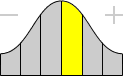
Heart racing/palpitations
Poor temperature regulation
Poor tolerance of cold
Poor tolerance of heat
Weak appetite
(Severe) abdominal discomfort
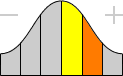
Constant fatigue
Poor bodily coordination
Counter Indicators
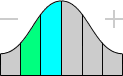
(Not having) constant fatigue
(No) history of fatigability
Vision disturbances
In patients with neuroborreliosis (chronic Lyme disease with CNS involvement), the chronic inflammatory lesions can be located in any part of the visual pathway, causing a deficit in retinal processing (due to damaged retinal cells and/or conduction block of the retinal nerve fibers), in ocular nerve fiber processing (due to chronic ocular neuritis), and in cortical visual processing (due to impaired neuron interaction in the brain). All of these damages result in various clinical symptoms: blurred vision, progressive visual deterioration, changes in visual fields, increased light sensitivity, etc., and can be assessed using the Visual Contrast Test. [Svetlana Ivanova, M.D., Ph.D. Focus (ARG Newsletter) Oct 2003]
(High) sensitivity to bright light
Bulging eyes or eyes bulge not from hyperthyroidism
Being a slow/being an incoherent speaker
Reduced sense of taste or smell
Unexplained high fevers or unexplained fevers that hit hard
Having a high/having a slight/having a moderate fever
Occassional/frequent 'chills' or having chills from an illness
Emotional instability
A 'foggy' mind
Trouble concentrating
Poor muscle tone
Tender muscles
Numb/tingling/burning extremities
Sudden shortness of breath or air hunger
Chronic/recent productive cough
Recent/chronic nonproductive cough
Migrating arthritis
Prolonged morning stiffness
Conditions that suggest Lyme Disease
Bell's Palsy
Bell’s Palsy has been known to be both an early and late symptom of Lyme Disease.
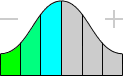
Absence of Lyme disease
Risk factors for Lyme Disease
Having VBATD or carotic occlusion or having had mini-strokes
(Occasional/frequent) diplopia
Possible Lyme exposure
Counter Indicators
Absence of Lyme exposure
Recent unexplained weight loss
Recent unexplained weight gain
Lyme Disease suggests the following may be present
Low Adrenal Function / Adrenal Insufficiency
Hypothalamus/pituitary/adrenal axis dysfunction is frequently associated with Lyme disease, and many Lyme patients have (at least temporarily) both thyroid and adrenal insufficiency.
Hypothyroidism
Hypothalamus/pituitary/adrenal axis dysfunction is frequently associated with Lyme disease, and many Lyme patients have (at least temporarily) both thyroid and adrenal insufficiency.
Chronic Fatigue / Fibromyalgia Syndrome
Lyme disease should be a differential diagnosis for all fibromyalgia patients who could have been exposed to a tick bite. Despite antibiotic treatment, a sequel of Lyme disease may be a post-Lyme disease syndrome (PLS), which is characterized by persistent arthralgia, fatigue, and neurocognitive impairment. [Journal of Rheumatology 23(8): pp.1392-1397, 1996] Although patients with CFS and PLS share many features, including symptoms of severe fatigue and cognitive impairment, patients with PLS show greater cognitive deficits than patients with CFS compared with healthy controls. This is particularly apparent among patients with PLS without premorbid psychiatric illness.
According to an informal study conducted by the American Lyme Disease Alliance (ALDA), most patients diagnosed with Chronic Fatigue Syndrome (CFS) are actually suffering from Lyme disease. In a study of 31 patients diagnosed with CFS, 28 patients, or 90.3%, were found to be ill as a result of Lyme disease.
Lyme Disease can lead to
Scleroderma
Laboratory tests showed an infection with B. burgdorferi sensu lato that was successfully treated with intravenous ceftriaxone, an antibiotic recommended for Lyme borreliosis. This case suggests that Lyme disease should be considered in atypical cases of skin sclerosis in patients predisposed to the development of systemic scleroderma. [PubMed. J Eur Acad Dermatol Venereol. 2005 Jan;19(1):93-6]
Lyme Disease could instead be
Alzheimer's Disease
Spirochetes, such as those found in Lyme disease, may be one of the causes of Alzheimer’s disease and may also be the source of beta amyloid deposited in the brains of such infected patients.
Parkinson's Disease / Risk
Differentiating neuropsychiatric Lyme disease from a primary psychiatric disorder can be a daunting task. Functional brain imaging and neuropsychological testing can be particularly valuable in helping to make diagnostic distinctions.
Multiple Sclerosis / Risk
Lyme Disease has been called “The New Great Imitator”, a replacement for that old “great imitator” neurosyphilis. The two diseases share so many symptoms that Lyme disease should be ruled out if multiple sclerosis diagnosis is in question.
Lupus, SLE (Systemic Lupus Erythromatosis) / Risk
Lyme arthritis is often mistaken clinically for systemic lupus erythematosus.
Amyotrophic Lateral Sclerosis (ALS)
Many different neurological conditions may be seen in the later stages of Lyme’s Disease, such as blindness, epileptic crises, CVA, extrapyramidal disorders, amyotrophic lateral sclerosis, and dementia.
Chronic Fatigue / Fibromyalgia Syndrome
Lyme disease should be a differential diagnosis for all fibromyalgia patients who could have been exposed to a tick bite. Despite antibiotic treatment, a sequel of Lyme disease may be a post-Lyme disease syndrome (PLS), which is characterized by persistent arthralgia, fatigue, and neurocognitive impairment. [Journal of Rheumatology 23(8): pp.1392-1397, 1996] Although patients with CFS and PLS share many features, including symptoms of severe fatigue and cognitive impairment, patients with PLS show greater cognitive deficits than patients with CFS compared with healthy controls. This is particularly apparent among patients with PLS without premorbid psychiatric illness.
According to an informal study conducted by the American Lyme Disease Alliance (ALDA), most patients diagnosed with Chronic Fatigue Syndrome (CFS) are actually suffering from Lyme disease. In a study of 31 patients diagnosed with CFS, 28 patients, or 90.3%, were found to be ill as a result of Lyme disease.
Rheumatoid Arthritis
The symptoms of Lyme disease have frequently been misdiagnosed as rheumatoid arthritis and subsequently mistreated.
Juvenile Rheumatoid Arthritis
Lyme disease was “discovered” in Lyme, Connecticut in 1975 because of the perseverance of Polly Murray, a homemaker who thought that too much Juvenile Rheumatoid Arthritis (JRA) was being diagnosed in her community. Putting aside the issue of whether Lyme disease does or does not cause some cases of JRA, the two diseases share so many symptoms that Lyme disease is often mistaken for JRA.
Gout / Hyperuricemia
Lyme disease is similar to gout and is sometimes misdiagnosed as such.
Guillain-Barre Syndrome
Putting aside the issue of whether Lyme disease does or does not cause some cases of Guillain-Barre syndrome, the two diseases share so many symptoms that Lyme disease can be mistaken for Guillain-Barre syndrome.
Trigeminal Neuralgia / Facial Pain
The rheumatoid-related condition, Lyme disease, can cause head and neck pain which could be mistaken for trigeminal neuralgia.
Recommendations for Lyme Disease

Prevention
When in tick-infested areas (i.e., tall grass, overgrown brush, etc.), special precautions should be taken. Wear light-colored clothing, tuck pants legs into socks, and wear closed toe shoes. Use commercial insect repellents (particularly those containing DEET) sparingly and with care, as they may cause side effects, especially in young children. Avoid application to damaged skin. When returning from outdoors it is important to check yourself, your children and your pets for ticks. Look for ticks in all joint areas, the navel, behind ears, in the hairline, and in other skin folds. Wash all skin treated with insect repellent thoroughly. Keep your lawn mowed and cut overgrown brush. Some doctors will give a single dose of oral doxycycline within 3 days of any tick bite received in a tick-infested area in order to prevent Lyme disease.
A tick must be attached to its host for 36 to 48 hours before an infectious dose of Borrelia burgdorferi is transmitted. This is fortunate, because most folks who are bitten by a tick will find it prior to the infectious event and thus prevent a possible case of Lyme’s disease.
Also, to help prevent tick bites, include garlic in your diet. In a study of Marines it reduced tick bites by 21%. [JAMA August 16, 2000; 284]

Probiotics / Fermented Foods
If taking antibiotics for Lyme disease, remember that they will kill both good and bad microorganisms. Replacing the friendly intestinal organisms killed with antibiotics by eating live culture yogurt or taking probiotic capsules regularly for at least six months is recommended. The aim of this treatment is to recolonize the intestine both during and after antibiotic use.
Cat's Claw (Urticaria tomentosa)
While the use of Cat’s Claw looks very promising, there is a POA TOA controversy that seems to be as yet unresolved. If you wish to look into this controversy further, the following articles may be helpful.
An article by Leslie Taylor, ND discusses it at some length, suggesting that any quality Cat’s Claw product should be equally effective.
This pilot study attempts to show that a TOA-free Cat’s Claw (Uncaria tomentosa) is effective in treating chronic Lyme disease (Lyme Borreliosis).
There have been many testimonials regarding a particular Cat’s Claw product called Samento.
Medicinal Mushrooms
Because of many mushroom’s ability to build energy, stamina and endurance it has been recommended for use by those who suffer from Lyme disease.

Garlic
Garlic is a natural antibiotic and immune-booster.
Evening Primrose Oil / GLA
This may help combat the pain and inflammation. 1000mg 2-3 times daily.
Coneflower (Echinacea purpura)
Echinacea boosts the immune system and fights viral and bacterial infections.
Red Clover (Trifolium pratense)
Red clover cleanses the bloodstream and is a good tonic.
Wormwood
Some physicians have reported good results from treating Lyme disease with artemisinin. These are experimental or untested applications of the product.
Kelp / Seaweed
Helps in the treatment of the disorder by strengthening the immune system. It also contains essential vitamins and minerals and aids in detoxifying the body.
Antibiotics
Current medical therapy involves the use of antibiotics, such as doxycycline or amoxicillin. Some clinics are suggesting and offering IV antibiotic use daily over a 50 to 60 day period. Although very expensive, they feel that this is what is required in some cases. In some cases, oral antibiotics have been used continuously for as many as two years, if necessary.
Prompt treatment with antibiotics is effective in curing EARLY Lyme disease in nearly all infected people, including children. A 2003 study showed that the long-term outcome of patients with Lyme disease who are treated with antibiotic therapy is excellent. It should be noted that even if Lyme disease has been successfully treated, it may be possible to become self-reinfected with Lyme disease again at a later date. The risk appears to occur only in patients who had been treated for the rash, however. In those who developed arthritic symptoms as well, the antibody response appears to persist and prevent reinfection.
A positive Lyme blood test, even including a Western blot, does not mean that there is active disease that requires treatment. This is because blood tests can remain positive for years, even after Lyme disease has been treated or has become inactive. Occasionally, to aid in the diagnosis of Lyme disease, a sample of fluid must be aspirated (withdrawn with a sterile needle) from an affected joint. Cerebrospinal fluid may also be withdrawn from around the spinal cord through a spinal tap (lumbar puncture), so that it can be tested for the presence of Lyme-disease antibodies and inflammation, as well as to rule out other diseases.
Doxycycline has been used widely to treat all phases of Lyme disease, including erythema migrans. Doxycycline is active against Borrelia burgdorferi (the spirochete that causes Lyme disease), and it penetrates, in concentrations sufficient for eradication, virtually all body tissues that the organism may reach via hematogenous dissemination. Oral doxycycline has been shown to be as effective as parenteral ceftriaxone sodium (Rocephin) in treatment of central nervous system (CNS) Lyme disease (ie, neuroborreliosis) (1). This has tremendous cost-saving implications. In the New York area, a 3-week course of parenteral ceftriaxone for CNS Lyme disease, including administration by home care, costs between $5,000 and $7,000. In comparison, a 3-week course of oral doxycycline treatment costs only a few hundred dollars.
In addition, treatment failure in Lyme disease is seldom, if ever, seen with properly administered doxycycline regimens in EARLY Lyme disease, whereas failures are common with erythromycin therapy.
A study supported by the National Institute of Neurological Disorders and Stroke (NINDS), also a part of the National Institutes of Health, again showed that long-term antibiotic use for Lyme disease is not an effective strategy for cognitive improvement. [Neurology 70(13): 992-1003, 2008]
In about 5% of cases, symptoms persist after treatment, a condition referred to as post-Lyme disease syndrome. The treatment of post-Lyme disease syndrome is a controversial issue. Most doctors do not recommend continuing antibiotic therapy beyond 30 days. Scientific studies do not show any evidence that the benefits of long-term antibiotic treatment outweigh its risks. Long-term antibiotic treatment can lead to a serious and difficult-to-treat infection called Clostridiumdifficile, and can also cause the patient to become allergic to the antibiotic.
Conventional Drugs / Information
Please see the link between Lyme Disease and Antibiotics.
Electrical Devices
Here are a couple testimonies on the use of Beck’s Electrifier and Magnetic Pulser in the treatment of Lyme disease.
Test for Lyme Disease
From the website for THE LYME DISEASE SOLUTION by Ken Singleton, M.D..
“One of the most crucial elements in the successful treatment of Lyme disease is an accurate diagnosis of Lyme and of its potential co-infections. The sooner the diagnosis can be made from the time of the initial infection with Lyme or its co-infections the better.” This is the website..
Dr. Klinghardt exclusively uses the IGeneX Lab in Palo Alto for his blood tests, and Fry Labs in Arizona for direct microscopy testing.
“I don’t have a financial investment in it, but it’s the gold standard in our field,” he says. “They use two different antigens. The commercial labs and hospitals and so forth, they use one antigen and are notorious in under-diagnosing Lyme disease. We recommend to rather not test it than get a false negative, which will sometimes lead the patient 20 years on the wrong track. With the other co-infections, the detection rate drops way down.
… We do the FISH test [for Borrelia] at IGeneX Lab. It’s a direct microscopy test which has more false negatives than the western blot.
… The leading test for Bartonella that we use is Fry Labs in Arizona. Steven Fry, who does a wonderful direct microscopy test, often comes back positive with the diagnosis of hemobartonella. Hemo means simply blood – Bartonella in the blood. Remember, he’s testing the blood where the Bartonella typically does not live. It lives in the nervous system. So if you find it in the blood in small amounts it generally is an indicator that there is a high amount in other tissues in the body.”
An indirect test is the CD57 test. “CD-57” is a specific group of natural killer cells that are particularly damaged by the Lyme spirochetes. Therefore, if your numbers drop to a certain level, it is an indirect indicator that you may have Lyme disease, because the only known infection to suppress CD57 is that of Borrelia burgdorferi.
Normally, your CD57 value should be over 100. If it’s lower than that, you’re infected with Borrelia. If it’s below 60, you probably have both Borrelia and Mycoplasma, and, most likely, some other co-infections.
2013. New Lyme-like agent – Borrelia miyamotoi.
It probably sickens more than 4,000 Americans every year, and until now, no one knew exactly what it was.
Thanks in part to a very sick Hunterdon County woman, researchers have identified a new tick-transmitted illness, which is similar to Lyme Disease.
Although the discovery is new, researchers say they do not expect more people to get sick from infected ticks. Instead people, who in the past may have been misdiagnosed, will now know the correct cause of their disease.
“It’s an important discovery because it is not exactly like Lyme, and any time you find a new disease, it is significant,” said Peter Krause, a senior research scientist at Yale, who authored a paper showing 18 people in the northeast have contracted the bacteria that causes the disease.
Krause said he believes the bacteria has probably been around for years but was misdiagnosed as Lyme Disease, because the symptoms and treatment are so similar.
The disease — too new to have a name — is spread by deer tick, which transmit a bacteria called Borrelia miyamotoi.
Like Lyme Disease, symptoms include headache, fever and muscle aches, and it can be treated with the same antibiotics used to treat Lyme.
“Some patients have both this and Lyme.” Krause said. “We don’t have enough data to know how much sicker you get if you get both.”
There are two factors that distinguish this bacteria from Lyme Disease, Krause said. The first is a relapsing fever that can recur every few days or even over a period of weeks. The other factor is that the rash usually associated with Lyme Disease only appears in 10 percent of those patients who have this new kind of bacteria.
Like Lyme disease, this bacteria can have far more serious consequences for those patients who already have compromised immune systems.
Anna Felix, a Hunterdon County woman, holds the dubious distinction of being the first patient in North America to have a confirmed case. The 81-year old first began feeling ill in the fall of 2011, shortly after being treated for Lymphoma.
She lost 30 pounds, had cognitive problems and could barely leave her Kingwood Township home.
Her doctor suspected the cancer had returned but an oncologist found nothing. Felix was then seen by Joseph Gugliotta, a physician affiliated with Robert Wood Johnson Medical School, who thought Lyme Disease might be the culprit. When he performed a spinal tap, he found corkscrew-shaped bacteria.
“Her spinal fluid was filled with them,” said Gugliotta who works at Hunterdon Medical Center.
It was Borrelia miyamotoi, which was first discovered nearly 20 years ago in Japan, but it wasn’t until 2011 that Russian doctors confirmed the bacteria could infect humans. Felix’s case confirmed what Russian doctors had been seeing.
“Everything was very exciting to me,” he said.
A strong dose of penicillin was all Felix needed to recover. [By Dan Goldberg/The Star-Ledger on January 22, 2013]
Colloidal Silver
Many people report that the use of MSP (mild silver protein) helps to control the late-stage symptoms of Lyme disease. Doing a search on the Internet should produce many testimonies regarding it’s usefulness.
Reading List
Beating Lyme Disease: Using Alternative Medicine and God-Designed Living by David A. and Sara Koch Jernigan
(January 2004) is a book that takes you far beyond its title. It is written in such understandable language that even beginners can grasp its dynamics quickly and easily. Doctors should also consider this book a must read. If you are searching for alternative methods to treating physical illness, of cleansing your body of toxins and damaging bacteria, then “Beating Lyme Disease” is a book you will treasure.
See also Lyme Testing regarding the book THE LYME DISEASE SOLUTION by Ken Singleton, M.D.
Essential Fatty Acids
The use of omega 3 fatty acids may reduce inflammation and joint stiffness.
Vitamin A
Vitamin A deficiency appears to be both a consequence of Lyme disease (Borrelia burgdorferi infection) and a factor in the resulting arthritis susceptibility. Although not known definitively, taking vitamin A may improve joint symptoms. Vitamin A-deficient mice were found to be more susceptible to arthritis following infection by the spirochete that produces Lyme disease in humans. [J Infect Dis 1996 Oct;174(4): pp.747-51]
Key
| Weak or unproven link |
| Strong or generally accepted link |
| Proven definite or direct link |
| Strongly counter-indicative |
| Very strongly or absolutely counter-indicative |
| May do some good |
| Likely to help |
| Highly recommended |
Glossary
Chronic
Usually Chronic illness: Illness extending over a long period of time.
CNS
Central Nervous System.
Retina
A 10-layered, frail nervous tissue membrane of the eye, parallel with the optic nerve. It receives images of outer objects and carries sight signals through the optic nerve to the brain.
Neuritis
Nerve inflammation, commonly accompanying other conditions such as tendonitis, bursitis or arthritis. Neuritis is usually accompanied by neuralgia (nerve pain).
pH
A measure of an environment's acidity or alkalinity. The more acidic the solution, the lower the pH. For example, a pH of 1 is very acidic; a pH of 7 is neutral; a pH of 14 is very alkaline.
Bell's Palsy
One-sided facial paralysis of sudden onset and unknown cause. The mechanism is presumed to involve swelling of the nerve due to immune or viral disease, with ischemia and compression of the facial nerve in the narrow confines of its course through the temporal bone.
Hypothalamus
An important supervisory center in the brain regulating many body functions. Despite its importance in maintaining homeostasis, the hypothalamus in humans accounts for only 1/300 of total brain weight, and is about the size of an almond.
Pituitary
The pituitary gland is small and bean-shaped, located below the brain in the skull base very near the hypothalamus. Weighing less than one gram, the pituitary gland is often called the "master gland" since it controls the secretion of hormones by other endocrine glands.
Thyroid
Thyroid Gland: An organ with many veins. It is at the front of the neck. It is essential to normal body growth in infancy and childhood. It releases thyroid hormones - iodine-containing compounds that increase the rate of metabolism, affect body temperature, regulate protein, fat, and carbohydrate catabolism in all cells. They keep up growth hormone release, skeletal maturation, and heart rate, force, and output. They promote central nervous system growth, stimulate the making of many enzymes, and are necessary for muscle tone and vigor.
Adrenal Insufficiency
Also known as Adrenal Exhaustion or Low Adrenal Function, this is a condition where the adrenal gland is compromised in its production of epinephrine, norepinephrine, cortisol, corticosterone or aldosterone. Symptoms include primarily fatigue, weakness, decreased appetite with ensuing weight loss, as well as nausea, vomiting, abdominal pain, diarrhea or constipation, or increased pigmentation of the skin. Cortical insufficiency (low or no corticosteroids) produces a more serious condition called Addison’s Disease, characterized by extreme weakness, low blood pressure, pigmentation of the skin, shock or even death.
Fibromyalgia
(FMS): Originally named fibrositis, it is a mysteriously debilitating syndrome that attacks women more often than men. It is not physically damaging to the body in any way, but is characterized by the constant presence of widespread pain that often moves about the body. Fibromyalgia can be so severe that it is often incapacitating.
Arthralgia
Severe throbbing or stabbing pain along a nerve in one or more joints.
Chronic Fatigue Syndrome
CFS (Chronic Fatigue Syndrome) is a disorder of unknown cause that lasts for prolonged periods and causes extreme and debilitating exhaustion as well as a wide range of other symptoms such as fever, headache, muscle ache and joint pain, often resembling flu and other viral infections. Also known as Chronic Fatigue and Immune Dysfunction Syndrome (CFIDS), Chronic Epstein-Barr Virus (CEBV), Myalgic Encephalomyelitis (ME), "Yuppy Flu" and other names, it is frequently misdiagnosed as hypochondria, psychosomatic illness, or depression, because routine medical tests do not detect any problems.
Alzheimer's Disease
A progressive disease of the middle-aged and elderly, characterized by loss of function and death of nerve cells in several areas of the brain, leading to loss of mental functions such as memory and learning. Alzheimer's disease is the most common cause of dementia.
Multiple Sclerosis
Demyelinating disorder of the central nervous system, causing patches of sclerosis (plaques) in the brain and spinal cord, manifested by loss of normal neurological functions, e.g., muscle weakness, loss of vision, and mood alterations.
Arthritis
Inflammation of a joint, usually accompanied by pain, swelling, and stiffness, and resulting from infection, trauma, degenerative changes, metabolic disturbances, or other causes. It occurs in various forms, such as bacterial arthritis, osteoarthritis, or rheumatoid arthritis. Osteoarthritis, the most common form, is characterized by a gradual loss of cartilage and often an overgrowth of bone at the joints.
Extrapyramidal
Referring to brain structures other than those needed for motor activities.
Dementia
An acquired progressive impairment of intellectual function. Marked compromise exists in at least three of the following mental activity spheres: memory, language, personality, visuospatial skills, and cognition (i.e., abstraction and calculation).
Rheumatoid Arthritis
A long-term, destructive connective tissue disease that results from the body rejecting its own tissue cells (autoimmune reaction).
Gout
A disease characterized by an increased blood uric acid level and sudden onset of episodes of acute arthritis.
Trigeminal Neuralgia
(Tic Douloureux) Pain in the trigeminal nerve, chief sensory nerve of the face and the motor nerve enabling chewing. A disorder of the trigeminal nerve producing bouts of severe, lancinating pain lasting seconds to minutes in the distribution of one or more of its sensory divisions, most often the mandibular and/or maxillary. The cause is uncertain. Recently, at surgery or autopsy, arterial and ( less often) venous loops have been found compressing the trigeminal nerve root at its entry point into the brainstem, which suggests that tic is essentially a compressive neuropathy. Adults usually are affected, especially later in life. The pain is often set off by touching a trigger point or by activity (e.g. chewing or brushing the teeth). Although each bout of intense pain is brief, successive bouts may incapacitate the patient.