Only five people out of every million have this rare condition. The average age at which the disorder is diagnosed is 60 years, but it can develop at an earlier age. The excessive numbers of red blood cells produced in polycythemia increases the volume of blood and makes it thicker so that it flows less easily through small blood vessels. However, the number of red blood cells may be increased for a long time before symptoms appear.
The earliest symptoms frequently include weakness, fatigue, headache, light-headedness and shortness of breath. Vision may be distorted and a person may have blind spots or may see flashes of light. Bleeding from the gums and from small cuts is common, and the skin – especially the face – may look red. A person may itch all over, particularly after a hot bath. Burning sensations in the hands and feet or, more rarely, bone pain may be felt. As the disorder progresses, the liver and spleen may enlarge, causing a dull, intermittent ache in the abdomen.
The excess of red blood cells may be associated with other complications, including stomach ulcers, kidney stones or clotting in veins and arteries, which can cause heart attacks or strokes and can block blood flow to the arms and legs. Rarely, polycythemia vera progresses to leukemia; certain treatments increase this likelihood.
Hemoglobin levels and hematocrit are abnormally high when this condition is present. A hematocrit reading higher than 54% in a man or 49% in a woman may indicate polycythemia, but the diagnosis can not be made on the basis of this alone. A test that uses radioactively-labeled red blood cells to determine the total number of red blood cells in the body can help make the diagnosis. Rarely, a bone marrow biopsy is needed.Prognosis and Treatment
Without treatment, about half the people who have polycythemia vera with symptoms die in under 2 years. With treatment, they live for an average of 15 to 20 years.
The aim of treatment is to slow down production and decrease the number of red blood cells. Blood is usually removed from the body in a procedure called a phlebotomy: a pint of blood is removed every other day until the hematocrit begins to decrease. When the hematocrit reaches a normal level, blood is removed every few months, as needed.
To help control some of the symptoms, antihistamines can help relieve itching, and aspirin can relieve burning sensations in the hands and feet as well as bone pain.
Signs, symptoms & indicators of Polycythemia Vera
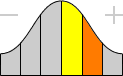
High red blood cell count
Conditions that suggest Polycythemia Vera
Polycythemia Vera can lead to
Recommendations for Polycythemia Vera


Key
| Weak or unproven link |
| Strong or generally accepted link |
| Likely to help |
| Highly recommended |
Glossary
Red Blood Cell
Any of the hemoglobin-containing cells that carry oxygen to the tissues and are responsible for the red color of blood.
Stomach
A hollow, muscular, J-shaped pouch located in the upper part of the abdomen to the left of the midline. The upper end (fundus) is large and dome-shaped; the area just below the fundus is called the body of the stomach. The fundus and the body are often referred to as the cardiac portion of the stomach. The lower (pyloric) portion curves downward and to the right and includes the antrum and the pylorus. The function of the stomach is to begin digestion by physically breaking down food received from the esophagus. The tissues of the stomach wall are composed of three types of muscle fibers: circular, longitudinal and oblique. These fibers create structural elasticity and contractibility, both of which are needed for digestion. The stomach mucosa contains cells which secrete hydrochloric acid and this in turn activates the other gastric enzymes pepsin and rennin. To protect itself from being destroyed by its own enzymes, the stomach’s mucous lining must constantly regenerate itself.
Ulcer
Lesion on the skin or mucous membrane.
Kidney Stone
A stone (concretion) in the kidney. If the stone is large enough to block the tube (ureter) and stop the flow of urine from the kidney, it must be removed by surgery or other methods. Also called Renal Calculus. Symptoms usually begin with intense waves of pain as a stone moves in the urinary tract. Typically, a person feels a sharp, cramping pain in the back and side in the area of the kidney or in the lower abdomen. Sometimes nausea and vomiting occur. Later, pain may spread to the groin. The pain may continue if the stone is too large to pass; blood may appear in the urine and there may be the need to urinate more often or a burning sensation during urination. If fever and chills accompany any of these symptoms, an infection may be present and a doctor should be seen immediately.
Leukemia
Cancer of the lymph glands and bone marrow resulting in overproduction of white blood cells (related to Hodgkin's disease).
Hemoglobin
The oxygen-carrying protein of the blood found in red blood cells.
Biopsy
Excision of tissue from a living being for diagnosis.