Increasing calories may be recommended for persons who are underweight, athletes who want to gain weight to enhance performance or those whose calorie needs are increased due to a poor health condition. Being underweight can be caused by heredity, a serious illness, not eating enough, or a combination of intense ongoing exercise and insufficient calories in the diet. Commonly it is caused by an eating disorder such as anorexia or bulimia. Severe depression can also affect the appetite, resulting in underconsumption and weight loss.
Conditions that suggest Underconsumption
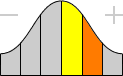
Risk factors for Underconsumption
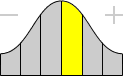
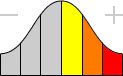
Insufficient calorific intake
Counter Indicators
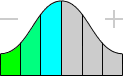
Excess calorific intake
Recent unexplained weight loss
Recommendations for Underconsumption


Therapeutic Fasting
An underweight condition may be benefitted by water fasting with subsequent weight gain. A state of chronic undereating should not be fasted.
Bioperine (Black Pepper)
Bioperine enhances nutrient absorption, an important factor when undernourished.
Key
| Weak or unproven link |
| Strong or generally accepted link |
| Proven definite or direct link |
| Very strongly or absolutely counter-indicative |
| Highly recommended |
| May have adverse consequences |
Glossary
Anorexia Nervosa
An eating disorder characterized by excess control - a morbid fear of obesity leads the sufferer to try and limit or reduce their weight by excessive dieting, exercising, vomiting, purging and use of diuretics. Sufferers are typically more than 15% below the average weight for their height/sex/age and typically have amenorrhea (if female) or low libido (if male). 1-2% of female teenagers are anorexic.
Bulimia Nervosa
An eating disorder characterized by lack of control - abnormal eating behavior including dieting, vomiting, purging and particularly bingeing that is usually associated with normal weight or obesity (unlike anorexics, who tend to be considerably underweight). The syndrome is associated with guilt, depressed mood, low self-esteem and sometimes with childhood sexual abuse, alcoholism or promiscuity.