Triglycerides are simply fats: all the fats you eat are triglycerides, and triglycerides are transported through the bloodstream as a source of energy for the body. Fatty acids from triglycerides are used for muscular work or stored as body fat for future energy production. Triglycerides should be measured after fasting as it is normal for blood levels to be increased immediately after a meal. Lowering triglycerides is important because it may help reduce your risk for coronary heart disease.
While elevated triglycerides have a genetic component in many cases, lifestyle choices such as overconsumption, too many carbohydrates and physical inactivity frequently play a central role in the disorder. Lifestyle choices may act like a key to “turn on” a genetic susceptibility. In some cases elevated triglycerides may be due to an underlying medical condition or to the use of prescribed drugs such as beta-blockers, diuretics, estrogen (contraceptive or hormone replacement therapy), glucocorticoids, isotretinoin, protease inhibitors and tamoxifen.
The goal for fasting triglycerides in adults is less than 150 mg/dL.
Conditions that suggest Elevated Triglycerides
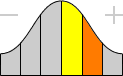
Pancreatitis
If the initial level of fasting triglycerides is 500mg/dL or higher, the initial focus is on triglyceride lowering to prevent pancreatitis because it can be a life-threatening condition.
Risk factors for Elevated Triglycerides
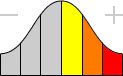
Hypertriglyceridemia
Counter Indicators
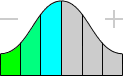
Normal/low triglycerides
EFA (Essential Fatty Acid) Type 3 Requirement
Omega-3 fatty acids can have a profound effect on lowering triglyceride levels.
Manganese Requirement
See the link between Low HDL/LDL Cholesterol Ratio and Manganese Need.
Gallbladder Disease
Gallstone formation does not correlate with blood cholesterol levels, but persons with low HDL cholesterol (the so-called good cholesterol) levels or high triglyceride levels are at increased risk.
Elevated Triglycerides suggests the following may be present
Elevated Triglycerides can lead to
Increased Risk of Coronary Disease / Heart Attack
There are a group of studies clearly indicating that elevated triglycerides combined with low HDL (two abnormalities known to be caused by high insulin) are much more predictive of cardiovascular disease than elevated total cholesterol or elevated LDL levels.
Recommendations for Elevated Triglycerides

High/Increased Protein Diet
Virtually every study in which the carbohydrate intake was low enough to convert the body’s primary fuel from glucose to stored fat has shown a drop in total cholesterol and improvements in risk ratios of total cholesterol to HDL, with a dramatic decrease in triglycerides.
Grain-free / Low Starch Diet
Please see comment under Higi/Increased Protein Diet.
Sugars Avoidance / Reduction
Ingesting refined sugar increases triglyceride levels. People with elevated triglyceride levels should therefore reduce their intake of sugar, sweets and other sugar-containing foods. Even added fructose will raise triglyceride levels, however, the fructose found naturally in foods should be less of a problem.

Weight Loss
A modest weight loss, in addition to reduction in dietary fat, can have tremendous benefits on lipid profiles. A weight loss of just 10 pounds (4.5 Kg) has been associated with a 34% drop in triglyceride levels.

Aerobic Exercise
For many individuals, an exercise period of 45 minutes can produce greater reduction in plasma triglycerides than the shorter periods of exercise sometimes recommended for lowering triglyceride levels.
Essential Fatty Acids
In over 4,000 subjects, a high consumption of dietary linolenic acid was associated with low plasma triglycerides. [Am J Clin Nutr. 2003;78: pp.1098-1102]
Vitamin B3 (Niacin)
In a study of people with high cholesterol, niacin not only reduced LDL and triglycerides by 17% and 18%, respectively, but it also increased HDL by 16%.
Key
| Weak or unproven link |
| Strong or generally accepted link |
| Proven definite or direct link |
| Very strongly or absolutely counter-indicative |
| May do some good |
| Likely to help |
| Highly recommended |
Glossary
Triglyceride
The main form of fat found in foods and the human body. Containing three fatty acids and one unit of glycerol, triglycerides are stored in adipose cells in the body, which, when broken down, release fatty acids into the blood. Triglycerides are fat storage molecules and are the major lipid component of the diet.
Fatty Acids
Chemical chains of carbon, hydrogen, and oxygen atoms that are part of a fat (lipid) and are the major component of triglycerides. Depending on the number and arrangement of these atoms, fatty acids are classified as either saturated, polyunsaturated, or monounsaturated. They are nutritional substances found in nature which include cholesterol, prostaglandins, and stearic, palmitic, linoleic, linolenic, eicosapentanoic (EPA), and decohexanoic acids. Important nutritional lipids include lecithin, choline, gamma-linoleic acid, and inositol.
Carbohydrates
The sugars and starches in food. Sugars are called simple carbohydrates and found in such foods as fruit and table sugar. Complex carbohydrates are composed of large numbers of sugar molecules joined together, and are found in grains, legumes, and vegetables like potatoes, squash, and corn.
Diuretic
An agent increasing urine flow, causing the kidneys to excrete more than the usual amount of sodium, potassium and water.
Estrogen
One of the female sex hormones produced by the ovaries.
Hormones
Chemical substances secreted by a variety of body organs that are carried by the bloodstream and usually influence cells some distance from the source of production. Hormones signal certain enzymes to perform their functions and, in this way, regulate such body functions as blood sugar levels, insulin levels, the menstrual cycle, and growth. These can be prescription, over-the-counter, synthetic or natural agents. Examples include adrenal hormones such as corticosteroids and aldosterone; glucagon, growth hormone, insulin, testosterone, estrogens, progestins, progesterone, DHEA, melatonin, and thyroid hormones such as thyroxine and calcitonin.
Milligram
(mg): 1/1,000 of a gram by weight.
Pancreatitis
Inflammation of the pancreas. Symptoms begin as those of acute pancreatitis: a gradual or sudden severe pain in the center part of the upper abdomen goes through to the back, perhaps becoming worse when eating and building to a persistent pain; nausea and vomiting; fever; jaundice (yellowing of the skin); shock; weight loss; symptoms of diabetes mellitus. Chronic pancreatitis occurs when the symptoms of acute pancreatitis continue to recur.
High-Density Lipoprotein
(HDL): Also known as "good" cholesterol, HDLs are large, dense, protein-fat particles that circulate in the blood picking up already used and unused cholesterol and taking them back to the liver as part of a recycling process. Higher levels of HDLs are associated with a lower risk of cardiovascular disease because the cholesterol is cleared more readily from the blood.
Low-Density Lipoprotein
(LDL): Also known as "bad" cholesterol, LDLs are large, dense, protein-fat particles composed of a moderate proportion of protein and a high proportion of cholesterol. Higher levels of LDLs are associated with a greater risk of cardiovascular disease.
Cholesterol
A waxy, fat-like substance manufactured in the liver and found in all tissues, it facilitates the transport and absorption of fatty acids. In foods, only animal products contain cholesterol. An excess of cholesterol in the bloodstream can contribute to the development of atherosclerosis.
Manganese
An essential mineral found in trace amounts in tissues of the body. Adults normally contain an average of 10 to 20mg of manganese in their bodies, most of which is contained in bone, the liver and the kidneys. Manganese is essential to several critical enzymes necessary for energy production, bone and blood formation, nerve function and protein metabolism. It is involved in the metabolism of fats and glucose, the production of cholesterol and it allows the body to use thiamine and Vitamin E. It is also involved in the building and degrading of proteins and nucleic acid, biogenic amine metabolism, which involves the transmitting of nerve impulses.
Gallstone
(Biliary Calculus): Stone-like objects in either the gallbladder or bile ducts, composed mainly of cholesterol and occasionally mixed with calcium. Most gallstones do not cause problems until they become larger or they begin obstructing bile ducts, at which point gallbladder "attacks" begin to occur. Symptoms usually occur after a fatty meal and at night. The following are the most common ones: steady, severe pain in the middle-upper abdomen or below the ribs on the right; pain in the back between the shoulder blades; pain under the right shoulder; nausea; vomiting; fever; chills; jaundice; abdominal bloating; intolerance of fatty foods; belching or gas; indigestion.
Insulin
A hormone secreted by the pancreas in response to elevated blood glucose levels. Insulin stimulates the liver, muscles, and fat cells to remove glucose from the blood for use or storage.
Cardiovascular
Pertaining to the heart and blood vessels.