Idiopathic Thrombocytopenic Purpura (ITP) is the term used when the platelet count is low enough to cause very easy bruising. ITP has two basic origins: an autoimmune attack against platelets (primary or autoimmune ITP) and a bone marrow disorder (secondary ITP).
Primary ITP
The bone marrow produces platelets as fast as usual (at least in the early stages of the disease), but even before they have a chance to mature, they are taken out of circulation. An IgG antibody attaches to the platelets and marks them to be removed from circulation. It is likely that individuals who suffer this disease have a genetic propensity to autoimmunity and that a viral disease triggers it. Many autoimmune disorders have this characteristic.
Primary (or ‘autoimmune’) thrombocytopenia occurs mostly in children and young adults (typically before age 30), though it can rarely occur later in life. Many times, it manifests as an acute disease, lasting a few weeks and then clearing up completely. It might recur again later after another viral infection or with reactivation of a chronic virus, but eventually it ceases to be a problem in the majority of children who experience it.
Secondary ITP
This condition involves a defect in the production of platelets by the bone marrow that can occur as part of a general bone marrow dysfunction, in which both red and white blood cells are also produced insufficiently. It can occur secondary to leukemia, in which the stem cells that yield white blood cells proliferate and crowd out the stem cells that produce platelets and red blood cells (yielding high white cell count and low RBC and platelet counts). Secondary ITP can also occur as the result of chemotherapy treatments.
Some chronic diseases that affect the immune system – such as HIV, hepatitis C or systemic lupus – may yield a combination of inhibited platelet production and shortened time that platelets persist in the blood, resulting in ITP. Because in this case it is some other factor (disease process or medical treatment) that is causing the clinical result, this type of platelet deficiency is termed secondary ITP and may be resolved by stopping this other factor.
British researchers have confirmed that the measles-mumps-rubella (MMR) vaccine can cause this bleeding disorder in children. However, ITP can also occur in children following the viral infections the vaccinations were intended to prevent. The risk of post-vaccination ITP is quite low when compared to ITP that occurs after catching measles, rubella or mumps. For instance, one case of ITP occurs for about every 3000 rubella infections.
Conventional Treatment
Treatment is often aimed at inhibiting the immune system with corticosteroids such as prednisone. Because the spleen filters the platelet-immune complex it may be necessary to remove it in order to reduce the production of anti-platelet antibodies and slow the clearance of platelets from the system. In some people, however, more platelets are destroyed in the liver than in the spleen and in this case removing the spleen is less likely to result in remission. Note that after the spleen has been removed and the platelet levels elevated, the liver can take over the removal function and the platelet count can drop again.
The acute manifestation can usually be controlled by a course of therapy using steroids to inhibit the immune response for a period of several weeks. Chronic autoimmune thrombocytopenia develops in a small percentage of patients. In that case, steroid therapy eventually fails (due to the side-effects from prolonged administration). Until recently, the main therapy for chronic autoimmune thrombocytopenia has been splenectomy, which is sometimes curative and at the very least reduces the disease severity.
More recently, intravenous infusion of normal IgG to replace the body’s anti-platelet IgG has been tried with some success and may replace splenectomy for some patients. This has also been proposed as an alternative to the initial therapy with prednisone. Other therapies are also being developed.
Signs, symptoms & indicators of Low Platelet Count
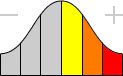
(Very) low platelet count
Counter Indicators
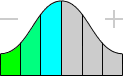
High platelet count
Risk factors for Low Platelet Count
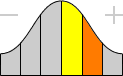
Lupus, SLE (Systemic Lupus Erythromatosis) / Risk
Lupus is suggested if thrombocytopenia (a low platelet count of under 100,000 platelets per cubic millimeter) is detected in the absence of drugs that are known to induce it.
Cirrhosis of the Liver
Normally, blood from the intestines and spleen is carried to the liver through the portal vein. But cirrhosis slows the normal flow of blood, which increases the pressure in the portal vein. This condition is called portal hypertension. When portal hypertension occurs, the spleen frequently enlarges and holds white blood cells and platelets, reducing the numbers of these cells in the blood. A low platelet count may be the first evidence that a person has developed cirrhosis.
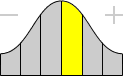
Hepatitis
Hepatitis C may cause or contribute to a secondary ITP.
Low Platelet Count suggests the following may be present
Recommendations for Low Platelet Count

Shark Liver Oil
See the link between Low White Count and Shark Liver Oil.

Herbal Combinations
In China, primary ITP is the main subject of reports suggesting that Chinese herbs – but not acupuncture – will raise the platelet levels in patients with persistent ITP, often to an acceptable level although only rarely to the normal range. According to the clinical reports, the use of herbs will often raise the platelets from the unacceptable level (below 50, at which bleeding that is difficult to stop may occur) to an average of about 75-85. Normal platelet levels are usually defined as 150 or above. Some patients described in the literature had their platelet levels reach over 100 and a small number attained a completely normal level.
A Chinese formula used for IDP contained: astragalus, codonopsis, tang-kuei, moutan, agrimony, isatis leaf, perilla stem, licorice, raw rehmannia, cooked rehmannia and eclipta. The trial group of 36 patients receiving this formula ranged in age from 13-60 years. Treatment time was at least three months and it was reported that all but 3 of the patients had improvement of symptoms. The average increase of platelets was from 38 to 79, and the average decrease in IgG was from 74 to 32. [Shanghai Journal of Traditional Chinese Medicine 1991; (3): pp.1-3]
Chinese Thoroughwax (Bupleurum falcatum)
A series of 10 cases comprised 5 males and 5 females were treated with Minor Decoction of Bupleurum for a low platelet count. The duration of the condition was 4-72 days, averaging 30 days. All cases manifested purpura in the skin and mucosa, with nose bleed in 7 cases, gingival hemorrhage in 4 cases and uterine bleeding in 2 cases.
The classical Minor Decoction of Bupleurum consists of Radix Bupleuri, Radix Ginseng, Radix Codonopsis Pilosulae, Rhizoma Pinelliae, Radix Scutellariae, Radix Glycyrrhizae, Rhizoma Zingiberis Recens, and Fructus Ziziphi Jujubae. The authors modified the prescription by eliminating Rhizoma Pinelliae and Rhizoma Zingiberis Recens and adding Herba Equiseti Hiemalis 15gm, Herba Verbenae 15gm, and Radix Rehmanniae 15gr. For patients with severe hemorrhage, the mixture was administered once daily by intravenous drip. The mixture consisted on 5% glucose solution, 250-300 ml, dicynone 2.0 gm, adrenobazone 20 mg, vitamin K 8-12 mg, vitamin C 500 mg, and p-aminomehyl benzoic acid .3 gm. For cases with dripping uterine bleeding, pituitrin 5-10 IU was added. The intravenous medication was terminated when hemorrhage was alleviated. For anemia due to blood loss, ferreous agents were administered.
The duration of treatment was 14-44 days, averaging 28 days. Skin and mucosa hemorrhages stopped in all cases and the blood platelet count rose averaging 121. The therapeutic results were deemed markedly effective in 6 cases and fairly effective in one; the remaining 3 cases dropped out of follow-up.

Kelp / Seaweed
It is noted that kelp can concentrate heavy metals, and that some kelp preparations contain substantial levels of arsenic. It has been noted that urinary arsenic excretion in patients with peripheral neuropathy, who have been taking kelp tablets, has increased, and seaweed ingestion has been linked with chronic thyroiditis. Arsenic intoxication can cause bone marrow depression and megaloblastic changes. Physicians need to be aware of the potential dangers of contaminants in some kelp preparations.[Severe Dyserythropoiesis and Autoimmune Thrombocytopenia Associated With Ingestion of Kelp Supplements, Pye, Kathryn G., et al, The Lancet, June 20, 1992;339:1540]
Conventional Drugs / Information
Attacking a platelet-depleting autoimmune disease in a whole new way, an experimental drug is helping patients with immune thrombocytopenic purpura (ITP) once again produce healthy amounts of platelets — with no major side effects.
That’s the conclusion of a new, multicenter study led by Dr. James B. Bussel, professor of pediatrics at Weill Cornell Medical College, attending pediatrician at NewYork-Presbyterian Hospital/Weill Cornell Medical Center, and director of the Hospital’s Program for Platelet Disorders.
His team’s findings appear in The New England Journal of Medicine, November 19, 2006.
The new drug, a novel protein called AMG 531, successfully boosted platelet production in patents with chronic ITP, a serious autoimmune disorder that affects more than 16,000 adult Americans, and perhaps as many children, each year.

Vitamin E
Five patients with thrombocytopenic purpura received 200-400mg of alpha-tocopherol acetate daily. Within 7-14 days, platelet counts and capillary fragility returned to normal or near normal. [Science 163: 762, 1946)] Note, however, that vitamin E is known to increase bleeding tendency by reducing platelet aggregation, so higher doses may be contraindicated for some patients.
Key
| Weak or unproven link |
| Strong or generally accepted link |
| Proven definite or direct link |
| Very strongly or absolutely counter-indicative |
| May do some good |
| Likely to help |
| Highly recommended |
| May have adverse consequences |
Glossary
Idiopathic
Arising spontaneously or from an obscure or unknown cause.
Purpura
Bleeding into the tissues directly beneath skin or mucous membranes yielding a bruise or many red or purple petechia (flat, pin-head sized spots).
Autoimmune Disease
One of a large group of diseases in which the immune system turns against the body's own cells, tissues and organs, leading to chronic and often deadly conditions. Examples include multiple sclerosis, rheumatoid arthritis, systemic lupus, Bright's disease and diabetes.
Antibody
A type of serum protein (globulin) synthesized by white blood cells of the lymphoid type in response to an antigenic (foreign substance) stimulus. Antibodies are complex substances formed to neutralize or destroy these antigens in the blood. Antibody activity normally fights infection but can be damaging in allergies and a group of diseases that are called autoimmune diseases.
Thrombocytopenia
Condition of abnormally small number of platelets circulating in the blood, characterized by inability to properly clot blood and easy bruising.
Acute
An illness or symptom of sudden onset, which generally has a short duration.
Chronic
Usually Chronic illness: Illness extending over a long period of time.
Virus
Any of a vast group of minute structures composed of a protein coat and a core of DNA and/or RNA that reproduces in the cells of the infected host. Capable of infecting all animals and plants, causing devastating disease in immunocompromised individuals. Viruses are not affected by antibiotics, and are completely dependent upon the cells of the infected host for the ability to reproduce.
White Blood Cell
(WBC): A blood cell that does not contain hemoglobin: a blood corpuscle responsible for maintaining the body's immune surveillance system against invasion by foreign substances such as viruses or bacteria. White cells become specifically programmed against foreign invaders and work to inactivate and rid the body of a foreign substance. Also known as a leukocyte.
Leukemia
Cancer of the lymph glands and bone marrow resulting in overproduction of white blood cells (related to Hodgkin's disease).
Red Blood Cell
Any of the hemoglobin-containing cells that carry oxygen to the tissues and are responsible for the red color of blood.
Chemotherapy
A treatment of disease by any chemicals. Used most often to refer to the chemical treatments used to combat cancer cells.
Immune System
A complex that protects the body from disease organisms and other foreign bodies. The system includes the humoral immune response and the cell-mediated response. The immune system also protects the body from invasion by making local barriers and inflammation.
HIV
Abbreviation for human immunodeficiency virus, a retrovirus associated with onset of advanced immunodeficiency syndrome (AIDS).
Hepatitis C
Caused by an RNA flavivirus. Transmission is predominantly through broken skin on contact with infected blood or blood products, especially through needle sharing. Sexual transmission is relatively rare. Symptoms are almost always present, and very similar to those for Hepatitis B: initially flu-like, with malaise, fatigue, muscle pain and chest pain on the right side. This is followed by jaundice (slight skin yellowing), anorexia, nausea, fatigue, pale stools, dark urine and tender liver enlargement, but usually no fever.
Steroid
Any of a large number of hormonal substances with a similar basic chemical structure containing a 17-carbon 14-ring system and including the sterols and various hormones and glycosides.
Intravenous Infusion
(IV): A small needle placed in the vein to assist in fluid replacement or the giving of medication.
Millimeter
(mm): A metric unit of length equaling one thousandth of a meter, or one tenth of a centimeter. There are 25.4 millimeters in one inch.
Cirrhosis
A long-term disease in which the liver becomes covered with fiber-like tissue. This causes the liver tissue to break down and become filled with fat. All functions of the liver then decrease, including the production of glucose, processing drugs and alcohol, and vitamin absorption. Stomach and bowel function, and the making of hormones are also affected.
Hypertension
High blood pressure. Hypertension increases the risk of heart attack, stroke, and kidney failure because it adds to the workload of the heart, causing it to enlarge and, over time, to weaken; in addition, it may damage the walls of the arteries.