White blood cells play an important role in the immunity/immune system of an individual. The white blood cell count is done routinely as part of a complete blood count. An unusually high white blood cell count can indicate an infection, hypersplenism, bone marrow depression (drugs, radiation or heavy metal poisoning) or primary bone marrow disorders such as leukemia. A low white blood cell count can be the result of infection, make an individual more susceptible to outside infections or allow multiplication of organisms within the body which would normally kept in check by a healthy immune system.
There are many different types and forms of white cells. Since deficiencies can affect one or more types or forms, a doctor’s help and additional testing is usually required to understand the nature or cause of the deficiency.
Neutropenia, the most common cause of a low white count, can occur in acute bacterial infections, viral infections, rickettsiae disease, alcoholism, some parasite injections, drug use, aplastic and pernicious anemia, acute lymphoblastic leukemia, some hormone imbalances and anaphylactic shock.
The therapeutic use of a granulocyte colony-stimulating factor (expensive) can increase the number of circulating neutrophils, enhance neutrophil bactericidal activity, and can be of benefit in reducing morbidity and mortality from infectious disease in those with very low levels of neutrophils.
Signs, symptoms & indicators of Low White Count
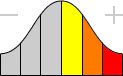
(Very) low white cell count
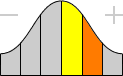
Low neutrophil count
Counter Indicators
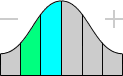
(Highly) elevated neutrophil count or normal neutrophil count
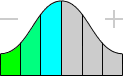
High white cell count
Having a slight/having a moderate/having a high fever
Conditions that suggest Low White Count
Risk factors for Low White Count
Lupus, SLE (Systemic Lupus Erythromatosis) / Risk
Active lupus and an infection may share many symptoms. Further, infection can induce a lupus flare or be difficult to distinguish from a lupus flare. A low white blood cell count is suggestive of active lupus (although certain viruses can also give a low white count) while a high count suggests infection.
Chemotherapy Side-Effects/Risks
Radiation therapy and chemotherapy destroy fast-growing cells such as white blood cells. Patients receiving a combination of radiation therapy and chemotherapy are at greater risk of a low white count.
Chronic / Hidden Infection
A hidden chronic infection – especially a viral infection – can result in a depressed white blood cell count.
Copper Deficiency
Copper deficiency needs to be included in the differential diagnosis of anemia and/or neutropenia in individuals with suspected copper deficiency. [ American Journal of Hematology, 1995;48: pp.45-47]
Low White Count suggests the following may be present
Lupus, SLE (Systemic Lupus Erythromatosis) / Risk
Active lupus and an infection may share many symptoms. Further, infection can induce a lupus flare or be difficult to distinguish from a lupus flare. A low white blood cell count is suggestive of active lupus (although certain viruses can also give a low white count) while a high count suggests infection.
Recommendations for Low White Count

Shark Liver Oil
Shark liver oil has a reputation for improving the production of red blood cells, white blood cells and platelets.
Sugars Avoidance / Reduction
Sugar consumption can temporarily depress the immune system and so should be avoided, especially in someone who has a challenged immune system already.
Alcohol Avoidance
Chronic alcohol consumption may increase the susceptibility to infection by impaired immune function. In a rat
model, chronic ethanol ingestion significantly increased the susceptibility of rats to fatal pneumococcal pneumonia, by impairing the anti-pneumococcal defense mechanism of neutrophils recruited to infected lungs. It is noted that infectious diseases are the major causes of morbidity and mortality among alcoholics. [ Infectious Disease News,
December 1992:1,2]

Conventional Drugs / Information
DMSA (used for removing heavy metals) can cause bone marrow suppression and is potentially hepatotoxic. There have been no reports yet of permanent bone marrow suppression or liver damage, but the literature has many case reports of significant neutropenia and thrombocytopenia during therapy with DMSA.

Personal Hygiene Changes
When your white count is low, consider additional personal hygiene measures to reduce the risk of infection. Examples of these could include:

Test Zinc Levels
Dosages of zinc in the 100-300mg per day range have caused copper deficiency, iron nonresponsive anemia, neutropenia,
impaired immune function and lowering of HDL cholesterol. Zinc supplementation near the 15mg per day RDA has interfered with copper and iron metabolism as well as decreased HDL concentrations. A main concern is that in the absence of overt toxicity symptoms the public will consume large amounts of zinc that may affect the utilization of nutrients such as copper, which in turn can have a negative impact on serum lipids and immune function. [American Journal of Clinical Nutrition, 1990;51: pp.225-227]
Lithium (low dose)
Neutropenia (especially as a result of chemotherapy) may be restored by the use of Lithium. Lithium stimulates stem-cells so you may see an increase in RBC’s and platelets also.
Key
| Weak or unproven link |
| Strong or generally accepted link |
| Proven definite or direct link |
| Strongly counter-indicative |
| Very strongly or absolutely counter-indicative |
| May do some good |
| Likely to help |
| Highly recommended |
| May have adverse consequences |
Glossary
White Blood Cell
(WBC): A blood cell that does not contain hemoglobin: a blood corpuscle responsible for maintaining the body's immune surveillance system against invasion by foreign substances such as viruses or bacteria. White cells become specifically programmed against foreign invaders and work to inactivate and rid the body of a foreign substance. Also known as a leukocyte.
Immune System
A complex that protects the body from disease organisms and other foreign bodies. The system includes the humoral immune response and the cell-mediated response. The immune system also protects the body from invasion by making local barriers and inflammation.
Leukemia
Cancer of the lymph glands and bone marrow resulting in overproduction of white blood cells (related to Hodgkin's disease).
Acute
An illness or symptom of sudden onset, which generally has a short duration.
Parasite
An organism living in or on another organism.
Pernicious Anemia
Anemia caused by a vitamin B12 deficiency.
Hormones
Chemical substances secreted by a variety of body organs that are carried by the bloodstream and usually influence cells some distance from the source of production. Hormones signal certain enzymes to perform their functions and, in this way, regulate such body functions as blood sugar levels, insulin levels, the menstrual cycle, and growth. These can be prescription, over-the-counter, synthetic or natural agents. Examples include adrenal hormones such as corticosteroids and aldosterone; glucagon, growth hormone, insulin, testosterone, estrogens, progestins, progesterone, DHEA, melatonin, and thyroid hormones such as thyroxine and calcitonin.
Anaphylactic Shock
Also known as anaphylaxis, this is a serious and rapid allergic reaction usually involving more than one part of the body which, if severe enough, can kill. It is characterized by decreased blood pressure and impaired respiration.
Granulocyte
A mature white blood cell with cytoplasm containing granules.
Virus
Any of a vast group of minute structures composed of a protein coat and a core of DNA and/or RNA that reproduces in the cells of the infected host. Capable of infecting all animals and plants, causing devastating disease in immunocompromised individuals. Viruses are not affected by antibiotics, and are completely dependent upon the cells of the infected host for the ability to reproduce.
Chemotherapy
A treatment of disease by any chemicals. Used most often to refer to the chemical treatments used to combat cancer cells.
Chronic
Usually Chronic illness: Illness extending over a long period of time.
Copper
An essential mineral that is a component of several important enzymes in the body and is essential to good health. Copper is found in all body tissues. Copper deficiency leads to a variety of abnormalities, including anemia, skeletal defects, degeneration of the nervous system, reproductive failure, pronounced cardiovascular lesions, elevated blood cholesterol, impaired immunity and defects in the pigmentation and structure of hair. Copper is involved in iron incorporation into hemoglobin. It is also involved with vitamin C in the formation of collagen and the proper functioning in central nervous system. More than a dozen enzymes have been found to contain copper. The best studied are superoxide dismutase (SOD), cytochrome C oxidase, catalase, dopamine hydroxylase, uricase, tryptophan dioxygenase, lecithinase and other monoamine and diamine oxidases.
Anemia
A condition resulting from an unusually low number of red blood cells or too little hemoglobin in the red blood cells. The most common type is iron-deficiency anemia in which the red blood cells are reduced in size and number, and hemoglobin levels are low. Clinical symptoms include shortness of breath, lethargy and heart palpitations.